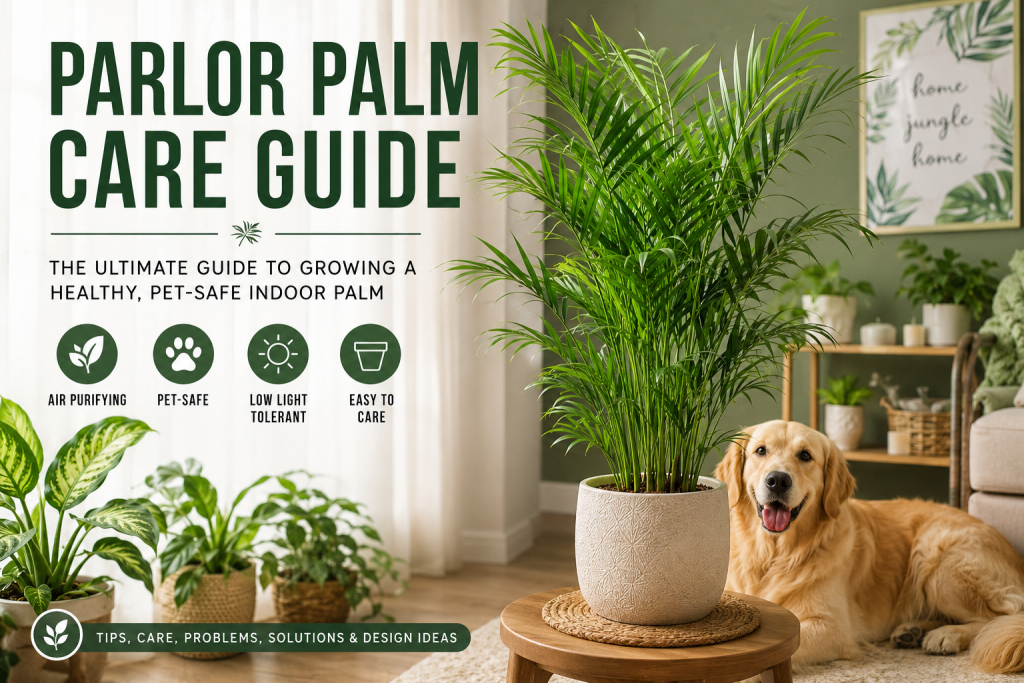
Indoor gardening has transformed from a niche hobby into a lifestyle movement. For many urban dwellers and homeowners, bringing the “outside in” is essential for mental well-being and home aesthetics. However, the challenge often lies in finding the right balance between beauty and practicality—especially for those with low-light homes or curious furry friends.
Enter the Parlor Palm (Chamaedorea elegans). If you are looking for the perfect entry point into indoor gardening, this resilient, lush, and pet-safe plant is the undisputed champion. In this comprehensive guide, we will dive deep into everything you need to know to keep your Parlor Palm thriving for decades.
Why the Parlor Palm is the King of Indoor Gardening
The parlor palm earned its name during the Victorian era when it was a status symbol in fashionable parlors. Its popularity hasn’t waned since, and for good reason. Unlike many tropical plants that demand high-intensity “jungle” conditions, the parlor palm is remarkably forgiving.
A Natural Air Purifier
Beyond its aesthetic appeal, the Parlor Palm is a functional addition to your home. It is widely recognized for its ability to filter indoor air, removing common household toxins like formaldehyde and benzene. For indoor gardening enthusiasts, this “clean air” benefit makes it more than just a decoration—it’s a health investment.
The Gold Standard of Pet-Safe Plants
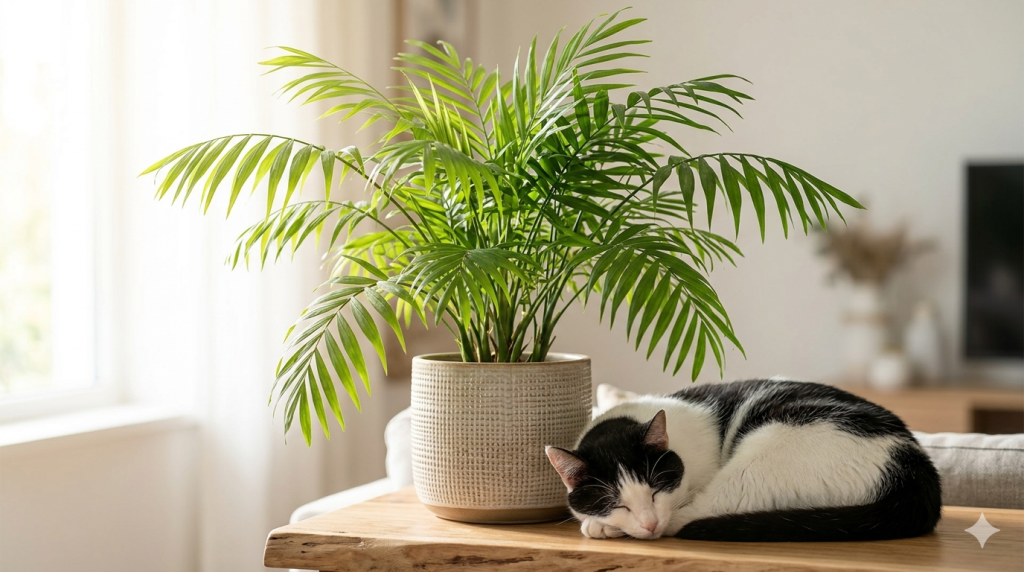
One of the biggest hurdles in indoor gardening is safety. Many popular houseplants, such as lilies or pothos, can be toxic to cats and dogs. The Parlor Palm is officially classified by the ASPCA as non-toxic to both cats and dogs. This makes it a top-tier choice for pet owners who want a tropical look without the worry.
Technical Specifications: At a Glance
| Feature | Detail |
| Common Name | Parlor Palm, Neanthe Bella Palm |
| Botanical Name | Chamaedorea elegans |
| Mature Size | 2–6 feet (Indoors); Up to 16 feet (Outdoors) |
| Sun Exposure | Bright, indirect light (tolerates low light) |
| Soil Type | Peaty, well-draining potting mix |
| Soil pH | Acidic to Neutral |
| Toxicity | Pet-Safe (Non-toxic to cats/dogs) |
| Growth Rate | Slow |
Masterclass in Parlor Palm Care
To ensure your parlor palm reaches its full potential, you must replicate its natural habitat: the forest floors of Southern Mexico and Guatemala.
1. Light Requirements: Finding the Sweet Spot
While many labels categorize the Parlor Palm as a “low-light plant,” this is a bit of a misnomer. They tolerate low light, but they thrive in bright, indirect light.
- The Ideal Spot: A north-facing window or a spot a few feet away from an east/west window.
- What to Avoid: Direct afternoon sun. The delicate fronds are susceptible to “leaf scorch,” which manifests as crispy, brown patches.
2. Watering Wisdom
The quickest way to kill a parlor palm is overwatering. These plants have relatively sensitive, weak root systems that are prone to rot.
- The Rule of Thumb: Water only when the top 1 to 2 inches of soil are dry.
- Method: Always water from the top to flush out any accumulated salts or minerals. Ensure your pot has drainage holes; sitting in water is a death sentence for this palm.
- Water Quality: If your tap water is heavily chlorinated, let it sit out overnight before watering, or use filtered water to prevent tip browning.
3. Soil and Potting
A standard “all-purpose” potting soil is often too heavy. For successful indoor gardening, customize your mix.
- The Recipe: Use a peat-based potting mix amended with perlite or sand to increase aeration.
- Repotting: Because they are slow growers with fragile roots, only repot every 2–3 years. Never “up-size” the pot too drastically; a container just 1–2 inches wider than the current one is perfect.
4. Temperature and Humidity
The parlor palm loves “human” temperatures—between 65°F and 80°F.
- Drafts: Keep them away from air conditioning vents or drafty winter windows. Sudden temperature drops can cause the foliage to drop.
- Humidity: While they handle average home humidity well, they will look much lusher if you provide a slight boost. Use a pebble tray or a humidifier rather than misting (which can encourage fungal issues).
Common Challenges and How to Solve Them
Even the most experienced indoor gardening fans encounter issues. Here is how to troubleshoot your Parlor Palm:
Browning Leaf Tips
This is the most common complaint. It usually stems from one of three things:
- Low Humidity: The air is too dry.
- Chemical Sensitivity: Too much fluoride or chlorine in the water.
- Underwatering: The plant is getting too dry between sessions.
Yellowing Fronds
If the leaves are turning a pale yellow, the plant is likely getting too much direct sunlight. Move it further into the room. If the yellowing is accompanied by mushy stems, you are likely overwatering.
Pests: The Uninvited Guests
Parlor palms can occasionally attract spider mites, mealybugs, or scale.
- Treatment: Check the undersides of leaves regularly. If you spot webbing or sticky residue, wipe the fronds with a damp cloth and mild soapy water or use an organic neem oil spray.
Exploring Varieties: Beyond the Chamaedorea Elegans
While C. elegans is the most famous, the world of indoor palms offers other pet-safe plant relatives worth exploring:
- Bamboo Palm (C. erumpens): Features slightly larger, more fan-like leaves and grows in a more upright, bamboo-like cluster.
- Hooper’s Palm (C. hooperiana): A newer discovery that looks like a Kentia palm but is much easier to maintain. It is incredibly vigorous and resistant to many common pests.
Pruning and Maintenance
One of the best parts of Parlor Palm care is how little “work” it requires.
- Do Not Prune Top Growth: Unlike a hedge, palms grow from a terminal bud. If you cut the top off, the plant will stop growing entirely.
- Cleanliness: Dust the fronds occasionally with a damp cloth. Dust buildup can block light absorption and provide a hiding spot for pests.
- Fertilizing: Feed with a balanced, water-soluble fertilizer at half-strength once a month during the spring and summer. Skip the “food” entirely during the winter dormancy period.
Summary of the Parlor Palm Lifestyle
Choosing the Parlor Palm for your indoor gardening journey provides a sense of accomplishment without the stress of high-maintenance greenery. It is the bridge between a barren room and a living sanctuary. By respecting its slow growth and avoiding the temptation to overwater), you will have a companion that grows alongside you for years.
Frequently Asked Questions (FAQs)
1. Is the Parlor Palm safe for cats who like to chew on leaves?
Yes! The parlor palm is non-toxic to cats. While it is always better to discourage your pets from eating plants (to prevent stomach upset), you don’t have to worry about the life-threatening toxicity associated with plants like sago palms or lilies.
2. Can I grow a parlor palm in a room with no windows?
While they are low-light tolerant, no plant can survive in total darkness. If your room has no windows, you will need a dedicated grow light or you should rotate the plant into a brighter room for a few days every week.
3. Why is my parlor palm growing so slowly?
Slow growth is natural for this species. It can take years for a parlor palm to reach its maximum indoor height of 6 feet. Avoid over-fertilizing to “speed it up,” as this will only burn the roots.
4. Should I mist my parlor palm to keep it healthy?
Misting is generally ineffective at raising long-term humidity and can sometimes lead to leaf spot diseases. It is better to use a room humidifier or place the pot on a tray filled with pebbles and water.
5. Can I put my parlor palm outside for the summer?
Yes, but be very careful. It must be kept in full shade. Even an hour of direct summer sun can completely bleach and kill the delicate fronds. Bring it back inside once temperatures drop below 55°F.