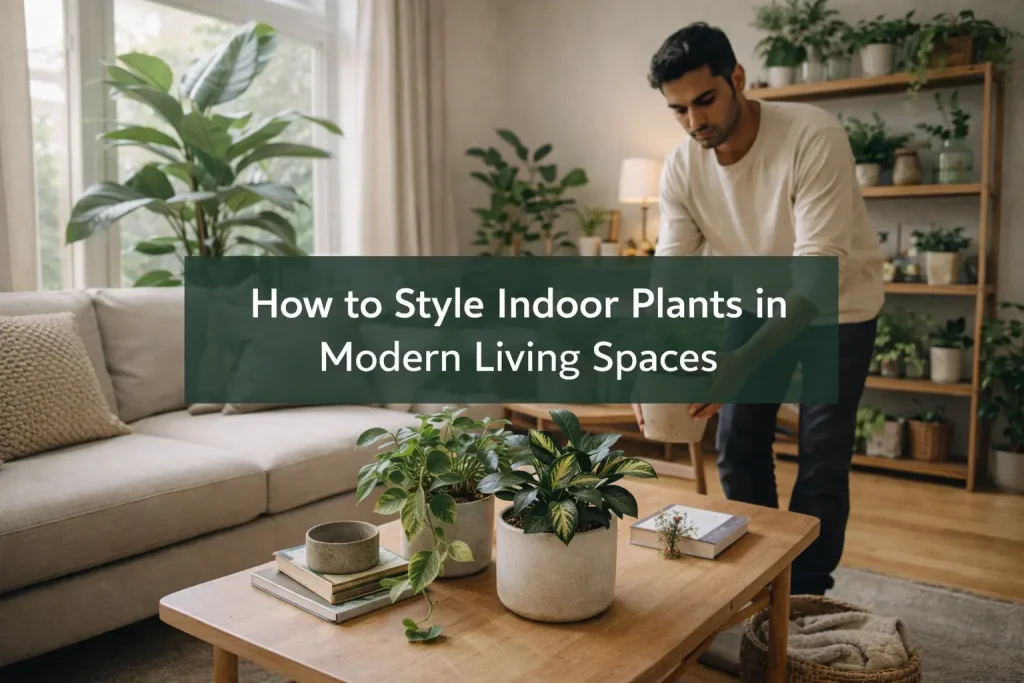
This guide will help you style indoor plants with confidence while maintaining a clean and refined aesthetic.
Understanding the Role of Plants in Interior Design
Plants function as living design components. They add height, texture, and movement — three elements essential for dynamic interiors.
Creating Visual Balance
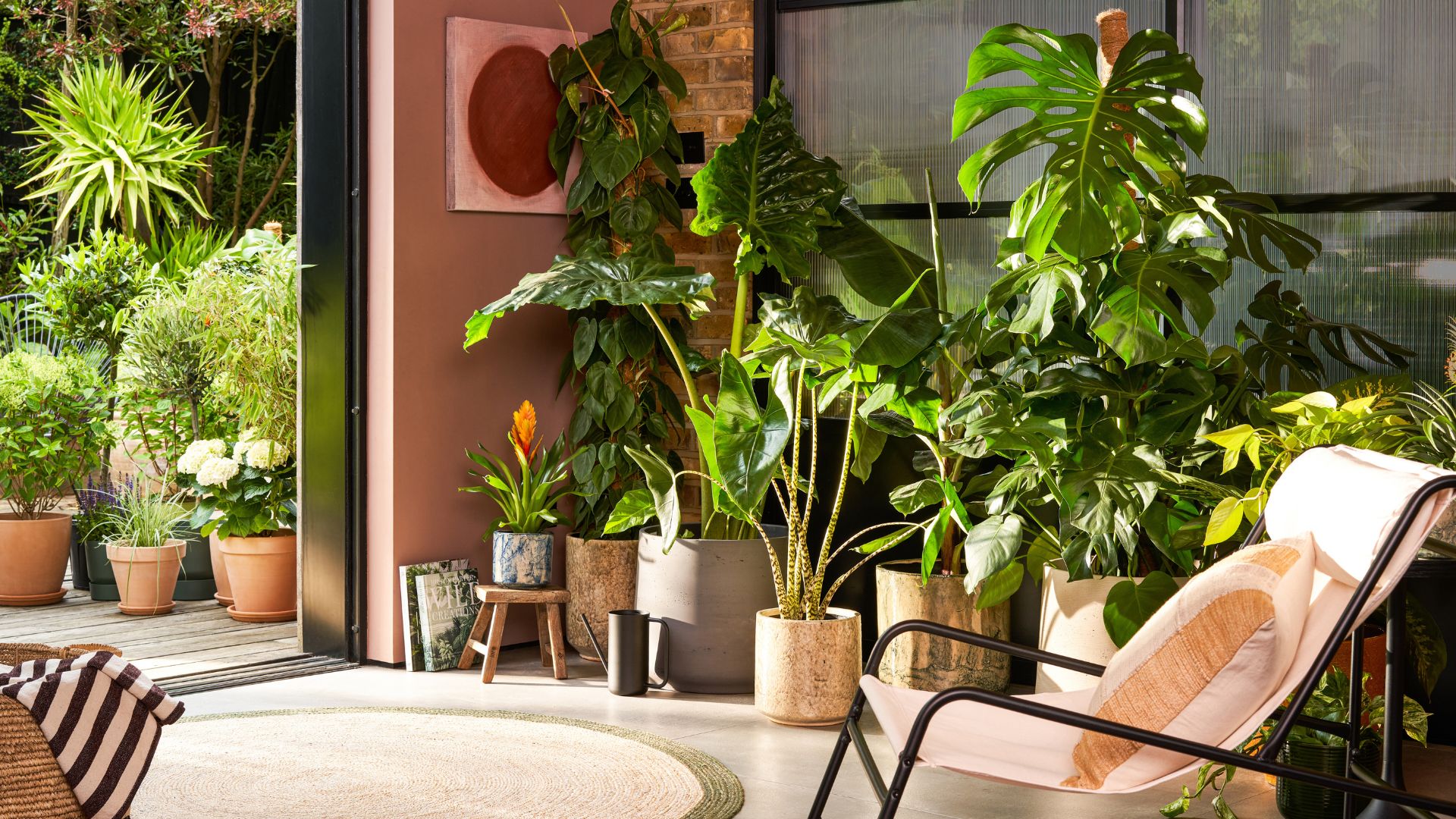
Tall plants anchor empty corners, medium plants add body to surfaces, and trailing plants introduce softness and flow. The key is variety without clutter.
Working With Negative Space
Modern interiors rely on breathing space. Instead of overcrowding shelves or floors, allow plants to stand independently and create intentional focal points.
Choosing the Right Plant for the Right Space
Successful styling begins with plant selection based on size, light availability, and room function.
Living Room Styling
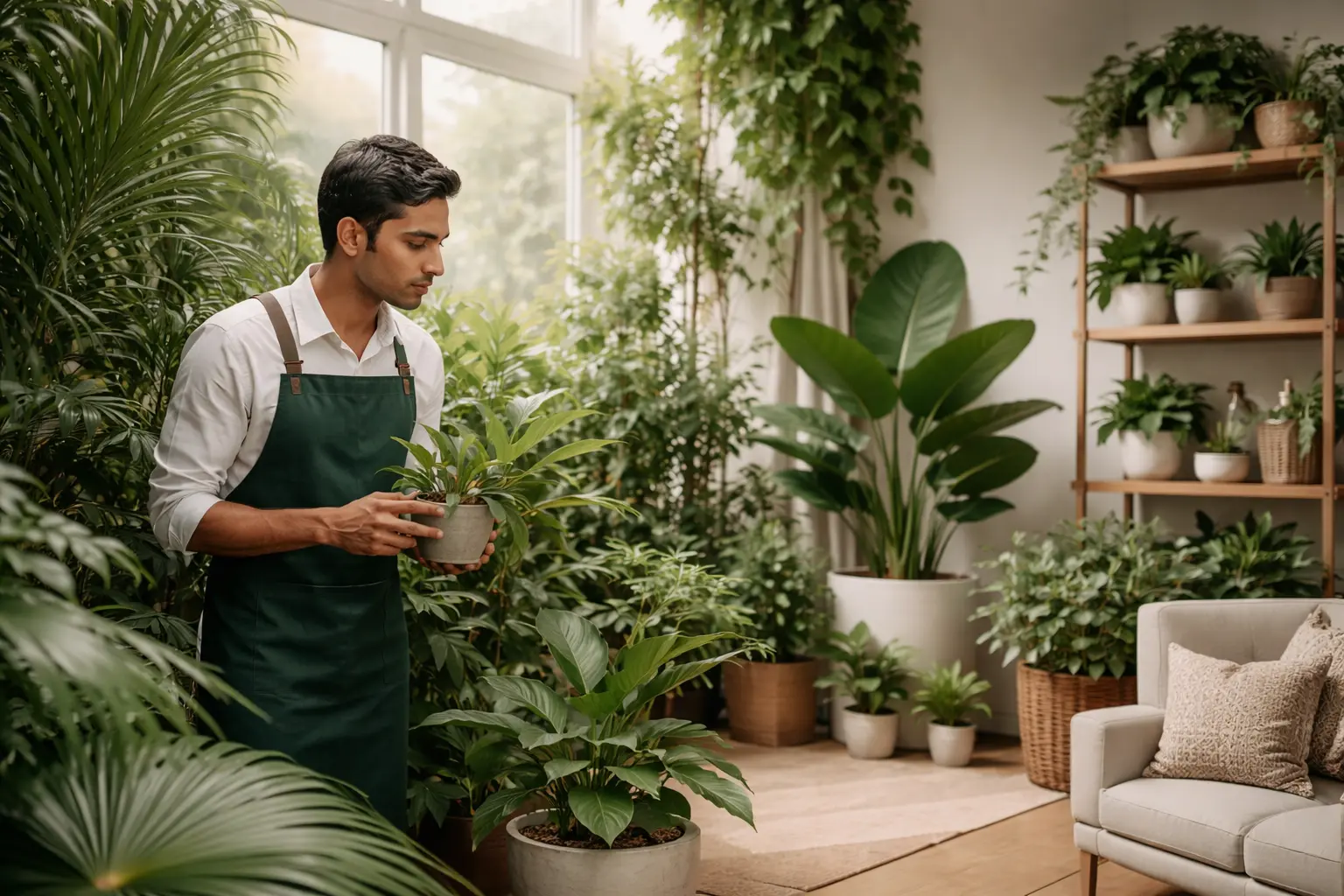
Large statement plants such as Bird of Paradise or Fiddle Leaf Fig work well beside sofas or near natural light sources. Pair them with neutral planters for a timeless look.
Bedroom Placement
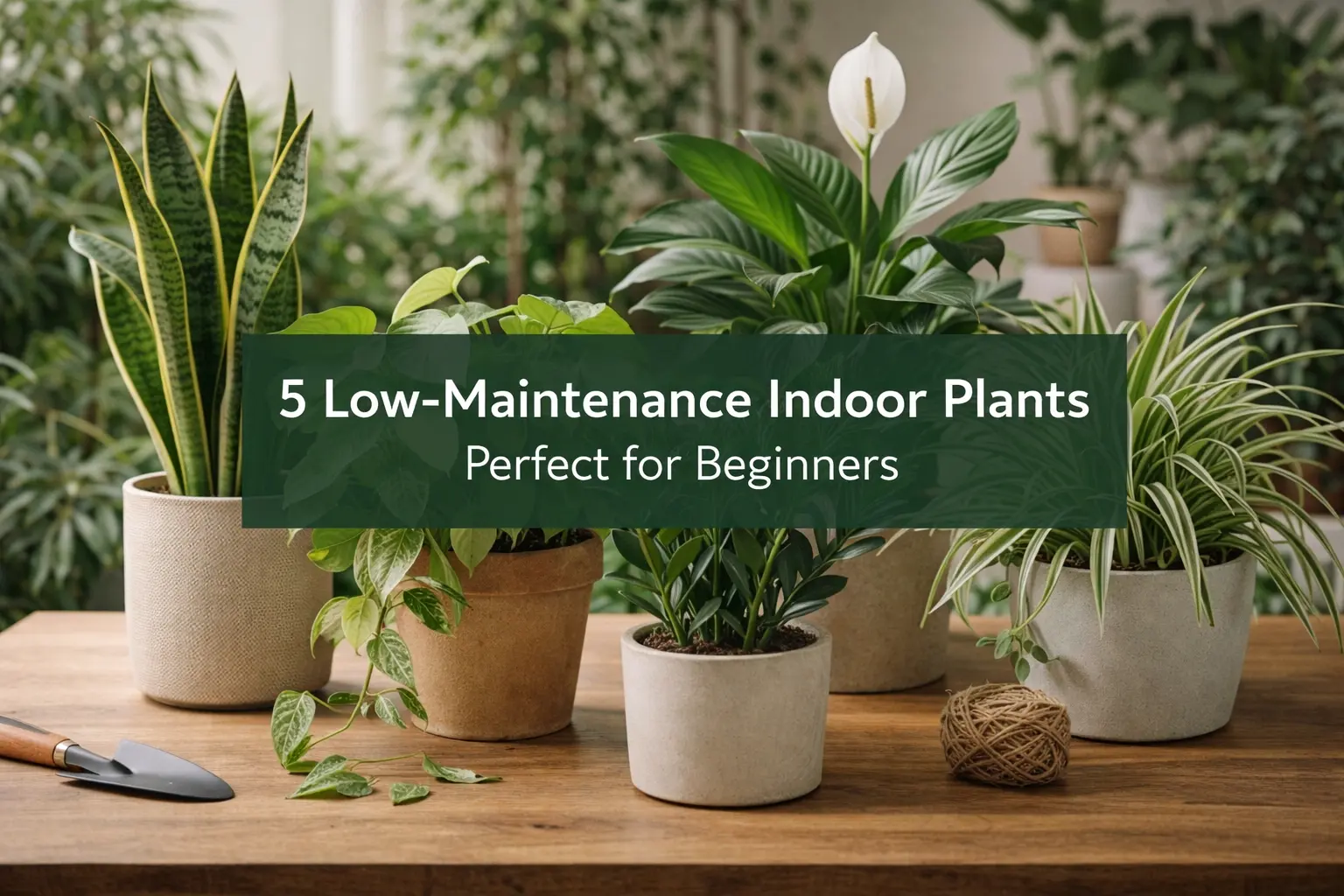
Opt for calming varieties like Snake Plant or Peace Lily. Keep arrangements minimal to maintain serenity.
Workspace Integration
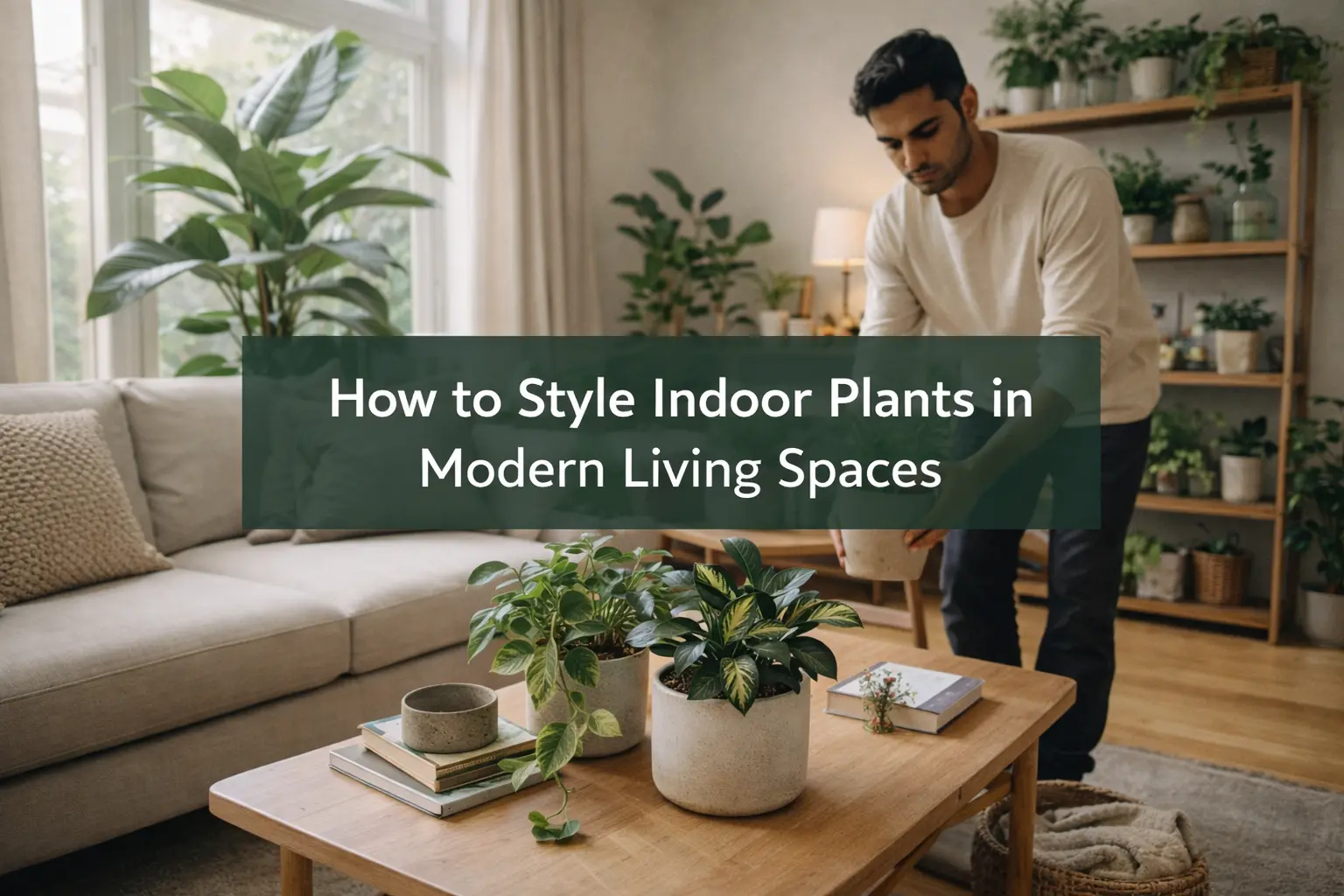
Compact plants like ZZ Plant or Pothos are ideal for desks and shelving units. They add greenery without overwhelming the workspace.
Mastering Height and Layering
One common styling mistake is placing all plants at the same level. Layering creates visual interest.
Use Stands and Pedestals
Elevating certain plants adds dimension and depth.
Combine Different Pot Sizes
Pair tall floor plants with smaller tabletop varieties for contrast.
Introduce Trailing Elements
Allow Pothos or String of Pearls to cascade from shelves for softness.
Selecting Planters That Complement Your Interior
Planters play a significant design role. Their texture, color, and material should align with your interior theme.
Minimalist Interiors
Choose matte ceramic, concrete, or neutral tones.
Warm Natural Spaces
Opt for terracotta, woven baskets, or wood accents.
Contemporary Spaces
Select sleek metallic or monochrome planters for a modern finish.
Lighting as a Styling Tool
Natural light enhances both plant health and visual appeal.
Place plants near windows with indirect light to create natural shadows and depth. Avoid harsh direct sunlight unless the plant specifically requires it.
Soft ambient lighting in the evening can further enhance the botanical atmosphere.
Maintaining a Cohesive Botanical Theme
Styling indoor plants is about consistency. Select a limited color palette and repeat similar planter tones throughout the space.
Avoid mixing too many plant varieties in one room. Instead, repeat two or three types to maintain visual harmony.
Common Styling Mistakes to Avoid
- Overcrowding shelves or corners
- Ignoring lighting conditions
- Using mismatched planter styles
- Choosing plants that outgrow the space
- Neglecting maintenance and leaf care
Final Thoughts
Styling indoor plants in modern living spaces is not about filling every corner — it is about intention. With thoughtful placement, balanced proportions, and cohesive planter choices, greenery becomes a refined extension of your interior design.