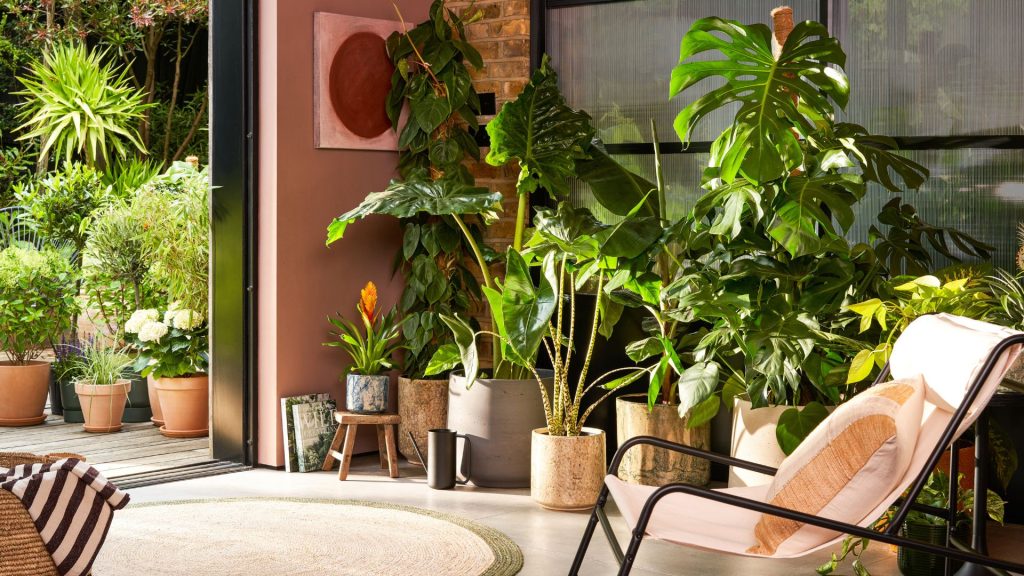
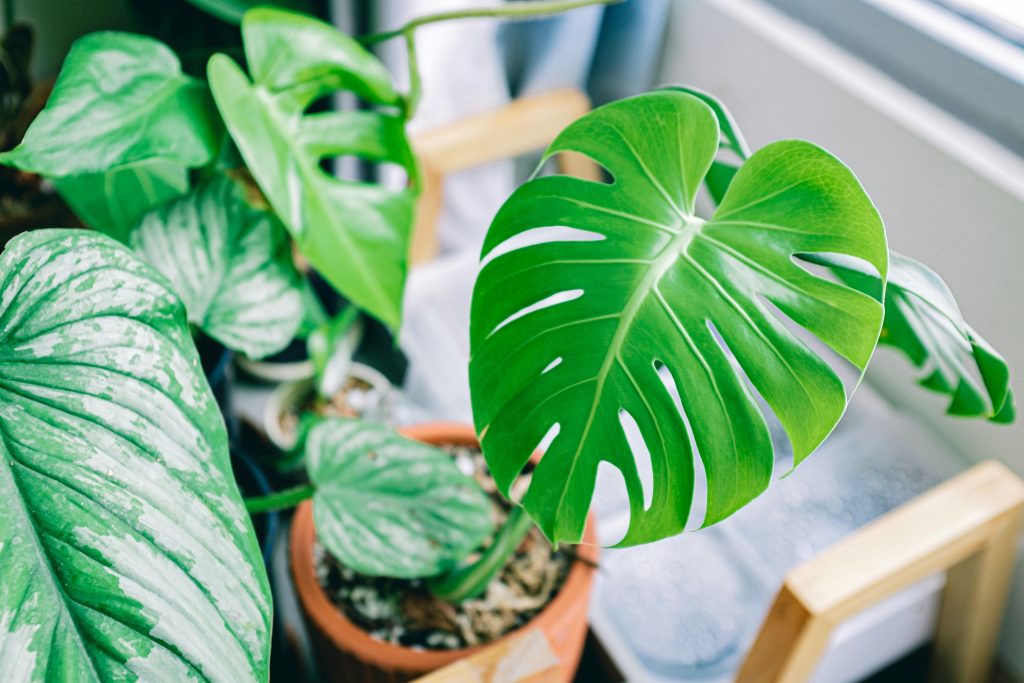
Monstera care is surprisingly straightforward once you understand what this tropical plant needs. Known for its large split leaves and dramatic indoor presence, Monstera deliciosa thrives in bright indirect light, consistent watering, moderate humidity, and well-draining soil.
Many indoor gardeners struggle with yellow leaves, slow growth, drooping stems, or a lack of leaf splits. In most cases, these issues come down to lighting, watering habits, or improper potting conditions rather than anything complicated. This guide explains exactly how to care for a Monstera indoors, including light requirements, watering schedules, humidity needs, fertilizing, repotting, and troubleshooting common problems.
Whether you’re growing your first Swiss cheese plant or trying to encourage larger fenestrated leaves, you’ll find practical, science-based advice that helps you grow a healthier and more attractive plant.
Quick Answer Box
What is the best way to care for a Monstera?
- Provide bright indirect light
- Water when the top 2–3 inches of soil feel dry
- Use a chunky, well-draining potting mix
- Maintain temperatures between 65–85°F
- Keep humidity above 40%, ideally 50–60%
- Feed monthly during spring and summer
- Repot every 1–2 years as needed
- Support mature plants with a moss pole
What Is a Monstera?
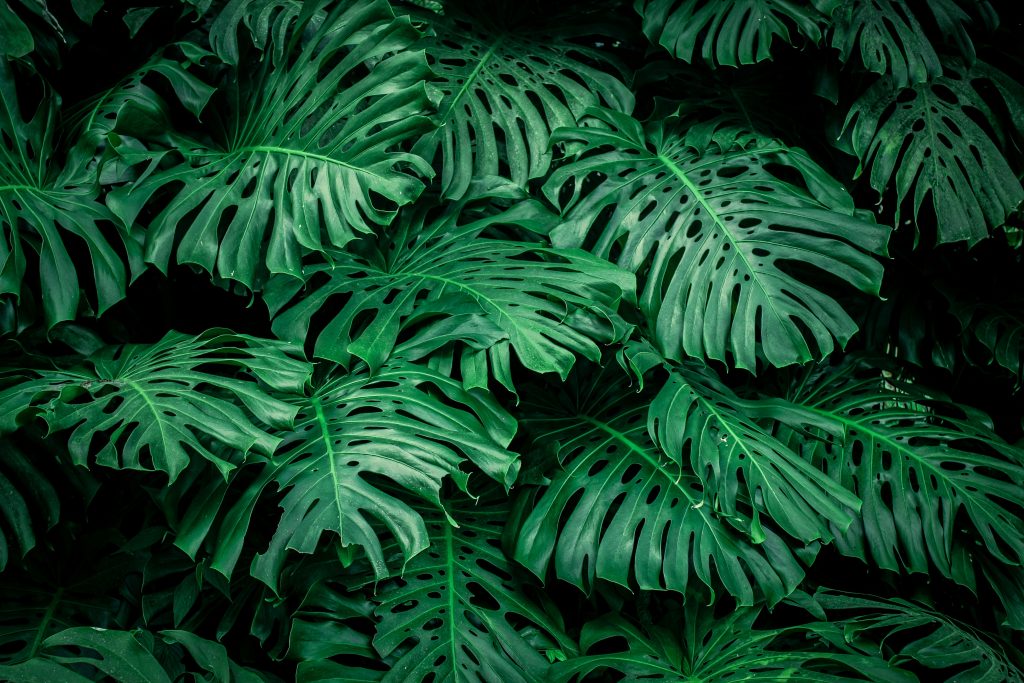
Monstera deliciosa is a tropical climbing plant native to the rainforests of Central America. It belongs to the Araceae family and is commonly called the Swiss cheese plant because of the distinctive holes and splits that develop in mature leaves.
In its natural habitat, Monstera climbs trees using aerial roots while receiving filtered sunlight through the forest canopy. Understanding these growing conditions helps explain why Monstera prefers bright indirect light rather than harsh direct sun.
One of the most common questions gardeners ask is why young leaves don’t have holes. Fenestrations typically develop as the plant matures and receives sufficient light, support, and overall healthy growing conditions.
Monstera Growing Conditions at a Glance
| Factor | Ideal Range |
|---|---|
| Light | Bright indirect light |
| Water | When top 2–3 inches dry |
| Humidity | 50–60% preferred |
| Temperature | 65–85°F |
| Soil | Chunky, well-draining mix |
| Fertilizer | Monthly during active growth |
| Growth Rate | Moderate to fast |
Monstera Care: Light Requirements
The most important aspect of Monstera care is providing adequate light. Monsteras grow best in bright indirect light where they receive plenty of illumination without prolonged exposure to intense afternoon sun.
A common mistake gardeners make is placing Monsteras in dim corners because they’re labeled as low-light plants. While they can survive in lower light, survival and thriving are very different things. Insufficient light often results in smaller leaves, leggy stems, slower growth, and fewer fenestrations.
Signs Your Monstera Needs More Light
- Small new leaves
- Long gaps between leaves
- Lack of leaf splits
- Slow growth
- Leaning toward windows
East-facing windows often provide ideal lighting conditions. South- or west-facing windows can also work if filtered by sheer curtains.
Signs of Too Much Light
- Brown crispy patches
- Bleached or faded leaves
- Scorched leaf edges
How Often Should You Water a Monstera?
Monsteras prefer a balance between consistently moist and overly wet soil. The best approach is to water thoroughly when the top 2–3 inches of soil become dry.
Instead of watering on a strict schedule, check soil moisture regularly. Indoor conditions vary significantly based on season, humidity, temperature, pot size, and light exposure.
Step-by-Step Watering Method
- Check soil moisture with your finger.
- Wait until the top few inches feel dry.
- Water thoroughly until excess drains out.
- Empty any standing water from trays.
- Allow soil to partially dry before watering again.
Most indoor Monsteras require watering approximately:
| Season | Typical Frequency |
|---|---|
| Spring | Every 7–10 days |
| Summer | Every 5–8 days |
| Fall | Every 10–14 days |
| Winter | Every 2–3 weeks |
These are starting points rather than fixed schedules.
Overwatering vs Underwatering
Overwatering is far more common than underwatering. Constantly wet soil limits oxygen around roots and creates conditions for root rot.
Underwatered plants typically recover quickly after watering, while root rot can require extensive intervention.
Best Soil for Monstera Plants
Monstera care becomes much easier when the plant grows in an appropriate potting mix. Standard potting soil alone often retains too much moisture and can contribute to root problems.
Monsteras prefer a chunky, airy mix that balances moisture retention with excellent drainage.
A popular indoor plant blend includes:
- Potting soil
- Orchid bark
- Perlite or pumice
- Coconut coir (optional)
This combination creates air pockets around roots while still retaining enough moisture for healthy growth.
Why Soil Structure Matters
In nature, Monstera roots grow through loose organic material rather than dense garden soil. Replicating that environment indoors encourages healthier root development and reduces the risk of root rot.
When repotting, choose a container only 1–2 inches larger than the current root ball. Oversized pots can stay wet for too long and increase watering problems.
[PHOTO: Close-up of chunky Monstera potting mix ingredients]
Humidity and Temperature Needs
Monstera plants adapt well to average household conditions but perform best with moderate humidity and warm temperatures.
Ideal conditions include:
- Temperature: 65–85°F
- Humidity: 50–60%
While Monsteras can tolerate humidity levels around 40%, higher humidity often supports larger leaves and healthier growth.
Ways to Increase Humidity
- Use a humidifier
- Group plants together
- Place plants in naturally humid rooms
- Use pebble trays
Misting provides only temporary humidity increases and should not be relied upon as a primary humidity solution.
Temperature Concerns
Avoid exposing Monsteras to:
- Cold drafts
- Air conditioning vents
- Heating vents
- Temperatures below 55°F
Sudden temperature fluctuations can stress the plant and slow growth.
Monstera Care: Fertilizing for Healthy Growth
Monsteras are not heavy feeders, but regular fertilization during the growing season can support larger leaves, stronger stems, and faster growth. The key is consistency rather than excessive feeding.
Feed your Monstera once a month during spring and summer using a balanced liquid houseplant fertilizer diluted according to the product label. As growth slows in fall and winter, reduce or stop fertilizing altogether.
Signs Your Monstera May Benefit from Fertilizer
- Slow growth during the growing season
- Pale green foliage
- Smaller-than-normal new leaves
- Reduced leaf production
Avoid the temptation to add extra fertilizer to speed up growth. Excess nutrients can accumulate in the soil and damage roots, often causing brown leaf edges or salt buildup.
Repotting a Monstera Plant
Most Monsteras benefit from repotting every one to two years. Repotting refreshes the soil, provides room for root growth, and prevents plants from becoming severely root-bound.
The best time to repot is spring or early summer when the plant is actively growing.
How to Repot a Monstera
- Choose a pot 1–2 inches larger than the current container.
- Prepare fresh chunky potting mix.
- Gently remove the plant from its pot.
- Inspect roots and trim any dead or mushy sections.
- Place the plant at the same depth as before.
- Fill around the roots with fresh mix.
- Water thoroughly after repotting.
Signs It’s Time to Repot
- Roots growing from drainage holes
- Water running straight through the pot
- Slowed growth despite proper care
- Soil drying unusually fast
[PHOTO: Monstera being removed from a root-bound nursery pot during repotting]
How to Propagate Monstera
Monstera propagation is one of the easiest ways to create new plants. Successful propagation requires a stem cutting that includes at least one node, which is the point where leaves and roots emerge.
Without a node, a cutting cannot develop into a new plant.
Water Propagation Steps
- Identify a healthy stem with a node.
- Make a clean cut below the node.
- Place the node in clean water.
- Change the water weekly.
- Wait for roots to develop.
- Transfer to soil once roots are several inches long.
Soil Propagation
Some growers prefer placing cuttings directly into moist potting mix. This can reduce transplant shock later but requires careful moisture management.
[PHOTO: Monstera cutting showing a visible node and aerial root before propagation]
What Most Monstera Care Guides Get Wrong
Many Monstera care articles focus only on watering schedules and humidity while overlooking factors that have a major influence on leaf size and overall appearance.
Light Intensity Matters More Than People Think
A Monstera may survive in low light, but it rarely develops the dramatic split leaves most gardeners want. Bright indirect light is often the difference between a struggling plant and a thriving one.
Overpotting Creates Problems
Many beginners assume a larger pot equals faster growth. In reality, oversized containers hold excess moisture, increasing the risk of root rot.
Fenestrations Are Not Guaranteed
Leaf splits develop as the plant matures and receives sufficient light and support. A healthy young Monstera may still produce solid leaves until it reaches a more mature stage.
Support Structures Encourage Better Growth
Monsteras are natural climbers. Providing a moss pole or sturdy support often results in larger leaves and stronger vertical growth compared to letting the plant trail freely.
Common Monstera Problems and Solutions
Most Monstera issues can be traced to watering, lighting, or environmental conditions. Identifying symptoms early helps prevent long-term damage.
| Symptom | Likely Cause | Solution |
|---|---|---|
| Yellow leaves | Overwatering | Allow soil to dry more between waterings |
| Brown crispy edges | Low humidity or underwatering | Increase humidity and adjust watering |
| Drooping leaves | Water stress or temperature issues | Check soil moisture and room conditions |
| Small leaves | Insufficient light | Move closer to bright indirect light |
| Black mushy stems | Root rot | Remove affected roots and repot |
Troubleshooting Checklist
✓ Check soil moisture before watering
✓ Ensure adequate drainage
✓ Provide bright indirect light
✓ Avoid cold drafts
✓ Inspect regularly for pests
✓ Use a chunky soil mix
Common Misconceptions About Monstera Care
“Monsteras Love Direct Sun”
Not exactly. Morning sun is usually fine, but prolonged intense afternoon sunlight can scorch leaves.
“Misting Raises Humidity Enough”
Misting provides only a short-lived increase in moisture around leaves. Humidifiers and proper room conditions are much more effective.
“More Fertilizer Means Faster Growth”
Excess fertilizer often creates more problems than benefits. Balanced feeding is far safer than overfeeding.
“Aerial Roots Should Be Cut Off”
Aerial roots are a natural part of Monstera growth. While trimming them is generally safe for appearance purposes, they help support climbing and moisture absorption.
Expert Tips for Bigger, Healthier Monstera Plants
1. Rotate the Pot Regularly
Turning the plant every few weeks promotes more balanced growth and prevents leaning toward a light source.
2. Clean the Leaves
Dust accumulation reduces the plant’s ability to capture light. Wipe leaves gently with a damp cloth every month or two.
3. Use a Moss Pole Early
Installing support while the plant is young is easier than trying to train mature stems later.
4. Adjust Watering Seasonally
Many watering problems occur because gardeners continue summer watering habits throughout winter when growth slows significantly.
Monstera Care: Final Thoughts
The single most important factor in successful Monstera care is providing bright indirect light. When combined with proper watering, well-draining soil, and moderate humidity, this tropical plant can produce the large, dramatic foliage that makes it one of the most popular houseplants in the world.
Focus on creating stable growing conditions rather than chasing quick fixes. Monitor soil moisture before watering, avoid oversized pots, and provide support as your plant matures. With patience and consistent care, your Monstera can reward you with larger leaves, impressive fenestrations, and years of healthy indoor growth.
Frequently Asked Questions
1. How often should I water my Monstera indoors?
Most indoor Monsteras need watering every 1–2 weeks, but the exact schedule depends on light, temperature, humidity, and pot size. Always check the soil before watering. When the top 2–3 inches feel dry, water thoroughly until excess drains from the bottom of the pot.
2. Why are my Monstera leaves not splitting?
A lack of fenestrations is usually related to age, lighting, or support. Young plants naturally produce solid leaves. Mature plants growing in bright indirect light with a climbing support such as a moss pole are much more likely to develop the characteristic splits and holes.
3. Can Monstera grow in low-light conditions?
Monsteras can survive in low light, but growth will often slow and leaves may become smaller. The plant is unlikely to develop impressive fenestrations under consistently dim conditions. Bright indirect light remains the best option for healthy growth and larger foliage.
4. Should I cut off yellow Monstera leaves?
If a leaf has turned mostly yellow and is no longer contributing to the plant, it can be removed using clean pruning shears. However, yellow leaves are usually a symptom of an underlying issue such as overwatering, poor drainage, or insufficient light, so address the cause as well.
5. Do Monstera plants need a moss pole?
A moss pole is not strictly required, but it can significantly improve growth. Monsteras are natural climbers, and providing vertical support often encourages larger leaves, stronger stems, and more pronounced fenestrations as the plant matures.