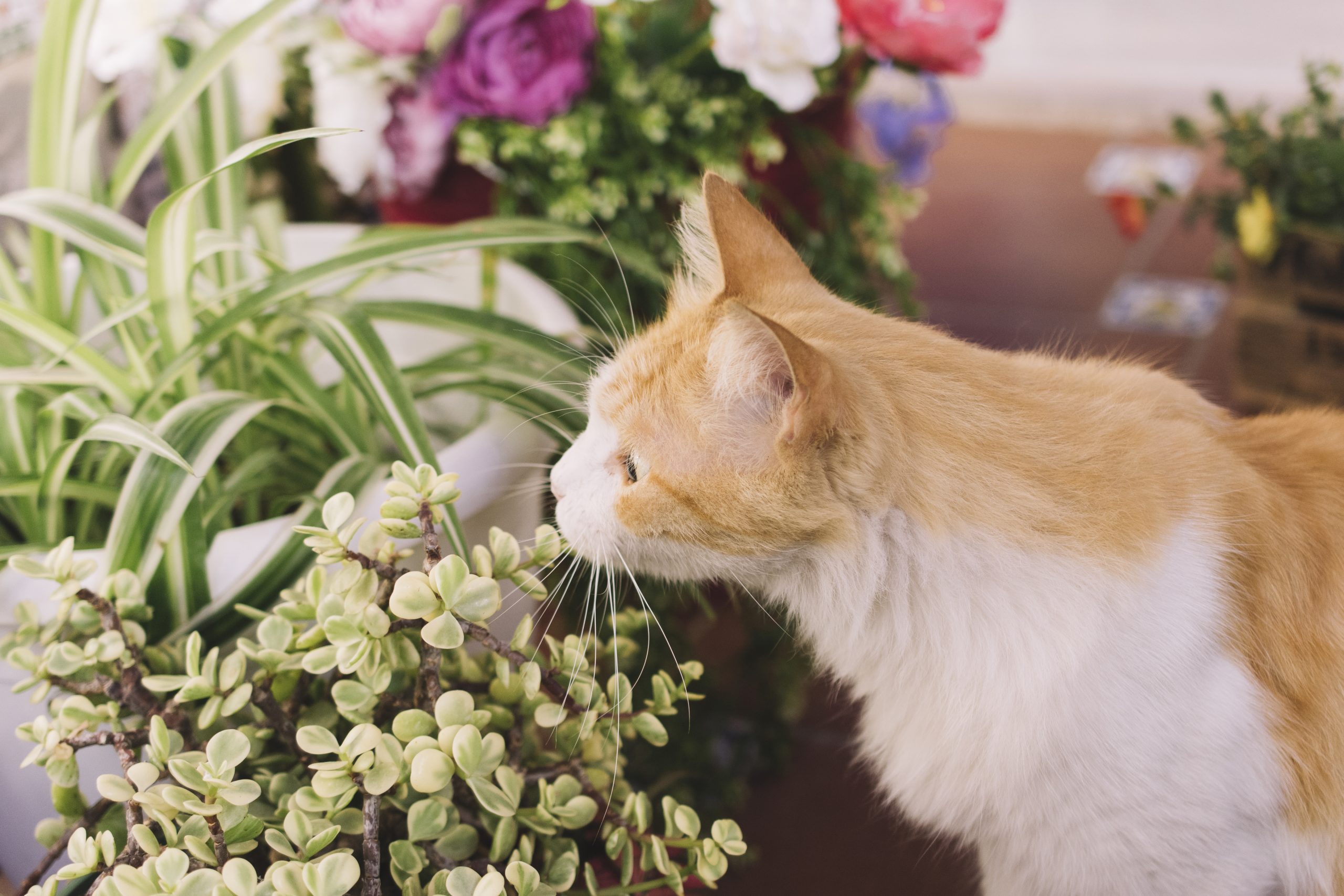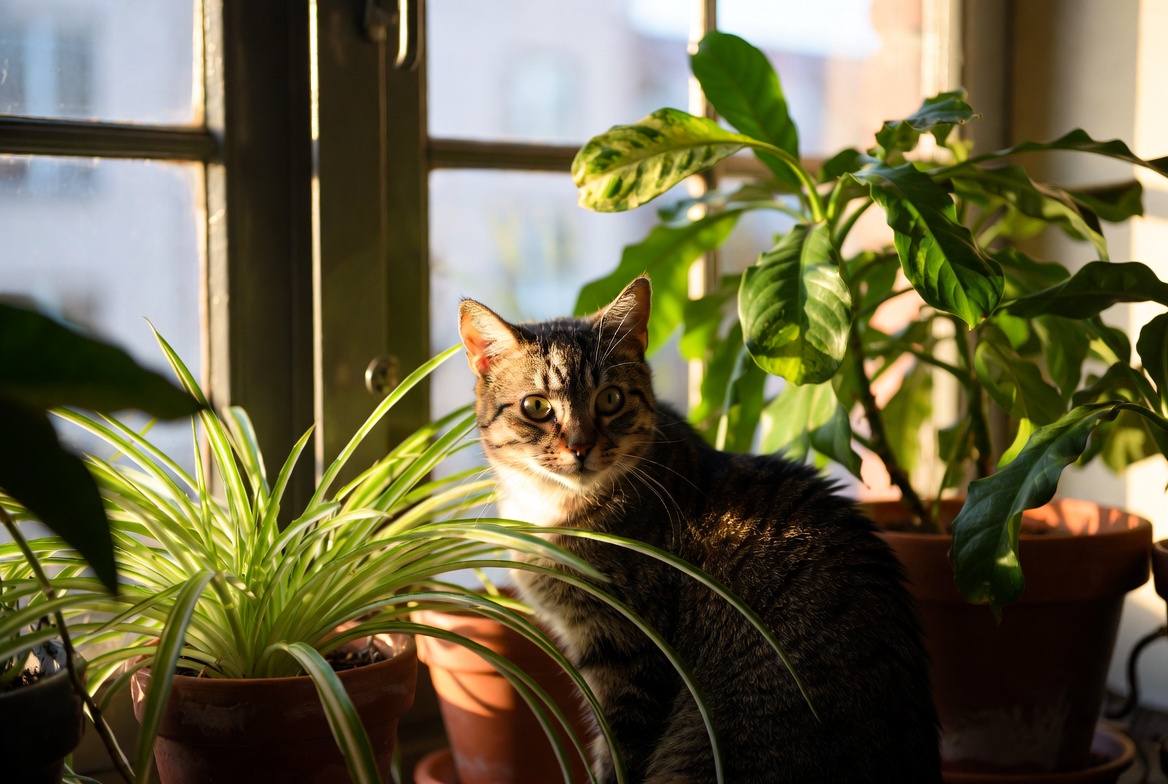
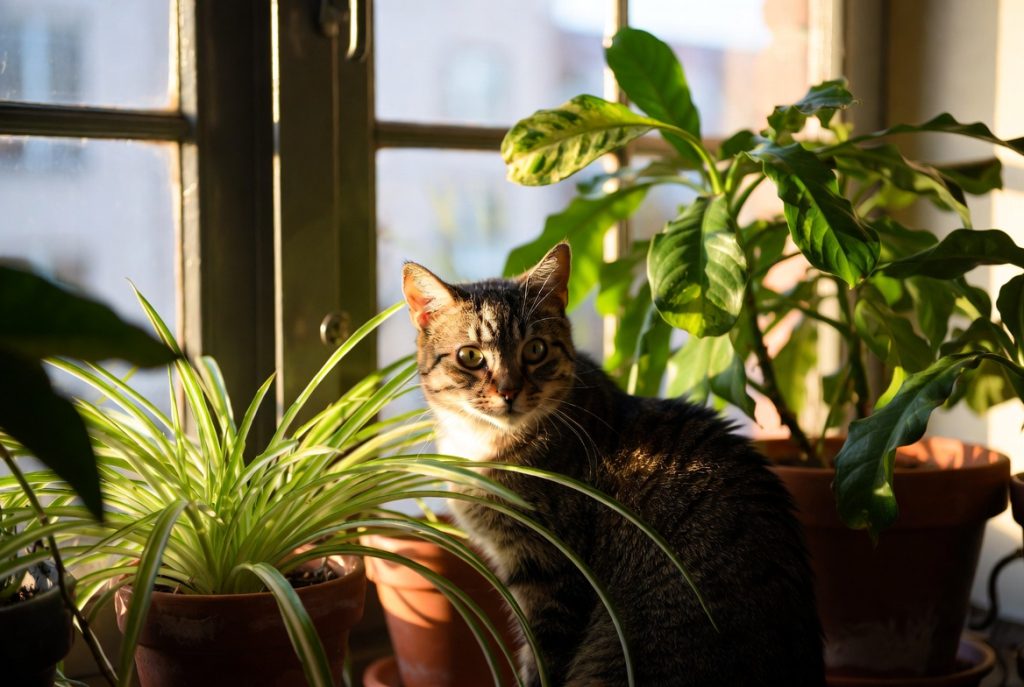
The relationship between spider plants and cats is one of the most captivating dynamics in the world of indoor gardening. If you are a cat owner, you have likely witnessed your feline friend stalking your Chlorophytum comosum as if it were prey, or perhaps you’ve caught them nibbling on the long, grass-like leaves. This behavior often leads to immediate panic for pet parents who are well aware that many common houseplants—like lilies or sago palms can be fatal to animals.
Fortunately, the spider plant is a rare exception in the tropical plant world, offering a safe way to bring nature indoors without endangering your pets. However, the “obsession” cats have with this specific plant goes deeper than just simple curiosity. Understanding the biological and chemical reasons behind this attraction is key to managing a pet-friendly home. This guide provides a comprehensive look at the safety profile of spider plants and how to handle a cat that won’t stop snacking on your greenery.
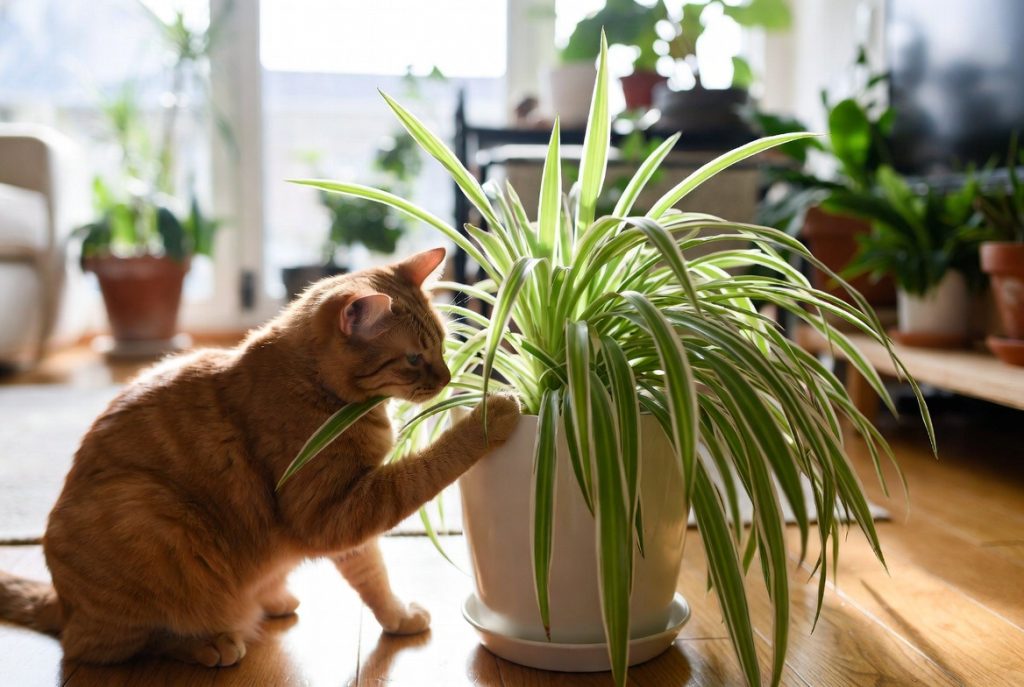
The Botanical Safety Profile
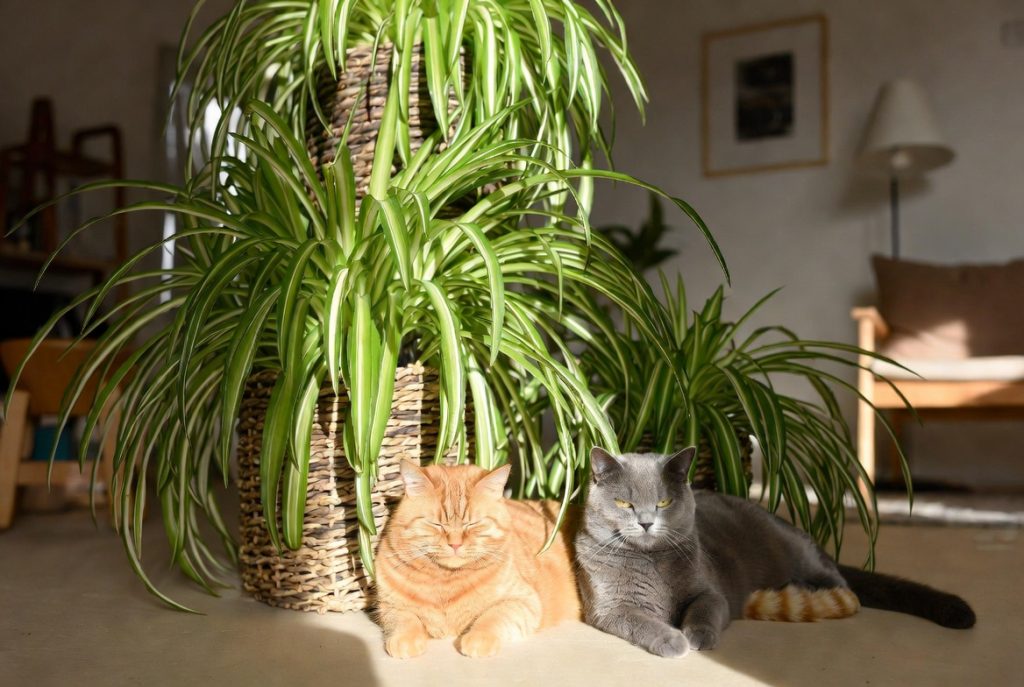
The most critical piece of information for any pet owner is the toxicity level. According to the ASPCA (American Society for the Prevention of Cruelty to Animals), spider plants are officially classified as non-toxic to cats. Unlike many other decorative species, they do not contain insoluble calcium oxalate crystals, which cause mouth swelling, or systemic poisons that affect the kidneys or heart. This makes them an ideal “starter plant” for a household where curious paws and mouths are always exploring.
1. The Opium-Like Euphoric Effect
One of the most fascinating reasons cats love spider plants is the presence of mild chemical compounds that are structurally similar to opium. While not harmful or addictive in the way human drugs are, these compounds can produce a mild hallucinogenic or “high” effect in felines. If your cat acts a bit euphoric, hyperactive, or unusually relaxed after a nibble, they are likely experiencing this temporary chemical buzz.
2. Instinctual Attraction to Leaf Movement
Beyond the chemical high, the physical architecture of the spider plant is designed to trigger a cat’s predatory instincts. The long, thin leaves move with the slightest breeze, mimicking the movement of grass or a bird’s tail. When the plant produces “spiderettes” (the small baby plantlets that dangle from long stems), they act as high-velocity cat toys that are almost impossible for a feline to ignore.
3. Digestive Sensitivity and Cellulose
While the plant is non-toxic, cats are obligate carnivores. Their stomachs are not evolved to break down high-fiber plant cellulose. If a cat eats a large quantity of spider plant leaves, it is very common for them to vomit shortly after. This is rarely a sign of poisoning; rather, it is a mechanical process where the stomach expels the indigestible fiber to prevent a blockage.
4. Recognizing Symptoms of Over-Indulgence
If your cat has consumed a significant portion of your spider plant, monitor them for the following:
- Mild vomiting or retching
- Loose stools
- Slight lethargy after the initial “high” wears off These symptoms usually resolve on their own within a few hours. However, if your cat stops eating their regular food or shows signs of extreme distress, a vet visit is recommended to rule out an underlying allergy or a physical obstruction.
5. The Threat of Pesticides and Fertilizers
A “safe” plant can become dangerous due to human intervention. Many gardeners use synthetic fertilizers or systemic pesticides that are absorbed into the plant’s leaves. If your cat eats a leaf treated with these chemicals, they can be poisoned. To maintain a truly cat-friendly environment, use only organic, OMRI-certified fertilizers and avoid all chemical “leaf shiners.”
6. Using Vertical Space for Protection
Since the plant is safe for the cat but the cat is destructive to the plant, the best solution is elevated styling. Spider plants are traditionally grown in hanging baskets, which is perfect for pet owners. By hanging the plant from a ceiling hook or a high wall bracket, you keep the tempting “spiderettes” out of jumping range while still allowing the plant to trail beautifully.
7. Redirecting Behavior with Cat Grass
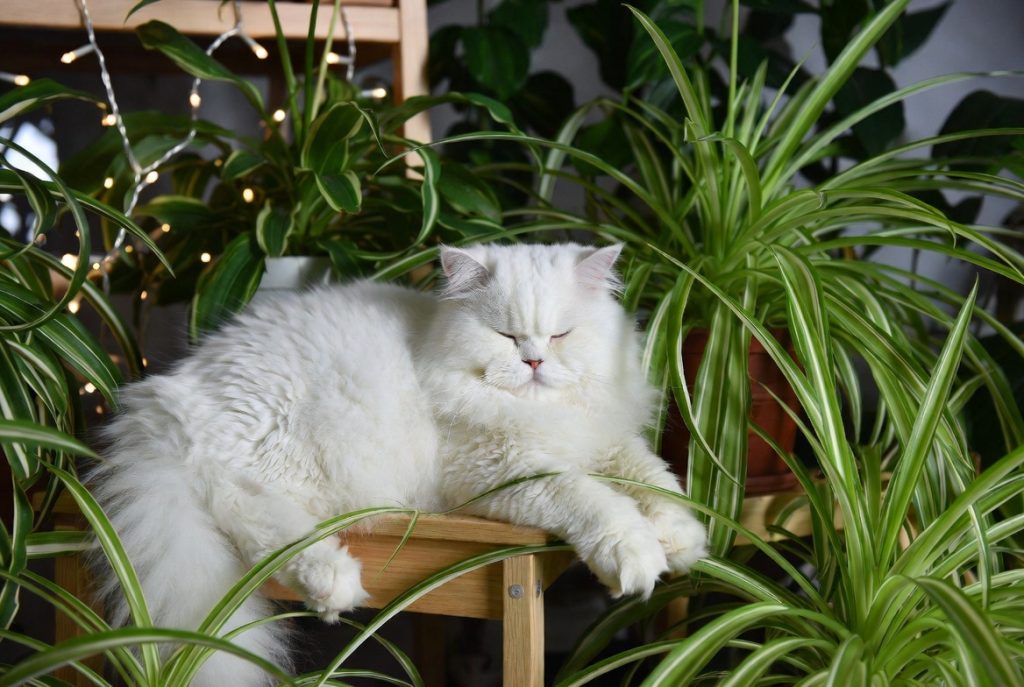
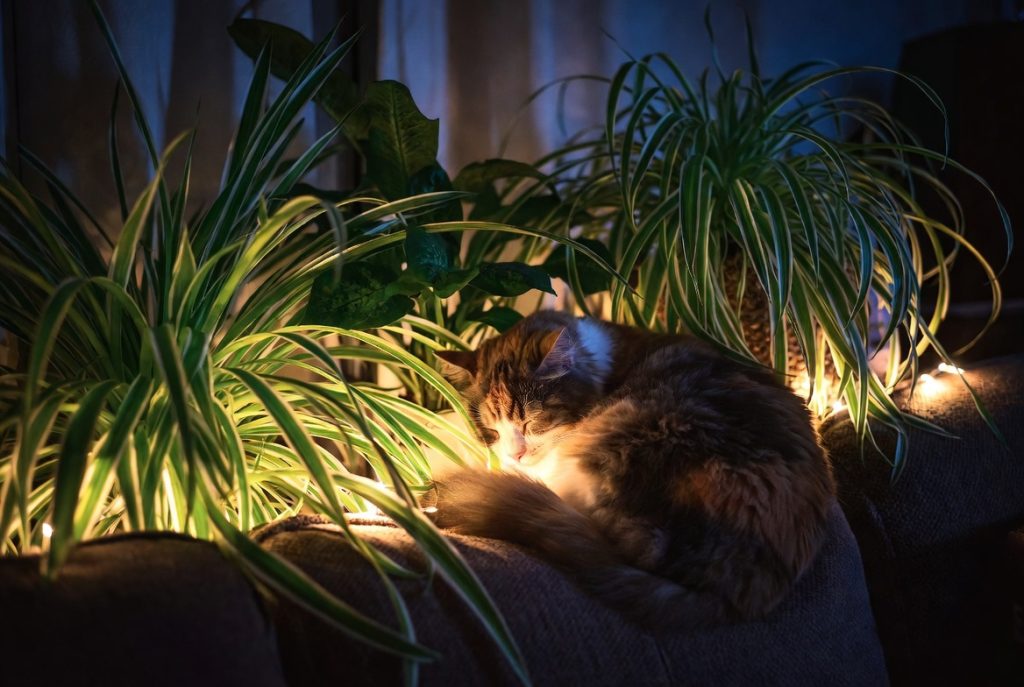
If your cat is constantly hunting your houseplants, they may be craving the folic acid or digestive aid that fresh greens provide. Try growing a dedicated pot of wheatgrass or oat grass (commonly sold as “Cat Grass”). Most cats will prefer the sweet, soft texture of cat grass over the slightly bitter spider plant, which helps protect your decorative foliage.
8. Mechanical Throat Irritation
The long, slender leaves of a spider plant can occasionally cause mechanical irritation in a cat’s throat or esophagus. If a cat swallows a leaf whole, the “saw-tooth” texture of the leaf edges can cause minor scratching or gagging. If your cat is coughing persistently after eating a plant, offer them some water or a small amount of wet food to help clear the throat.
9. Air Purification Benefits for Pets
There is a major benefit to keeping spider plants and cats in the same home: air quality. Cats are often more sensitive than humans to airborne toxins like formaldehyde and xylene, which can be found in household cleaners and furniture. Spider plants are world-class air purifiers that help create a cleaner, safer respiratory environment for your pets.
10. Managing the “Spiderettes.”
The baby plantlets are the most vulnerable part of the plant. Because they are tender and move easily, they are the first thing a cat will target. If you are trying to grow new plants from these babies, keep the mother plant in a restricted room (like a home office or bathroom) until the babies have been clipped and safely rooted in a protected area.
11. Using Natural Taste Deterrents
If you cannot move the plant to a high location, you can make the plant taste bad to your cat. Bitter apple spray or a very light dusting of cinnamon on the leaves can discourage chewing. These substances are generally harmless to the plant but will quickly teach your cat that the spider plant is not a tasty snack.
12. Identifying Allergic Reactions
In very rare cases, an individual cat may be allergic to the Chlorophytum comosum. Signs of an allergy include swelling of the paws or face, hives, or excessive scratching. If you see these signs after your cat has been near the plant, remove the plant immediately and consult your veterinarian for an antihistamine recommendation.
Conclusion
The verdict on spider plants and cats is overwhelmingly positive. As one of the few truly non-toxic architectural plants available, it is a fantastic choice for any cat lover. While the plant’s mild hallucinogenic properties and dangling “spiderettes” might make it a target for feline mischief, the risks are minimal and easily managed with smart styling and organic care. By keeping your plants high and providing safe alternatives like cat grass, you can enjoy a lush, green home that is perfectly safe for your favorite feline.
FAQs
1. Is the “high” from spider plants dangerous for cats?
No, it is a mild, temporary effect similar to catnip and does not have long-term health consequences.
2. Can spider plants cause permanent kidney damage in cats?
Spider plants do not contain the toxins that lead to kidney failure. They are much safer than lilies.
3. Why does my cat only eat the tips of the leaves?
The tips are the easiest to reach and have a texture that is very satisfying for a cat to chew on.
4. Are the variegated (striped) spider plants safe too?
Yes, all varieties of Chlorophytum comosum are non-toxic to cats.
5. Should I stop my cat from eating the plant if they aren’t getting sick?
While not toxic, it’s best to discourage the habit to protect the plant’s health and to prevent potential choking on long leaves.
6. Is it safe to use tap water on spider plants if my cat drinks from the saucer?
Spider plants are sensitive to fluoride in tap water. It won’t hurt your cat, but it might turn the leaf tips brown.
7. Can kittens eat spider plants?
Kittens have sensitive stomachs, so while it isn’t toxic, it is more likely to cause vomiting in young cats.
8. Are spider plant flowers poisonous?
No, the small white flowers are also considered safe and non-toxic.
9. How do I know if my cat is “high” or actually sick?
A “high” cat will be playful or euphoric. A sick cat will be lethargic, hide, or refuse food.
10. Can I put my spider plant in a terrarium to keep it away from my cat?
Yes, a glass terrarium or a birdcage planter is a very stylish and modern way to protect your plant from a cat.