Indoor plant care is the foundation of successful houseplant growing. Whether you are caring for a single low-light plant in an apartment or managing a collection of tropical houseplants, healthy growth depends on understanding the basics: light, watering, humidity, soil, temperature, and routine maintenance.
Many indoor gardeners struggle because they treat all plants the same way. A succulent, a fern, and a tropical foliage plant have completely different needs. The best results come from learning how plants respond to their environment and adjusting care practices accordingly.
This guide explains how to care for indoor plants properly, why common problems happen, and the practical steps beginners and experienced growers can use to maintain healthier houseplants. You will learn how to create the right growing conditions, identify problems early, and avoid mistakes that commonly lead to yellow leaves, root problems, and slow growth.
Quick Answer: What is the best way to care for indoor plants?
Indoor plant care means providing the correct balance of light, water, humidity, temperature, nutrients, and maintenance based on each plant’s natural growing conditions. The most important habits are choosing the right location, watering only when needed, using suitable soil, and regularly checking plants for signs of stress.
Basic indoor plant care checklist:
- Provide appropriate light based on plant type
- Check soil moisture before watering
- Use pots with drainage holes
- Maintain suitable indoor humidity levels
- Fertilize during active growth periods
- Remove damaged leaves and inspect for pests
- Repot when roots become crowded
Understanding the Basics of Indoor Plant Care
Healthy houseplants need the same essential resources they would receive outdoors: light, water, air exchange, nutrients, and suitable growing conditions. Indoor environments simply require gardeners to recreate those conditions more carefully.
Plants use light energy for photosynthesis, absorb water and minerals through roots, and regulate moisture through their leaves. When one part of this system becomes unbalanced, problems appear. For example, a plant receiving insufficient light may grow slowly, while overwatering can damage roots and prevent oxygen from reaching them.
The best indoor gardening approach is observation. Instead of following a strict watering schedule, learn to read signs such as soil dryness, leaf position, and growth patterns.
Common beginner mistakes include:
- Watering plants because the calendar says it is time
- Placing plants based only on decoration needs
- Using pots without drainage
- Assuming yellow leaves always mean a lack of water
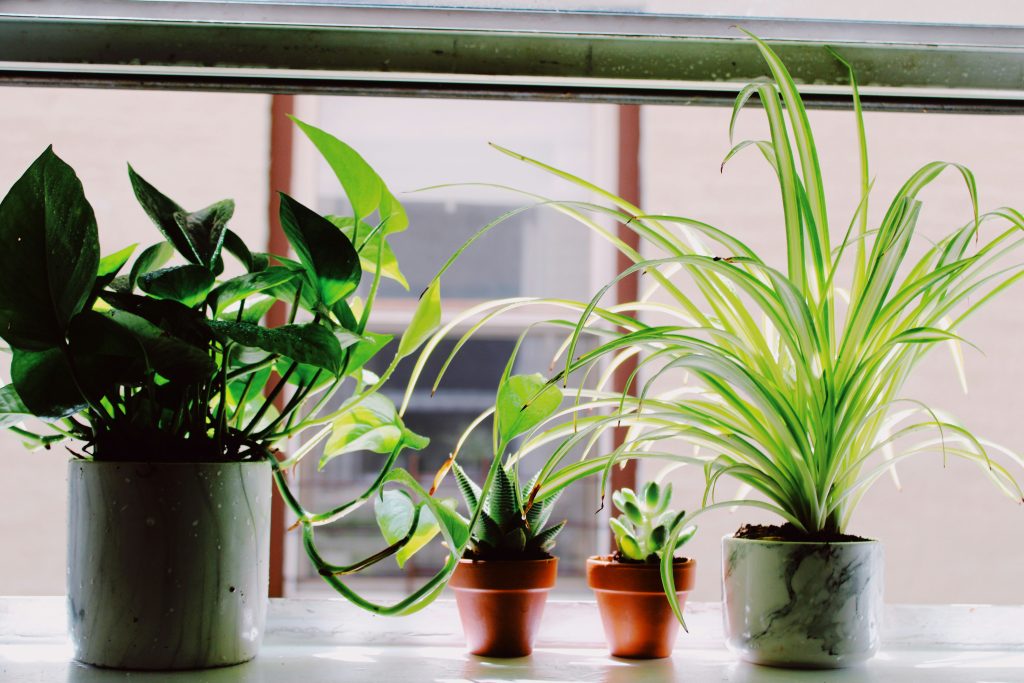
Indoor Plant Care Requirements: Light, Water, Humidity, and Temperature
The right environment is the foundation of successful indoor plant care. Most houseplant problems are caused by incorrect growing conditions rather than a lack of fertilizer or special products.
| Growing Factor | Recommended Indoor Conditions | Signs of Problems |
|---|---|---|
| Light | Bright indirect light for many foliage plants | Pale leaves, weak growth, stretching |
| Water | Water when the top soil layer dries | Wilting, yellow leaves, root issues |
| Humidity | Moderate humidity, especially for tropical plants | Brown leaf edges, crispy leaves |
| Temperature | Usually 65–80°F for common houseplants | Leaf drop, slowed growth |
| Soil | Well-draining mix suited to plant type | Poor drainage, root stress |
Light requirements for indoor plants
Light is the energy source behind plant growth. A plant placed too far from a window may survive but produce weak, stretched growth because it cannot generate enough energy.
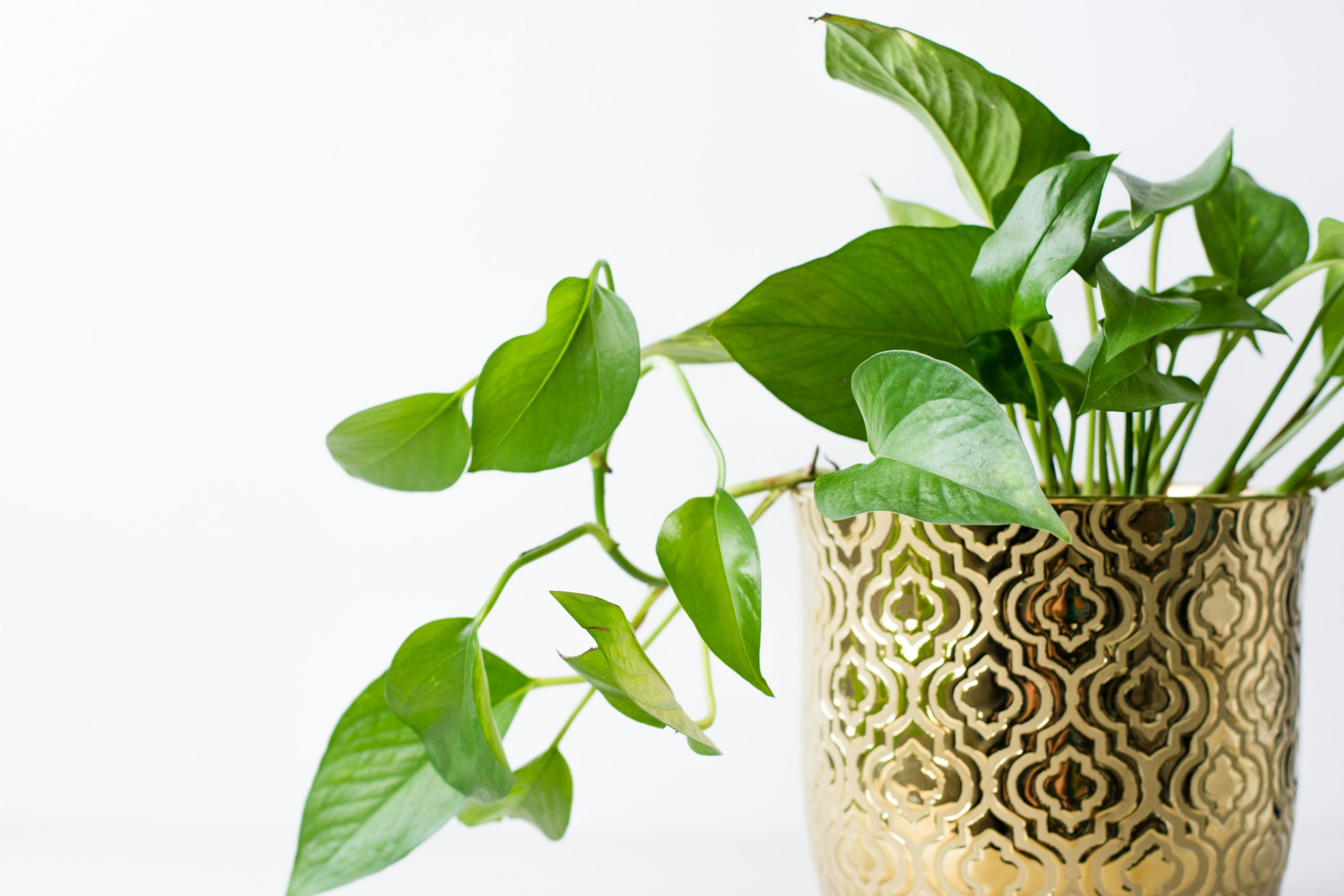
Bright indirect light works well for many popular houseplants, including Monstera, pothos, and many philodendrons. Plants with thick leaves, such as succulents, generally need stronger light.
If natural light is limited, grow lights can supplement available sunlight. However, intensity, duration, and distance all matter.
Watering indoor plants correctly
Watering is one of the biggest challenges in indoor gardening. Overwatering is often more harmful than underwatering because constantly wet soil reduces oxygen around roots and encourages root rot.
Check the top inch or two of soil before watering. If it feels dry, many plants are ready for water. Avoid small frequent watering that only moistens the surface.
[PHOTO: Close-up image showing soil moisture check before watering houseplants]
How to Choose the Right Soil and Containers for Indoor Plants
A quality indoor potting mix should provide moisture balance, airflow, drainage, and nutrients. Containers must have drainage holes whenever possible.
| Mistake | Why It Causes Problems | Better Approach |
|---|---|---|
| Oversized pots | Soil stays wet too long | Increase pot size gradually |
| No drainage holes | Water accumulates | Use drainage containers |
| Garden soil indoors | Poor airflow | Use potting mix |
| Root-bound plants | Limits growth | Repot when needed |
Fertilizing Indoor Plants
Indoor plants need nutrients because container soil is limited. Feed during active growth (spring and summer). Avoid overfertilizing, which can damage roots and cause leaf burn.
Indoor Plant Problems: Common Signs and Solutions
| Symptom | Likely Cause | Solution |
|---|---|---|
| Yellow leaves | Overwatering or low light | Adjust watering and lighting |
| Brown tips | Low humidity | Increase moisture in air |
| Drooping leaves | Water stress | Check soil conditions |
| Slow growth | Low light | Improve placement |
| Small insects | Pest issue | Isolate and treat plant |
What Most Guides Get Wrong About Indoor Plant Care
Many guides overemphasize watering schedules. Plants respond to environment, not calendars. Light is often more important than fertilizer or watering frequency.
Common Misconceptions
- More water = faster growth (false)
- All plants need same care (false)
- Yellow leaves always mean nutrient deficiency (false)
Advanced Indoor Plant Care Tips
- Rotate plants for even growth
- Clean leaves for better light absorption
- Inspect regularly for early pest detection
- Match plants to your home environment
Troubleshooting Guide
Yellow leaves
Check watering and drainage first. Adjust light if needed.
Brown edges
Often caused by dry air or inconsistent watering.
Root rot
Caused by overly wet soil. Improve drainage immediately.
Pests
Isolate plant and treat early.
Internal Link Suggestions
- Best Low-Light Indoor Plants for Apartments
- How to Water Houseplants Correctly
- Indoor Succulent Care Guide
- Best Soil Mixes for Container Gardening
- How to Increase Humidity for Houseplants
External Authority References
- University of Minnesota Extension Houseplant care
- Clemson University Cooperative Extension Plant health
- University of Florida IFAS Extension Container gardening
Conclusion
Successful indoor plant care depends on consistency, observation, and environment rather than rigid routines. When you match light, water, and soil to each plant’s needs, most common problems disappear naturally.
Focus on improving conditions rather than reacting to symptoms. Healthy indoor plants come from steady care, not complicated routines. Applying these principles will help you maintain stronger, more resilient houseplants over time.
Once the basics feel easy, learn styling indoor plants to make your display look its best. If you are still choosing plants, start with our guide to the best indoor plants for beginners. If you have plants not growing, check the light and roots first.
FAQs
How often should I water indoor plants?
Watering depends on soil dryness, not a fixed schedule. Most plants prefer watering when the top layer of soil becomes dry. Factors like pot size, light, and humidity all affect timing.
What is the easiest indoor plant to care for?
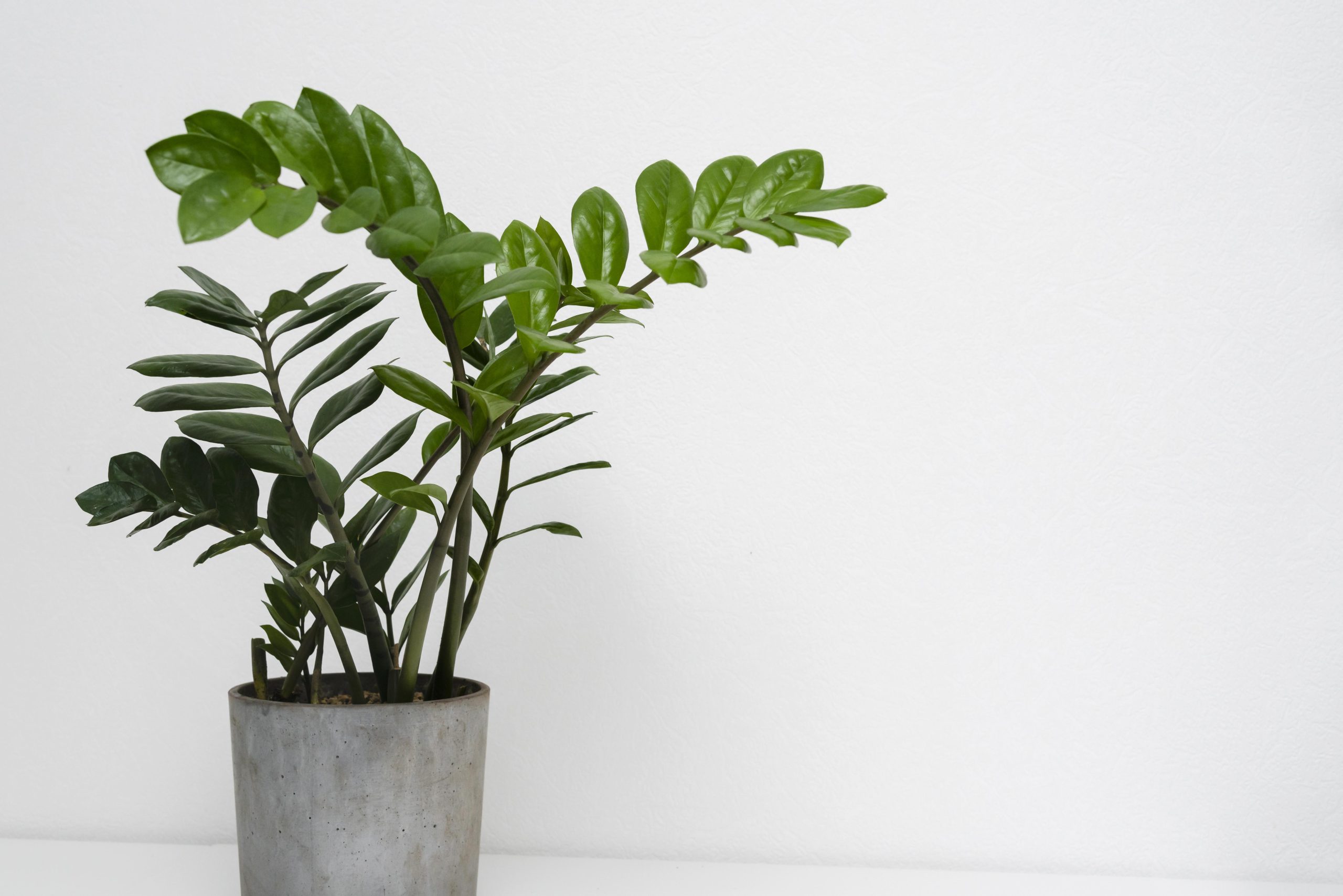
Snake plants, pothos, ZZ plants, and spider plants are among the easiest because they tolerate low maintenance and variable conditions.
Why are my indoor plant leaves turning yellow?
Common causes include overwatering, poor drainage, low light, or natural aging. Checking soil moisture is the first step.
Do indoor plants need direct sunlight?
Most prefer bright indirect light rather than harsh direct sun. Only certain plants like succulents require strong sunlight.
How can I improve indoor plant growth?
Improve lighting, maintain proper watering, use quality soil, and clean leaves regularly for better photosynthesis.