The fiddle leaf fig tree (Ficus lyrata) is the ultimate statement piece in the world of interior design. Characterized by its massive, violin-shaped, waxy leaves and an upright, architectural growth habit, this plant has become a staple for homeowners looking to add a touch of tropical elegance to their living spaces. While it has a reputation for being somewhat “finicky,” understanding the specific biological needs of the fiddle leaf fig tree is the key to transforming it from a struggling specimen into a lush, towering masterpiece.
Understanding the Origin of the Fiddle Leaf Fig Tree
To master the care of this species, one must first understand its native habitat. The fiddle-leaf fig tree is indigenous to the lowland tropical rainforests of Western Africa. In the wild, these trees can grow up to 40 or 50 feet tall, competing for sunlight beneath the canopy. This means they are biologically programmed for high humidity, consistent warmth, and very bright, filtered light. When we bring them into our homes, we are essentially trying to replicate a tropical jungle environment inside a four-walled room.
1. Optimal Lighting Requirements
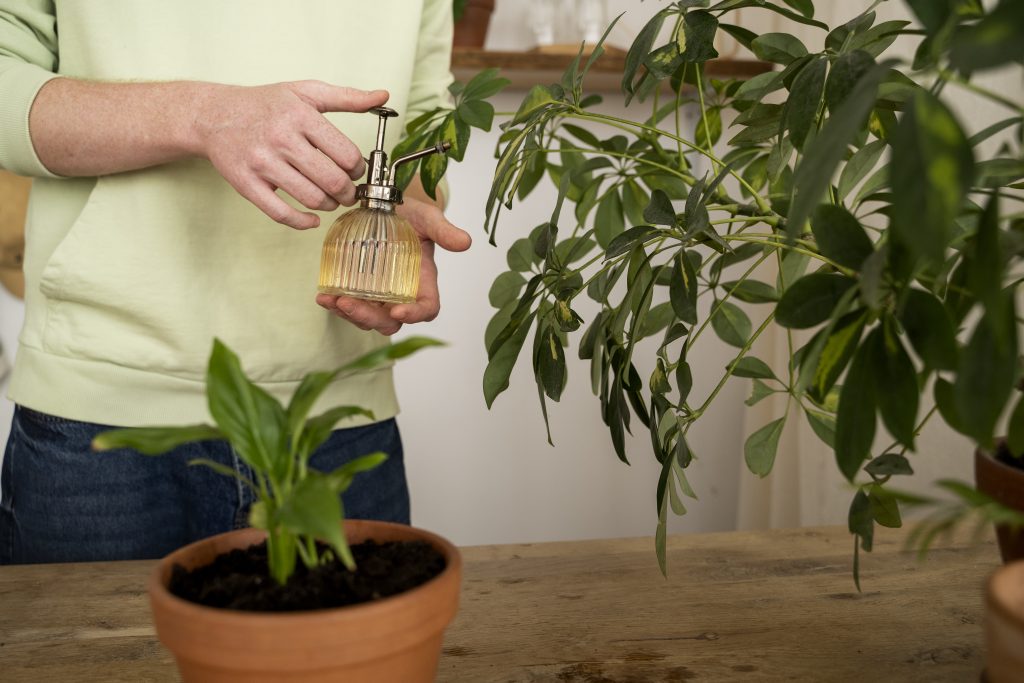
Light is the single most important factor for the survival of a fiddle leaf fig tree. Without enough light, the plant cannot support its massive leaves, leading to “dropping,” where the plant sheds its lower leaves to conserve energy.
The ideal placement is in front of a large, unobstructed window that receives bright, indirect light. An East-facing window is often the “Goldilocks” spot, providing gentle morning sun without the harsh, scorching heat of the afternoon. If you have a south- or west-facing window, place the tree about 3 to 5 feet back or use a sheer curtain to filter the rays. If the leaves develop brown, crispy patches in the center, it is likely getting too much direct sun; if the new leaves are small and the plant isn’t growing, it needs more light.
2. The Golden Rule of Watering
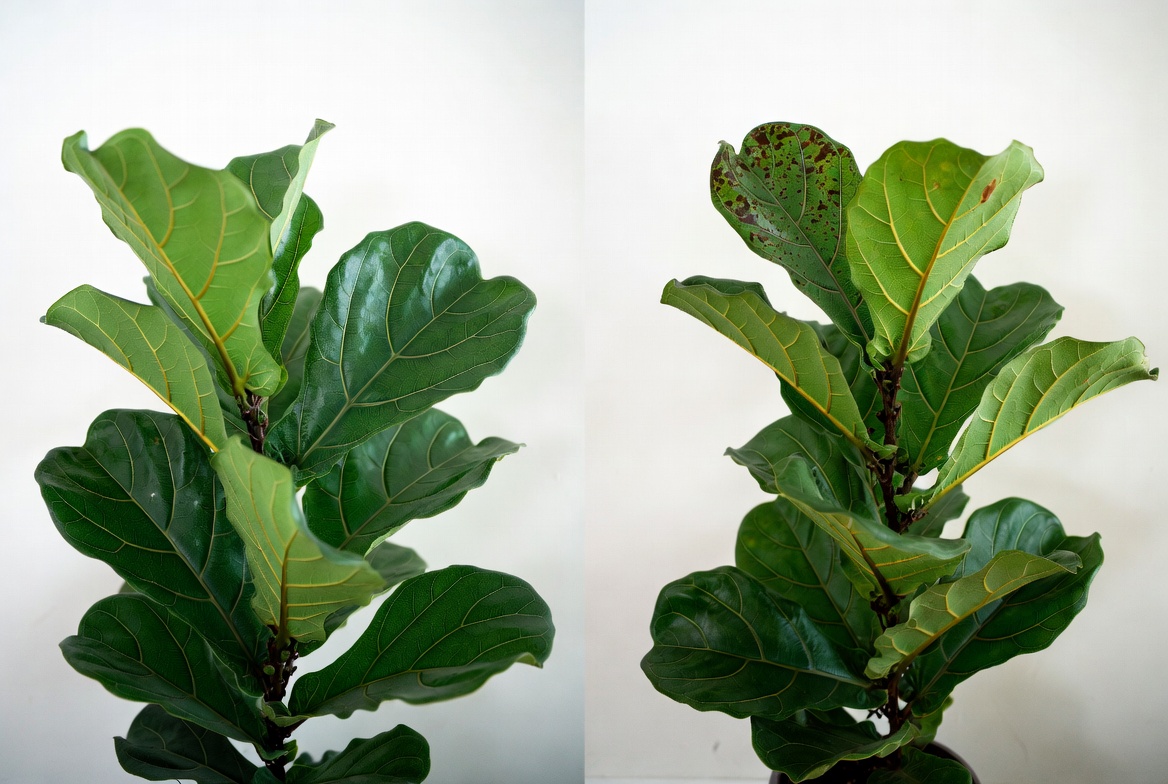
Watering a fiddle leaf fig tree is a balancing act. They hate “wet feet” (sitting in water), but they also dislike being bone-dry for too long. Overwatering is the most common cause of death, leading to root rot, which manifests as dark brown or black spots starting at the edges of the leaves.
The Method: Only water when the top 2 to 3 inches of soil feel dry to the touch. When you water, do so thoroughly until water flows freely out of the drainage holes. This ensures the entire root system is hydrated and prevents the buildup of mineral salts. Always discard any standing water left in the saucer after 15 minutes.

3. Humidity and Temperature Control
In your home, the air is likely much drier than the African rainforest. A fiddle-leaf fig tree thrives in 30% to 65% humidity. If your home is very dry, especially during winter when heaters are on, the edges of the leaves may turn brown and brittle.
To combat this, use a humidifier nearby or group your fiddle leaf with other indoor plants to create a humid microclimate. Additionally, these trees are extremely sensitive to temperature swings. Keep them away from air conditioning vents, drafty windows, and heaters. They prefer a consistent temperature between 16°C and 24°C.
4. Soil and Potting Essentials
Because these trees are prone to root rot, the soil must be exceptionally well-draining. A typical potting mix is frequently overly dense. Instead, use a high-quality indoor potting soil amended with perlite or orchid bark to increase aeration.
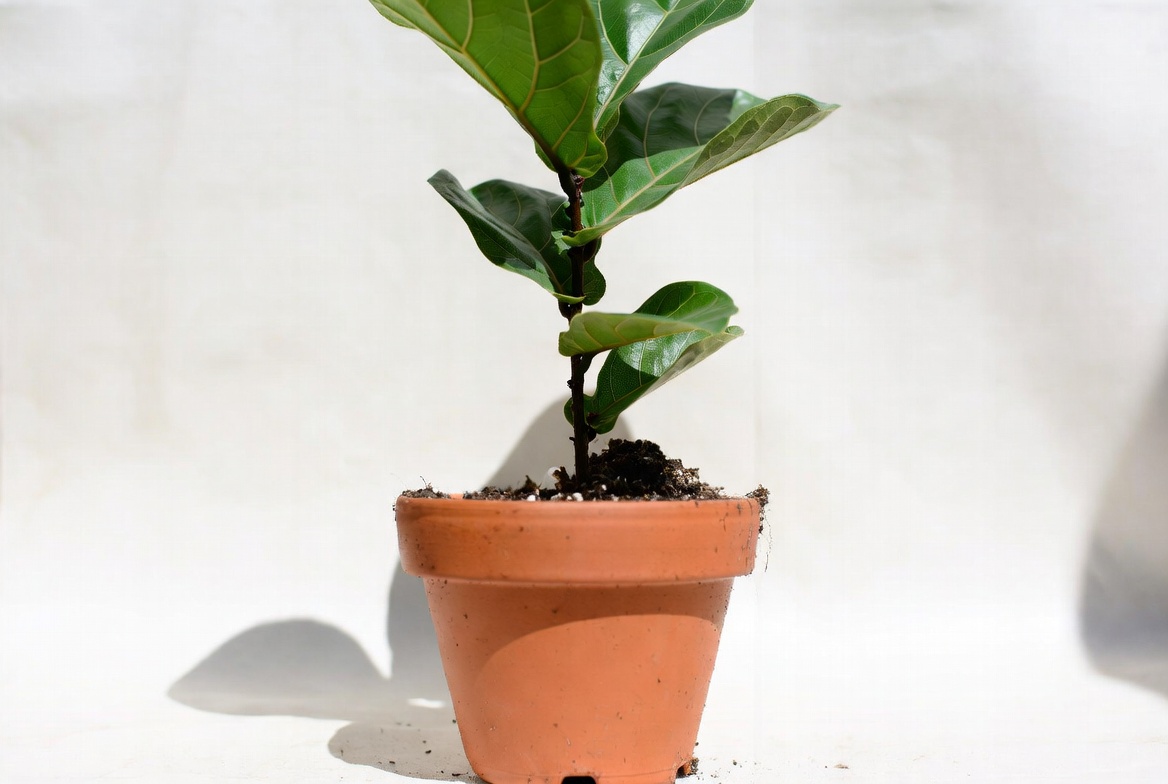
Drainage is a must when it comes to pots. If you have a decorative pot without holes, keep the tree in its plastic nursery pot and place that inside the decorative one. This allows you to take the plant to a sink for watering and ensures no water stays trapped at the bottom of the roots.
5. Cleaning and Leaf Maintenance
Because the leaves of the fiddle leaf fig tree are so large, they act as giant dust magnets. A layer of dust blocks the stomata (pores) and prevents the plant from photosynthesizing efficiently. Every two weeks, take a soft, damp cloth and gently wipe down both the tops and bottoms of the leaves. This not only keeps the plant healthy but also keeps it looking like a high-end decor piece.
6. Fertilizing for Growth
During the growing season (spring and summer), your fiddle leaf fig tree is working hard to produce those iconic large leaves. Feed it once a month with a high-nitrogen liquid fertilizer formulated specifically for Ficus species. Always follow the package instructions and never fertilize in the winter when the plant is dormant, as this can lead to nutrient burn.


7. Pruning and Shaping
To maintain the “tree” look, you will eventually need to prune. If your plant becomes too tall or “leggy” (long stems with few leaves), you can cut the top of the main trunk. This will encourage the tree to “branch out” and create a fuller, bushier canopy. Always use sharp, sterilized shears, and be aware that the plant will bleed a milky white sap (latex), which can be irritating to the skin and toxic to pets.
8. Troubleshooting Common Issues
- Brown Spots on Leaf Edges: This is usually a sign of underwatering or low humidity.
- Brown/Black Spots in the Center: This is a classic sign of root rot from overwatering.
- Yellowing Leaves: This often indicates a lack of nutrients or a sudden change in environment.
- Dropping Green Leaves: This is a sign of shock. Did you just move the plant? Did it get hit by a cold draft? Fiddles hate being moved!
9. Propagation Techniques
Propagating a fiddle-leaf fig tree is most successful via stem cuttings. Cut a healthy branch with at least two leaves, remove the bottom leaf, and place the stem in a jar of clean water in a bright spot. Change the water every few days. Once roots reach about 2 inches, you can transplant them into a small pot with well-draining soil.
10. Dealing with Pests
Keep an eye out for spider mites, which look like tiny webs on the undersides of leaves, and scale insects, which look like small brown bumps on the stems. If you find them, treat the plant immediately with neem oil or an insecticidal soap. Regular leaf cleaning is the best way to prevent these pests from ever taking hold.
Conclusion
The fiddle-leaf fig tree is a rewarding challenge for any indoor gardener. While it demands consistency in light, water, and temperature, the payoff is a stunning, living sculpture that brings life to any room. By treating it as a tropical guest and respecting its need for stability and drainage, you can enjoy a healthy, thriving Ficus for many years.
If you spot brown spots on leaves, our troubleshooting guide explains what each type means. For step by step help with fiddle leaf fig propagation, see our dedicated guide. You may also enjoy our notes on ficus Audrey care, a close relative that many growers find easier.
FAQs
1. Why is my fiddle leaf fig dropping leaves?
The most common reasons are sudden environmental changes (moving the plant), cold drafts, or severe overwatering/underwatering.
2. How fast does a fiddle leaf fig tree grow?
With perfect light and care, they can grow 1 to 2 feet per year during the growing season.
3. Is the fiddle leaf fig toxic to dogs?
Yes, the milky sap contains calcium oxalate crystals, which are toxic to dogs and cats if chewed or ingested.
4. How do I know when to repot my tree?
When you see roots circling the top of the soil or growing out of the bottom drainage holes, it is time for a pot that is 2 inches wider.
5. Should I mist the leaves?
Misting is not very effective for raising humidity. It is better to use a humidifier or a pebble tray.
6. Can I grow a fiddle leaf fig in low light?
No. They will eventually drop all their leaves and die in low-light conditions. They require bright, indirect light.
7. Why are the new leaves on my tree so small?
Small new growth usually indicates a lack of light or a need for fertilizer during the growing season.
8. What are the red spots on my new fiddle leaf fig leaves?
This is called edema. It happens when the plant takes in water faster than it can use it, causing cells to burst. It usually disappears as the leaf matures.
9. How do I make my fiddle leaf fig branch out?
You can “pinch” or “notch” the stem. Removing the top growing tip (pinching) forces the plant to activate lower buds and grow branches.
10. Can I move my tree outside for the summer?
Yes, but you must acclimate it slowly. Direct outdoor sun will burn leaves that are used to indoor light.