Indoor plants do far more than add greenery to a room. When thoughtfully arranged, they become part of the overall design, softening hard lines, adding texture, improving visual balance, and creating a more welcoming living environment. Learning How to Style Indoor Plants in Modern Living Spaces: 10 Best Creative Ideas can transform ordinary rooms into vibrant, personalized spaces without requiring a major redesign.
Modern interiors often emphasize clean lines, neutral colors, and uncluttered layouts. Plants provide a natural contrast that keeps these spaces from feeling sterile. The key is knowing where to place them, how to combine different sizes and textures, and which containers complement your décor style.
This guide covers practical plant styling techniques, common mistakes, design principles, and creative ideas that work in apartments, condos, and houses alike. Whether you’re decorating a small living room or refreshing an entire home, these strategies can help you create a cohesive, plant-filled space that looks intentional rather than crowded.
Quick Answer Box
How do you style indoor plants in modern living spaces?
The most effective approach combines plants of different heights, textures, and growth habits while matching planters to your décor style. Use floor plants to anchor spaces, shelves for vertical interest, hanging plants to maximize small rooms, and grouped arrangements to create visual impact. Focus on balance, scale, and adequate lighting rather than simply adding more plants.
Quick Styling Checklist
- Choose plants that fit the room’s light conditions
- Use varying plant heights
- Match containers to your interior design style
- Group plants in odd numbers
- Incorporate vertical displays
- Leave negative space between arrangements
- Mix foliage textures and leaf shapes
- Position larger plants as focal points
Why Indoor Plants Work So Well in Modern Design
Indoor plants naturally soften modern interiors by introducing organic shapes, textures, and colors. They create visual contrast against furniture, walls, and architectural elements that often feature straight lines and smooth surfaces.
Many modern living spaces rely heavily on neutral palettes such as white, gray, black, and beige. Green foliage acts as a living accent color that complements virtually every design style. Beyond aesthetics, plants can help rooms feel more inviting and connected to nature.
Comparison Table: Plant Styling Elements
| Design Element | Effect on Room | Best Plant Choice |
|---|---|---|
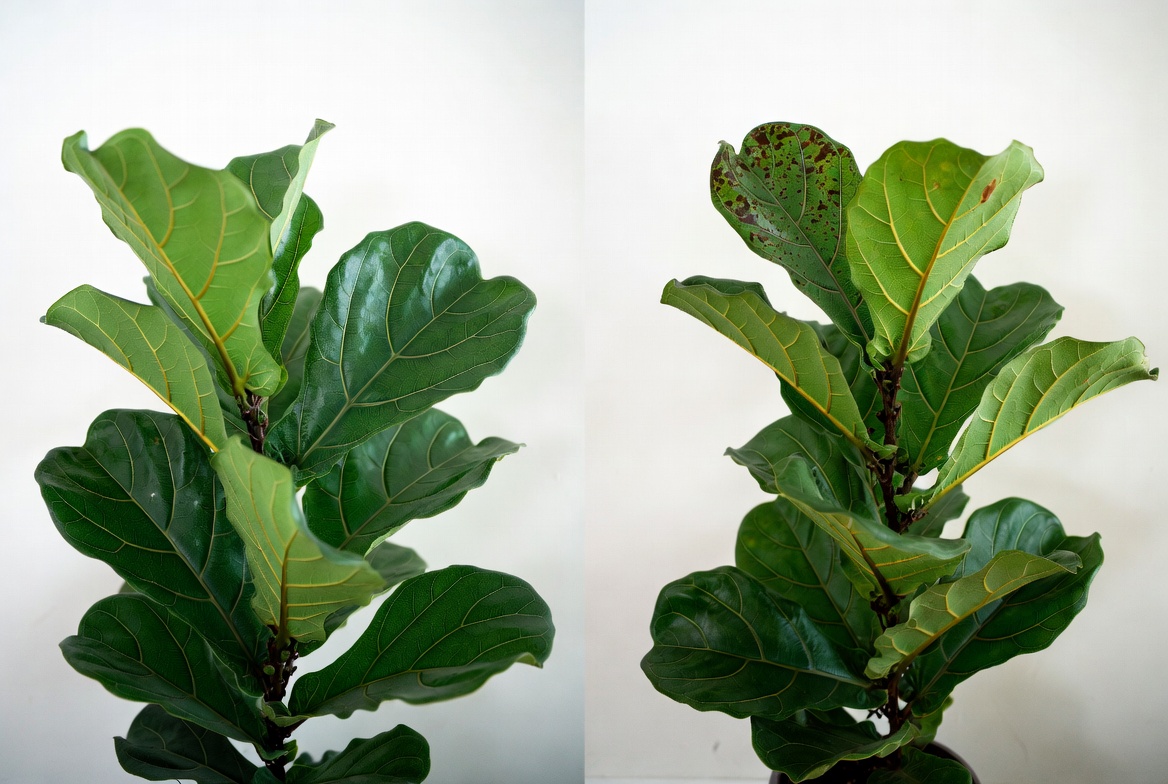
| Tall Structure | Adds height and drama | Fiddle Leaf Fig, Rubber Plant |
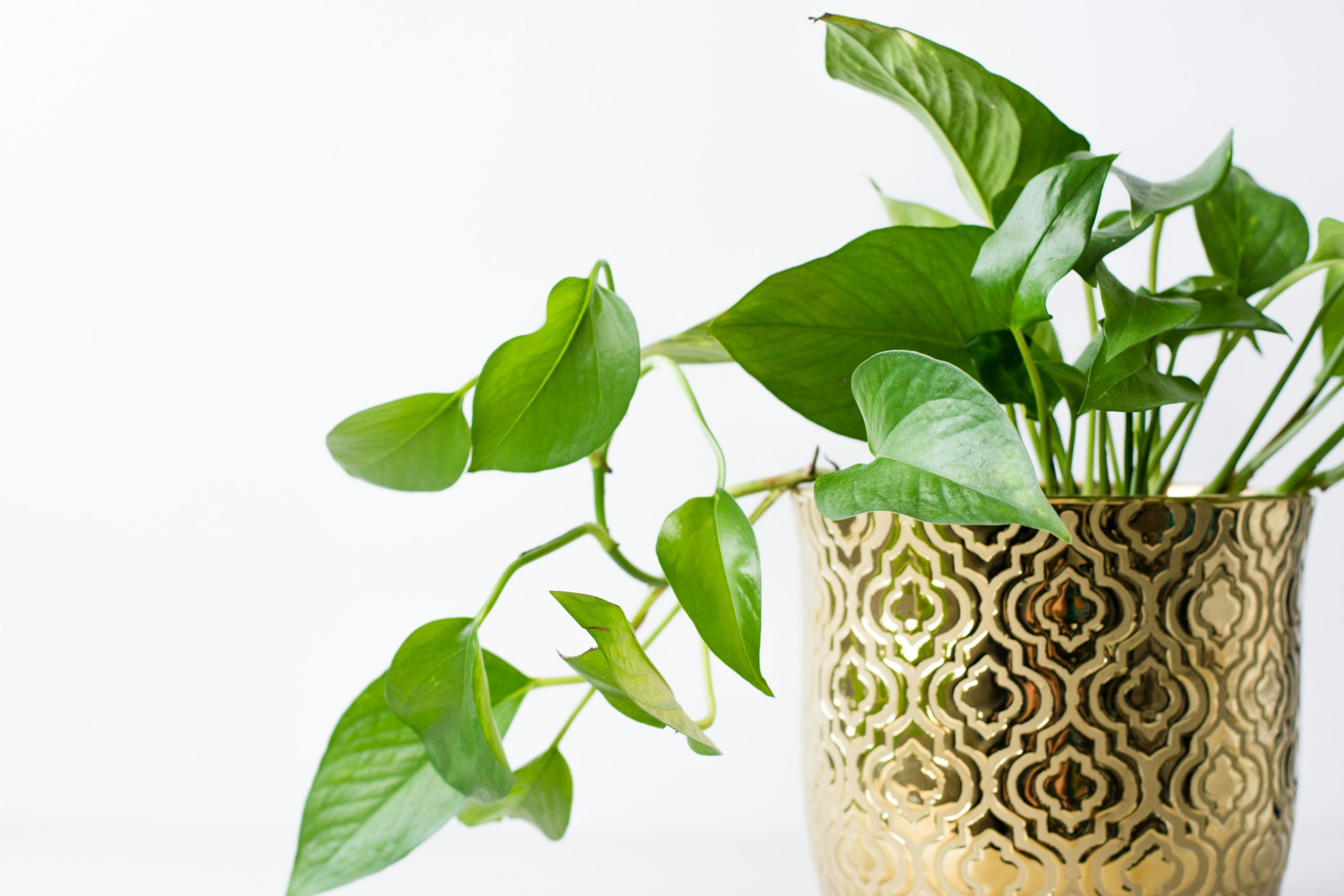
| Cascading Growth | Softens edges | Pothos, String of Pearls |
| Large Leaves | Creates bold focal points | Monstera, Bird of Paradise |
| Fine Texture | Adds visual detail | Ferns, Palms |
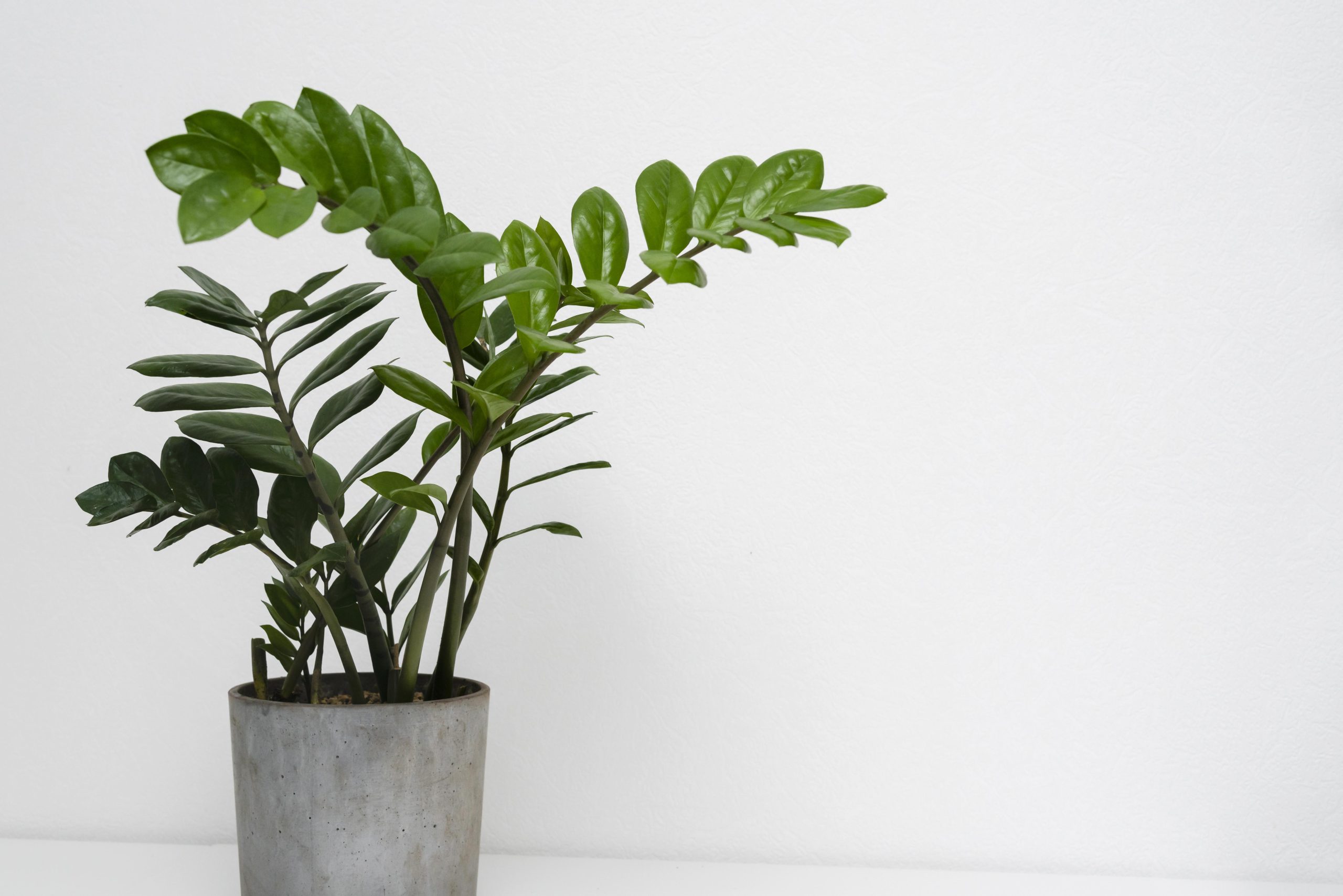
| Upright Growth | Reinforces modern style | Snake Plant, ZZ Plant |
A common mistake is treating plants as isolated decorations. Instead, think of them as design elements that contribute to the room’s overall composition.
How to Style Indoor Plants in Modern Living Spaces Using Layered Heights
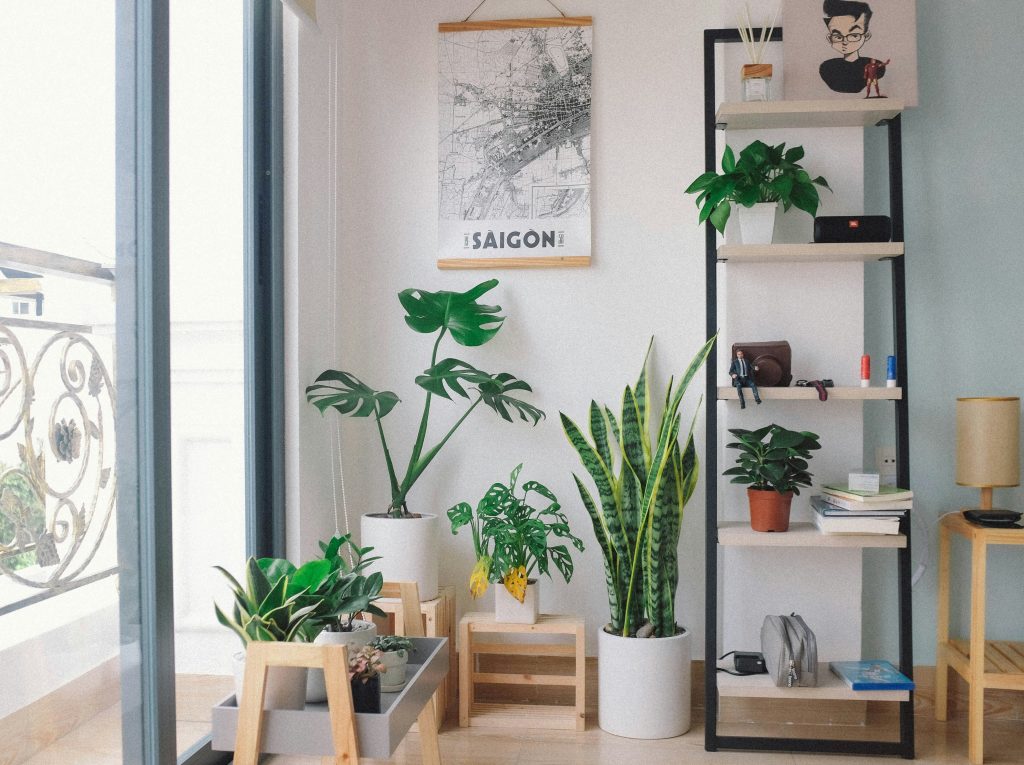
One of the most effective design techniques is creating layers of different plant heights. This approach prevents rooms from appearing flat and adds depth to the overall arrangement.
Start with a tall floor plant that serves as the visual anchor. Add medium-height plants on stands, side tables, or cabinets. Finish with smaller plants on coffee tables, shelves, or windowsills.
A layered arrangement guides the eye naturally around the room. It also mimics how plants grow in nature, making the display feel more organic.
Effective Height Combinations
- Tall plant (4–7 feet)
- Medium plant (2–4 feet)
- Small tabletop plant
- Trailing plant at an elevated position
This method works particularly well in apartments where floor space is limited but vertical space is available.
Create Statement Corners with Large Feature Plants
Large plants can function like living sculptures. A single well-placed specimen often has more visual impact than several small plants scattered throughout a room.
Popular statement plants include:
- Monstera deliciosa
- Rubber Plant
- Bird of Paradise
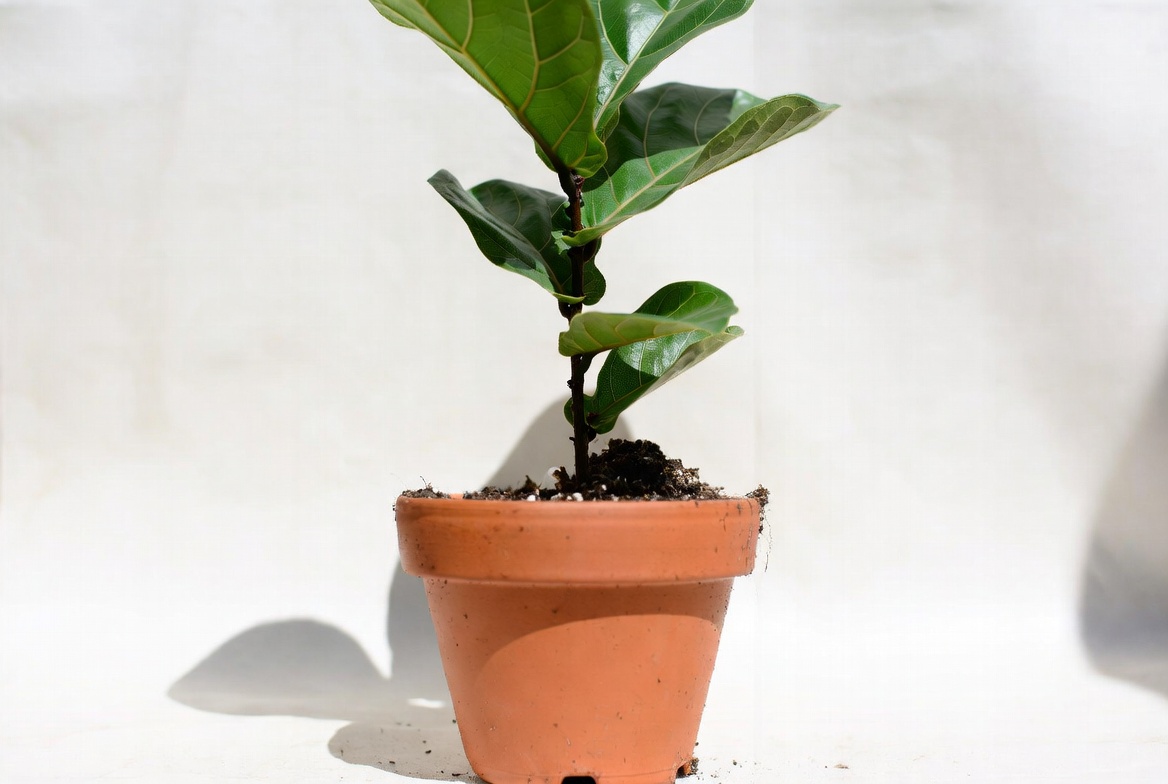
- Fiddle Leaf Fig
- Kentia Palm
Position statement plants near windows where they receive appropriate light. Corners beside sofas, entertainment centers, or reading chairs are often ideal locations.
When styling large plants, resist the temptation to surround them with too many accessories. Negative space helps highlight their shape and structure.
What Most Guides Get Wrong
Many decorating articles encourage filling every empty corner with greenery. In reality, overcrowding can make a room feel cluttered and diminish the impact of individual plants. Strategic placement typically produces stronger visual results than quantity alone.
[PHOTO: Large Monstera serving as a focal point beside a modern sofa]
Use Plant Stands and Shelving for Vertical Interest
Vertical styling maximizes space while creating dynamic displays. Plant stands, floating shelves, wall-mounted planters, and ladder shelves allow you to showcase multiple plants without sacrificing floor space.
This strategy is especially useful in apartments and smaller homes.
Best Vertical Styling Ideas
| Display Method | Best For | Space Requirement |
|---|---|---|
| Floating Shelves | Small plants | Minimal |
| Plant Stands | Medium plants | Low |
| Ladder Shelves | Mixed collections | Moderate |
| Wall Planters | Compact spaces | Minimal |
| Corner Shelving | Multiple plants | Moderate |
Mix upright plants with trailing varieties to create movement and visual variety. Pothos, Heartleaf Philodendron, and String of Hearts work particularly well on shelves.
Avoid placing every plant at the same height. Variation creates a more natural and visually engaging arrangement.
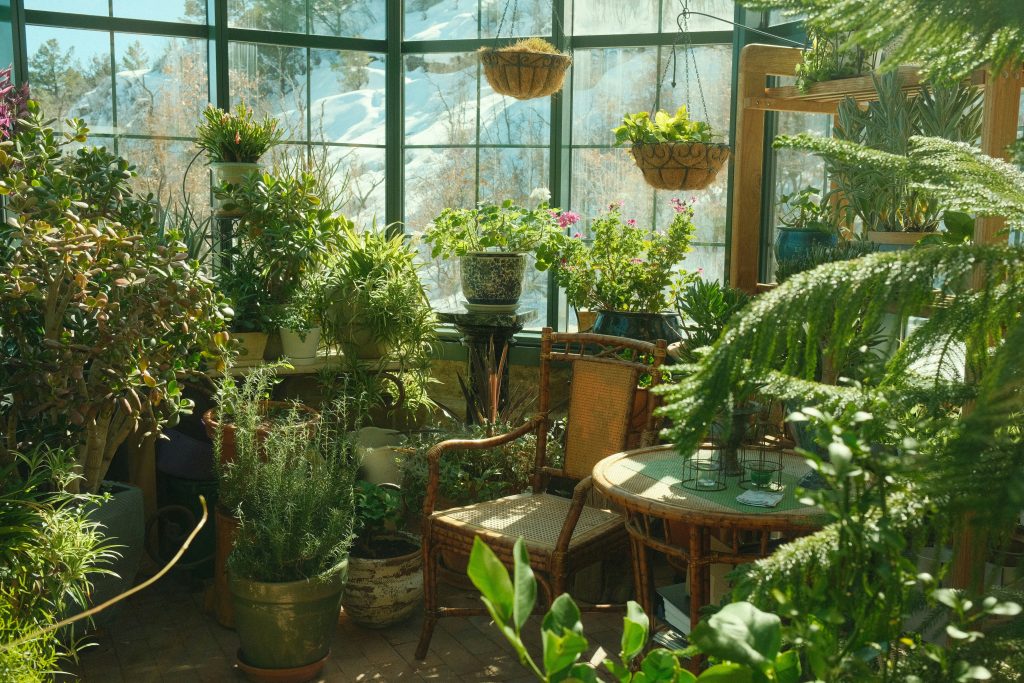
How to Style Indoor Plants in Modern Living Spaces with Coordinated Planters
Planters have a significant influence on the overall appearance of a plant display. Even healthy plants can look disorganized when containers clash with the room’s aesthetic.
For modern interiors, consider:
- Matte ceramic pots
- Concrete planters
- Minimalist white containers
- Black metal planters
- Neutral woven baskets
Consistency often matters more than matching. Containers can vary in size and shape while sharing a similar color palette or material.
Common Misconception
Many people assume every planter must be identical. In practice, subtle variation creates a more collected and sophisticated look. The goal is cohesion, not uniformity.
Choose planter sizes proportional to the plant. Oversized containers can overwhelm smaller plants, while undersized pots may appear unbalanced.
Group Plants Like a Professional Designer
Plant grouping is one of the easiest ways to create visual impact. Clusters often look more intentional than isolated plants spread around a room.
A common design principle is grouping plants in odd numbers:
- Three plants
- Five plants
- Seven plants
Combine plants with different:
- Heights
- Leaf sizes
- Textures
- Growth habits
For example, pair a Snake Plant with a Pothos and a compact ZZ Plant. The contrasting forms create visual interest while maintaining harmony.
Grouping Formula
- One tall plant
- One medium plant
- One trailing plant
This simple combination works in nearly any room.
Incorporate Hanging Plants Without Creating Clutter
Hanging plants add greenery at eye level and above, making rooms feel fuller without occupying valuable floor space.
Best hanging plants include:
- Golden Pothos
- Spider Plant
- String of Pearls
- Heartleaf Philodendron
- Hoya
Position hanging baskets near windows, above reading nooks, or adjacent to shelving units. Allow vines to cascade naturally rather than forcing them into rigid shapes.
The most successful hanging displays complement existing décor rather than dominate it. One or two strategically placed hanging plants often look better than several crowded together.
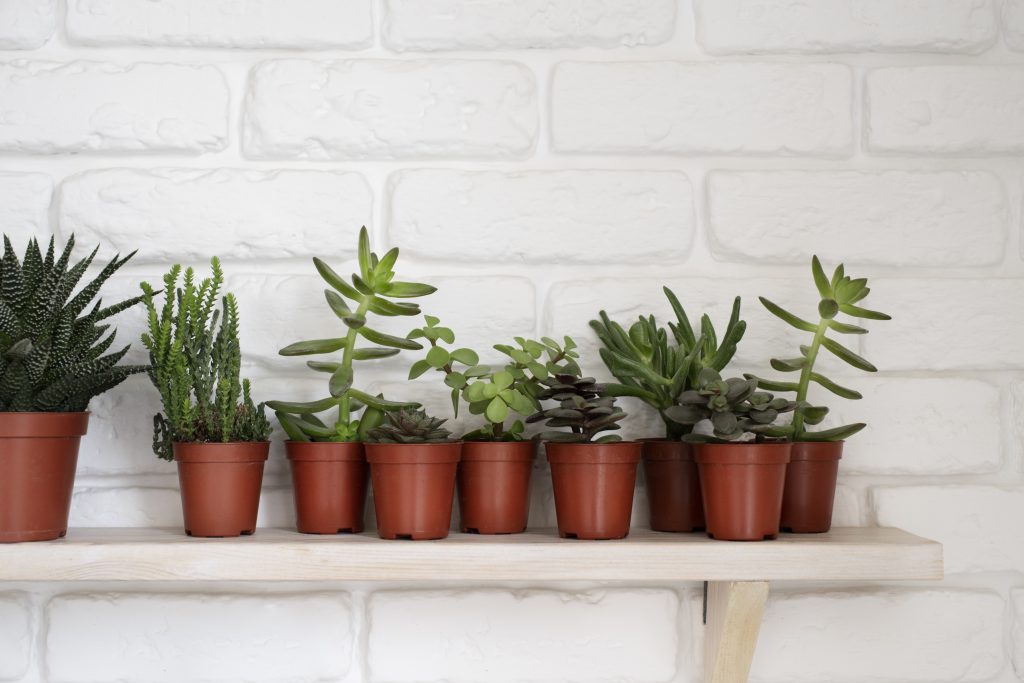
Troubleshooting Common Indoor Plant Styling Problems
Even attractive plants can detract from a room if styling issues develop.
Troubleshooting Table
| Problem | Likely Cause | Solution |
|---|---|---|
| Room feels cluttered | Too many plants in one area | Remove or redistribute plants |
| Plants look random | Lack of visual grouping | Create intentional clusters |
| Display feels flat | Similar heights throughout | Add vertical variation |
| Planters clash | Mixed styles without cohesion | Use a consistent palette |
| Plants appear unhealthy | Poor light placement | Move plants to suitable conditions |
Additional Prevention Tips
- Rotate plants periodically for balanced growth.
- Clean leaves regularly to maintain appearance.
- Replace damaged containers when needed.
- Prune leggy growth that disrupts the display.
Healthy plants always contribute more to design than struggling specimens.
Pro Tips for Elevated Plant Styling
Small design details often separate average plant displays from truly impressive ones.
1. Repeat Colors Strategically
Echo planter colors elsewhere in the room through cushions, artwork, or decorative accessories.
2. Use Lighting as a Design Feature
Accent lighting can highlight statement plants and create dramatic evening effects.
3. Mix Architectural and Soft Forms
Combine structured plants such as Snake Plants with softer species like ferns or trailing vines.
4. Leave Breathing Room
Not every shelf or surface needs a plant. Negative space helps important elements stand out.
These techniques create a curated appearance while maintaining the clean aesthetic associated with modern interiors.
Internal Link Suggestions for Indoor Gardening Living
Suggested related articles or categories:
- Best Low-Light Indoor Plants for Apartments
- How to Water Houseplants Correctly
- Indoor Plant Shelf Ideas for Small Spaces
- Best Houseplants for Living Rooms
- Indoor Plant Lighting Guide
External Authority References
For additional research and horticultural guidance, consult:
- University of Minnesota Extension
- Clemson Cooperative Extension
- North Carolina State Extension
- Missouri Botanical Garden
- Royal Horticultural Society (RHS)
Conclusion
The secret to How to Style Indoor Plants in Modern Living Spaces: 10 Best Creative Ideas is not owning more plants it’s arranging them with intention. Layered heights, coordinated containers, strategic grouping, vertical displays, and carefully chosen focal plants can dramatically improve the appearance of a room while maintaining a clean modern aesthetic.
Focus first on plant placement and proportion, then refine the details with complementary planters and thoughtful spacing. Healthy plants, appropriate lighting, and a balanced layout will always outperform crowded collections or trend-driven displays.
Start with one area of your home, apply a few of these styling principles, and build gradually. Small changes often create the most noticeable improvements.
If you are still deciding what to buy, our guide to choosing indoor plants can help you pick plants that suit your light and space. New to houseplants? Start with beginner plant care so your styled plants stay healthy. For compact homes, see our pick of plants for small apartments that still look full and green.
Frequently Asked Questions
1. What are the best indoor plants for modern living room décor?
Plants with strong architectural forms typically work best in modern interiors. Popular choices include Monstera, Snake Plant, Rubber Plant, ZZ Plant, and Bird of Paradise. These plants provide bold shapes, clean lines, and visual impact while complementing minimalist furniture and contemporary color schemes.
2. How many plants should I have in a living room?
The ideal number depends on room size, available light, and furniture layout. Rather than focusing on quantity, prioritize balance and scale. A few well-placed plants often create a more attractive result than numerous small plants scattered throughout the space.
3. Should indoor plant pots match each other?
Planters do not need to be identical, but they should share a common design element such as color, material, or style. Coordinated containers create visual harmony while still allowing variation and personality within the display.
4. How do I style plants in a small apartment?
Use vertical space whenever possible. Floating shelves, hanging planters, wall-mounted containers, and narrow plant stands maximize greenery without consuming valuable floor area. Choosing compact plants also helps maintain an uncluttered appearance.
5. How can I make indoor plants look more professional in my home?
Focus on plant health, proper placement, and thoughtful grouping. Use containers that complement your décor, vary plant heights, clean foliage regularly, and avoid overcrowding. Professional-looking displays typically emphasize balance, simplicity, and strong focal points rather than large collections.