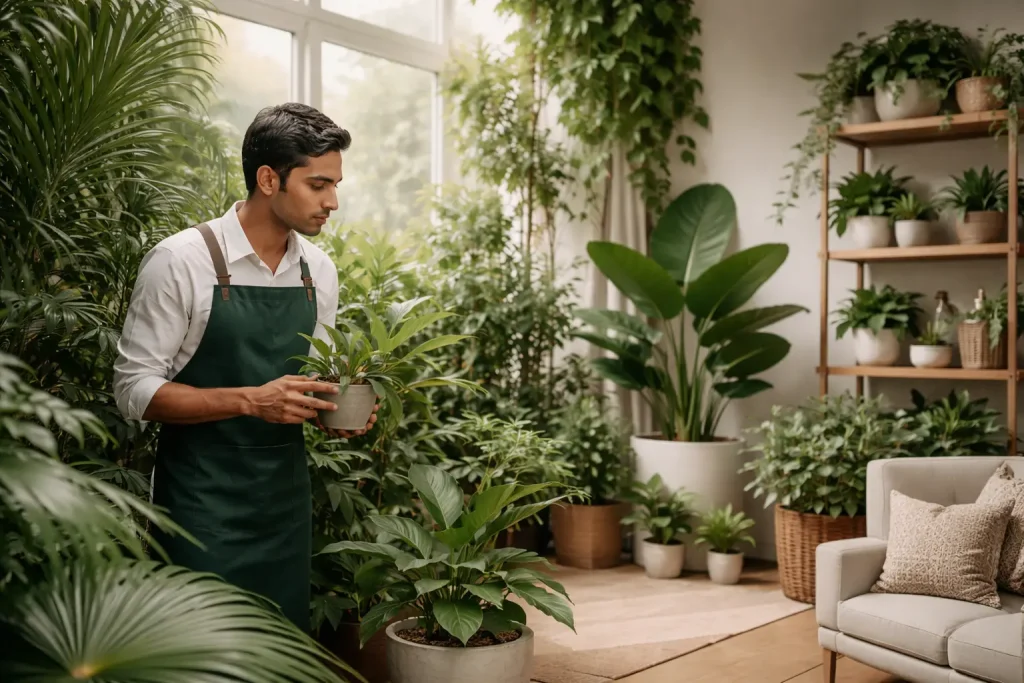
This guide provides a practical, structured approach to indoor plant care, helping you grow healthy, thriving greenery with confidence.
Understanding Light: The Foundation of Plant Health
Light is the single most important factor for indoor plant survival. Without proper light, even the most resilient plants will decline.
Types of Indoor Light
Indirect Bright Light
Near a window where sunlight enters but does not directly hit the leaves.
Medium Light
A few feet away from a bright window.
Low Light
Rooms with minimal natural light but still some ambient brightness.
Common Mistake
Placing all plants in one location without considering their specific light needs.
Watering: The Most Common Beginner Error
Overwatering is the leading cause of plant damage. Most indoor plants prefer slightly dry soil over constantly wet conditions.
How to Water Correctly
Insert your finger 1–2 inches into the soil.
If it feels dry, water thoroughly.
If moist, wait a few more days.
Signs of Overwatering
- Yellow leaves
- Mushy stems
- Soil that smells damp or sour
Soil and Drainage Essentials
Healthy roots require airflow. Without drainage, roots suffocate.
Always Choose Pots With Drainage Holes
This prevents water from collecting at the bottom.
Select Proper Indoor Potting Mix
Avoid using garden soil indoors. Instead, choose well-draining indoor potting blends.
Temperature and Humidity Considerations
Most indoor plants thrive in typical room temperatures between 18–26°C.
Avoid These Conditions
- Direct exposure to air conditioners
- Proximity to heaters
- Sudden temperature changes
Humidity-loving plants such as Peace Lily or Ferns may require occasional misting.
Fertilizing for Sustainable Growth
Plants need nutrients, especially during active growing seasons (spring and summer).
Beginner Fertilizing Rule
Use a balanced liquid fertilizer once a month during growing season.
Reduce feeding during winter months.
Cleaning and Maintenance
Dust accumulation blocks light absorption.
Leaf Cleaning Routine
Wipe leaves gently with a soft, damp cloth once every few weeks.
Pruning
Remove yellow or damaged leaves regularly to encourage healthy growth.
Choosing the Right Plants for Your Lifestyle
Not every plant fits every home. Evaluate your schedule before choosing.
Busy Lifestyle
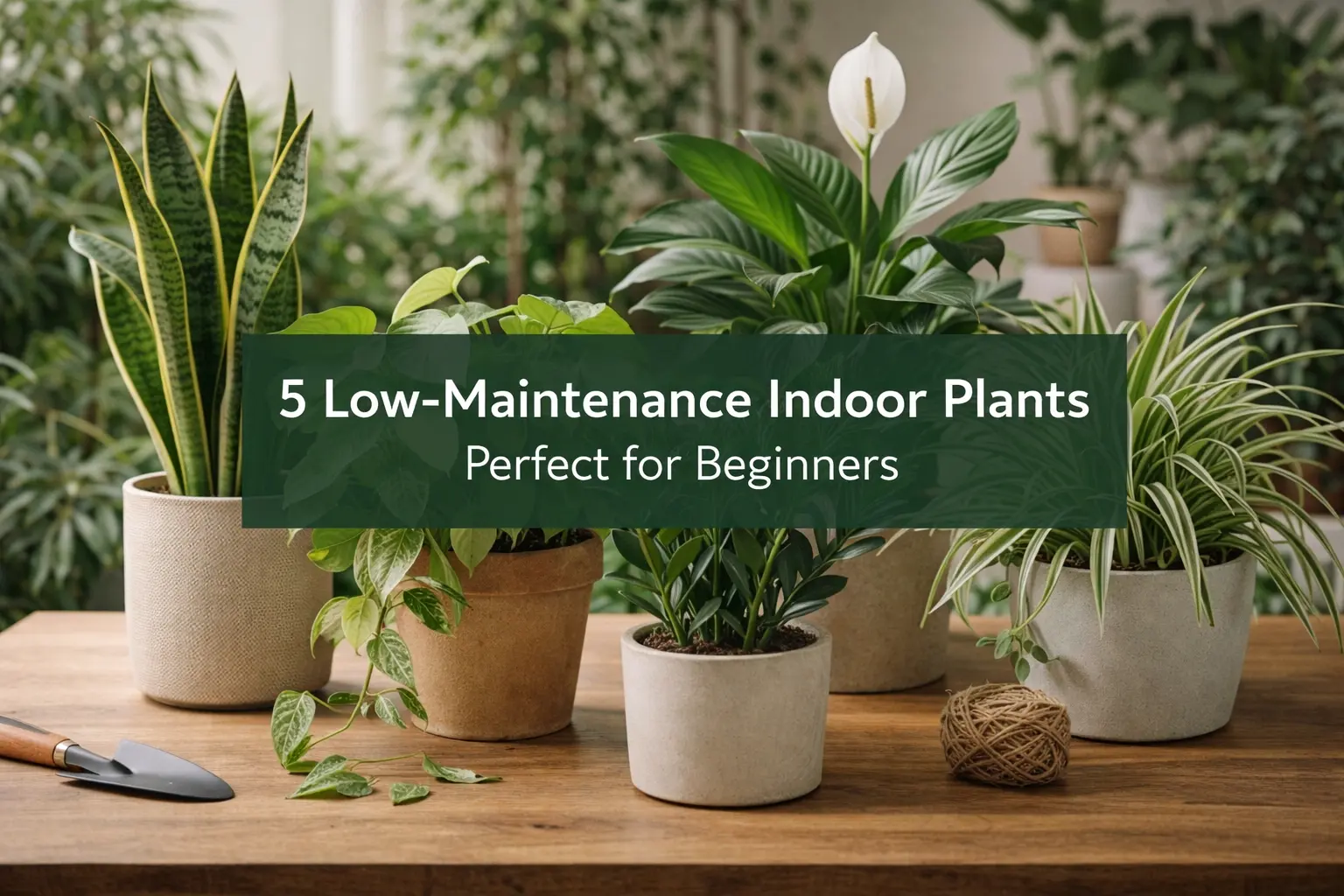
Opt for Snake Plant, ZZ Plant, or Pothos.
Bright Open Spaces
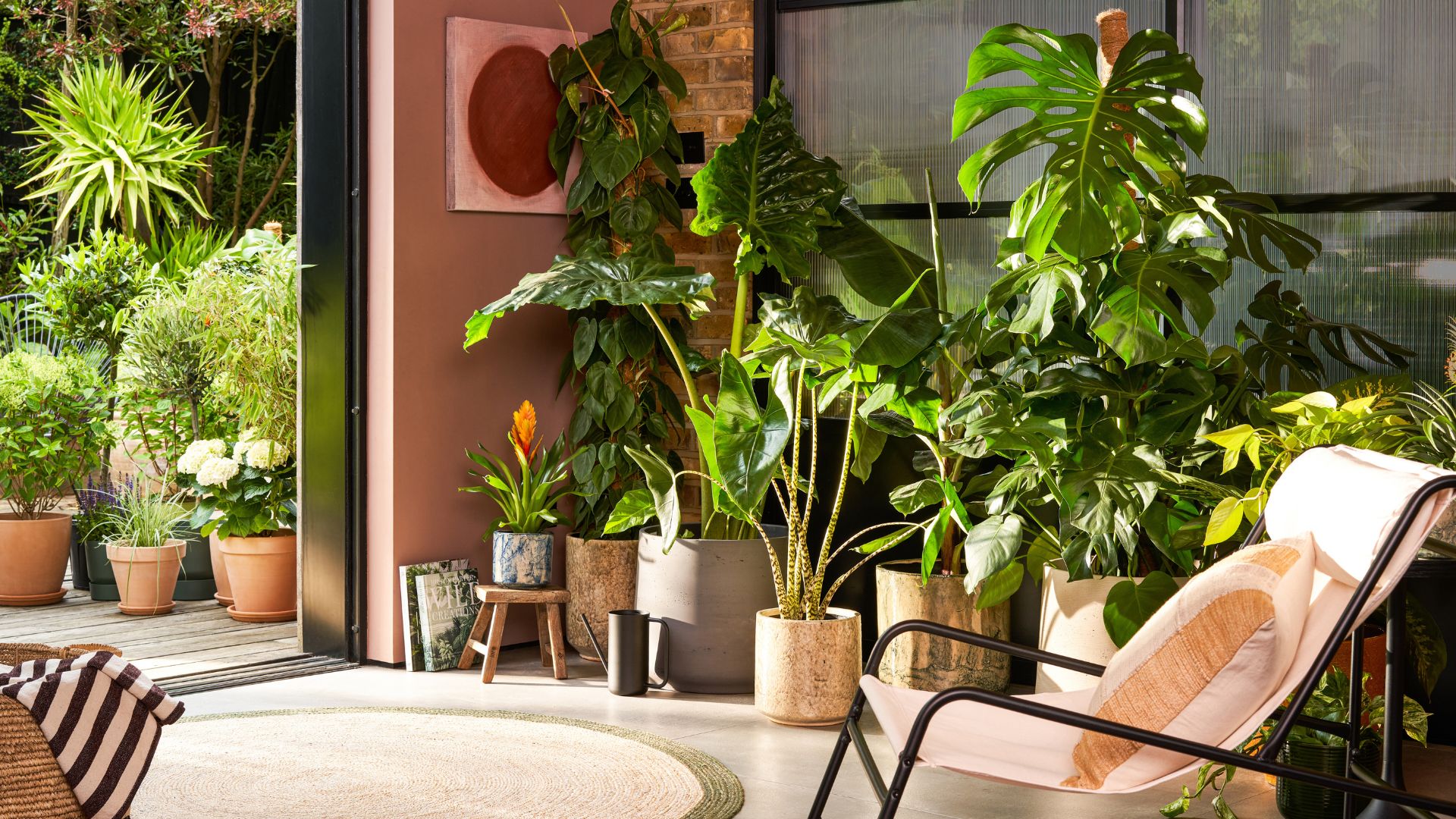
Consider Fiddle Leaf Fig or Bird of Paradise.
Small Apartments
Choose compact plants like Spider Plant or small succulents.
Creating a Simple Care Routine
Consistency is more important than perfection.
Set reminders for watering checks.
Observe your plants weekly.
Adjust placement if growth seems weak.
Plants communicate through their leaves — paying attention is key.
Final Thoughts
Indoor plant care does not require expertise — it requires awareness. By understanding light, watering, soil, and environment, you create conditions where plants naturally thrive.
With patience and observation, indoor gardening becomes less about maintenance and more about connection — turning your home into a healthier, greener sanctuary.