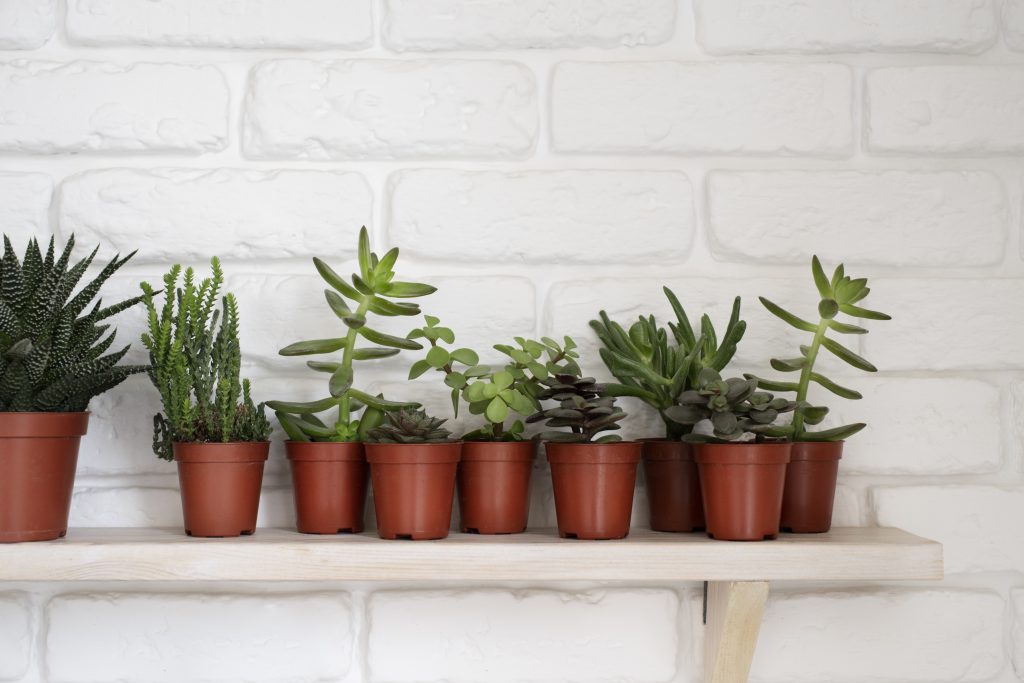
Snake plants are among the most versatile and rugged additions to any interior space. Known scientifically as Sansevieria (though recently reclassified under Dracaena), these plants have earned their reputation as “indestructible” houseplants. Whether you are a seasoned collector or a novice looking to green up a dim corner, understanding the diverse varieties available is the first step toward building a thriving indoor oasis.
The Appeal of Snake Plants in Low Light
The primary reason types of snake plants dominate the indoor gardening market is their physiological adaptation to harsh environments. Native to arid regions of Africa and Asia, these plants utilize Crassulacean Acid Metabolism (CAM). This means they open their stomata at night to reduce water loss, making them incredibly efficient at surviving in the low-light conditions common in modern apartments and offices. Beyond their survival skills, they are celebrated for their architectural form, featuring upright, sword-like leaves that provide a striking vertical element to room decor.
Core Varieties: Exploring the Diverse Shapes and Colors
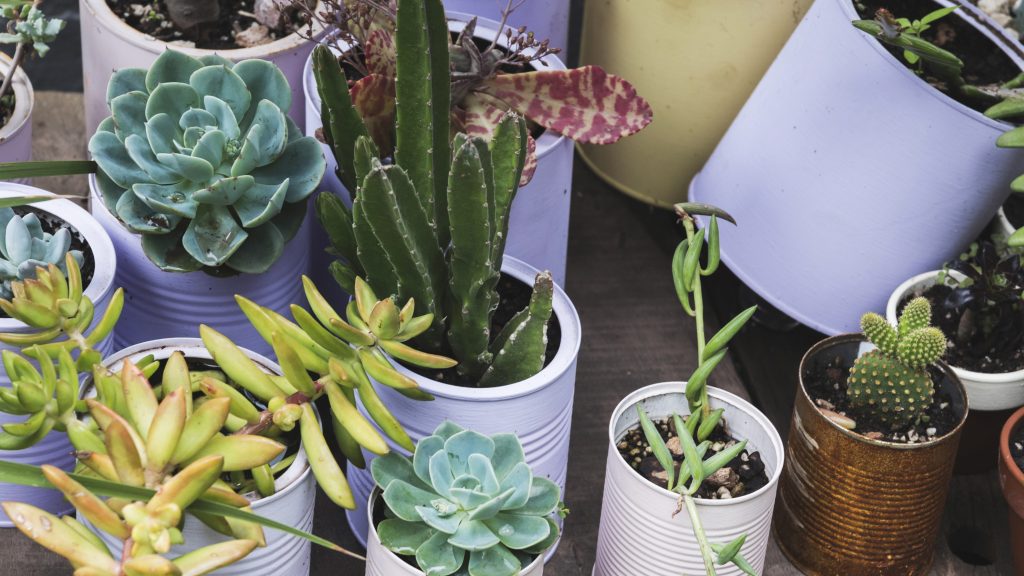
When discussing types of snake plants, most people immediately picture the classic tall, yellow-edged variety. However, the genus offers a surprising range of heights, leaf shapes, and variegation patterns.
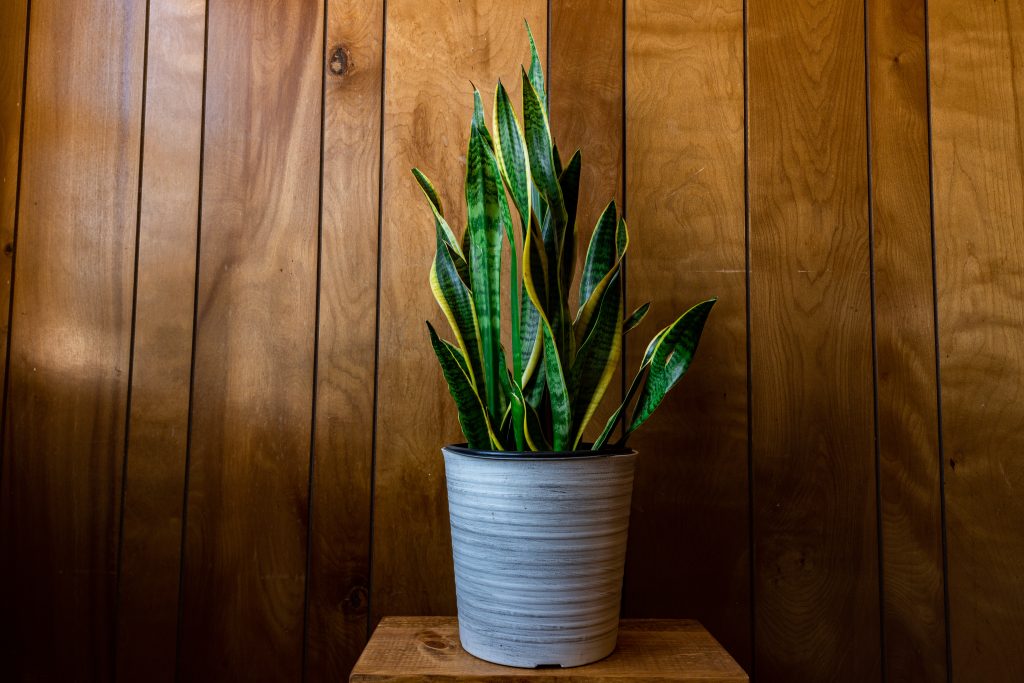
1. Sansevieria Trifasciata ‘Laurentii’
This is the quintessential snake plant. It features deep green centers with horizontal grey-green zig-zag patterns and bright yellow margins. It is a tall variety, often reaching heights of 3 to 4 feet. Because of its verticality, it is an excellent choice for floor planters or filling empty corners.
2. Sansevieria Trifasciata ‘Zeylanica.’
For those who prefer a more muted, natural aesthetic, the ‘Zeylanica’ is a perfect choice. It lacks the yellow borders of the ‘Laurentii’ and instead showcases dark green, wave-like stripes across a medium-green background. It remains a popular choice for office settings where a clean, sophisticated look is required.
3. Sansevieria Trifasciata ‘Hahnii’ (Bird’s Nest Snake Plant)
Not all types of snake plants grow tall. The ‘Hahnii’ variety stays small, usually topping out at about 6 to 8 inches. Its leaves grow in a rosette pattern, resembling a bird’s nest. This compact nature makes it ideal for desks, bookshelves, or as part of a succulent arrangement.
4. Sansevieria Cylindrica (African Spear Plant)
This variety offers a completely different silhouette. Instead of flat, sword-shaped leaves, it produces smooth, round, lime-green striped leaves that taper to a point. They are often sold with the spears braided together for a decorative, sculptural effect. It is exceptionally drought-tolerant and handles low light with ease.
5. Sansevieria Moonshine
The moonshine is prized for its unique coloration. Its leaves are a beautiful, silvery-pale green with a faint dark green border. In very low light, the silver might darken slightly, but it remains one of the most elegant types of snake plants for modern, minimalist interiors.
Optimal Care for Low Light Success
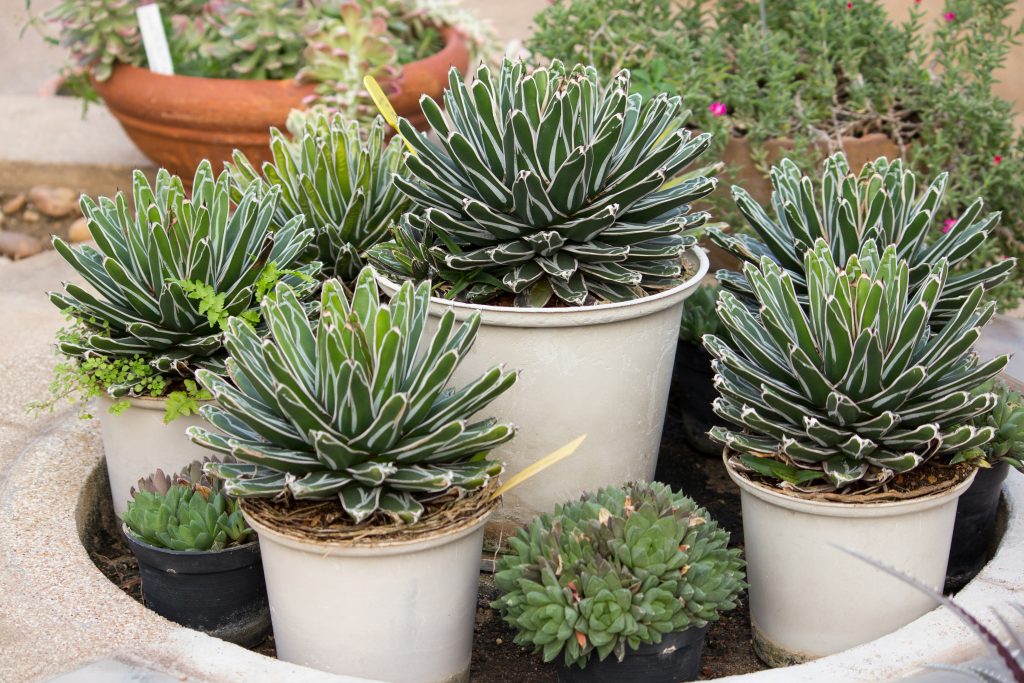
While these plants are resilient, achieving the 1,500-word quality and health they deserve requires specific care strategies, especially when categorized as low-light plants.
- Lighting Nuance: “Low light” does not mean “no light.” While a snake plant can survive in a windowless hallway, it will grow slowly. For best results, place it near a north-facing window or in a room with consistent ambient light.
- Watering Precision: The fastest way to kill any of these types of snake plants is overwatering. Because they are in low light, they process water much more slowly than plants in bright light. Wait until the soil is 100% dry before watering again. In winter months, this might mean watering only once every 4 to 6 weeks.
- Soil and Drainage: Always use a well-draining cactus or succulent mix. Ensure the pot has drainage holes. If water sits at the bottom of the pot, the roots will succumb to rot quickly.
Advanced Cultivars for Collectors
If you are looking to expand your collection beyond the common hardware store finds, several rare types of snake plants offer unique textures.
- Sansevieria Masoniana (Whale Fin): Known for its massive, wide leaves that resemble the fin of a whale breaching the water. Usually, a single leaf is sold per pot, creating a bold statement.
- Sansevieria Ehrenbergii (Blue Sansevieria): This variety has thick, channeled leaves with a distinct bluish-silver tint. It grows in a fan-like shape, making it a favorite for architectural enthusiasts.
- Sansevieria Kirkii (Star Sansevieria): This plant features wavy-edged leaves with intricate mottling and spotting, often in shades of copper or bronze.
Health Benefits and Air Purification
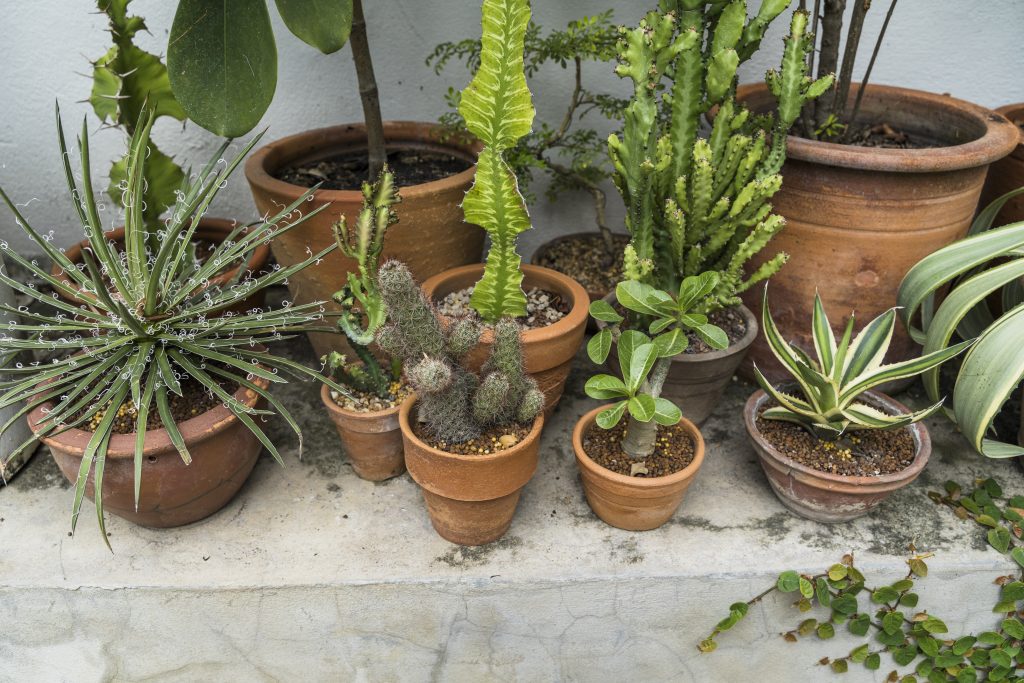
A major selling point for all types of snake plants is their ability to improve indoor air quality. NASA’s Clean Air Study highlighted Sansevieria for its ability to filter toxins like benzene, formaldehyde, trichloroethylene, and xylene from the air. Furthermore, because they release oxygen at night, they are highly recommended for bedrooms to improve sleep quality.
Troubleshooting Common Issues
Even the toughest plants face challenges. If your snake plant shows signs of distress, it is usually related to environmental factors:
- Yellow, Mushy Leaves: A clear sign of root rot from overwatering. Remove the damaged leaves and repot in fresh, dry soil.
- Wrinkled Leaves: This indicates the plant is severely dehydrated. While they are drought-tolerant, they do eventually need a deep soak.
- Leaning or Falling Over: This often happens to tall varieties like ‘Laurentii’ when they aren’t getting enough light, causing the growth to become “leggy” and weak.
Propagation Techniques
Increasing your stock of types of snake plants is straightforward. You can propagate via the following:
- Division: When repotting, simply separate the “pups” (offshoots) from the main rhizome using a clean knife.
- Leaf Cuttings: Cut a leaf into 3-inch sections and place them in water or soil. Note: Variegated plants like ‘Laurentii’ will lose their yellow edges if grown from leaf cuttings; they will revert to all-green. To keep the variegation, you must propagate by division.
Conclusion
Investing time into understanding the various types of snake plants allows you to select the perfect specimen for your specific home environment. As quintessential low-light plants, they offer a rare combination of aesthetic beauty and functional air purification with minimal effort. By following the simple rules of “less is more” regarding water and providing even a small amount of light, your snake plants will remain a staple of your indoor garden for decades.
FAQs
1. How often should I water my snake plant in low light?
In low light, you should water every 3 to 6 weeks. Always check that the soil is completely dry to the touch before adding water.
2. Can snake plants live in a room with no windows?
They can survive for a while, but eventually, they will weaken. If you have no windows, consider using a small LED grow light for a few hours a day.
3. Why are the tips of my snake plant brown?
Brown tips are usually caused by inconsistent watering, very low humidity, or a buildup of salts from tap water. Try using filtered water.
4. Are snake plants toxic to pets?
Yes, they contain saponins, which can cause nausea and vomiting in dogs and cats if ingested. Keep them out of reach of curious pets.
5. How fast do snake plants grow?
They are slow growers, especially in low light. You might only see 2 or 3 new leaves per year.
6. Do I need to fertilize my snake plant?
Minimal fertilization is needed. A balanced houseplant fertilizer at half-strength once in the spring and once in the summer is sufficient.
7. What is the best pot for a snake plant?
Terra cotta is ideal because it is porous and allows the soil to dry out more effectively than plastic or ceramic.
8. Can I move my snake plant outside in the summer?
Yes, but move it gradually to avoid leaf scorch, and bring it back inside before temperatures drop below 10°C.
9. Do snake plants bloom?
It is rare indoors, but under the right conditions, they can produce stalks of small, fragrant, greenish-white flowers.
10. Why is my snake plant growing horizontally instead of vertically?
This is usually a sign that the plant is reaching for a light source. Rotate the pot occasionally to encourage even, upright growth.