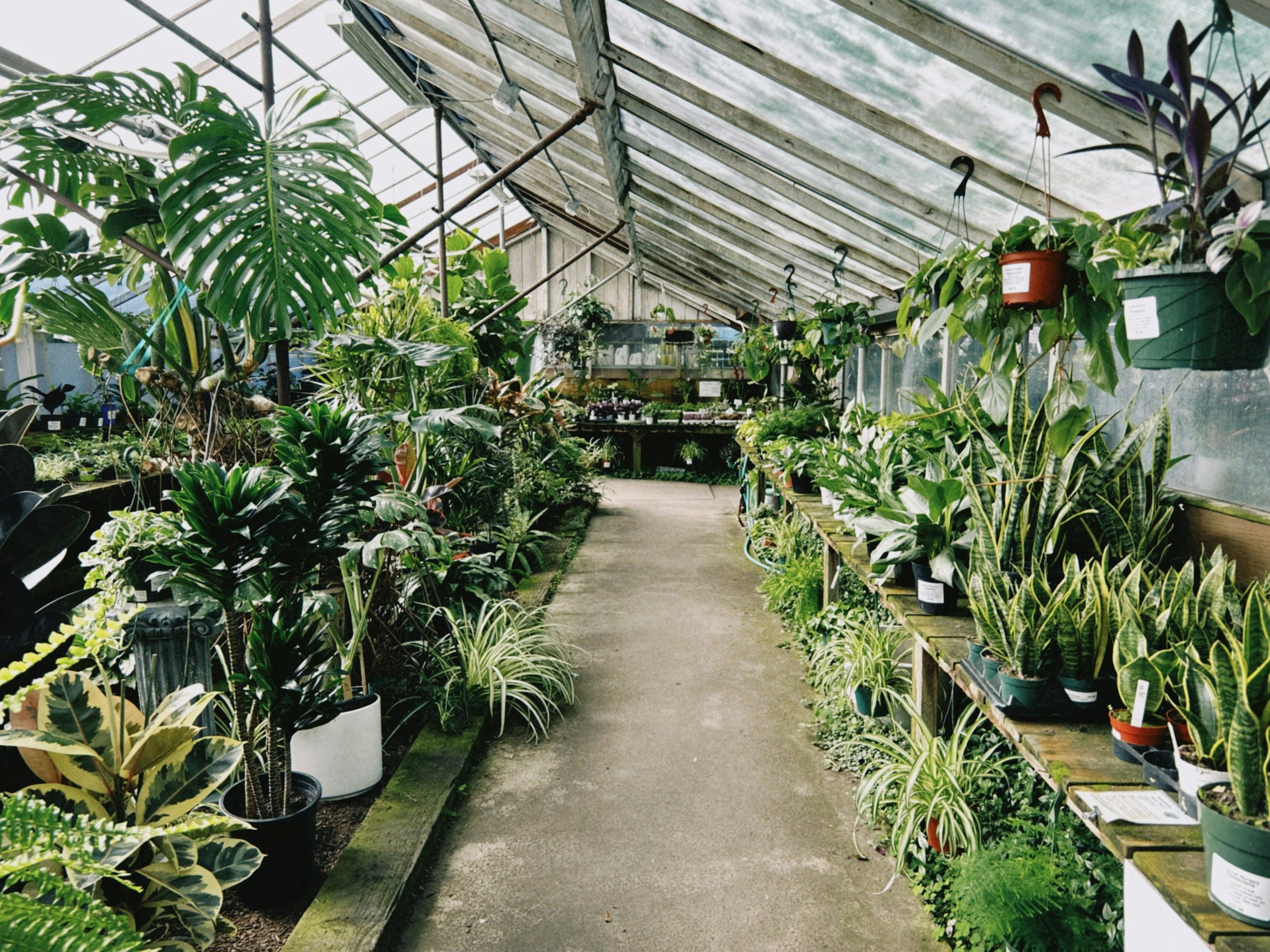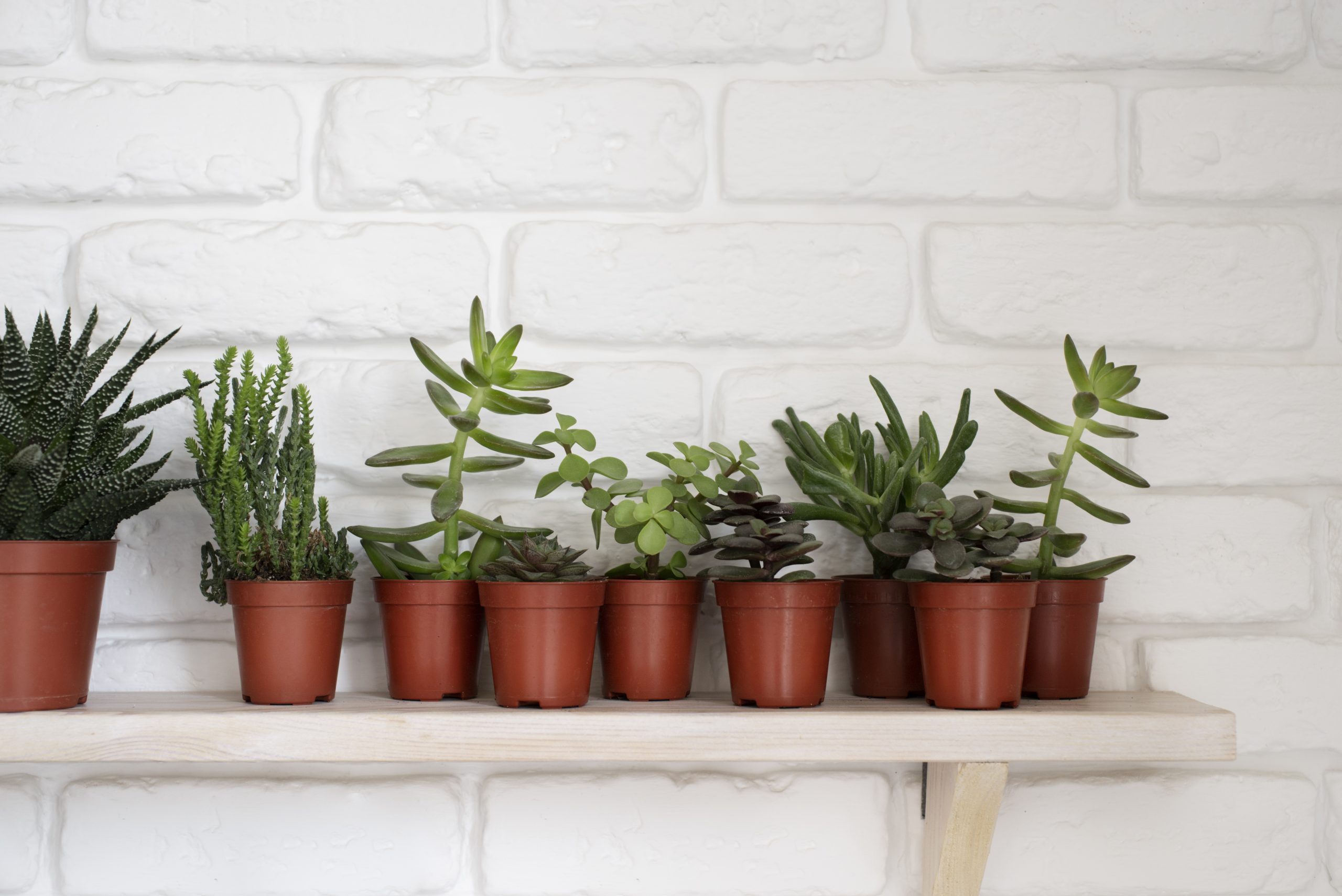
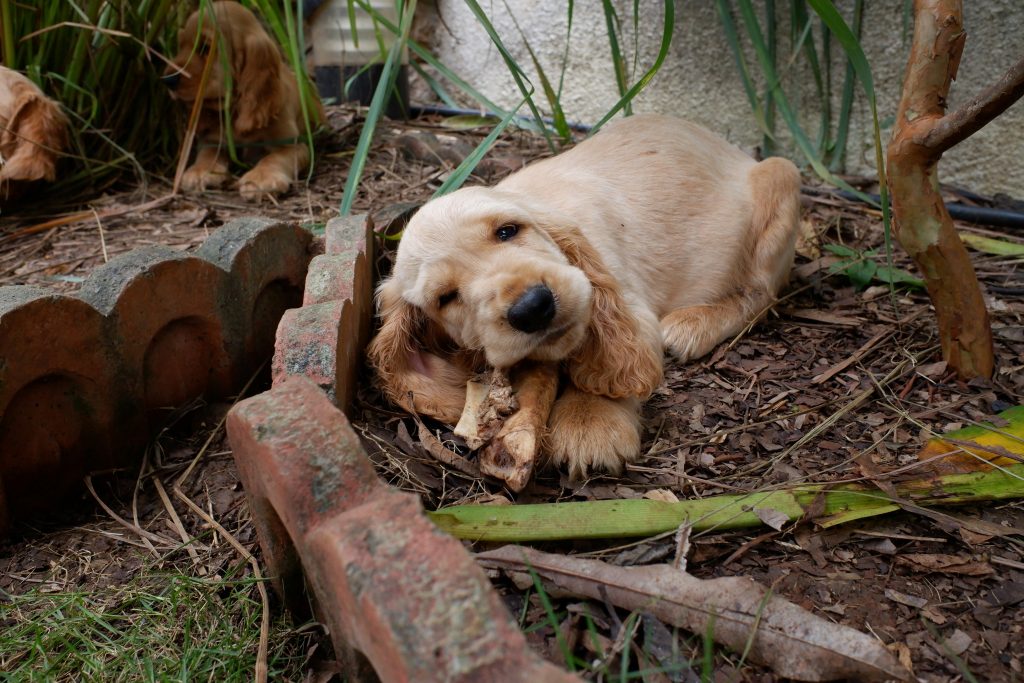
Are snake plants toxic to dogs? It is a question that sits at the intersection of home aesthetics and pet safety. As one of the most popular houseplants in the world, the snake plant—scientifically known as Sansevieria or Dracaena trifasciata—is cherished for its ability to survive in low-light conditions and its striking, architectural foliage. However, beneath its rugged exterior lies a chemical defense system that can pose a significant health risk to your canine companions. For any dog owner, understanding the nuances of this toxicity is not just a matter of curiosity; it is a fundamental part of responsible pet ownership and creating a safe indoor environment.
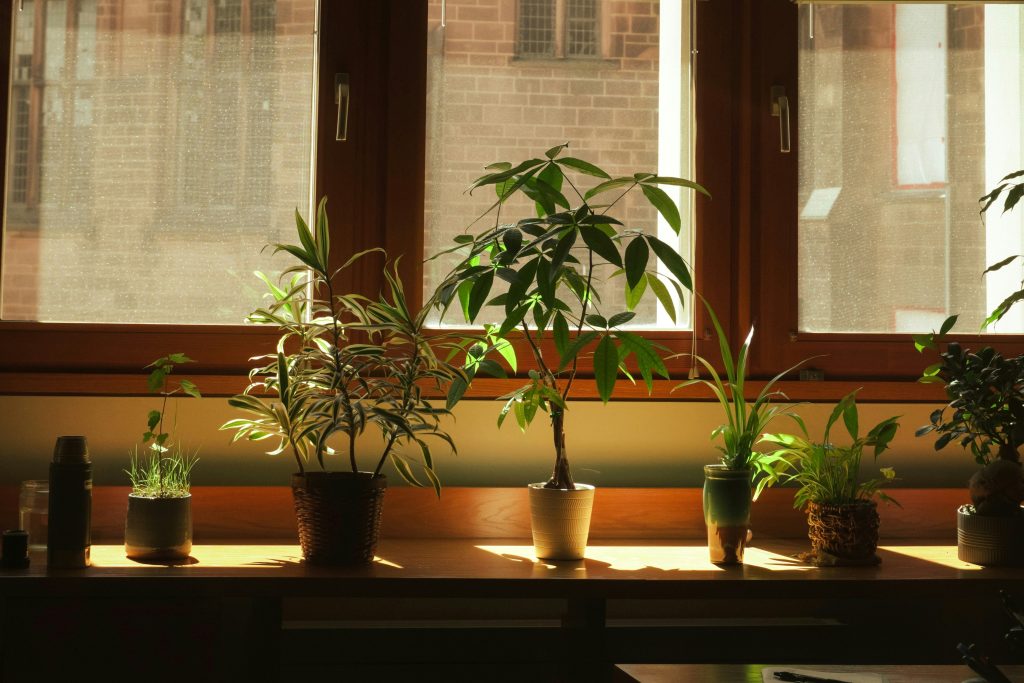
The Biological Basis of Toxicity: Saponins Explained
The core reason why snake plants are toxic to dogs lies in a specific group of chemical compounds known as saponins. Saponins are naturally occurring glucosides found in various plant species, particularly those that have evolved in harsh environments where they need to protect themselves from being consumed by herbivores, insects, or fungi.
In the case of the snake plant, saponins act as a sophisticated defense mechanism. When a dog bites into a leaf or a rhizome, these compounds are released. Saponins have a unique chemical structure that allows them to act like a natural soap or detergent. When they come into contact with the moisture in a dog’s mouth or digestive tract, they create a foaming, irritating reaction. This bitterness is the plant’s way of saying “stop eating me,” but for many curious dogs, the warning comes too late.
From a physiological standpoint, saponins disrupt the cell membranes in the gastrointestinal tract. This leads to localized inflammation, which is the primary cause of the symptoms seen in pets. While the toxicity is generally classified as “mild to moderate” by the ASPCA and other veterinary toxicology experts, the impact on an individual dog can vary based on several factors, including the dog’s size, age, and overall health status.
Detailed Symptoms: Identifying Snake Plant Ingestion
If you are wondering if snake plants are toxic to dogs, the most important thing to recognize is how your dog will react if they ingest any part of the plant. The symptoms typically manifest within minutes to a few hours of exposure.
- Hypersalivation (Excessive Drooling): This is almost always the first clinical sign. The foaming action of the saponins irritates the mucous membranes in the mouth, causing the dog to drool excessively as the body tries to flush out the irritant.
- Nausea and Retching: Even if the dog doesn’t immediately vomit, they may show signs of nausea, such as lip licking, swallowing repeatedly, or acting restless.
- Vomiting: This is the body’s primary defense to expel the toxic material. The vomit may contain pieces of the green, fibrous leaf.
- Diarrhea: If the plant material moves into the intestines, it causes irritation to the lining, leading to loose stools or watery diarrhea.
- Abdominal Pain: Dogs may “hunch up” or show sensitivity when their belly is touched. This is a sign of gastrointestinal distress.
- Loss of Appetite (Anorexia): A dog in pain or with a settled stomach will naturally refuse food and treats.
- Depression and Lethargy: While the toxin doesn’t usually hit the central nervous system, the physical toll of vomiting and the pain of an upset stomach can make a dog appear very tired or withdrawn.
- Oral Irritation: You may notice redness or slight swelling of the gums and tongue where the dog bit the leaf.
Why Do Dogs Eat Snake Plants?
It is a common misconception that dogs only eat plants when they are sick. While some dogs eat grass to settle their stomachs, many indoor plant ingestions happen for other reasons. Understanding these can help you prevent future incidents.
- Puppy Curiosity: Puppies are like human toddlers; they explore the world with their mouths. A tall, sturdy snake plant leaf looks like a perfect chew toy for a teething puppy.
- Boredom: If a dog isn’t getting enough mental or physical stimulation, they may turn to houseplants for entertainment. The texture of a snake plant leaf is fibrous and resistant, which can be satisfying for a dog to chew on.
- The “Wiggle” Factor: When you walk by a snake plant or a draft hits it, the long leaves may sway. For a dog with a high prey drive, this movement can trigger a “catch and kill” instinct, leading them to bite the plant.
Immediate First Aid: What to Do in an Emergency
Since snake plants are toxic to dogs, you must have a clear plan of action if you find your dog chewing on one.
- Immediate Removal: Take the plant away from the dog immediately. If the dog has pieces of the leaf in its mouth, try to gently remove them without getting bitten.
- Oral Rinse: If your dog is cooperative, use a damp cloth to wipe out the inside of their mouth. You can also offer them a small bowl of water to help wash away the bitter saponins.
- Assessment: Look at the plant to see how much was eaten. Check your dog for immediate signs of distress, specifically looking for any swelling of the throat or tongue.
- Professional Consultation: Call your veterinarian or a dedicated pet poison helpline. They will need to know your dog’s breed, weight, and roughly how much of the plant was consumed.
Veterinary Treatment and Recovery
When you take your dog to the vet for snake plant ingestion, the treatment is typically focused on “supportive care.” Because there is no specific “antidote” for saponins, the goal is to manage the symptoms and prevent complications like dehydration.
- Fluid Therapy: If your dog has been vomiting or has diarrhea, the vet may administer subcutaneous or intravenous fluids to maintain hydration and electrolyte balance.
- Antiemetics: Medications like Maropitant (Cerenia) may be given to stop the vomiting and make the dog feel more comfortable.
- Gastrointestinal Protectants: The vet may prescribe medications to coat the stomach lining and reduce inflammation.
The prognosis for snake plant poisoning is excellent. Most dogs recover fully within 24 to 48 hours without any long-term damage to their organs.
How to Keep Your Dog Safe Without Giving Up Your Plants
You don’t necessarily have to choose between your dog and your love for low-light plants. There are several ways to co-exist safely:
- Vertical Gardening: Use wall-mounted planters or high floating shelves. Snake plants look beautiful when elevated, and this keeps them completely out of the “danger zone.”
- Plant Stands: Use tall, heavy plant stands that are difficult for a dog to knock over.
- Physical Barriers: Use decorative indoor fencing or baby gates to block access to areas where large floor plants are kept.
- Deterrents: You can apply a “bitter apple” spray to the lower leaves of the plant. These sprays are non-toxic to the plant but taste terrible to dogs.
Safe Alternatives: Pet-Friendly Low-Light Plants
If you want the look of a snake plant without the worry, several “pet-safe” options thrive in similar conditions:
- Spider Plants (Chlorophytum comosum): These are famously non-toxic to both dogs and cats.
- Areca Palm: For those who want a large, architectural plant, the areca palm is a safe, non-toxic choice.
- Cast Iron Plant (Aspidistra elatior): This plant is almost as indestructible as the snake plant and thrives in very low light, but it is non-toxic.

Conclusion
To answer the original concern: Are snake plants toxic to dogs? Yes, they are. The saponins within their leaves are a potent irritant that can lead to a very uncomfortable few days for your pet. However, by understanding the symptoms, knowing how to react, and taking proactive steps to secure your greenery, you can enjoy the air-purifying benefits of these beautiful plants while ensuring your dog remains happy and healthy. Education is the best tool for any indoor gardener who also shares their heart with a dog.
FAQs
1. Is every part of the snake plant toxic to dogs?
Yes, the leaves, stems, and rhizomes (roots) all contain saponins. The leaves are the most commonly ingested part due to their accessibility.
2. Can a dog die from eating a snake plant?
Fatalities are extremely rare. The main risk to life would be severe dehydration from untreated vomiting or an allergic reaction leading to airway swelling.
3. Are some breeds more sensitive to snake plants?
Smaller breeds and puppies are generally more affected because the concentration of the toxin is higher relative to their body mass.
4. Does cooking or drying the plant remove the toxins?
No. Saponins are stable compounds. Even a dead or dried snake plant leaf remains toxic to dogs if chewed.
5. Is the sap of the snake plant dangerous to a dog’s skin?
While the primary danger is ingestion, the sap can cause mild dermatitis (skin redness and itching) in sensitive dogs if it gets on their skin.
6. How quickly do symptoms of snake plant poisoning start?
You will usually see drooling or lip licking within 15 to 30 minutes. Vomiting typically occurs within the first hour or two.
7. My dog only took one tiny bite; should I still go to the vet?
If it was just a small nibble, you can monitor them at home. However, call your vet for advice regardless, as they may want you to look for specific signs.
8. Can snake plants cause long-term kidney or liver damage?
No. Unlike lilies (which are deadly to cats’ kidneys) or sago palms (which destroy dogs’ livers), snake plants primarily affect the digestive tract.
9. Why does my dog keep trying to eat my plants?
It could be boredom, anxiety, or simply a habitual behavior. Increasing exercise and providing puzzle toys can often stop this behavior.
10. Are “Moonshine” or “Cylindrica” varieties less toxic?
No. All varieties of the Sansevieria genus contain similar levels of saponins and should be treated with the same level of caution.