The botanical world is full of contradictions. On one hand, the snake plant (Dracaena trifasciata) is hailed as a hero among low-light plants for its ability to scrub toxins like benzene and formaldehyde from our indoor air. On the other hand, for those of us living with curious felines, we have to face a worrying reality: are snake plants toxic to cats? While these architectural marvels are famous for being “unkillable” by humans, they possess a chemical defense system that can be quite harsh on a cat’s digestive system.
The definitive answer is yes—snake plants are toxic to cats. However, understanding the level of risk and the science behind the toxicity is the first step in creating a safe, green sanctuary. This detailed guide explores the biological reasons behind the danger, the symptoms you must watch for, and seven practical strategies to keep your pets safe without sacrificing your love for indoor gardening.
The Chemical Defense: Why Are Snake Plants Toxic to Cats?
To understand why a snake plant is hazardous, we must look at how it protects itself in the wild. Unlike animals, plants cannot run away from predators. Instead, they use “chemical warfare.” The primary toxic component in the snake plant is a group of compounds known as saponins.
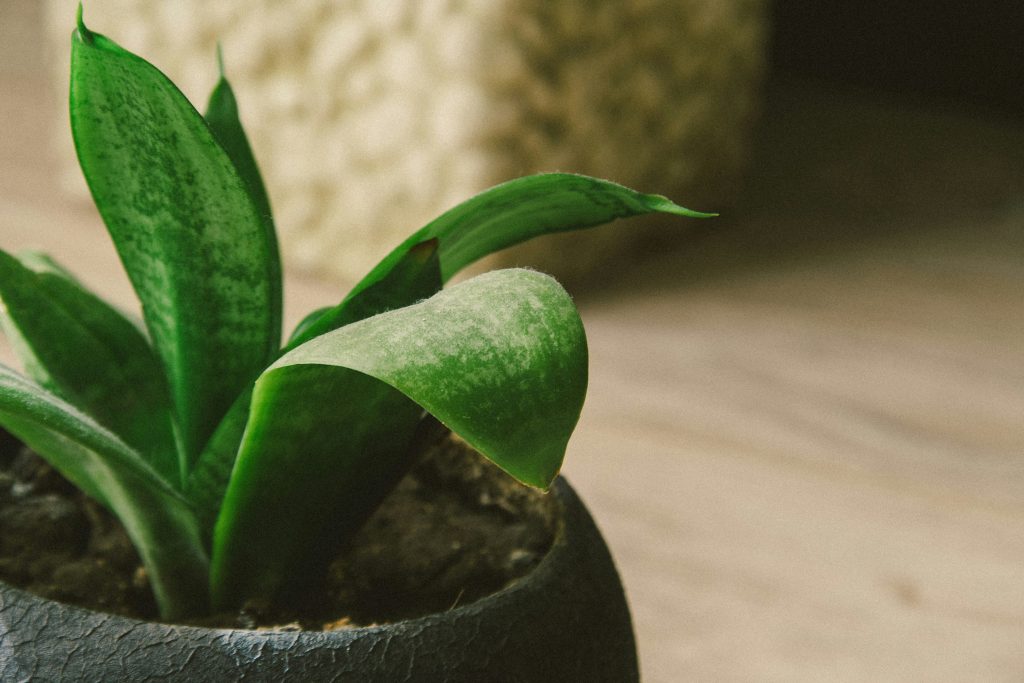
Saponins are naturally occurring glucosides that produce a soapy, foaming action when broken down. In the plant’s native habitat, these chemicals serve as natural fungicides and insecticides, preventing pests from feeding on the leaves. When a cat bites into the thick, succulent leaf of a snake plant, these saponins are released into the mouth.
The immediate effect is a bitter, burning sensation. This “bad taste” is actually a safety feature; most cats will stop chewing almost immediately because the flavor is so repellent. This is why, although snake plants are toxic, they are rarely fatal. The cat simply doesn’t want to eat enough of the plant to cause organ failure. However, even a single “exploratory” nibble can cause significant gastrointestinal distress.
Identifying the Symptoms of Ingestion
If you share your home with low-light plants and notice a jagged edge on a leaf, you need to monitor your cat closely. Saponin poisoning typically manifests within thirty minutes to two hours. Look for the following signs:
- Hypersalivation (Drooling): This is the most immediate sign. The bitter saponins irritate the mucous membranes in the mouth, causing the cat to drool excessively.
- Nausea and Vomiting: As the stomach tries to process the irritating plant fibers, the cat will likely vomit. You may see green, fibrous chunks of the leaf in the discharge.
- Diarrhea: If the plant material moves into the lower digestive tract, it causes inflammation, leading to loose stools.
- Loss of Appetite: A cat with a sore mouth and an upset stomach will naturally refuse food.
- Depression and Lethargy: The general feeling of being poisoned makes cats hide or appear unusually tired.
While these symptoms are usually mild and pass within 48 hours, the biggest danger is dehydration. If your cat is vomiting repeatedly and refusing water, you must seek veterinary help to prevent further complications.
7 Essential Safety Tips for Pet Owners
You don’t have to choose between your pet and your plants. By being a strategic “plant parent,” you can keep your snake plant collection while ensuring your cat remains safe. Here are seven ways to manage the risk:
1. Prioritize Vertical Space
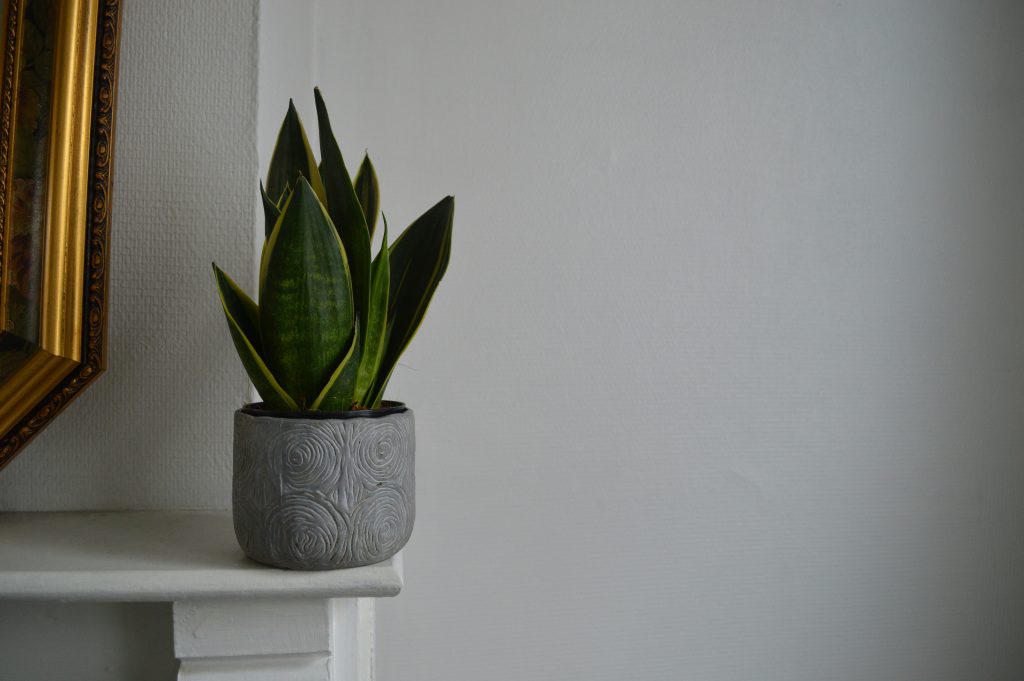
Since snake plants are champion low-light plants, they don’t need to live on the floor or near a window. The best way to keep a toxic plant away from a cat is to move it out of their reach. High bookshelves, the tops of refrigerators, or sturdy wall mantels are excellent spots. Just ensure there are no nearby “stepping stones”—like a chair or a side table—that the cat can use to jump to the high surface.
2. Utilize Hanging Planters
If your cat is an Olympic-level jumper, a shelf might not be enough. Hanging planters (especially macramé styles) are a perfect solution. By suspending the plant from the ceiling, you remove the leaves from the cat’s patrol route entirely. This also allows the long, sword-like leaves of the snake plant to grow vertically without ever touching the ground.
3. Use Scent-Based Deterrents
Cats navigate their world through smell. Most felines find the scent of citrus or bitter substances highly offensive. You can mist the leaves of your plant with a diluted lemon juice solution or a commercial “Bitter Apple” spray. One sniff is usually enough to convince a cat that the plant is not worth investigating.
4. Switch to “Cat Grass” for a natural wellness option.
Often, cats chew on houseplants because they are bored or craving dietary fiber. Instead of just taking away the “bad” plant, give them a “good” one. Grow a small pot of organic wheatgrass or oat grass specifically for them. When a cat has its own dedicated greenery that tastes good and is safe to eat, it will likely leave your decorative plants alone.
5. Heavy Pots and Soil Barriers
Sometimes the danger isn’t the cat eating the plant but the cat knocking a heavy pot over. Use heavy ceramic or stone pots that are difficult to tip. Additionally, cover the soil with large river stones. This prevents the cat from digging in the dirt or using the pot as a litter box, which protects the roots and keeps the cat’s paws clean.
6. Increase Mental Stimulation
A bored cat is a curious cat. If your pet has plenty of scratching posts, interactive toys, and window perches to watch the birds, they are much less likely to “hunt” your plants. Spend at least 15 minutes a day in active play with your cat to burn off that investigative energy.
7. Keep a “Poison Kit” and Emergency Number
Always have the number for a 24-hour emergency vet and a pet poison control hotline saved in your phone. In the event of ingestion, don’t try to induce vomiting yourself; call a professional. Having a plan in place reduces panic and ensures your cat gets the care they need quickly.
Safe Alternatives to Snake Plants
If the stress of having a toxic plant is too high, several low-light plants are 100% non-toxic to cats. These offer a similar aesthetic without the saponin risk:
- Spider Plants (Chlorophytum comosum): These are safe, architectural, and very easy to grow.
- Calathea Species: Known as “prayer plants,” these thrive in dim light and are completely pet-friendly.
- Areca Palms: These provide a tropical look and are safe for both cats and dogs.
Conclusion
The snake plant remains one of the most popular choices for indoor enthusiasts due to its striking appearance and low-maintenance needs. However, the safety of our pets must always come first. To answer the fundamental question: are snake plants toxic to cats? Yes, they are, but this doesn’t mean you have to abandon your love for these hardy low-light plants.
By implementing the 7 safety tips outlined above, such as utilizing high shelves, using hanging planters, and providing safe alternatives like cat grass, you can enjoy a lush indoor garden without compromising your cat’s health. Being a responsible “plant parent” is all about balance and prevention. With a little bit of strategic placement and careful monitoring, you can create a beautiful, air-purifying environment where both your greenery and your feline friends can thrive together safely.
FAQs
1. Is a snake plant fatal to cats?
It is rarely fatal. Most cats only experience stomach upset or drooling because the bitter taste prevents heavy ingestion.
2. Can the smell of a snake plant hurt my cat?
No, toxicity is only through ingestion.
3. Which part of the snake plant is most toxic?
All parts—leaves, stems, and roots—contain saponins.
4. How long does it take for symptoms to show?
Usually within 30 minutes to two hours.
5. Are there any snake plant varieties that are safe?
No, all varieties in the Dracaena family are toxic to pets.
6. Can I keep a snake plant if my cat never eats plants?
Yes, but high placement is still recommended as a precaution.
7. Does the sap cause skin irritation?
Yes, it can cause mild dermatitis in some cats and humans.
8. What should I do if my cat eats a snake plant?
Wipe their mouth, offer fresh water, and call your vet.
9. Are spider plants a safe alternative?
Yes! They are non-toxic and provide a similar look.
10. Do snake plants attract cats?
The tall leaves can look like a toy to a playful cat.