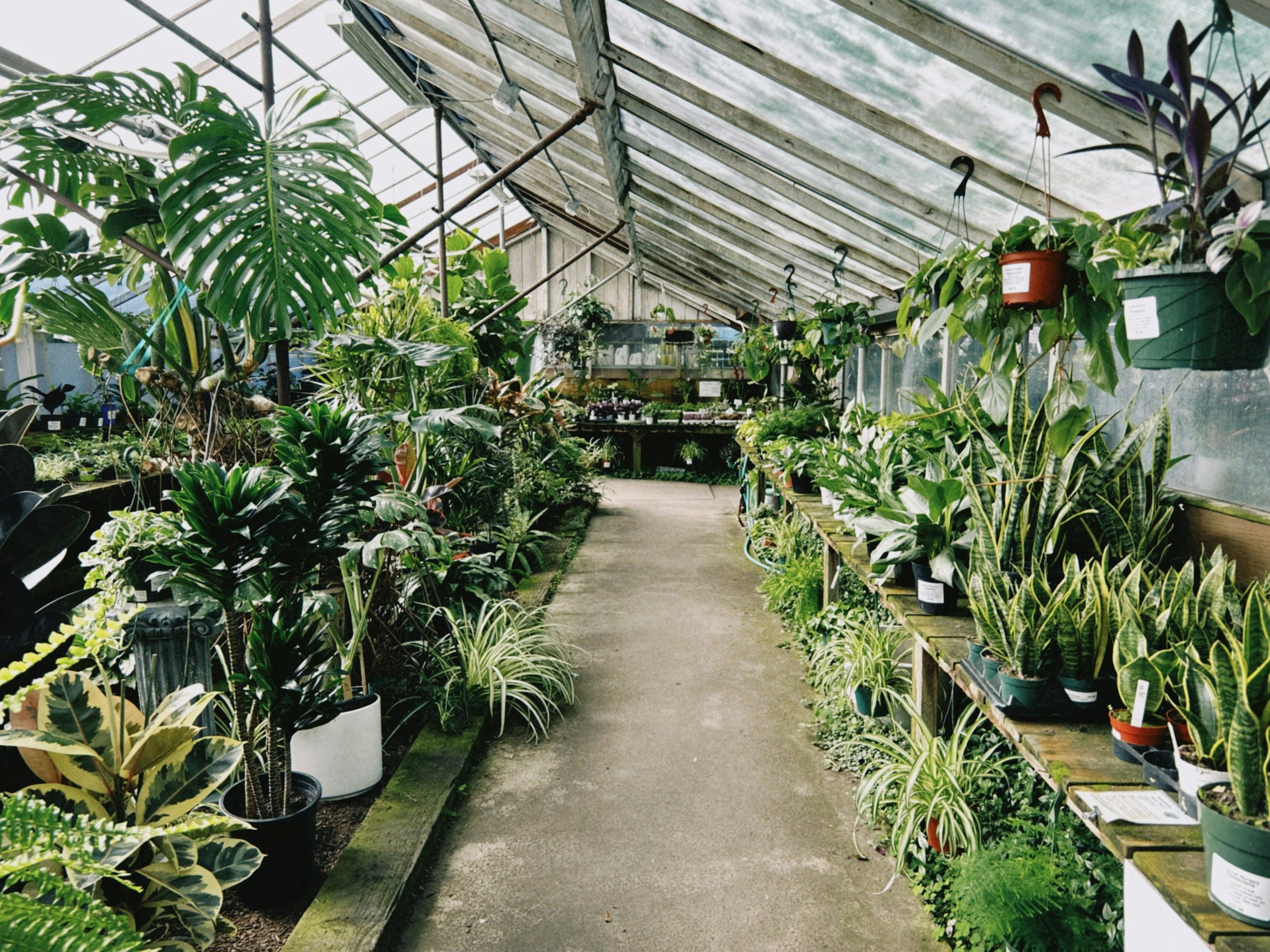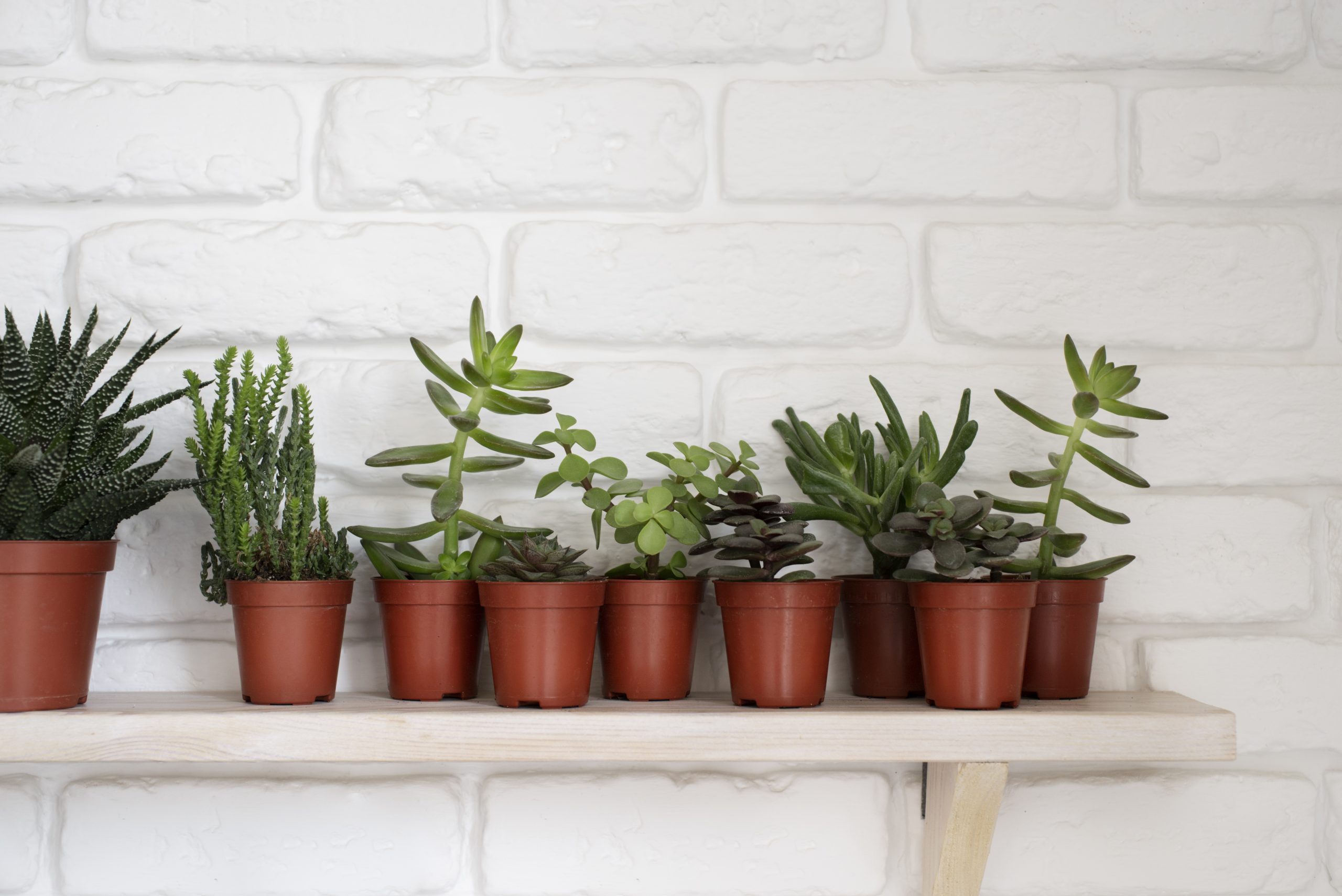
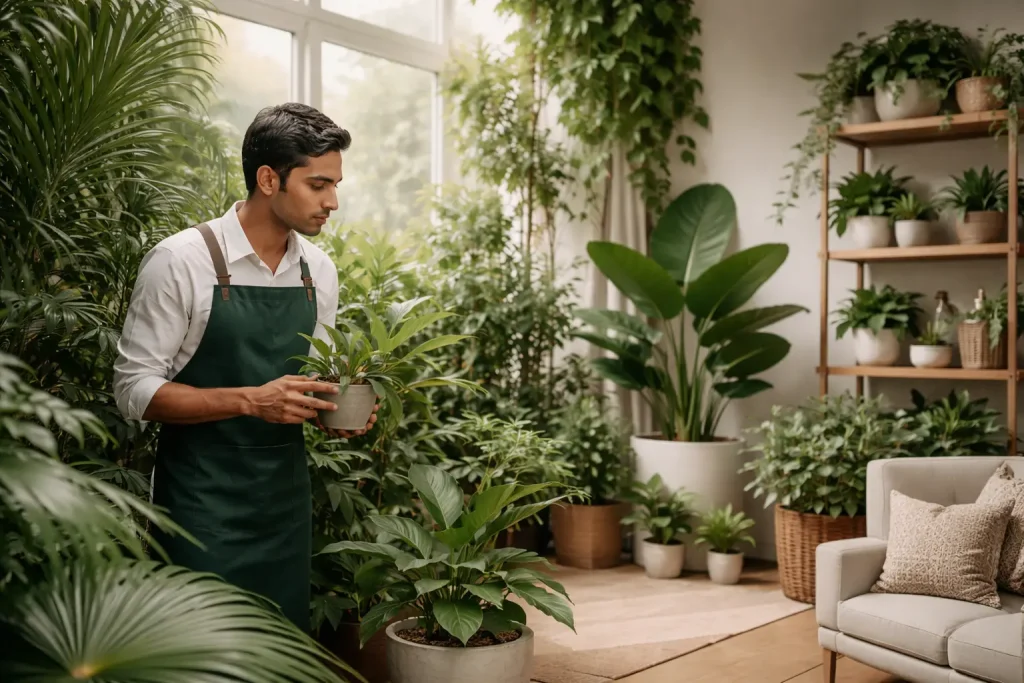
Indoor plant care is a journey that transforms a living space into a vibrant, oxygen-rich sanctuary. For many beginners, the transition from admiring a lush nursery display to maintaining that same health at home can feel overwhelming. However, mastering the art of indoor gardening doesn’t require a “natural green thumb.” Instead, it requires an understanding of a few fundamental biological needs: light, water, and environment. By following this comprehensive guide, you can move past the trial-and-error phase and build a thriving indoor jungle that lasts for years.
Choosing the Right Species for Your Space
The biggest mistake in indoor plant care happens before the plant even enters the home. Many beginners choose plants based on looks rather than their home’s specific environment. Before buying, assess your light levels. Do you have a bright, south-facing window or a dim, north-facing apartment?
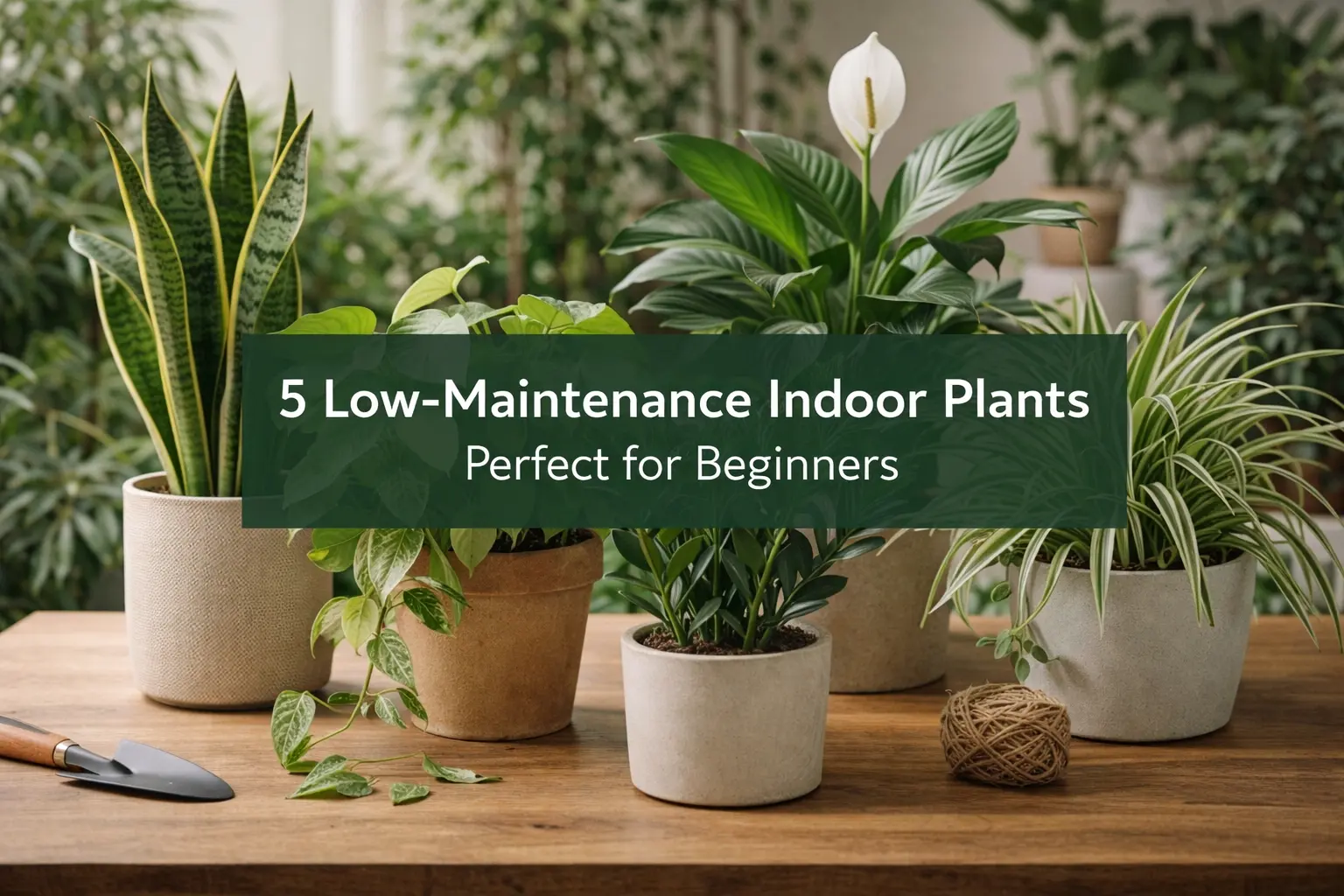
- Low-Light Stars: Snake plants, ZZ plants, and pothos are incredibly forgiving and perfect for beginners.
- Bright Light Lovers: Succulents, Fiddle Leaf Figs, and Birds of Paradise require intense, indirect light to prevent leaf drop.
Matching the plant to your light is 80% of the battle. If a plant is forced to live in light it wasn’t evolved for, no amount of water or fertilizer will save it.
The Science of Watering: Less is Often More
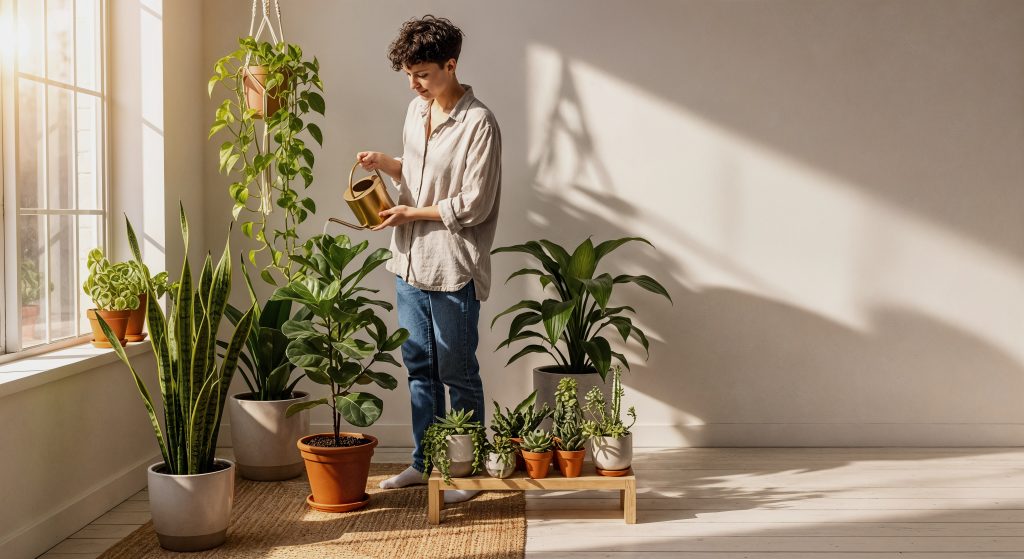
In the world of indoor plant care, more plants die from overwatering than from neglect. Overwatering leads to root rot, a fungal condition where the roots literally suffocate and decompose in soggy soil.
To water like a pro, stop using a calendar. Instead, use the “finger test.” Stick your finger two inches into the soil. If it feels moist, wait. If it feels dry and crumbly, it’s time to water. When you water, do it thoroughly until water runs out of the drainage holes at the bottom of the pot. This ensures the entire root ball is hydrated and flushes out excess salts.
Light: The Fuel for Growth
Light is food for plants. Through photosynthesis, they convert light energy into the fuel they need to grow. In indoor plant care, we generally categorize light into three types:
- Direct Light: The sun’s rays hit the leaves directly (good for cacti).
- Bright Indirect Light: A very bright room, but the sun doesn’t touch the leaves (perfect for most tropicals).
- Low Light: No direct view of the sky or tucked far back in a room (only for resilient species).
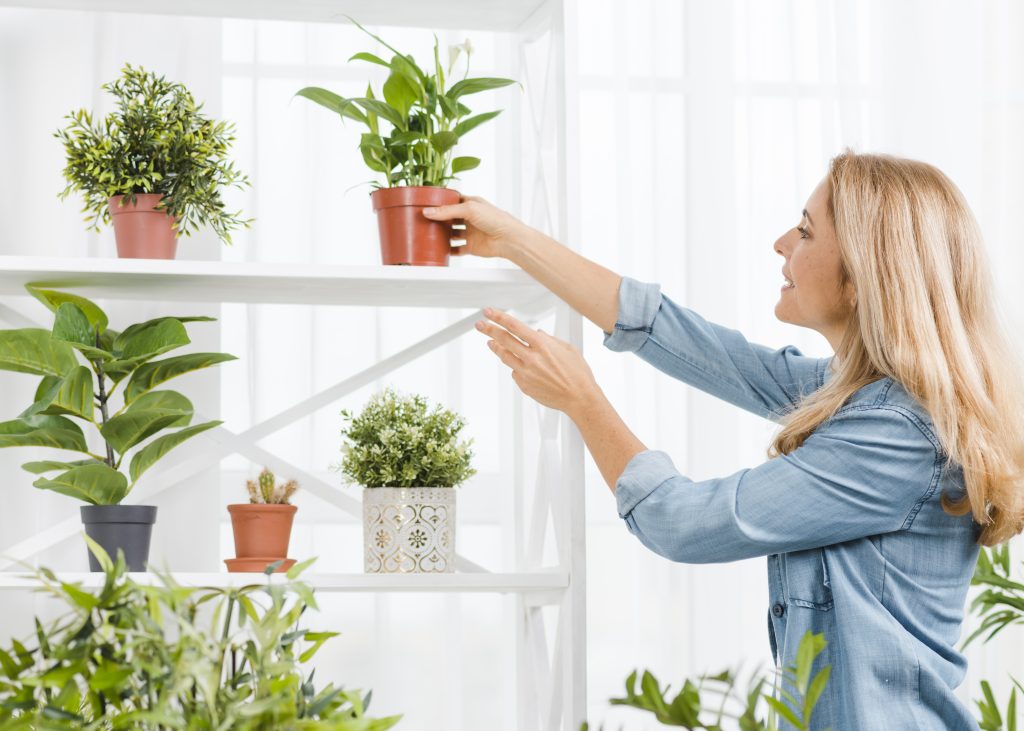
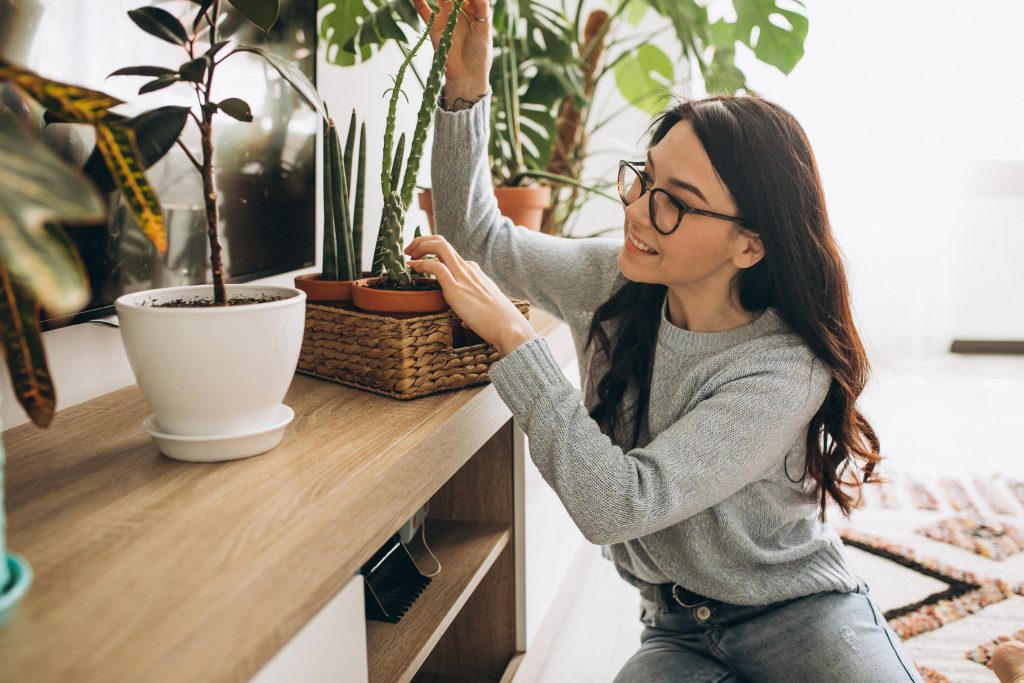
If you notice your plant “reaching” or leaning toward a window, it is telling you it needs more light. Rotate your pots 90 degrees every week to ensure even growth and prevent the plant from becoming lopsided.
Humidity and Temperature Stability
Most of our favorite indoor plants are tropical in origin. This means they are used to the humid rainforest floor, not the dry, climate-controlled air of a modern home. During winter, when heaters are running, the air becomes incredibly dry.
You can boost humidity by:
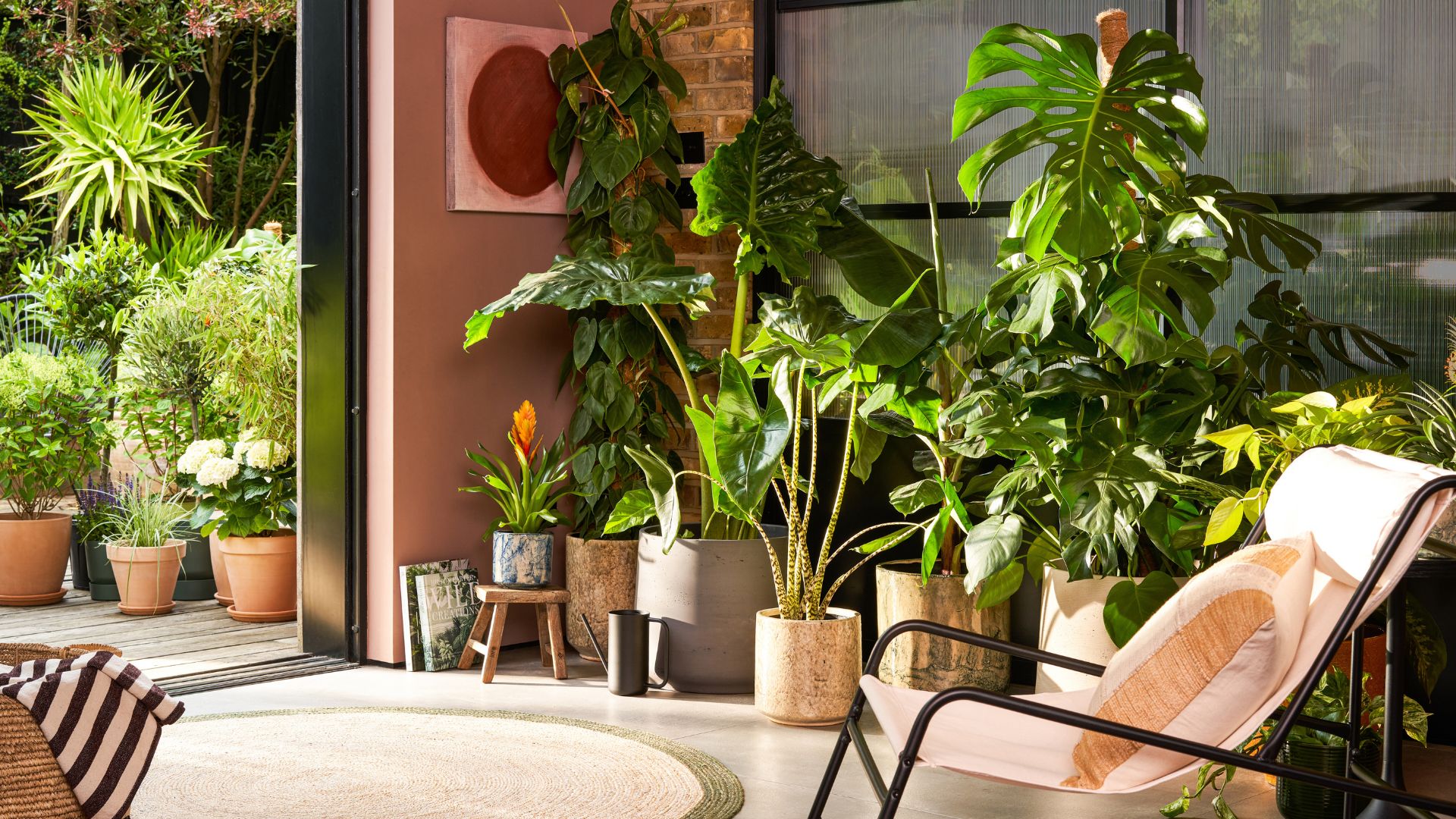
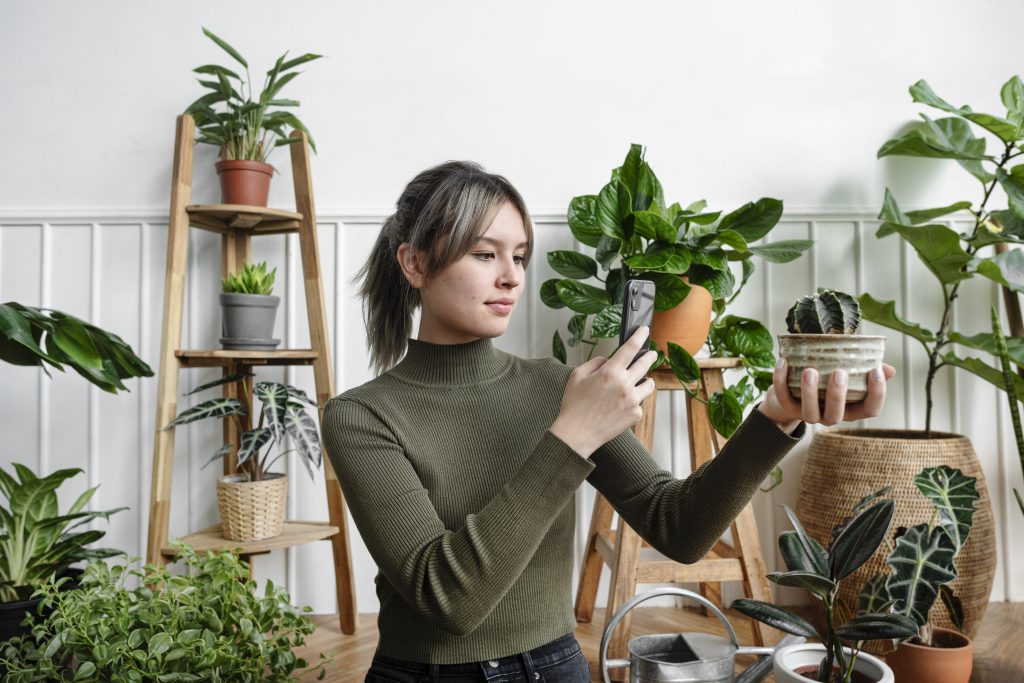
- Grouping plants together (they transpire and create a microclimate).
- Placing plants on a tray filled with pebbles and water.
- Use a humidifier nearby.
- Avoid Drafts: Keep plants away from AC vents, radiators, and drafty doors. Sudden temperature swings can cause a plant to go into shock and drop its leaves overnight.
Soil, Pots, and Drainage
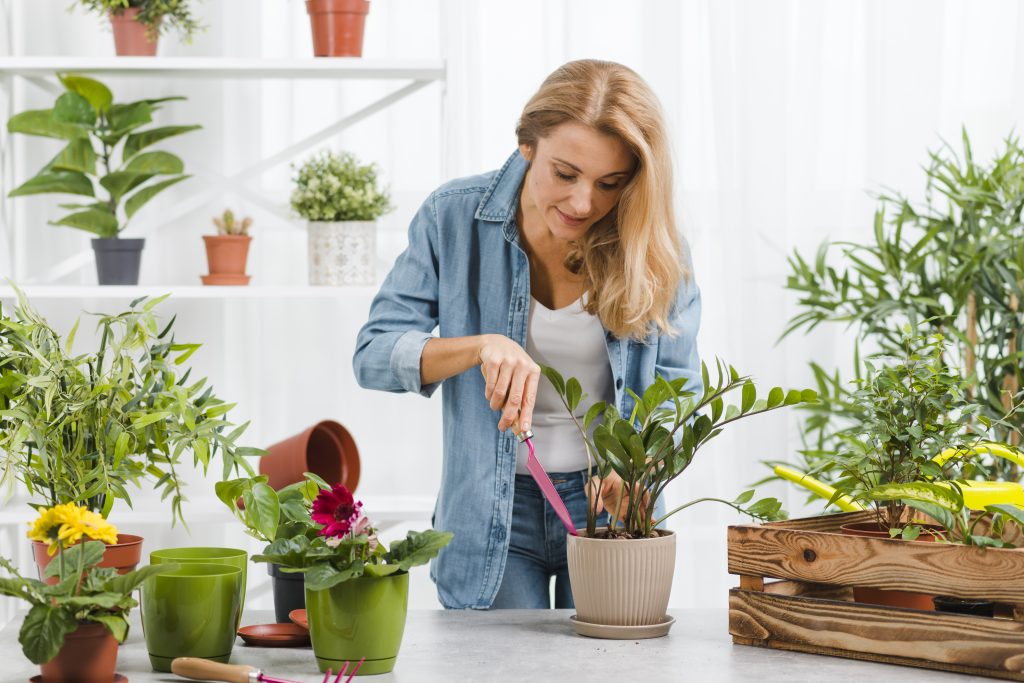
Proper indoor plant care requires the right foundation. Never use garden soil for indoor pots; it is too heavy and can carry outdoor pests. Always use a high-quality “indoor potting mix” which contains peat moss, perlite, or vermiculite to keep the soil airy and light.
Equally important is the pot. Drainage holes are mandatory. If you find a beautiful decorative pot without a hole, keep your plant in its plastic “nursery pot” and place that inside the decorative one. This allows you to take the plant to the sink, water it, let it drain, and then put it back.
Feeding Your Plants: Fertilization 101
Plants don’t need much “food” during the dark winter months, but during the spring and summer (the growing season), they need extra nutrients. Use a balanced, water-soluble liquid fertilizer. A safe rule for beginners is to dilute the fertilizer to half the strength recommended on the bottle. This prevents “fertilizer burn,” which manifests as brown, crispy tips on the leaves.
Cleaning and Grooming
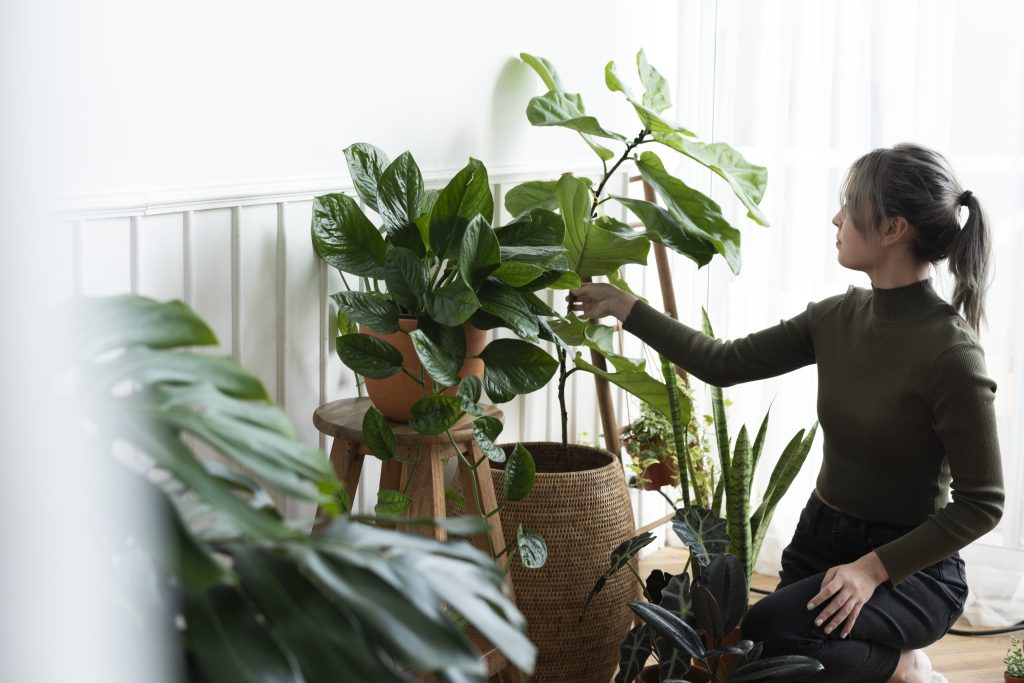
Dust acts like a blanket on leaves, blocking sunlight and clogging the “pores” (stomata) of the plant. Part of regular indoor plant care should include wiping the leaves with a damp cloth every few weeks. This not only keeps them looking shiny and beautiful but also allows the plant to breathe and photosynthesize at 100% efficiency.
Additionally, don’t be afraid to prune. Removing yellow or dead leaves directs the plant’s energy toward healthy, new growth and prevents pests from hiding in decaying matter.
Troubleshooting Pests
Even with perfect indoor plant care, pests like spider mites, mealybugs, or fungus gnats can appear.
- Fungus Gnats: Usually a sign that the soil is staying too wet. Let the soil dry out.
- Mealybugs: Look like tiny bits of white cotton. Wipe them off with a cotton swab dipped in rubbing alcohol.
- Prevention: Check the undersides of leaves every time you water. Early detection is the key to stopping an infestation before it spreads to your entire collection.
Conclusion
Successful indoor plant care isn’t about being perfect; it’s about being observant. Your plants will talk to you through their leaves. Drooping usually means thirst, yellowing often means too much water, and small leaves usually mean a need for more light. By starting with easy species, respecting the watering cycle, and providing the right light, you will find that keeping indoor plants is one of the most rewarding and stress-reducing hobbies you can have.
FAQs
1. How do I know if my plant needs repotting?
If you see roots growing out of the drainage holes or circling the top of the soil, the plant is “root-bound” and needs a pot one size larger.
2. Can I use tap water for all my plants?
Most plants are fine with tap water, but sensitive varieties like Calatheas or Spider Plants prefer filtered or rainwater to avoid tip burn from chlorine.
3. Why are my plant’s leaves turning brown at the tips?
This is usually caused by low humidity, inconsistent watering, or a buildup of salts from tap water and fertilizer.
4. How much light is “low light”?
Low light means you can comfortably read a book in the spot during the day without a lamp, but there is no direct sun.
5. Should I mist my plants?
Misting only raises humidity for a few minutes. It’s better for cleaning leaves, but a humidifier is better for long-term health.
6. What is the best time of day to water?
Morning is best. This allows the plant to hydrate before the sun hits its peak and gives the leaves time to dry, preventing fungal issues.
7. Why is my plant dropping green leaves?
Sudden leaf drop is usually a sign of shock, often caused by a cold draft or moving the plant to a significantly different light location.
8. Do plants go dormant in the winter?
Yes, most house plants slow their growth in winter. You should reduce watering and stop fertilizing during this time.
9. Can I grow indoor plants in a room with no windows?
Only if you use “grow lights.” No plant can survive long-term in total darkness.
10. How do I make my plant grow faster?
The fastest way to encourage growth is to provide more bright, indirect light and maintain a consistent fertilizing schedule during the summer.