How to propagate a fiddle leaf fig. Propagating a fiddle leaf fig (Ficus lyrata) is a cost-effective way to expand your collection from a single plant. Although these plants are often considered “finicky,” they can regenerate easily from stem cuttings if you provide the right warmth, light, and humidity. This guide covers 12 essential steps to successfully clone your tree using methods ranging from simple water propagation to advanced air layering.
The Biology of Ficus Propagation
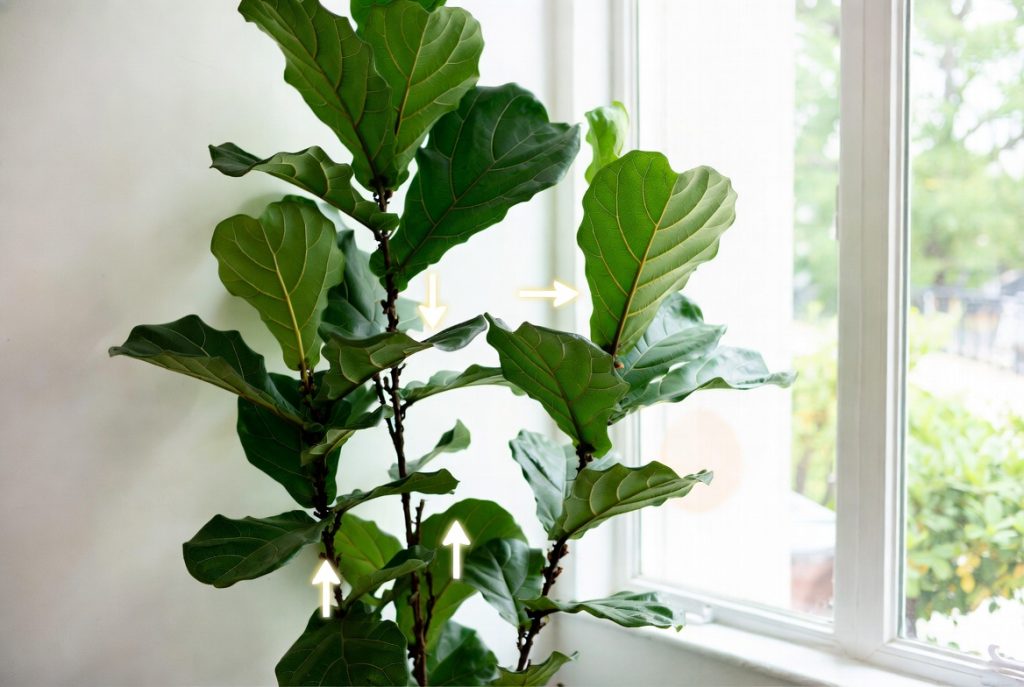
To master how to propagate a fiddle leaf fig, you must understand the “node.” The node is the biological powerhouse of the stem—a small horizontal ring where the leaf attaches to the trunk. This area is packed with meristematic cells that have the potential to grow into roots. When you take a cutting, you are essentially redirecting the plant’s energy to activate these cells. Furthermore, because these plants belong to the mulberry family, they produce a white, latex-rich sap. This sap acts as a natural bandage to protect the plant from pests, but it must be managed carefully during propagation to ensure the new roots can break through.
1. Timing the Cut for Maximum Energy
The first rule of indoor plant care is working with the seasons. You should only propagate your fiddle leaf fig during the spring or early summer. During these months, the plant is in its peak metabolic state, flooded with natural growth hormones called auxins. Cuttings taken in autumn or winter often sit dormant and rot because the plant doesn’t have the energy to initiate root cell division.
2. Selecting the Best Cutting Material
Choose a healthy, vibrant stem that is “semi-hardwood.” This means the stem should be green and somewhat flexible at the top, but starting to feel firm toward the base. Avoid branches that are completely brown and bark-covered, as they are too old to root quickly. Ensure the section has at least 2 to 3 healthy leaves to provide energy via photosynthesis while the roots develop.
3. The Precision Node Cut
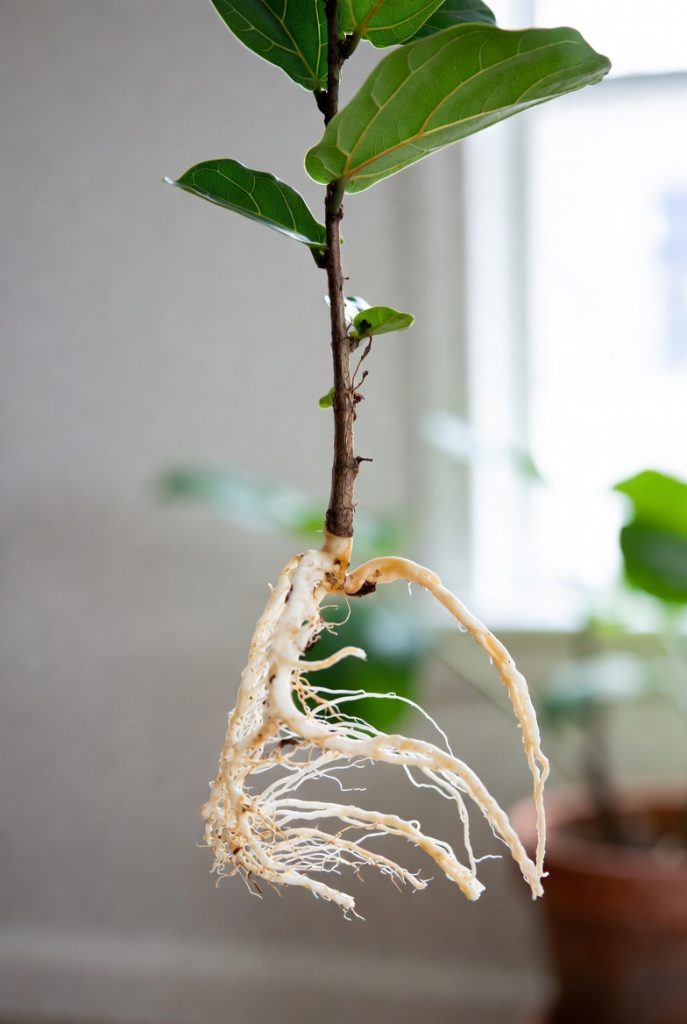
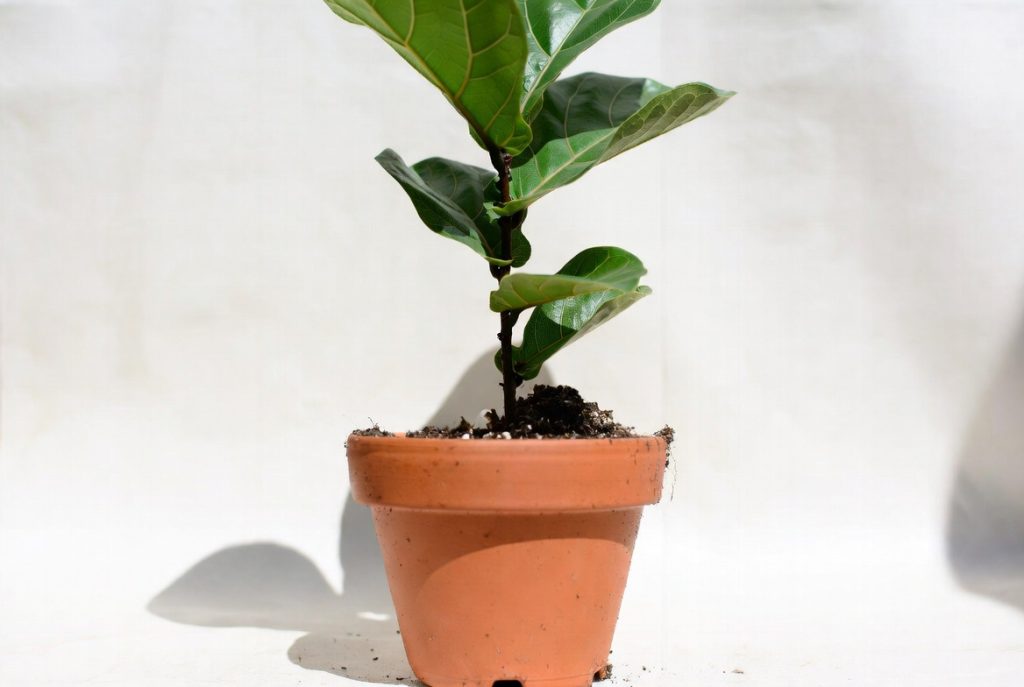
Roots will only emerge from a node. Using a sharp, sterilized blade, make a clean cut at a 45-degree angle about one inch below the lowest node on your cutting. A clean cut prevents “crushing” the stem tissues, which is a leading cause of bacterial rot in the propagation jar.
4. Handling the Milky Latex Sap
Immediately after cutting, the plant will bleed white sap. This sap is a skin irritant and can clog the bottom of your cutting. Blot the sap with a damp cloth or paper towel. Some gardeners prefer to let the cutting sit in the air for 20 minutes to “callus” over, which creates a protective barrier against fungal infections once placed in water or soil.
5. Water Propagation (The Visual Method)
This is the most popular way to see how to propagate fiddle leaf fig because it allows you to monitor root growth.
- The Process: Place the cutting in a clean glass jar filled with room-temperature, filtered water.
- The Rule: Only the bottom 2 inches of the stem should be submerged. If leaves touch the water, they will rot and contaminate the environment.
6. Soil Propagation (The Direct Method)
Propagating directly in soil often results in a “tougher” root system that is better prepared for long-term growth.
- The Mix: Use a sterile, soil-less medium like a mix of 50% peat moss and 50% perlite. This guarantees the roots receive a lot of oxygen.
- The Care: Keep the soil consistently moist but never soggy.
7. Advanced Safety: The Air Layering Technique
If you are worried about losing a precious branch, air layering is the safest method because the cutting stays attached to the mother tree’s life support until roots form.
- How it works: You “wound” the stem, wrap it in damp sphagnum moss, and seal it with plastic wrap. Once the roots fill the plastic, you simply snip the branch off and pot it.
8. Using Rooting Hormones for a Boost
While not mandatory, applying a synthetic rooting hormone (powder or gel) can significantly increase your success rate. It provides a concentrated dose of the hormones the plant needs to “switch” from leaf production to root production, often cutting the propagation time in half.
9. Providing Bright, Indirect Light
A common mistake in indoor plant care is putting unrooted cuttings in direct sunlight. This causes “transpiration stress,” where the leaves lose water faster than the stem can absorb it. Place your cuttings in a bright room, but out of the direct rays of the sun. An East-facing window is usually the perfect location.
10. Thermal Regulation for Rooting
Rooting is a biological reaction that requires warmth. Ensure the propagation area stays between 21°C and 27°C. If your home is cool, the cutting will likely rot before it roots. Using a seedling heat mat under your jars can create the tropical “bottom heat” that Ficus species crave.
11. Managing Humidity and Evaporation
Since your cutting has no roots, it must absorb moisture from the air. If you are propagating in soil, place a clear plastic bag over the top to create a “humidity tent.” This traps moisture around the leaves and prevents them from wilting while the plant focuses on root development.
12. Transitioning to a Permanent Pot
Patience is key. For water propagation, do not pot the plant until the roots are at least 3 to 4 inches long and have started to grow secondary lateral roots (roots growing off the main roots). When you move it to soil, keep the soil extra moist for the first two weeks to help the “water roots” adapt to their new environment.

Conclusion
Mastering how to propagate fiddle leaf fig is a milestone for any indoor gardener. It moves you beyond just keeping a plant alive to actually creating new life. While the process can take 6 to 10 weeks, the sight of those first white root nubs is incredibly rewarding. By providing the right light, maintaining clean water, and ensuring high humidity, you can successfully turn your pruning scraps into beautiful, independent trees.
FAQs
1. Can a fiddle leaf fig grow from a single leaf?
A leaf can grow roots (a “zombie leaf”), but without a piece of the stem and a node, it will never grow into a tree.
2. Why is my cutting’s water turning brown?
This is caused by bacteria or decaying sap. Change the water immediately and clean the jar.
3. How often should I change the propagation water?
Every 5 to 7 days is ideal to ensure the water stays oxygenated and clean.
4. My cutting is dropping its leaves. Is it dying?
If it drops one leaf but the stem is firm, it may just be in shock. If the stem is mushy, it has rot.
5. Do I need to fertilize my propagation?
No. Cuttings cannot process fertilizer until they have a developed root system.
6. Can I use cinnamon as a rooting hormone?
Cinnamon is a great natural antifungal, but it doesn’t contain the specific hormones needed to trigger root growth.
7. Why are the new roots turning brown? Healthy roots are white or tan. Brown, mushy roots indicate rot caused by bacteria or a lack of oxygen.
8. When should I take the “humidity tent” off?
Gradually open the bag over a few days once you see new green growth appearing at the top of the cutting.
9. Can I propagate in perlite only?
Yes! Perlite propagation is very effective because it provides a perfect balance of water and air.
10. Is the white sap toxic to cats?
Yes, the sap is toxic to both cats and dogs. Always keep your cuttings in a safe place away from pets.