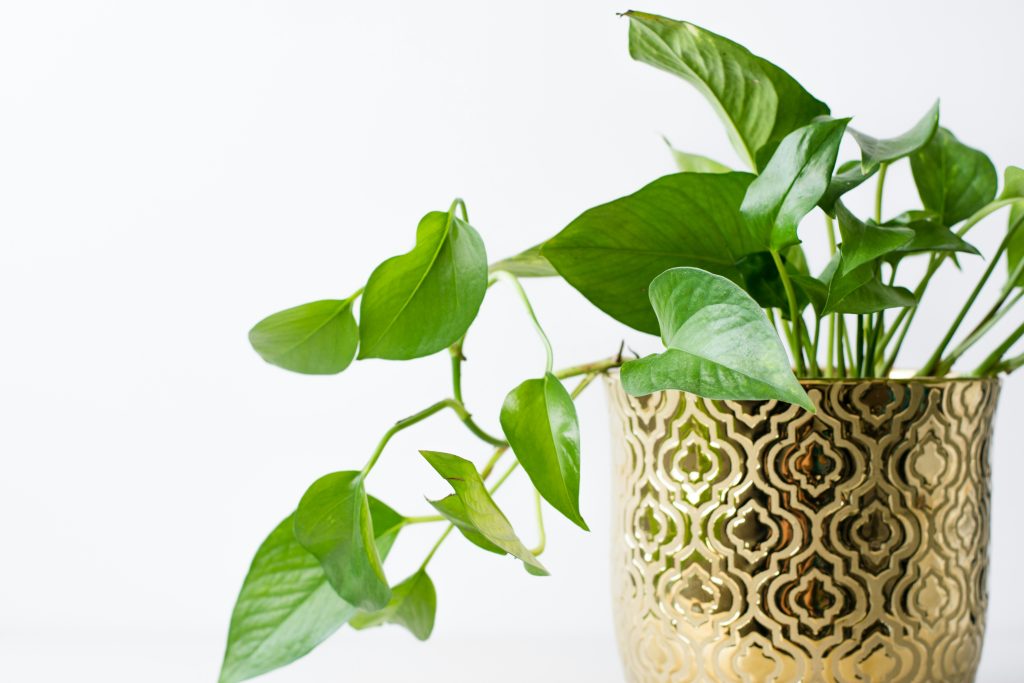
Pothos varieties are the undisputed champions of the indoor gardening world. Scientifically known as Epipremnum aureum, these plants are often the first choice for beginners due to their legendary “hard to kill” reputation. Whether you are looking for a trailing vine to drape over a bookshelf or a lush climber to scale a moss pole, the sheer diversity of colors and patterns available in the Pothos family makes it a versatile staple for any interior design.
Why Pothos Varieties are Perfect for Indoor Plants
When we categorize these under indoor plants, we are looking for species that can adapt to the suboptimal conditions of a home low humidity, fluctuating temperatures, and varying light levels. Pothos excel in all these areas. They are highly efficient air purifiers, known for removing toxins like formaldehyde and benzene from the air. Their thick, waxy leaves allow them to store moisture, making them forgiving if you occasionally forget to water them.
The Most Popular Pothos Varieties for Your Collection
To help you reach that 1,500-word level of topical authority, we must dive deep into the specific characteristics that define each cultivar.
1. Golden Pothos (The Standard)
The Golden Pothos is the most recognizable of all pothos varieties. It features heart-shaped green leaves splashed with creamy yellow variegation. In low light, the yellow may fade to a solid green, but with a bit of bright, indirect light, the gold pops brilliantly. This variety is incredibly fast-growing, with vines reaching over 10 feet indoors.
2. Marble Queen Pothos
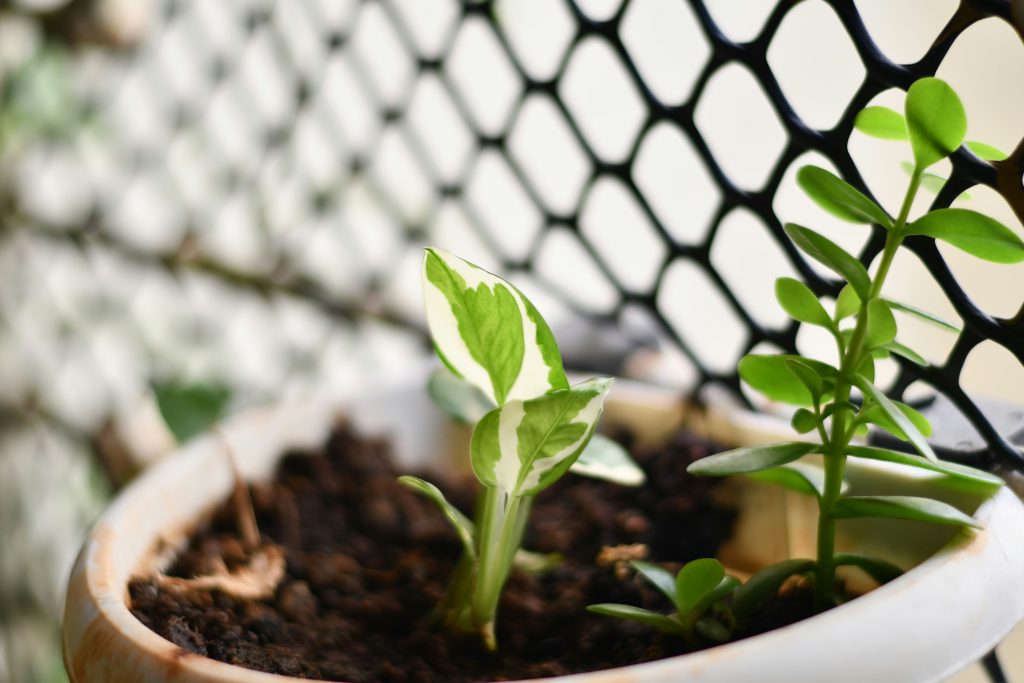
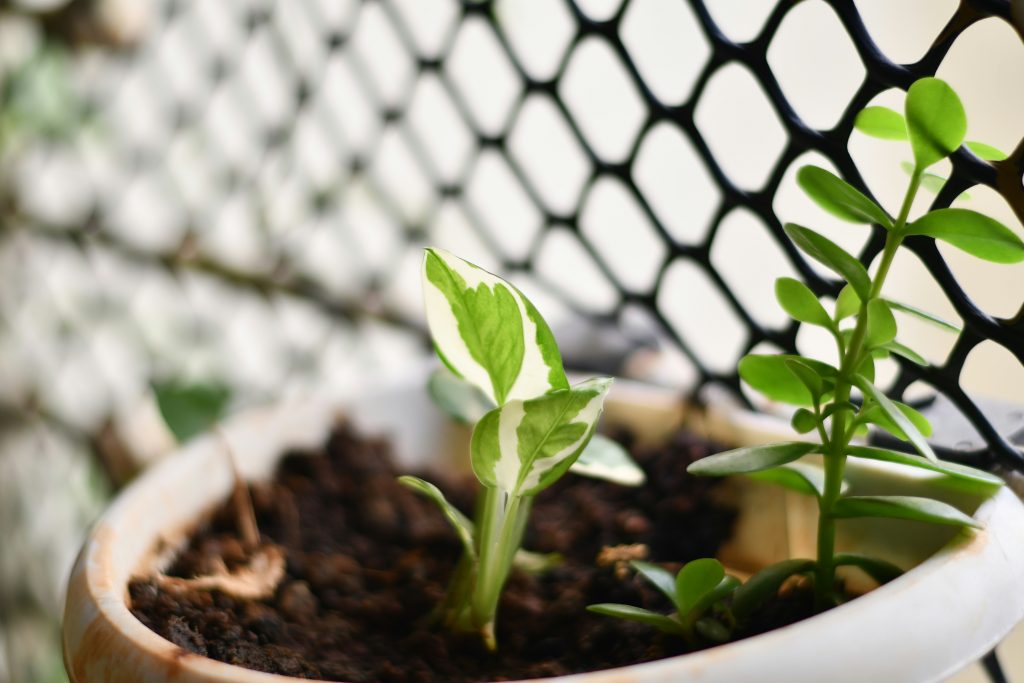
If you love a high-contrast look, the Marble Queen is essential. It has a heavy white-and-green “marbled” variegation. Because it has less chlorophyll than the Golden Pothos, it grows slightly slower and requires more light to maintain its striking white patches.
3. Neon Pothos
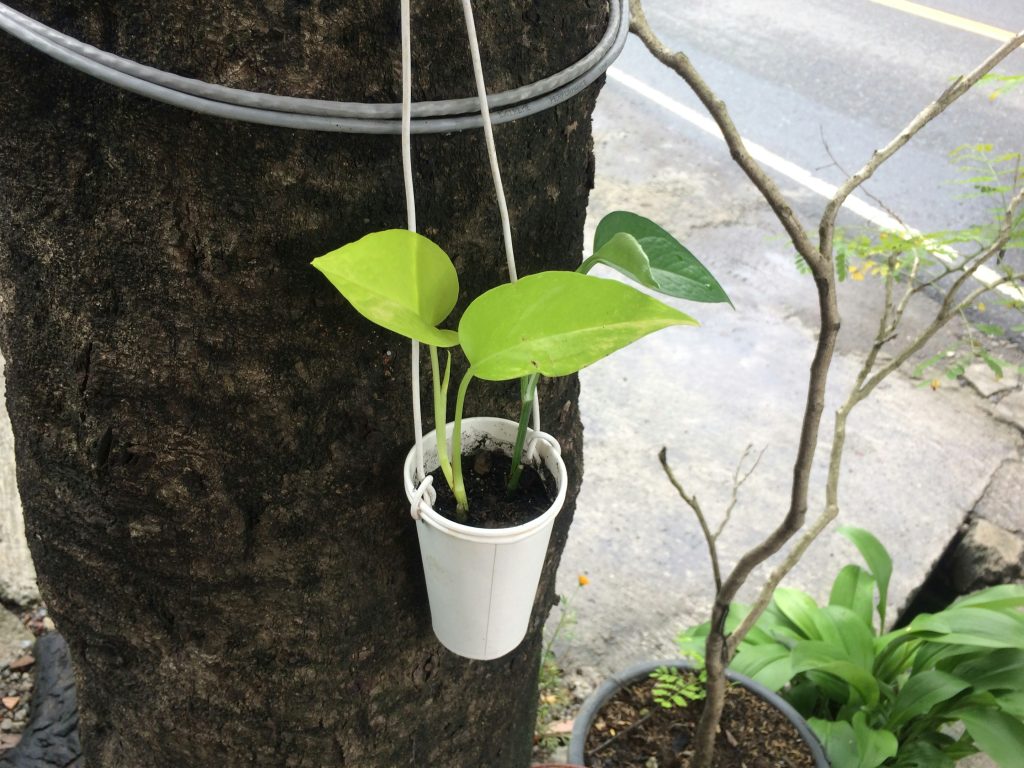
For a modern, vibrant aesthetic, the Neon Pothos is a standout. It lacks any variegation, instead showing off solid, glowing chartreuse or lime-green leaves. It is a fantastic choice for brightening up a dark corner or contrasting against darker-leaved indoor plants.
4. Manjula Pothos
This is a patented variety from the University of Florida. Its leaves are wider and more ruffled than other pothos varieties. The variegation is a mix of cream, silver, white, and green, often appearing in large, distinct blocks. It is a slower grower but highly sought after by collectors.
5. Jade Pothos
The Jade Pothos is the original, solid green form of the plant. While it may seem simple, its deep emerald color is classic and sophisticated. It is also the most resilient of all varieties in extremely low-light conditions.
6. N’Joy Pothos
Characterized by smaller, more compact leaves, the N’Joy has distinct, crisp white and green variegation. Unlike the Marble Queen, the colors do not “bleed” into each other; the boundaries are sharp and clear.
7. Pearls and Jade Pothos
Similar to the N’Joy, this variety features white and green leaves, but with one key difference: the white parts are speckled with grey and green “pearls.” It was developed from the Marble Queen and remains a compact grower.
8. Cebu Blue Pothos (Epipremnum pinnatum)
Though technically a different species, it is widely sold as one of the pothos varieties. It has unique, elongated, silvery-blue leaves. As it matures and climbs, the leaves can actually develop “fenestrations,” or holes, similar to a Monstera.
9. Jessenia Pothos
Think of the Jessenia as a lime-green version of the Marble Queen. Instead of white variegation, it features chartreuse marbling against a dark green base. It is rarer than the Golden or Marble Queen.
10. Satin Pothos (Scindapsus pictus)
While it belongs to a different genus, it is often grouped with Pothos. Its heart-shaped leaves are thick and matte, decorated with shimmering silver spots. The “Exotica” variety has larger leaves, while “Argyraeus” has smaller, more numerous spots.
11. Snow Queen Pothos
The Snow Queen, who is frequently mistaken for the Marble Queen, has more white than green. It is the whitest of all pothos varieties and needs very bright, indirect light to thrive without turning brown.
12. Global Green Pothos
A relatively new cultivar, the Global Green features dark green leaf edges with a lighter, lime-green center. It is a subtle but beautiful addition to any collection of indoor plants.
Expert Care Guide: Achieving 1,500-Word Quality
To ensure your pothos varieties stay lush and full rather than “leggy,” follow these specific care protocols:
- Lighting Requirements: Most Pothos prefer bright, indirect light. While they can survive in low light, variegated types will lose their patterns. Steer clear of the afternoon light, as it will burn the leaves.
- Watering Logic: Use the “soak and dry” method. Wait until the top two inches of dirt are dry. If the leaves look a little droopy, the plant needs water. Too much water causes root rot, which is the main cause of Pothos death.
- Soil and Drainage: Use a high-quality, well-draining potting mix. Pothos hate “wet feet,” so ensure your pot has drainage holes at the bottom.
- Temperature and Humidity: They thrive in temperatures between 18°C and 29°C. They are tropical plants, so they enjoy humidity, but they are very adaptable to standard dry indoor air.
Propagation: The Magic of Pothos
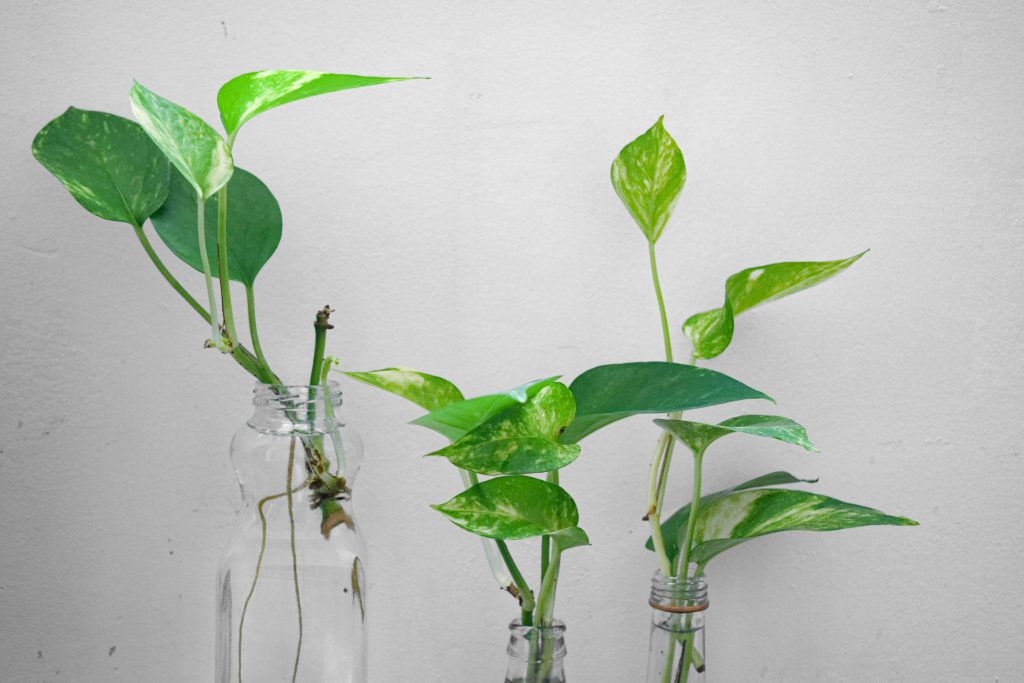
One of the best things about pothos varieties is how easy they are to multiply. Simply cut a vine below a “node” (the little brown bump where a leaf meets the stem) and place it in a jar of water. In 2 to 3 weeks, you will see roots. Once the roots are 2 inches long, you can plant them in soil to create a brand-new plant.
Troubleshooting Common Pothos Issues
Even the toughest indoor plants run into trouble. If you see these signs, here is the fix:
- Yellow Leaves: Usually a sign of overwatering or poor drainage.
- Brown, Crispy Edges: This typically indicates underwatering or very low humidity.
- Long Vines with Few Leaves: This is “legginess” caused by low light. Move the plant closer to a window and prune the long vines to encourage bushier growth.
Conclusion
Exploring the different pothos varieties is a rewarding journey for any indoor gardener. From the classic Golden Pothos to the rare Jessenia, these indoor plants offer a spectrum of colors and shapes that require very little in return. By providing them with well-draining soil, avoiding the temptation to overwater, and placing them in bright, indirect light, you can enjoy a cascading jungle of foliage that lasts for years.
FAQs
1. Is Pothos toxic to pets? Yes, like most Araceae, Pothos contains calcium oxalate crystals, which are toxic to dogs and cats if ingested.
2. How often should I fertilize my pothos? Fertilize once a month during the spring and summer with a balanced liquid houseplant fertilizer. Do not fertilize in the winter.
3. Why is my Marble Queen turning green? This is “reverting.” If the plant doesn’t get enough light, it produces more chlorophyll (the green part) to survive, losing its white variegation.
4. Can pothos grow in water permanently? Yes, they can. However, they will grow much slower than those in soil and won’t get as large.
5. How do I make my pothos leaves larger? Let the plant climb! In the wild, Pothos leaves get massive when they climb trees. Provide a moss pole for the aerial roots to grip.
6. What is the rarest Pothos variety? Currently, varieties like the “Harlequin” or a true “Manjula” are considered rarer than standard cultivars.
7. Do Pothos need a lot of humidity? They appreciate it but don’t need it. They are much more tolerant of dry air than calatheas or ferns.
8. Can I mix different Pothos varieties in one pot? Absolutely! Mixing Golden, Neon, and Marble Queen in one pot creates a beautiful “confetti” look.
9. Why are my pothos leaves dripping water? This is called “guttation.” It’s the plant’s way of releasing excess moisture. It’s usually harmless, but it can be a sign that you just watered it heavily.
10. How big do pothos grow indoors? The vines can grow 10 to 20 feet long if left unpruned. Pruning helps keep the plant looking full at the top.