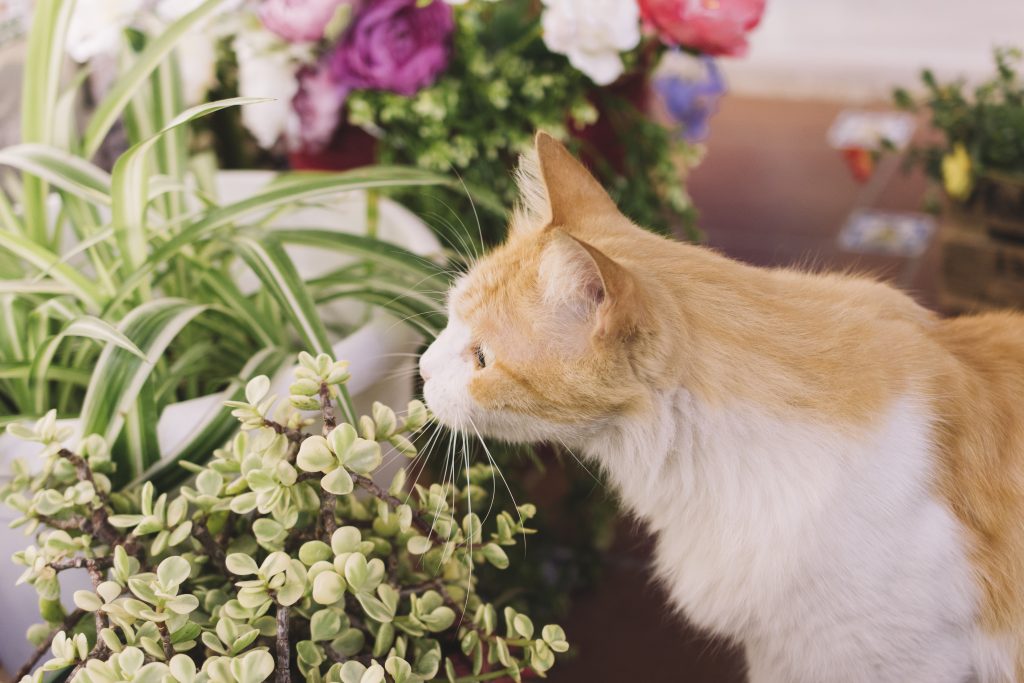
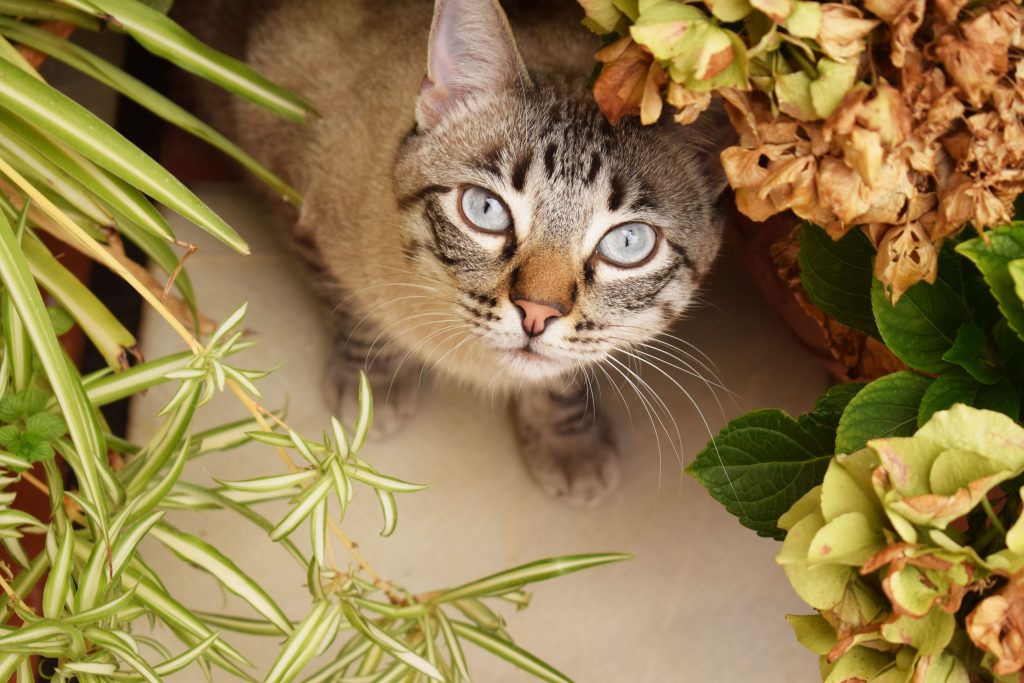
The Chlorophytum comosum, more commonly known as the spider plant, is a staple of the indoor gardening world. Its resilience, air-purifying capabilities, and iconic arching leaves make it a favorite for both beginners and experts. However, if you share your home with a feline companion, you’ve likely noticed a curious and sometimes frustrating trend: cats seem almost obsessed with these plants. They swat at the dangling “spiderettes,” chew on the long leaves, and sometimes act as if they’ve found a hidden stash of catnip.
For a concerned pet owner, this behavior immediately raises an alarm: Are spider plants poisonous to cats? Understanding the biological relationship between your cat and this specific plant is essential for maintaining a harmonious, green living space. In this guide, we will explore the toxicity levels, the strange “hallucinogenic” effect these plants have on felines, and how to protect your greenery and pets.
The Botanical Verdict: A Safe Choice for Felines
The most important fact to establish right away is that spider plants are officially classified as non-toxic to cats and dogs. This isn’t just an anecdotal observation; it is the official stance of the American Society for the Prevention of Cruelty to Animals (ASPCA). Unlike the peace lily, sago palm, or pothos—which can cause severe internal distress or even death—the spider plant does not contain systemic toxins that threaten your cat’s life.
However, “non-toxic” does not necessarily mean “edible without consequence.” To provide the best care for your indoor garden and your pets, we need to look closer at the specific interactions that occur when a cat decides to treat your spider plant like a salad bar.
1. The ASPCA Gold Standard
When researching plant safety, the ASPCA is the primary authority. Their classification of the spider plant as non-toxic means it lacks insoluble calcium oxalates, saponins, or glycosides that usually cause plant-based poisoning in animals. This makes the spider plant one of the safest architectural plants you can introduce into a home with curious pets.
2. The Mild Hallucinogenic Effect
You may have noticed your cat acting slightly “drunk” or unusually hyperactive after eating spider plant leaves. This is because the plant contains chemical compounds that are mildly hallucinogenic to felines. These compounds are structurally similar to opium, and while they aren’t addictive or dangerous in the traditional sense, they do provide a sense of euphoria for your cat. This “high” is often why cats return to the plant repeatedly, even if they get in trouble for it.
3. Why the Physical Form Triggers Predatory Instincts
A cat’s interest in a spider plant isn’t just chemical; it’s visual. The long, thin, grass-like leaves move easily in a breeze, mimicking the movement of a toy or a tail. When the plant produces “spiderettes” (the babies that hang down on long stems), they act as irresistible dangling targets. To a cat, your spider plant isn’t just a plant—it’s a self-replenishing cat toy.
4. Digestive Irritation and Vomiting
Cats are obligate carnivores, meaning their bodies are designed to process meat, not high-cellulose plant material. If your cat consumes a large amount of spider plant foliage, their stomach will likely reject it. Vomiting after eating a spider plant is usually a mechanical reaction to the fiber rather than a symptom of poisoning. It is simply the cat’s way of clearing an indigestible substance from its system.
5. Potential for Allergic Reactions
While rare, individual cats can have sensitivities or allergies to specific plants just like humans do. If you notice your cat’s face swelling, excessive drooling beyond the usual “high” behavior, or skin rashes after they’ve been near the plant, they may be having an allergic reaction. In these specific cases, even a non-toxic plant should be removed from its environment.
6. The Danger of Systemic Fertilizers
A “safe” plant can quickly become a “toxic” one if you are using the wrong maintenance products. Many commercial fertilizers and pesticides are highly toxic to cats. If you are growing spider plants in a pet-friendly home, you must use organic, OMRI-listed fertilizers. Avoid systemic pesticide granules that are absorbed into the plant’s tissues, as these can poison a cat that chews on the leaves.
7. Recognizing Symptoms of Over-Consumption
If your cat has a “spider plant bender,” you might see the following signs:
- Mild diarrhea
- Lethargy (as the “high” wears off)
- Frequent retching or vomiting. These symptoms should be mild and short-lived. If they persist for more than 24 hours, it’s possible your cat has an obstruction or a different underlying issue.
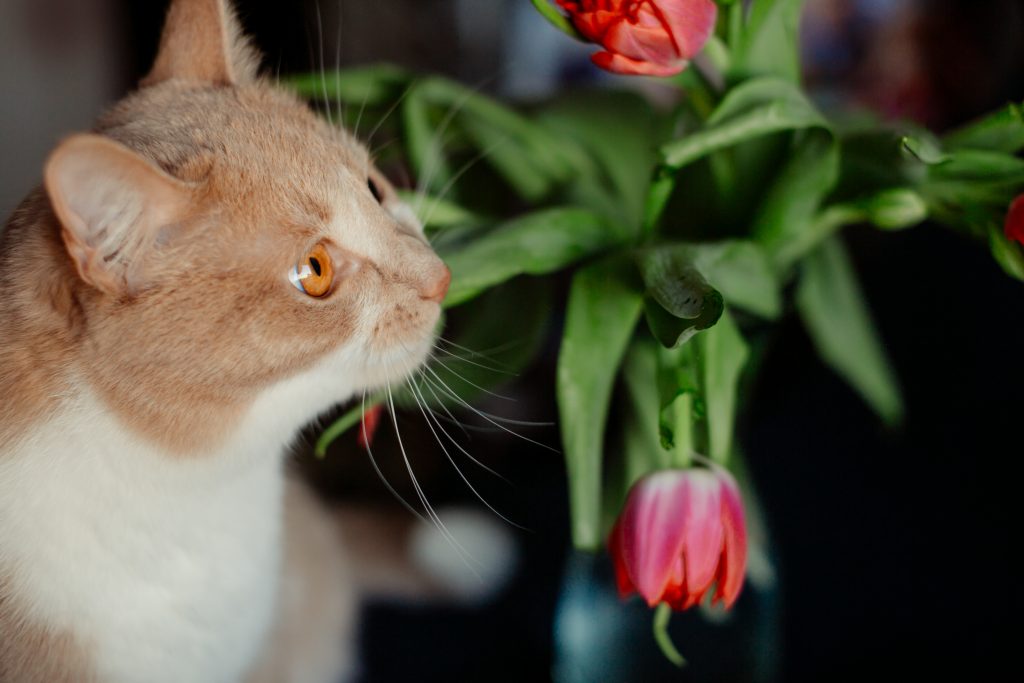
8. Strategic Styling: Hanging Planters
Since we know the plant is safe for the cat, but the cat is dangerous for the plant’s health, the best solution is vertical gardening. Spider plants look best in hanging baskets where their leaves can cascade downward. Placing them in ceiling hooks or high wall-mounted planters keeps the tempting “spiderettes” out of your cat’s jumping range.
9. The Role of “Cat Grass” as a Diversion
Often, cats chew on houseplants because they are seeking folic acid or help with hairballs. By providing a dedicated pot of “Cat Grass” (usually wheatberry or barley), you can satisfy their craving for greens. Most cats will choose the soft, sweet taste of cat grass over the slightly bitter spider plant if given the choice.
10. Air Purification Benefits in Pet Homes
One of the best reasons to keep spider plants is their ability to clean the air. Pet homes often have higher levels of dander and odors. Spider plants are scientifically proven to remove toxins like formaldehyde and carbon monoxide from the air. Having them in your home actually improves the respiratory environment for both you and your cat.
11. Monitoring the “Spiderettes.”
The baby plantlets are the most frequent victims of cat attacks. Because they are smaller and more tender, they are easier for a cat to swallow. If you are trying to propagate your spider plant, it is best to keep the mother plant in a room that is “off-limits” to the cat until the babies are large enough to be potted and moved to a safe location.
12. When to Call the Vet
Even with a non-toxic plant, there are “red flags.” If your cat stops eating their regular food, stops using the litter box, or seems in significant pain after eating a plant, it’s time for a professional opinion. Occasionally, a cat can swallow a large leaf whole, which may cause a physical blockage in the digestive tract that requires medical attention.
Conclusion
Therefore, are spider plants poisonous to cats? The final answer is a clear and relieved no. They are one of the most pet-friendly options for any modern living space. While your cat might treat the plant like a personal playground or a mild intoxicant, you can easily manage the minimal risks. By using hanging baskets and providing alternative “safe” greens like cat grass, you can enjoy the lush, air-purifying benefits of the Chlorophytum comosum without worrying about your feline friend’s safety.
FAQs
1. Why does my cat act weird after eating a spider plant?
The plant contains mild hallucinogenic compounds similar to catnip, which can cause a temporary state of euphoria or “high” in felines.
2. Is it safe to let my cat eat the babies (spiderettes)?
While non-toxic, the babies are easy to swallow and can cause an upset stomach. It’s better to keep them out of reach.
3. Can spider plants cause diarrhea in cats?
Yes, if consumed in large quantities. The cat’s digestive system isn’t built for a lot of plant fiber.
4. What if my cat eats the soil from the spider plant?
The soil can be more dangerous than the plant if it contains heavy fertilizers or perlite. Cover the soil with large decorative stones to prevent digging.
5. Are there any “look-alike” poisonous plants?
Yes, some varieties of lilies have long leaves that look like spider plants but are highly toxic. Always verify the scientific name (Chlorophytum comosum).
6. Does the “high” last a long time?
No, the effects are usually very short-lived, lasting only a few minutes to an hour.
7. Should I use a spray to stop my cat from chewing?
You can use a pet-safe bitter apple spray on the leaves. It won’t hurt the plant and will quickly discourage the cat.
8. Are variegated spider plants more toxic?
No, both the solid green and variegated (striped) versions are equally non-toxic.
9. Can dogs eat spider plants?
Yes, they are also non-toxic to dogs, though dogs rarely show the same “obsessive” interest that cats do.
10. Do spider plants need special light to stay safe?
Light doesn’t affect toxicity, but a healthy plant in bright, indirect light will be more resilient to the occasional cat nibble.