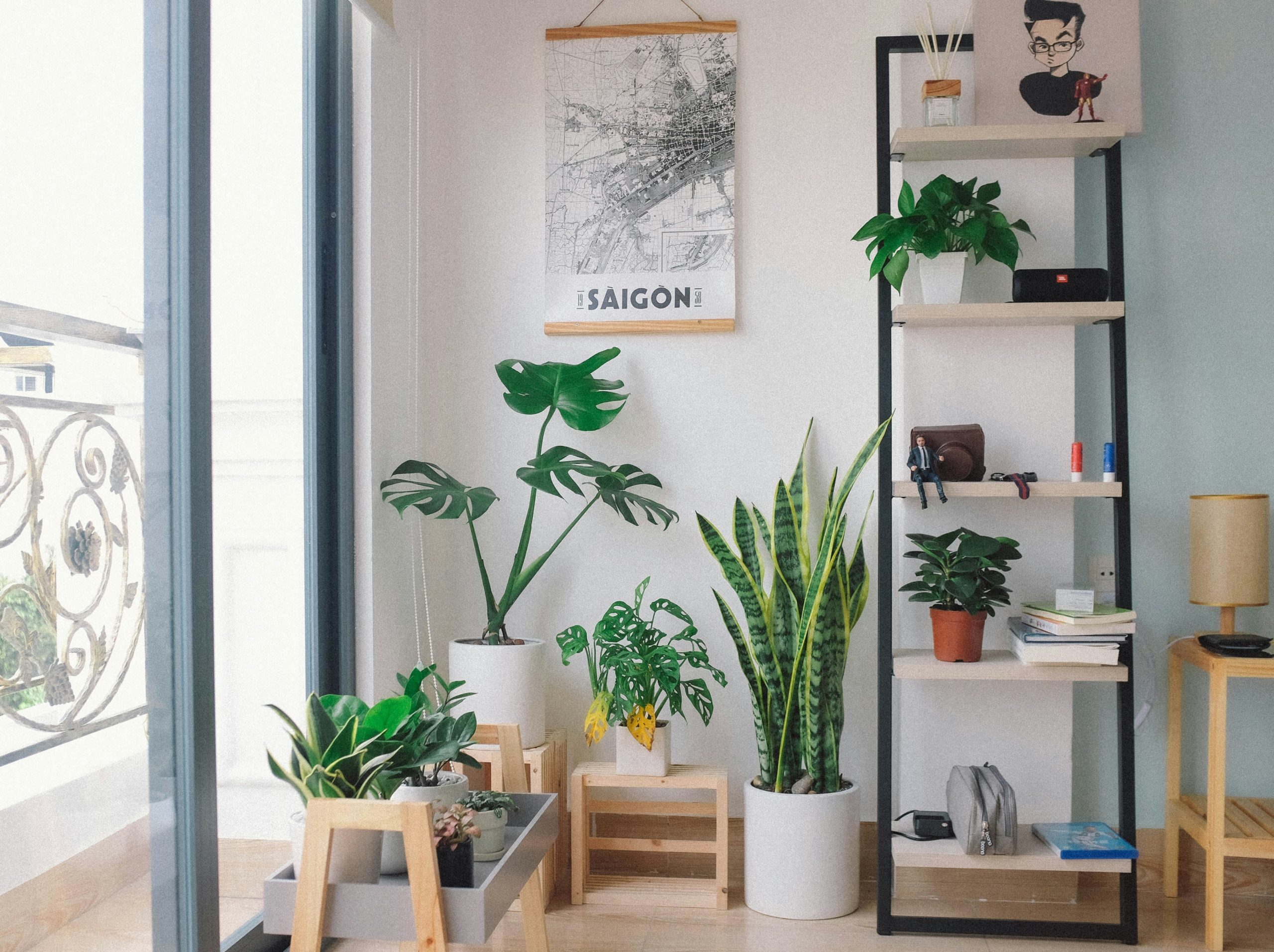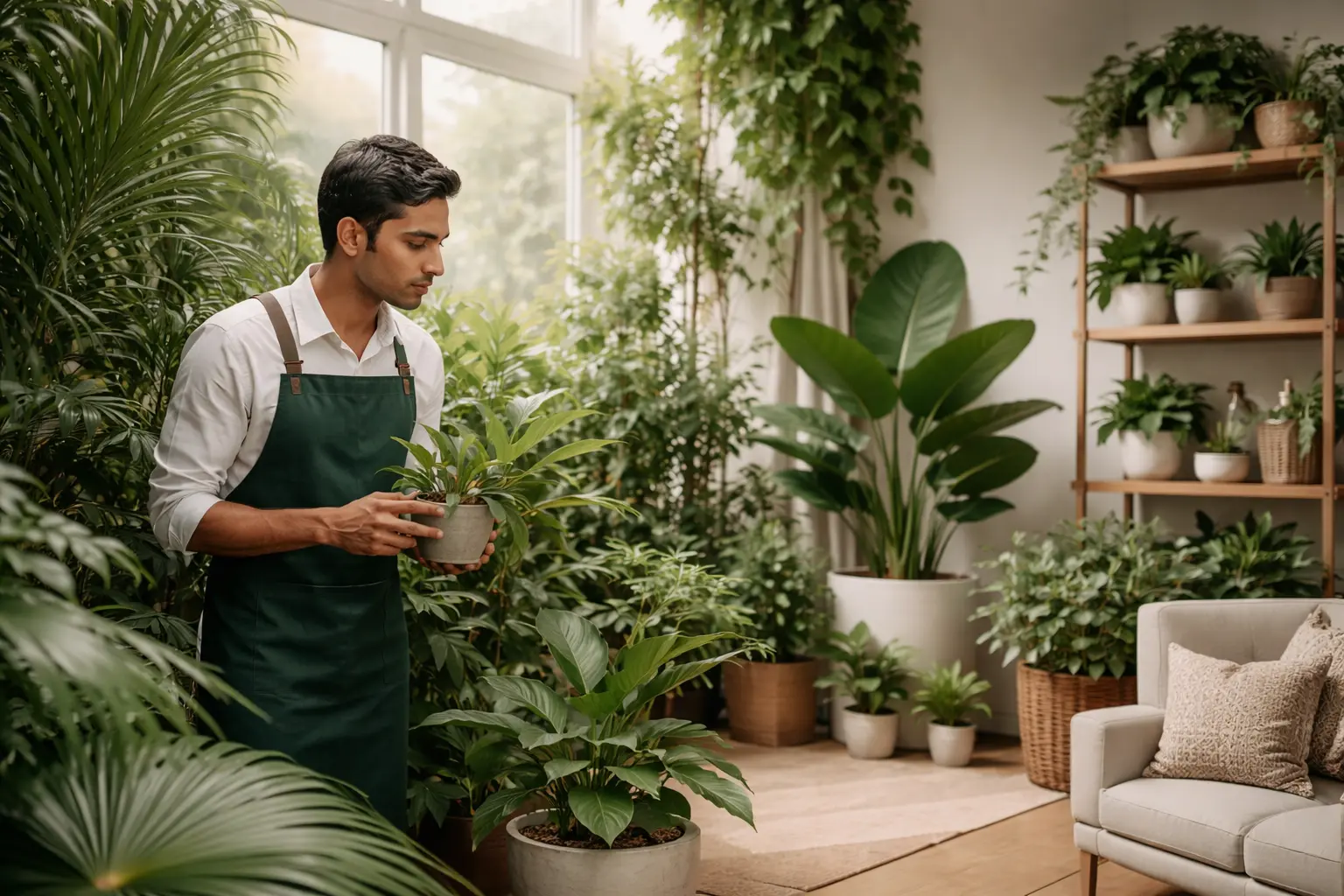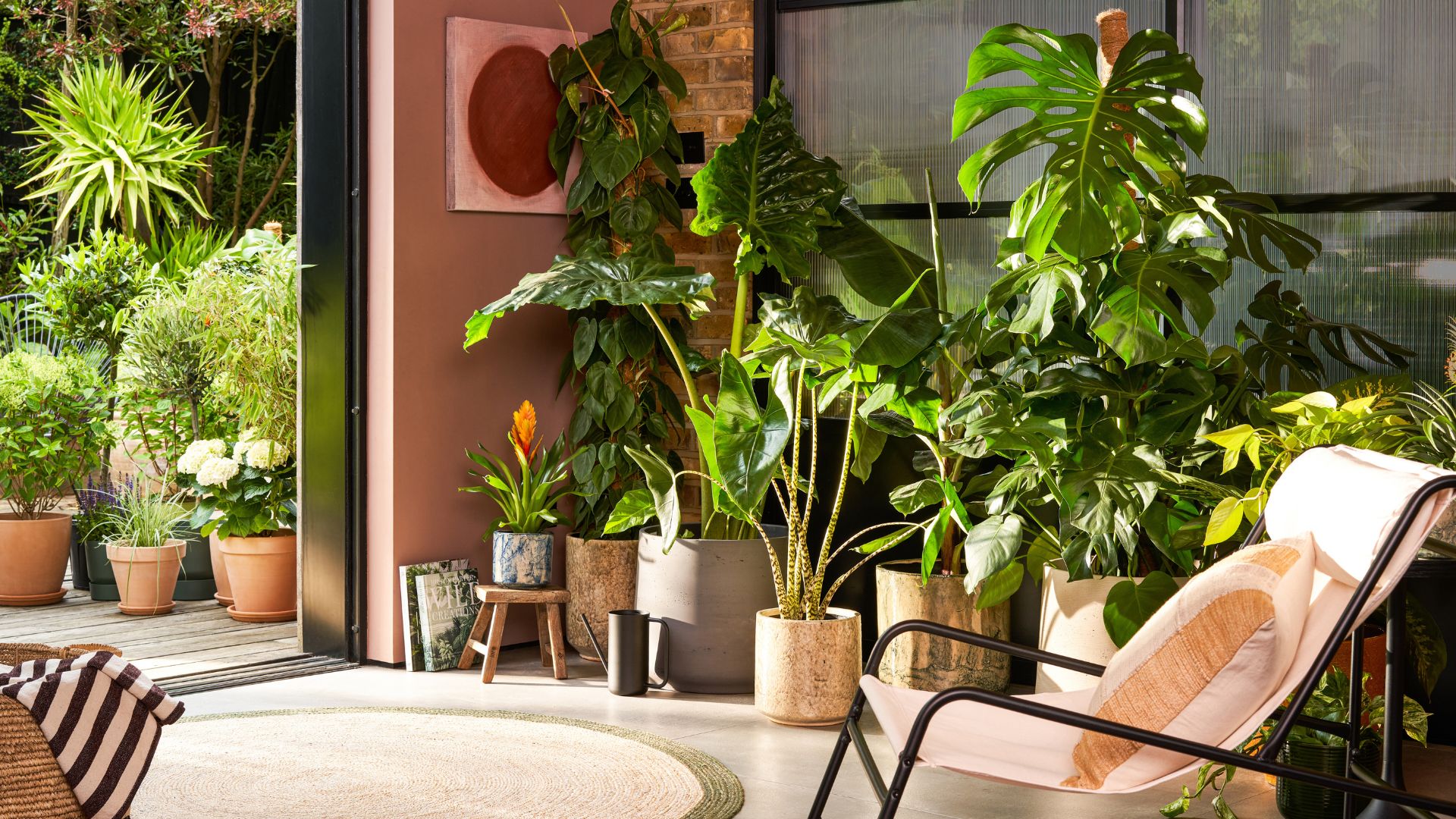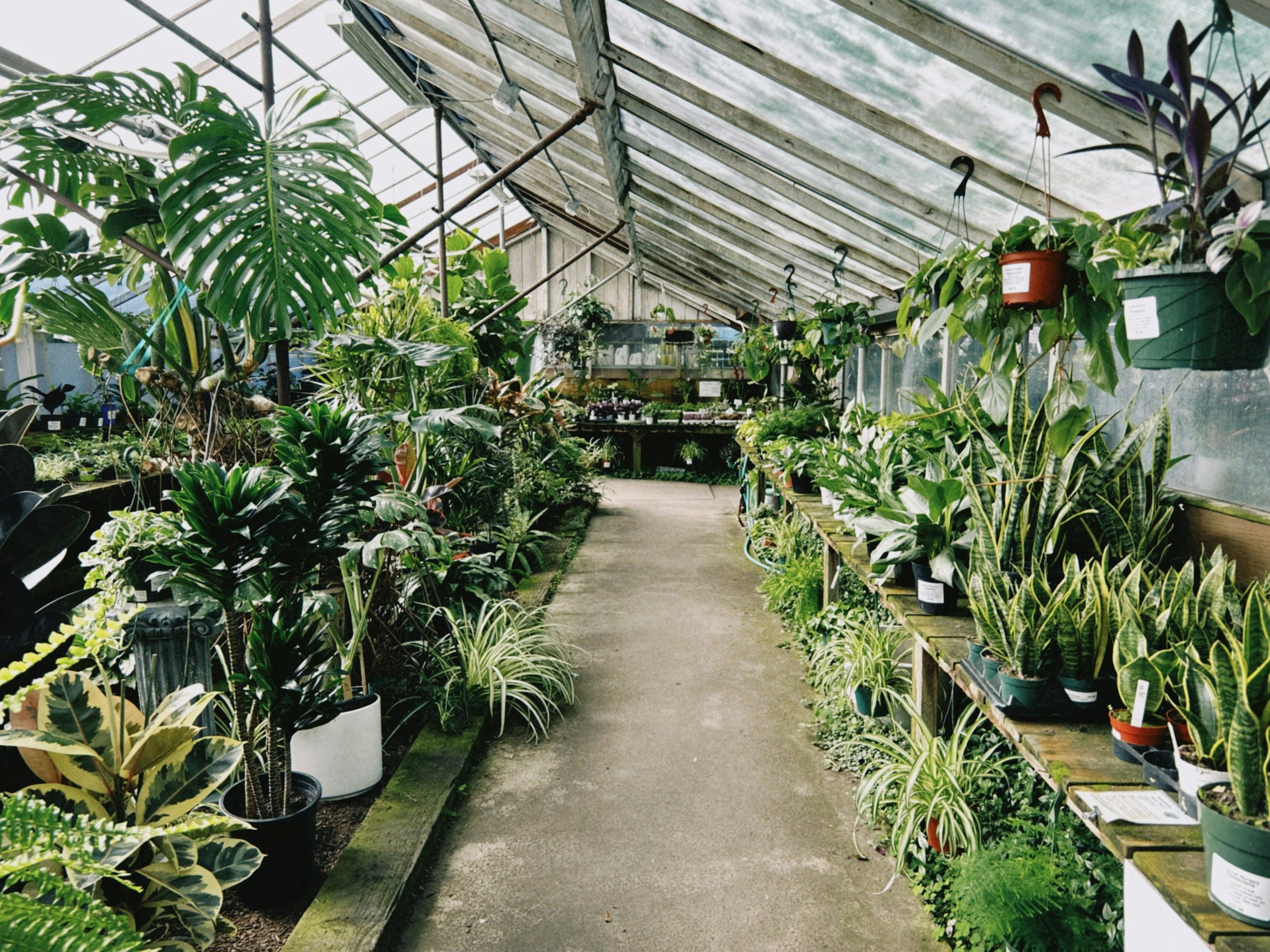
Best indoor plants are no longer just a design trend; they are a fundamental component of a modern, health-conscious lifestyle. As more people transition to remote work and spend increased time inside, the demand for high-quality greenery that thrives in domestic environments has skyrocketed. Integrating the right foliage into your living space does more than just enhance the aesthetic appeal—it fundamentally alters the air quality, reduces psychological stress, and creates a biological connection to nature that is often missing in urban settings.
Choosing the best indoor plants for your specific environment requires a balance between visual preference and the physical constraints of your home, such as light levels, humidity, and the time you can dedicate to maintenance. Whether you are a seasoned “plant parent” looking for a rare specimen or a complete beginner searching for a resilient first plant, this professional guide explores the top twelve varieties that offer the highest success rates and the most significant environmental benefits.
1. Monstera Deliciosa: The Architectural Masterpiece
The Monstera deliciosa, often called the “Swiss Cheese Plant,” remains at the top of the list for the best indoor plants due to its dramatic, fenestrated leaves and architectural presence. It is a statement piece that can quickly transform a dull corner into a tropical sanctuary.
- Light Needs: Bright, indirect light is essential for the development of its iconic leaf holes.
- Care Tip: As a climbing hemiepiphyte, the Monstera requires a moss pole or trellis to support its heavy stems as it matures.
2. Snake Plant (Sansevieria): The Unkillable Air Purifier
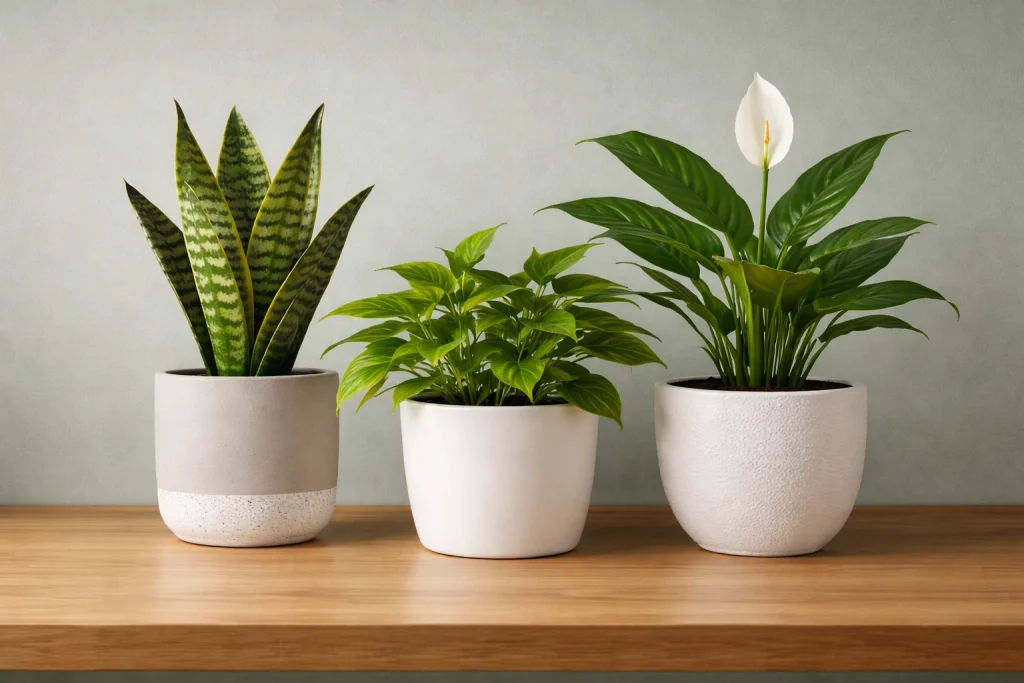
If you are searching for a plant that is virtually indestructible, the snake plant is the definitive choice. It is one of the few plants that continues to produce oxygen even at night, making it one of the best indoor plants for bedrooms.
- Light Needs: Exceptionally versatile; it thrives in low light but grows faster in brighter conditions.
- Watering: Extremely drought-tolerant. Only water when the soil is completely dry to the touch to prevent root rot.
3. Fiddle Leaf Fig (Ficus Lyrata): The Designer’s Favorite
Known for its large, violin-shaped leaves and tall, tree-like stature, the fiddle leaf fig is a staple in high-end interior design. While it has a reputation for being finicky, its visual impact is unmatched.
- Light Needs: Requires consistent, bright filtered light. Avoid moving it frequently, as it reacts poorly to environmental changes.
- Care Tip: Wipe the large leaves with a damp cloth monthly to remove dust, allowing the plant to photosynthesize efficiently.
4. Pothos (Epipremnum aureum): The Versatile Vine
Many people refer to pothos as the “gateway plant” for novices. Its heart-shaped leaves and trailing vines make it one of the best indoor plants for hanging baskets or high bookshelves.
- Resilience: It can survive in almost any lighting condition, including windowless offices with fluorescent lights.
- Varieties: Look for “Golden Pothos” for classic yellow variegation or “Marble Queen” for a stunning white-and-green look.
5. ZZ Plant (Zamioculcas zamiifolia): The Low-Light Champion
The ZZ plant features waxy, deep green leaves that reflect light, brightening up dark rooms. It grows slowly but is incredibly resilient to neglect, making it perfect for frequent travelers.
- Watering: The ZZ plant stores water in large underground rhizomes, meaning it can go weeks without a drink.
- Safety Note: Keep away from pets and children, as all parts of the ZZ plant are toxic if ingested.
6. Peace Lily (Spathiphyllum): The Elegant Flowerer
For those who want more than just green foliage, the peace lily offers beautiful white spathes (flowers) and deep green leaves. It is a powerful air purifier, specifically targeted by NASA for its ability to filter indoor toxins.
- Communication: This plant “talks” to you—when it is thirsty, the leaves will visibly droop, bouncing back quickly after a good watering.
- Humidity: It prefers higher humidity, making it an excellent choice for bathrooms with windows.
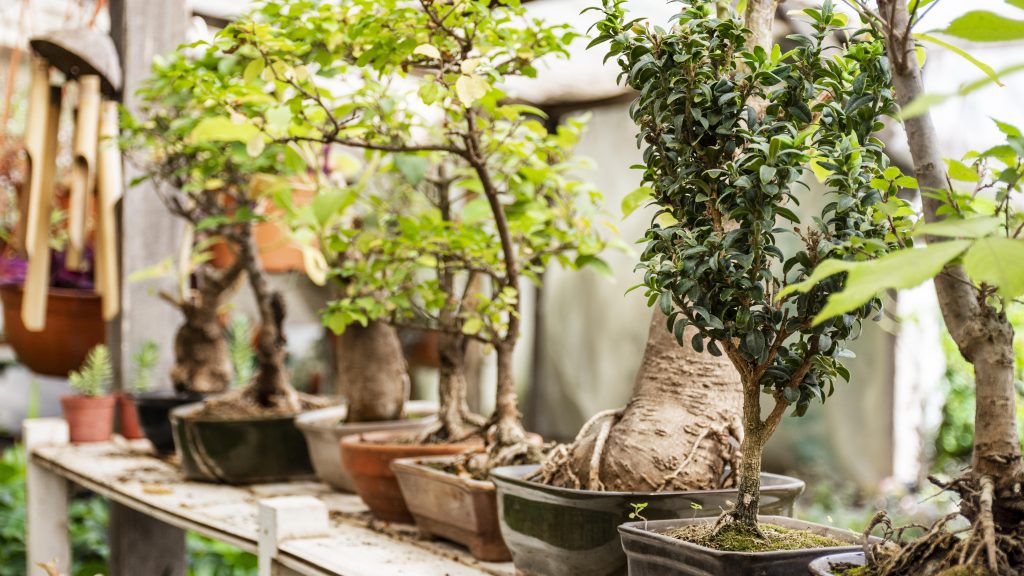
7. Rubber Tree (Ficus elastica): The Bold Statement
The rubber tree is prized for its thick, rubbery leaves that come in various shades, including deep burgundy and variegated cream. It can grow into a substantial indoor tree if given the right conditions.
- Light Needs: Thrives in bright, indirect light. If the light is too low, the plant may lose its lower leaves.
- Growth: Prune the top to encourage the plant to branch out and become bushier rather than just tall and spindly.
8. Spider Plant (Chlorophytum comosum): The Family Favorite
The spider plant is iconic for its long, arching leaves and the “spiderettes” (baby plants) that hang down from the mother plant. It is one of the best indoor plants for pet owners, as it is completely non-toxic.
- Air Purification: Highly effective at removing formaldehyde and xylene from the indoor atmosphere.
- Propagation: The baby plantlets are incredibly easy to root in water, allowing you to expand your collection for free.
9. Bird of Paradise (Strelitzia nicolai): The Giant Lushness
If you have a large space with vaulted ceilings and massive windows, the Bird of Paradise is the ultimate choice. Its giant, banana-like leaves bring an instant jungle vibe to any room.
- Light Needs: Needs several hours of direct morning sun or very bright indirect light to prevent the leaves from splitting excessively.
- Watering: Prefers to stay slightly moist during the growing season but requires excellent drainage.
10. Aloe Vera: The Functional Succulent
Aloe vera is a must-have for the kitchen windowsill. Beyond its architectural succulent look, the gel inside its leaves is famous for soothing minor burns and skin irritations.
- Light Needs: Requires bright light; a south-facing window is ideal.
- Soil: Must be planted in a well-draining cactus or succulent mix to avoid waterlogged roots.
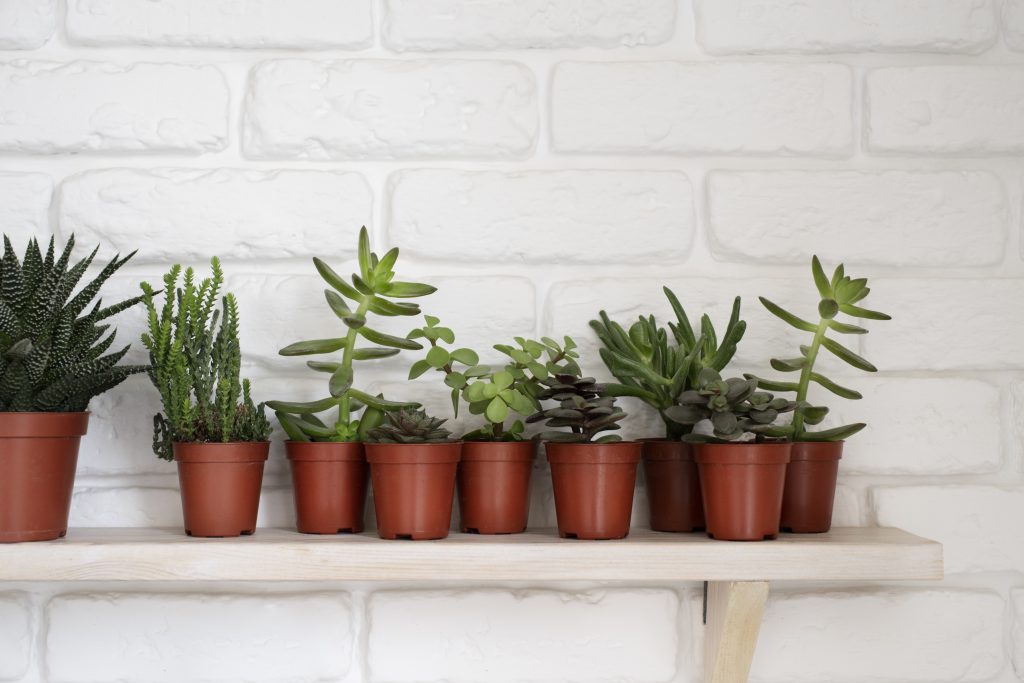
11. Tradescantia Zebrina: The Pop of Color
To break up the sea of green in your indoor garden, the Tradescantia (inch plant) offers stunning purple, silver, and green striped leaves.
- Growth Rate: It is an incredibly fast grower and looks spectacular when allowed to trail down from a height.
- Care Tip: Pinch back the stems regularly to prevent the plant from becoming “leggy” and to encourage fuller growth.
12. Calathea (Prayer Plant): The Artistic Foliage
Calatheas are famous for their intricate leaf patterns that look like they have been hand-painted. They are called “Prayer Plants” because their leaves fold upward at night.
- Watering: This is the most sensitive variety on the list. They prefer distilled or filtered water, as they are sensitive to the chlorine and fluoride found in tap water.
- Humidity: Requires high humidity to prevent the edges of the leaves from turning brown and crispy.
Conclusion
You are investing in your physical and emotional health when you incorporate the greatest indoor plants into your house. By selecting a mix of architectural giants like the Monstera and easy-care favorites like the Snake Plant, you can create a diverse ecosystem that thrives year-round. Remember that the secret to a successful indoor garden is observation. Pay attention to how your plants react to the light and seasonal changes in your home. With the right care and the right species, your indoor plants will provide a lifetime of beauty and clean air.
FAQs
1. What are the best indoor plants for beginners?
Snake plants, pothos, and ZZ plants are the easiest for beginners due to their low light requirements and drought tolerance.
2. Which indoor plants purify the air most effectively?
According to NASA, peace lilies, snake plants, and spider plants are among the top performers for removing indoor toxins.
3. How often should I water my indoor plants?
There is no set schedule. Always check the soil moisture with your finger. Most plants prefer the top inch of soil to dry out before watering again.
4. Do indoor plants need fertilizer?
Yes, but only during the growing season (spring and summer). Use a balanced liquid fertilizer once a month.
5. Why are my plant’s leaves turning yellow? Overwatering is the most common cause. Ensure your pots have drainage holes and that the plant isn’t sitting in stagnant water.
6. Can indoor plants survive without windows?
Yes, but they will need LED grow lights to provide the specific spectrum of light required for photosynthesis.
7. Are most indoor plants safe for pets?
No. Many popular plants like Monsteras and lilies are toxic. Always check the ASPCA list for pet-safe options like the Spider Plant or Boston Fern.
8. How do I get rid of gnats in my plants?
Fungus gnats thrive in moist soil. Let the soil dry out more between waterings and use yellow sticky traps to catch adults.
9. When should I repot my indoor plants?
Generally every 12–18 months, or when you see roots growing out of the drainage holes.
10. Do indoor plants actually reduce stress?
Yes. Multiple studies show that interacting with indoor plants can lower cortisol levels and improve focus and productivity.