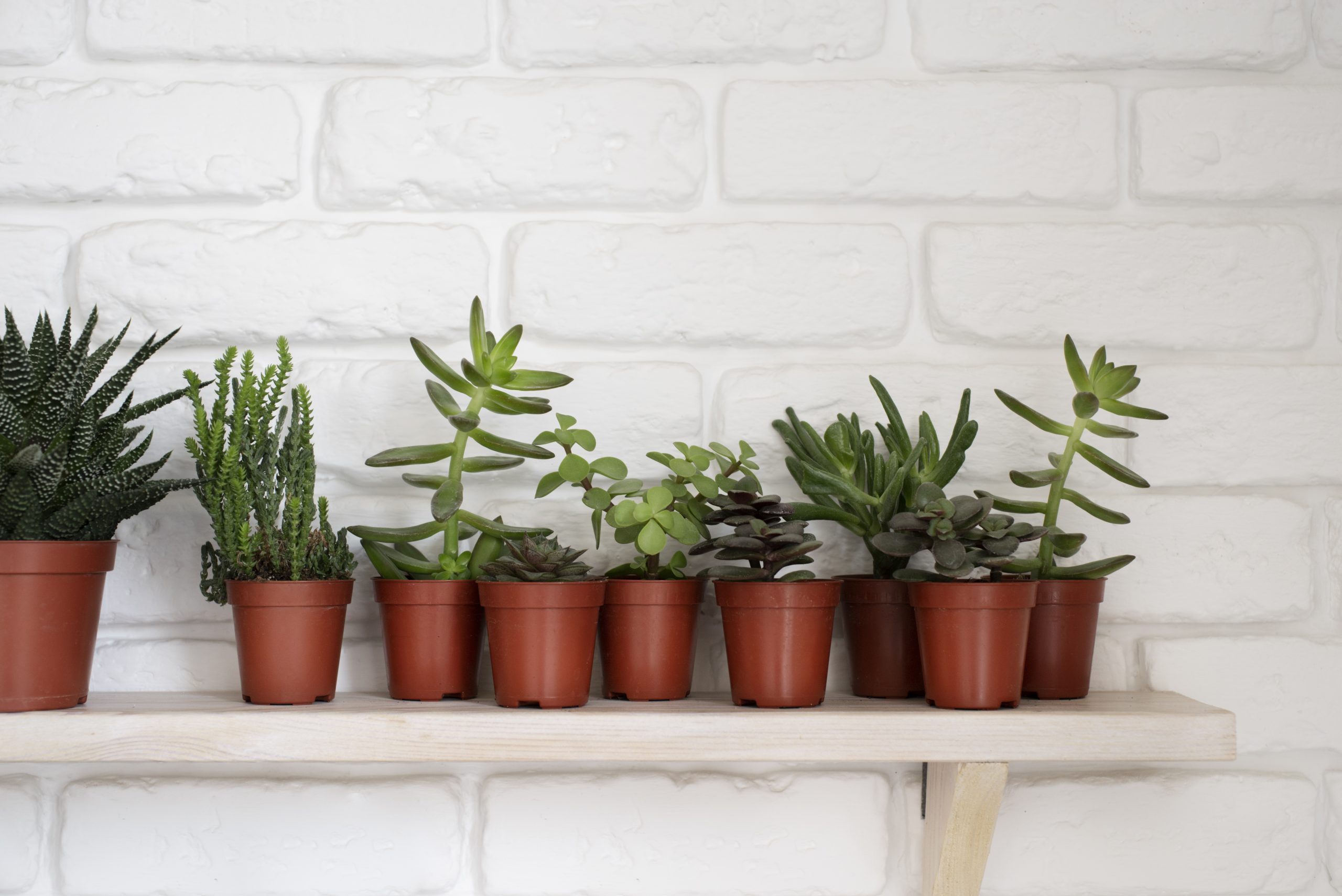
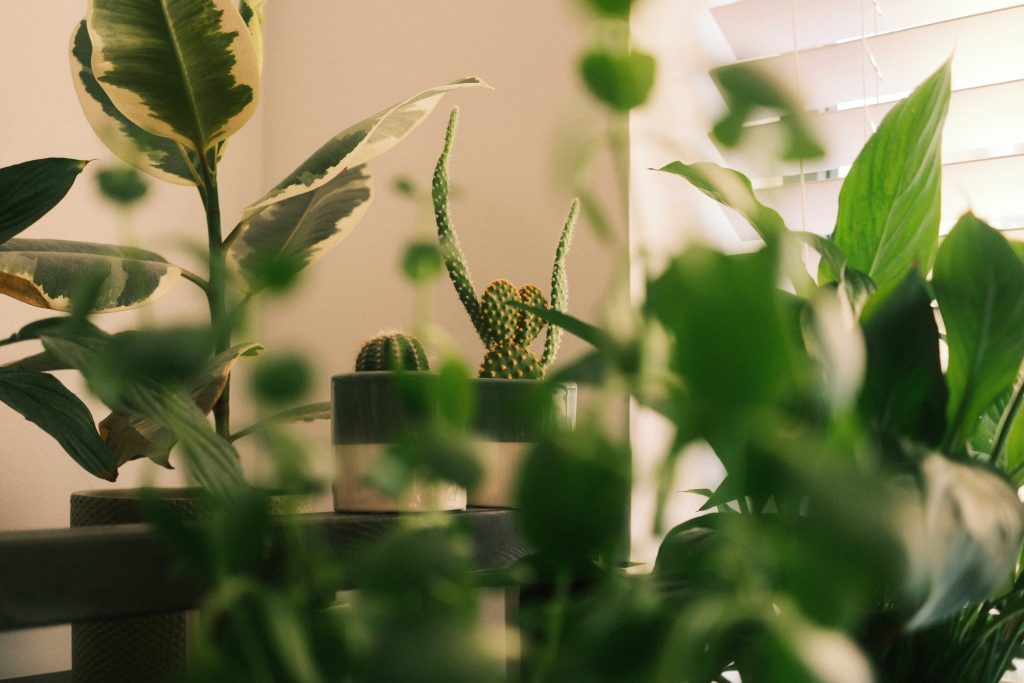
Low-light indoor plants are the unsung heroes of interior design, offering a biological solution for those dim corners, north-facing apartments, and windowless offices. While most tropical plants crave the intensity of a sun-drenched windowsill, certain species have evolved in the dense shade of forest floors, making them perfectly adapted to the lower lux levels of modern homes. Incorporating these plants into your space does more than just fill a void; it brings life to stagnant areas and significantly boosts the air quality in rooms that often suffer from poor ventilation.
Selecting the best low-light indoor plants requires a shift in mindset. In low-light conditions, plants grow more slowly and use water less frequently. Success depends on choosing “shade-tolerant” species rather than “sun-loving” ones that will simply survive. This professional guide identifies twelve elite varieties that don’t just tolerate the shadows—they thrive in them—allowing you to cultivate a lush, green sanctuary even in the darkest rooms of your house.
1. ZZ Plant (Zamioculcas zamiifolia): The Shadow Specialist
The ZZ plant is widely considered the king of low-light indoor plants. Its waxy, succulent-like leaves are designed to reflect what little light is available, giving it a polished, healthy glow even in hallways or corners with no direct natural light.
- Shadow Strategy: It stores moisture in large underground rhizomes, allowing it to survive long periods of darkness and drought.
- Growth Habit: Extremely slow, which is ideal for maintaining its shape in small spaces.
2. Snake Plant (Sansevieria): The Architectural Anchor
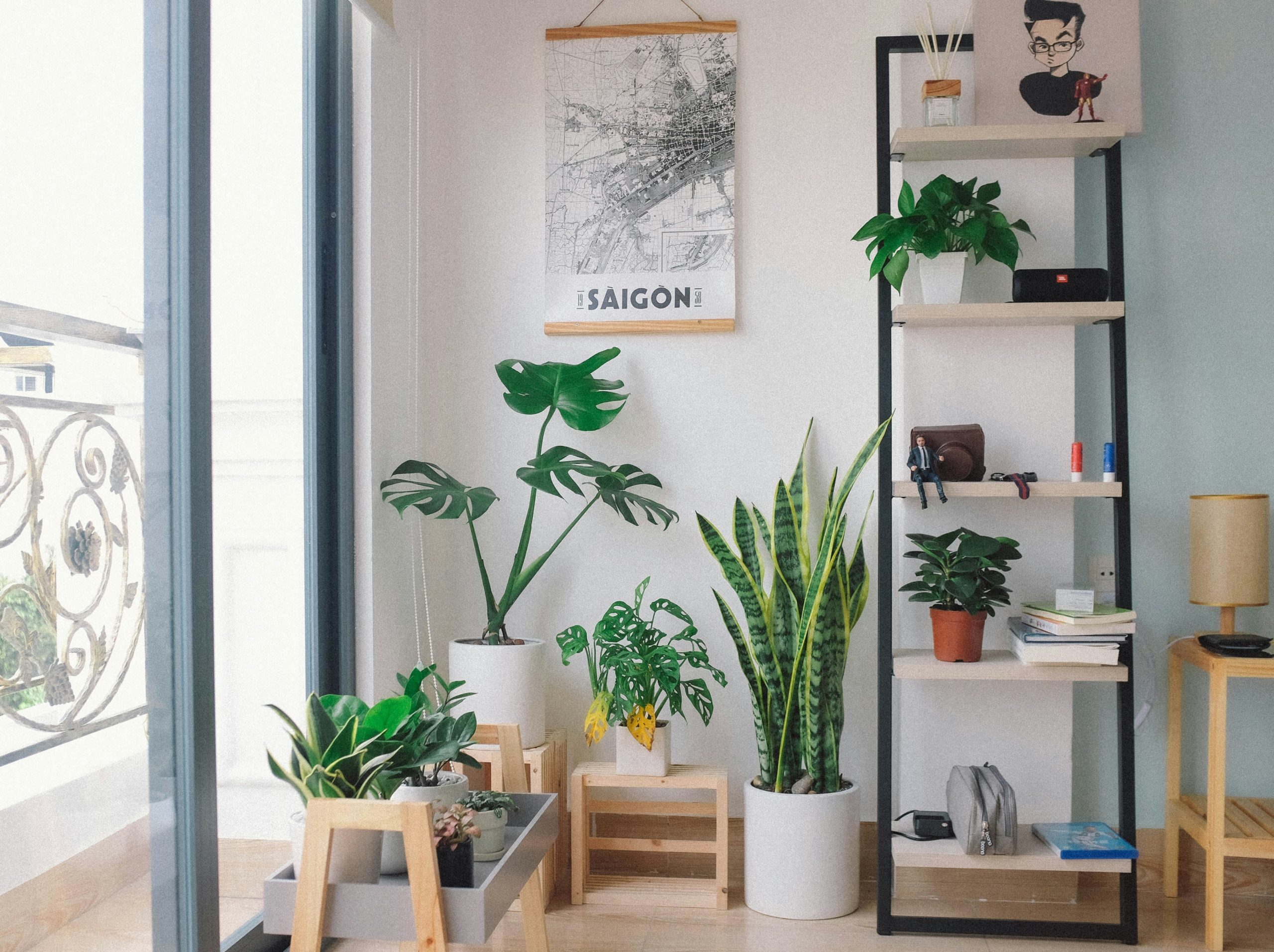
Known for its vertical, sword-like leaves, the snake plant is famous for its ability to thrive on neglect. It is one of the few plants that can survive in near-total darkness while continuing to purify the air.
- Shadow Strategy: It utilizes a specific type of photosynthesis that is highly efficient in low-light environments.
- Care Tip: In low light, the snake plant needs very little water. Overwatering in the shade is the fastest way to kill this resilient variety.
3. Pothos (Epipremnum aureum): The Trailing Survivor
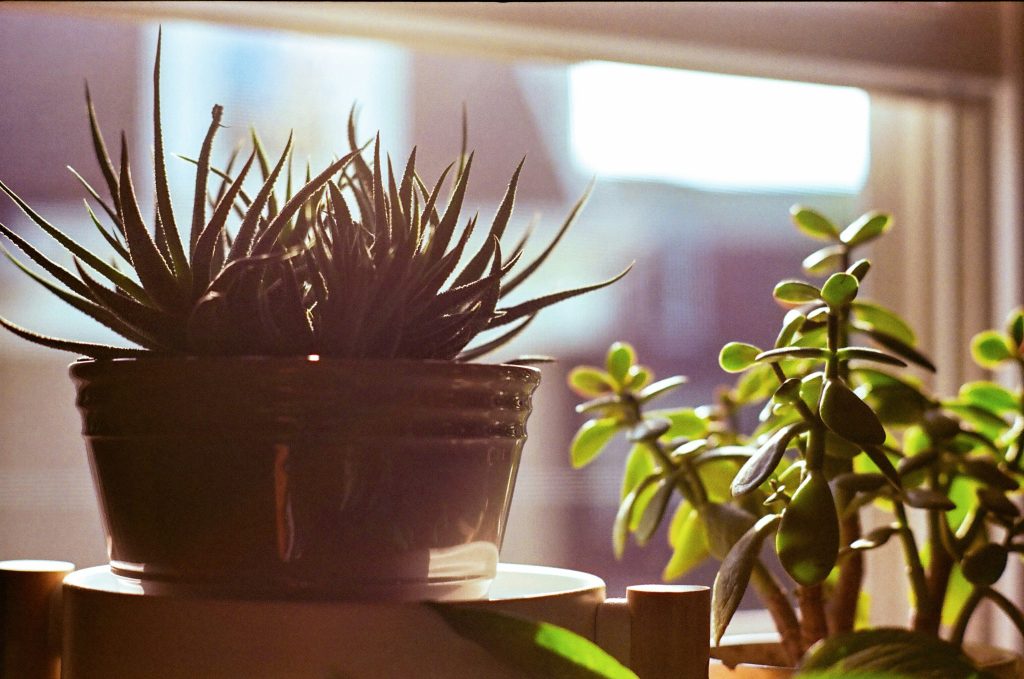
Pothos is the most versatile vine for dim spaces. Whether it’s draped over a high shelf or trailing from a hanging planter, its heart-shaped leaves add a soft, jungle-like aesthetic to low-light rooms.
- Shadow Strategy: While variegated versions may turn solid green to capture more light, the plant remains vigorous and healthy.
- Top Variety: The “Jade Pothos” is the best version for deep shade, as its solid green leaves are packed with chlorophyll.
4. Cast Iron Plant (Aspidistra elatior): The Victorian Classic
The Cast Iron Plant is as durable as metal, as its name suggests. It was a favorite in Victorian-era homes because it could survive the dim, smoky conditions of 19th-century interiors.
- Shadow Strategy: It features large, dark green leaves that provide a massive surface area for capturing minimal light particles.
- Resilience: It is remarkably tolerant of temperature fluctuations and poor air quality.
5. Parlor Palm (Chamaedorea elegans): The Shady Tropical
Most palms require intense sun, but the parlor palm is a rare exception. It has been a staple low-light indoor plant for decades because of its delicate, feathery fronds and its ability to stay compact.
- Shadow Strategy: This palm naturally grows in the understory of rainforests, shielded by taller trees.
- Aesthetic: It brings a sophisticated, tropical softness to dark office corners.
6. Aglaonema (Chinese Evergreen): The Patterned Beauty
Aglaonema is one of the most decorative plants that can survive in low light. While the pink and red varieties need more light, the dark green variegated versions are incredibly shade-tolerant.
- Shadow Strategy: The broad, flat leaves are optimized for light absorption in the forest undergrowth.
- Visual Appeal: It offers a lush, bushy look that fills out tabletop spaces beautifully.
7. Heartleaf Philodendron: The Romantic Vine
Often confused with pothos, the heartleaf philodendron has thinner, more delicate leaves and a faster trailing habit. It is a quintessential choice for bookshelves in low-light studies or bedrooms.
- Shadow Strategy: It is a climbing plant by nature, designed to navigate the dim light of tree trunks.
- Care Tip: It is incredibly easy to propagate, meaning you can take cuttings to start new plants in other dark areas of your home.
8. Peace Lily (Spathiphyllum): The Bloom in the Dark
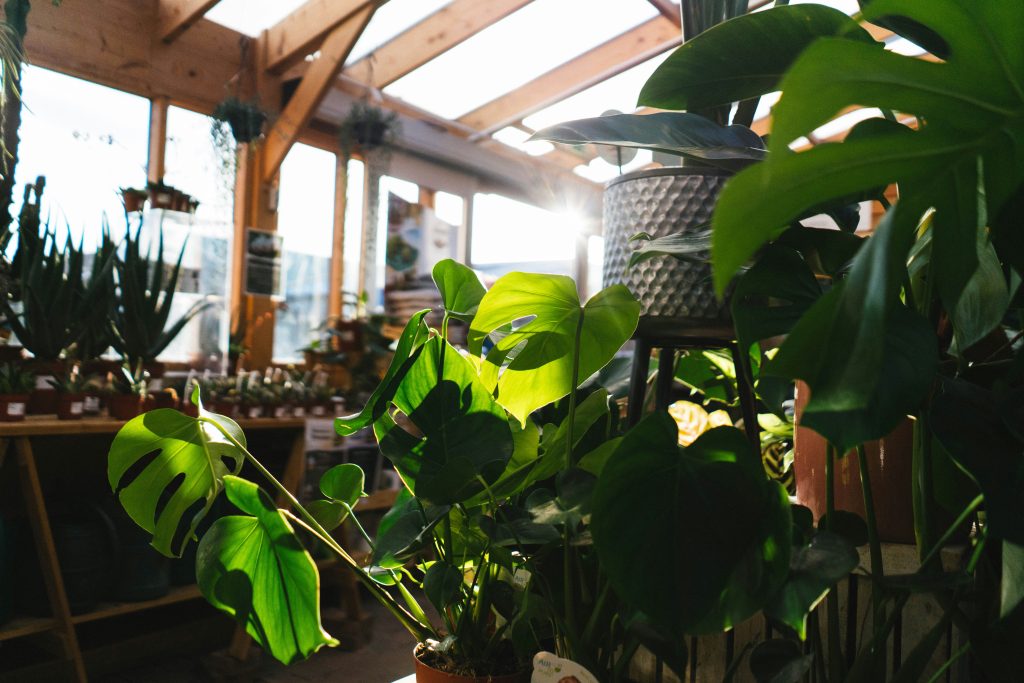
The peace lily is unique because it is one of the few low-light indoor plants that will still produce white flowers (spathes) in moderate shade. It is also an elite air purifier that removes common household toxins.
- Shadow Strategy: The deep, dark green of the leaves indicates a high concentration of chlorophyll, allowing it to process light efficiently.
- Communication: It will droop its leaves dramatically when it needs water, taking the guesswork out of its care.
9. Maranta (Prayer Plant): The Nightly Ritual
Maranta plants are famous for their stunning leaf patterns and their habit of folding their leaves upward at night, like hands in prayer.
- Shadow Strategy: They thrive in the dappled light of the jungle floor and actually prefer to stay out of direct sunlight, which can bleach their intricate patterns.
- Humidity: While they like low light, they do require higher humidity to keep their leaf edges from browning.
10. Spider Plant (Chlorophytum comosum): The Safe Choice
Spider plants are fantastic for low to medium light. They are also non-toxic to cats and dogs, making them the safest low-light option for pet owners.
- Shadow Strategy: They are incredibly adaptable and can adjust their metabolic rate in response to available light.
- Visual Interest: The arching leaves and hanging “babies” provide a sense of movement in stagnant corners.
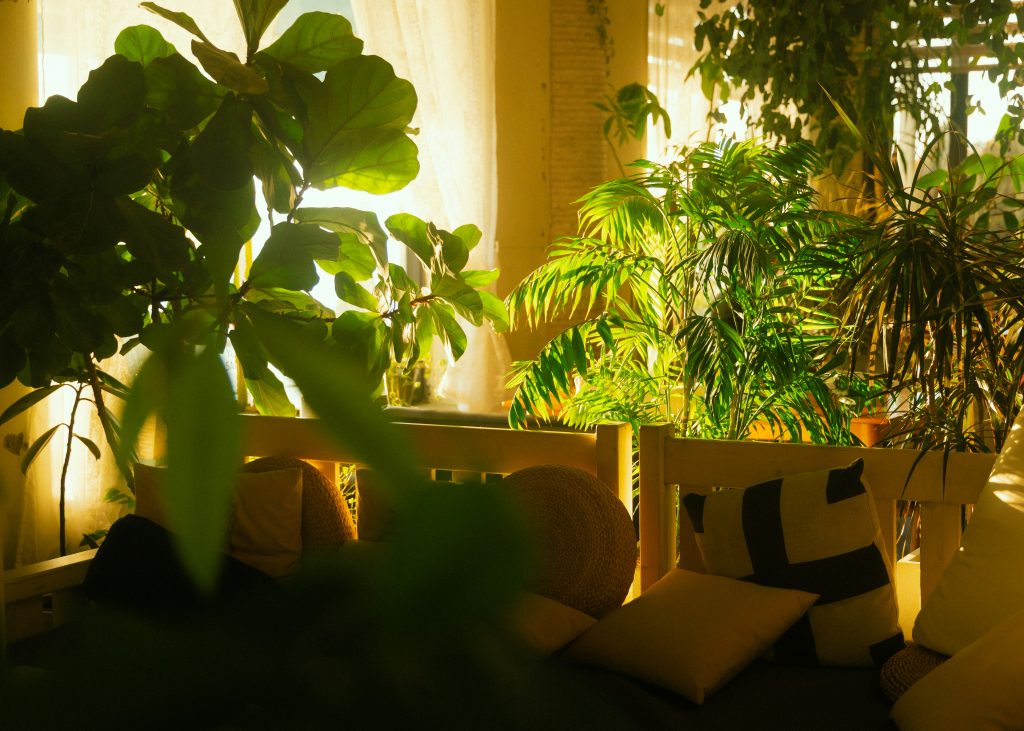
11. Dracaena Lisa: The Vertical Column
The Dracaena “Lisa” variety is specifically bred for indoor, low-light environments. It features dark green, sword-shaped leaves that grow in a tight, columnar fashion.
- Shadow Strategy: This variety is much more shade-tolerant than its colorful “lemon lime” or “marginata” cousins.
- Design Use: It is perfect for narrow spaces next to furniture where a wider plant wouldn’t fit.
12. Creeping Fig (Ficus pumila): The Dainty Trailer
The creeping fig offers tiny, delicate leaves on woody stems. It is a beautiful choice for terrariums or small pots in bathrooms with small windows.
- Shadow Strategy: It is a vigorous grower that seeks out light by climbing, but it maintains a lush appearance in shaded environments.
- Care Tip: Unlike the ZZ or snake plant, the creeping fig likes to stay consistently moist.
Conclusion: Lighting Up the Dark
Choosing the right low-light indoor plants allows you to break the traditional rules of gardening. By focusing on species like the ZZ plant, snake plant, and cast iron plant, you can bring vibrant life to spaces that were previously considered “un-growable.” These resilient varieties prove that a lack of windows shouldn’t stop you from building a thriving indoor jungle. With minimal water and the right shade-tolerant species, your darkest rooms can become your most relaxing green sanctuaries.
FAQs
1. Can low-light plants live in a room with no windows?
They can survive for a while, but eventually, they will weaken. For windowless rooms, it is best to use LED grow lights or rotate the plants into a brighter room every two weeks.
2. How do I know if my plant is getting too little light?
Look for “leggy” growth (long stems with few leaves), yellowing lower leaves, or a complete stop in growth.
3. Do low-light plants need less water?
Yes. Less light means slower photosynthesis, which means the plant uses water much more slowly. Always check the soil before adding more water.
4. Are low-light plants slower growers?
Generally, yes. Light is the “food” for plants; without a lot of it, they won’t have the energy to produce rapid new growth.
5. Can low-light plants ever be in direct sun?
No. Most shade-tolerant plants have delicate leaves that will literally “sunburn” (turn brown and crispy) if exposed to direct sunlight.
6. Which low-light plant is best for a bathroom?
The peace lily or creeping fig is excellent because it thrives in the shade and loves the high humidity from the shower.
7. Is a “low light” plant the same as a “no light” plant?
No. All plants need some light to survive. “Low light” usually means a spot at least 6–10 feet away from a window.
8. Why is my snake plant falling over in the dark?
This is often a sign of root rot from overwatering. In low light, snake plants only need water once every 4–6 weeks.
9. Can I use regular light bulbs for my plants?
Standard light bulbs don’t provide the full spectrum of light plants need. Use “daylight” balanced LED bulbs or dedicated grow lights for better results.
10. Are low-light plants better for air purification?
Many of them, like the Snake Plant and Peace Lily, are top-rated by NASA for removing indoor toxins, making them perfect for bedrooms and offices.