The best indoor plants for air quality have transitioned from simple decorative items to essential biological tools for the modern home. As urban living spaces become more airtight to improve energy efficiency, the concentration of “Volatile Organic Compounds” (VOCs) from furniture, paints, and electronics can rise significantly. Integrating specific greenery into your environment isn’t just about aesthetics; it is a scientifically backed method for neutralizing toxins like formaldehyde, benzene, and trichloroethylene.
Choosing the best indoor plants for air quality requires looking beyond visual appeal to the plant’s metabolic efficiency. Research, including the landmark NASA Clean Air Study, has identified certain species that are exceptional at gas exchange and atmospheric purification. This professional guide highlights the twelve most effective botanical air filters that thrive in indoor conditions, providing you with a roadmap to a cleaner, more oxygenated living space.
The Science of Indoor Air Pollution (VOCs)
To understand why we need the best indoor plants for air quality, we must understand the “Sick Building Syndrome.” Modern homes are filled with synthetic materials. Formaldehyde is found in plywood, particleboard, and grocery bags. Benzene is a common solvent found in oils, paints, and rubber. Trichloroethylene is often found in printing inks, lacquers, and adhesives. When these chemicals “off-gas,” they stay trapped in our homes.
Plants solve this through a process called phytoremediation. They don’t just “breath” in CO2; they pull these toxins into their leaves and down into their root systems. Microorganisms in the soil then break down these toxins into harmless organic compounds that the plant uses for food. This is a 24/7 living filtration system that costs nothing to run and adds immense beauty to your home.
1. Snake Plant (Sansevieria): The Nighttime Oxygen Specialist
The Snake Plant is widely considered the king of the best indoor plants for air quality. Its unique biological profile sets it apart from almost every other houseplant. While most plants undergo a standard photosynthetic process where they release oxygen during the day and carbon dioxide at night, the Snake Plant utilizes Crassulacean Acid Metabolism (CAM). This means it continues to convert CO2 into fresh oxygen during the evening hours.
This specific trait makes it the premier choice for bedrooms. By keeping a large Snake Plant near your headboard, you are ensuring a steady stream of fresh oxygen while you sleep. Beyond oxygen, it is a master at scrubbing the air of formaldehyde, which is often found in the glues of bedroom furniture and carpets. It is also incredibly resilient, surviving in low light and requiring water only once every 3 to 4 weeks, making it a “set it and forget it” air filter.
2. Peace Lily (Spathiphyllum): The Elite Chemical Scrubber
The Peace Lily is a powerhouse of air purification, often topping the charts for its ability to remove the most diverse range of toxins. It possesses a high transpiration rate, which means it pulls air toward its leaves as it “sweats,” effectively acting like a biological vacuum for harsh household chemicals.
NASA’s research highlighted the Peace Lily for its ability to neutralize ammonia (found in many glass cleaners), benzene, and trichloroethylene. Beyond its air-cleaning capabilities, it helps to increase room humidity by up to 5%, which can suppress airborne microbes and reduce the symptoms of dry skin or respiratory irritation during winter months. However, care must be taken with placement, as the Peace Lily is toxic to cats and dogs if ingested.
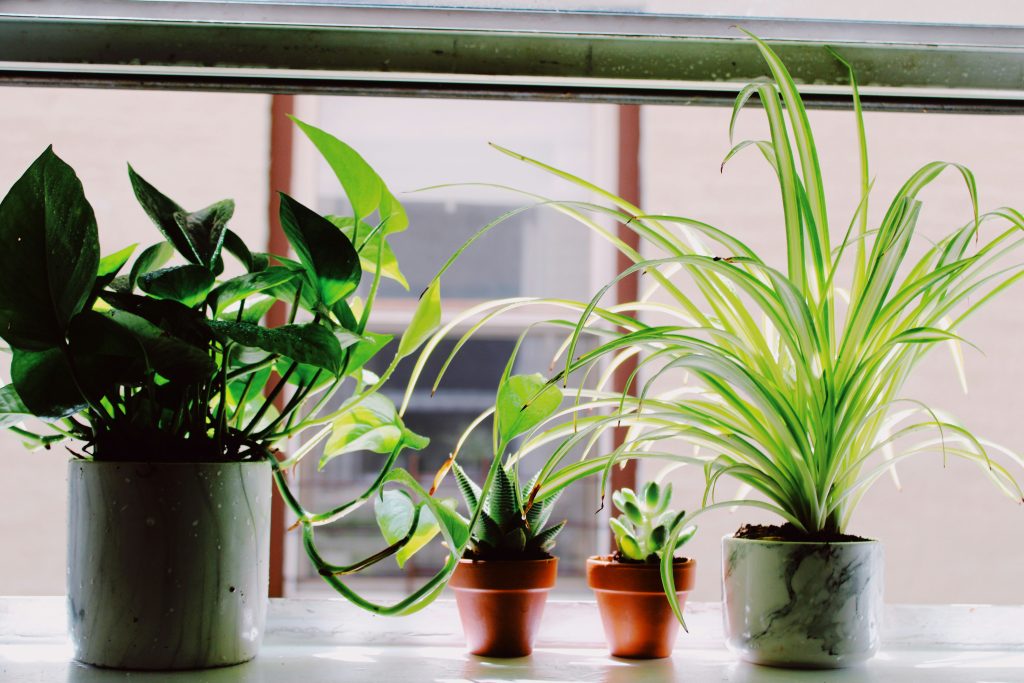
3. Spider Plant (Chlorophytum comosum): The Safe Carbon Filter
The Spider Plant is a top-tier choice for families with pets and small children. It is entirely non-toxic and incredibly effective at clearing the air of carbon monoxide—a silent pollutant that can accumulate in kitchens or homes with wood-burning stoves.
In controlled studies, Spider Plants removed up to 95% of toxic substances from a sealed plexiglass chamber within 24 hours. They are particularly adept at handling xylene and formaldehyde. Another benefit is their ease of propagation; a single “mother” plant will produce dozens of “spiderettes” (babies). You can root these in water and place them in every room of the house, creating a massive, interconnected air-cleaning network for the cost of a single plant.
4. Aloe Vera: The Living Health Monitor
Aloe Vera is famous for the cooling gel inside its leaves, used for burns, but its role as one of the best indoor plants for air quality is equally impressive. It is a succulent that thrives on sun-drenched windowsills, making it the perfect choice for kitchens and sunrooms.
Aloe Vera is specifically targeted at clearing formaldehyde and benzene. Interestingly, Aloe Vera acts as a “bio-indicator.” If the air in your home is heavily polluted with chemicals, the leaves will often develop small brown spots. This is a visual signal from the plant that the toxic load is high, allowing you to take action by opening windows or checking for chemical leaks.
5. Boston Fern (Nephrolepis exaltata): The Natural Humidifier
Boston Ferns are the heavyweights of the fern world when it comes to atmospheric health. They are exceptional at restoring moisture to the air. If you live in a dry climate or use central heating that dries out your sinuses, the Boston Fern is your best botanical ally.
They are widely recognized as one of the best plants for removing formaldehyde. Because they have thousands of tiny leaves, they have a massive surface area for gas exchange. To keep them functioning at their peak, they need high humidity. Misting them daily or placing them in a bathroom ensures their stomata (pores) remain open and active for air scrubbing.
6. Golden Pothos (Epipremnum aureum): The Persistent Purifier
Pothos is almost impossible to kill and stays green even in the dimmest corners of a home. It is highly efficient at removing toxins that are commonly off-gassed from synthetic carpets, plywood, and furniture finishes.
It is particularly effective at clearing carbon monoxide and benzene. Because it is a trailing vine, it is often placed on top of tall cabinets or refrigerators. This is strategically beneficial for air quality, as it allows the plant to interact with the air as it circulates through the upper levels of a room. Its fast growth rate means it is constantly producing new leaves to aid in the purification process.

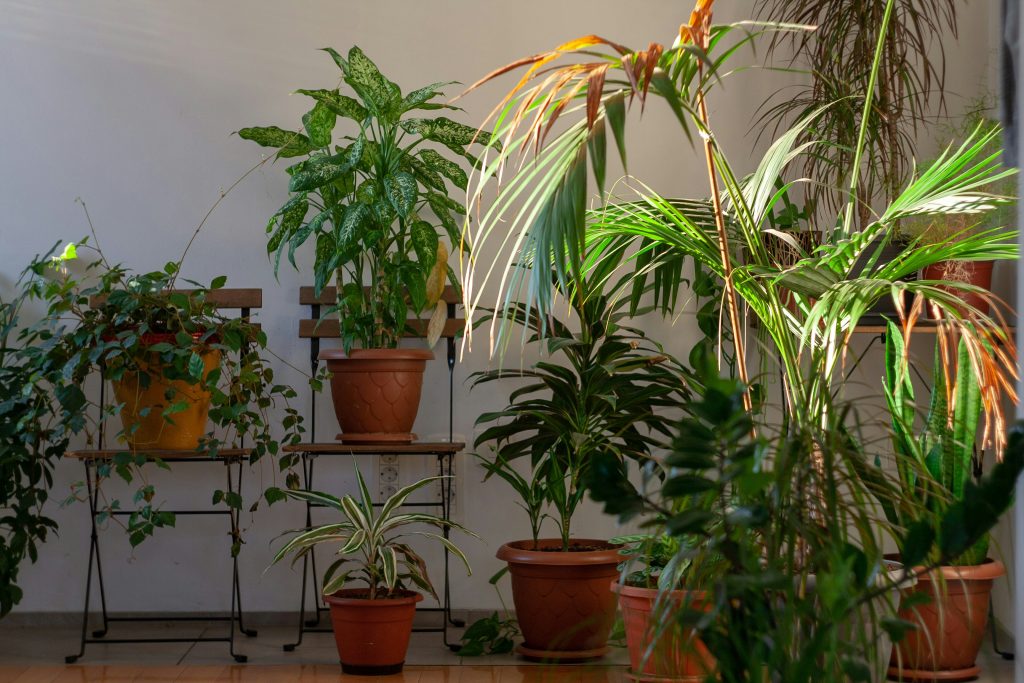
7. Dracaena (Janet Craig): The Industrial Strength Filter
The Dracaena family includes many varieties, but the “Janet Craig” variety is a standout in clinical air studies. It features deep green, sword-shaped leaves that are specifically efficient at clearing trichloroethylene, a chemical frequently found in varnishes, lacquers, and adhesives.
As the plant matures into a pillar-like structure, it provides a significant vertical surface for air interaction. It is a slow grower but a long-lived one, providing decades of service. It is especially useful in newly renovated homes or offices where “new building smell” (which is actually chemical off-gassing) is prevalent.
8. Rubber Tree (Ficus elastica): The Large-Scale Oxygenator
The Rubber Tree features thick, leathery leaves that are highly efficient at absorbing carbon dioxide and releasing large volumes of oxygen. Because its leaves are so large, a single Rubber Tree can provide as much air exchange as three or four smaller plants.
Beyond CO2, it is noted for its ability to clear formaldehyde and even certain airborne bacteria. To ensure it stays effective, you must keep the leaves clean. Dust buildup acts like a physical barrier, preventing the plant from “breathing” in toxins. A quick wipe with a damp cloth once a week keeps the plant healthy and your air clean.
9. English Ivy (Hedera helix): The Mold Spore Reducer
English Ivy is a unique entry in the list of best indoor plants for air quality because its primary strength is biological. Research has shown that this climbing vine can significantly reduce the amount of airborne mold spores and fecal-matter particles in a room.
This makes it an essential plant for bathrooms or older, damp basements. By reducing the mold count in the air, English Ivy can help alleviate symptoms for those who suffer from mold allergies or asthma. It is a vigorous grower that can be trained on a small trellis or allowed to spill out of a hanging pot to maximize its reach.
10. Bamboo Palm (Chamaedorea seifrizii): The High-Volume Filter
The Bamboo Palm adds a sophisticated tropical flair while acting as a heavy-duty filter for indoor toxins. It was one of the top performers in the NASA study for removing benzene and trichloroethylene.
Because it grows in clusters of multiple stems, it creates a “wall” of foliage that air must pass through. It is particularly effective at dealing with the chemicals found in permanent-press fabrics and dry-cleaned clothes, making it a great addition to a dressing room or a large living area.
11. Chrysanthemum (Florist’s Mum): The Multi-Toxin Specialist
While often viewed as a temporary floral gift, the Chrysanthemum is actually the highest-ranked air purifier in the NASA study. It is the only plant on the list capable of removing nearly every common indoor toxin, including ammonia.
However, its air-purifying power is mostly tied to its flowering period. Once the blooms fade, its efficiency drops. Many enthusiasts keep “Mums” as a seasonal air-quality booster during the months when windows are kept closed. They are excellent for clearing the air of solvents found in plastics and detergents.
12. The Cast Iron Plant is as durable as metal, as its name suggests.
Like the Snake Plant, the Barberton Daisy is excellent at releasing oxygen at night. Its vibrant, colorful blooms make it a functional and beautiful addition to a bedroom or nursery.
It is specifically effective at filtering trichloroethylene and benzene, which are commonly found in household inks and dry-cleaning chemicals. Because it requires plenty of natural light to continue blooming, it is best placed on a sunny bedroom window sill where it can prepare fresh oxygen for your evening’s sleep.
Advanced Maintenance for Air Quality Efficiency
To ensure your plants are actually cleaning the air, you must manage them as functional equipment.
- Surface Area: The more leaves a plant has, the better it cleans. Prune dead leaves quickly to encourage new, active growth.
- Soil Health: Much of the air purification happens at the root level. Use a high-quality, porous potting mix that allows air to reach the roots and the beneficial microbes living there.
- Rotation: Rotate your plants 90 degrees every week. This ensures all leaves receive equal light and remain active in the gas exchange process.
Conclusion: Designing a Breathable Home Sanctuary
Integrating the best indoor plants for air quality into your home is a simple, cost-effective, and scientifically sound way to improve your overall wellness. By selecting a strategic mix of species—such as the nighttime oxygen-releasing Snake Plant, the mold-reducing English Ivy, and the chemical-scrubbing Peace Lily—you can create a multi-layered filtration system that works 24 hours a day.
While a single plant won’t replace a high-tech HEPA filter, a collection of these botanical wonders can significantly reduce the toxic load in your home. This leads to better sleep, improved respiratory health, and a more vibrant, oxygen-rich living environment. Your home is your sanctuary; by choosing the right plants, you are ensuring that the very air you breathe supports your longevity and peace of mind.
FAQs
1. How many plants do I need for good air quality?
For effective air purification, NASA suggests having at least one medium-sized plant (in a 6-inch pot) for every 100 square feet of living space.
2. Are all indoor plants good for air quality?
Most plants produce oxygen, but specific varieties like the ones on this list have been scientifically proven to filter out harmful chemicals and VOCs.
3. Do indoor plants really work against mold?
Certain varieties, like English Ivy and Peace Lilies, can help reduce airborne mold spores by absorbing them through their leaves and roots.
4. Which air-purifying plant is best for a bedroom?
The Snake Plant and Barberton Daisy are the best choices because they continue to release oxygen throughout the night.
5. Can air-purifying plants be toxic to pets?
Yes. Many effective filters, like Peace Lilies and English Ivy, are toxic to cats and dogs. Always check pet safety before buying.
6. Do I need to clean the leaves of my air-purifying plants?
Yes. Dust on the leaves acts as a barrier, preventing the plant from absorbing toxins and releasing oxygen efficiently.
7. Is a bigger plant better for air quality?
Generally, yes. A larger leaf surface area means the plant has more “stomata” (pores) to exchange gases and filter the air.
8. Can these plants live in low-light offices?
Snake Plants and Golden Pothos are excellent air-purifying options that can survive in low-light office environments.
9. How often should I water air-purifying plants?
It depends on the species. Succulents like Aloe need very little water, while ferns and lilies prefer more consistent moisture.
10. Do air-purifying plants help with allergies?
They can help by trapping dust and mold spores, but some people may be sensitive to the pollen or soil microbes of certain plants.