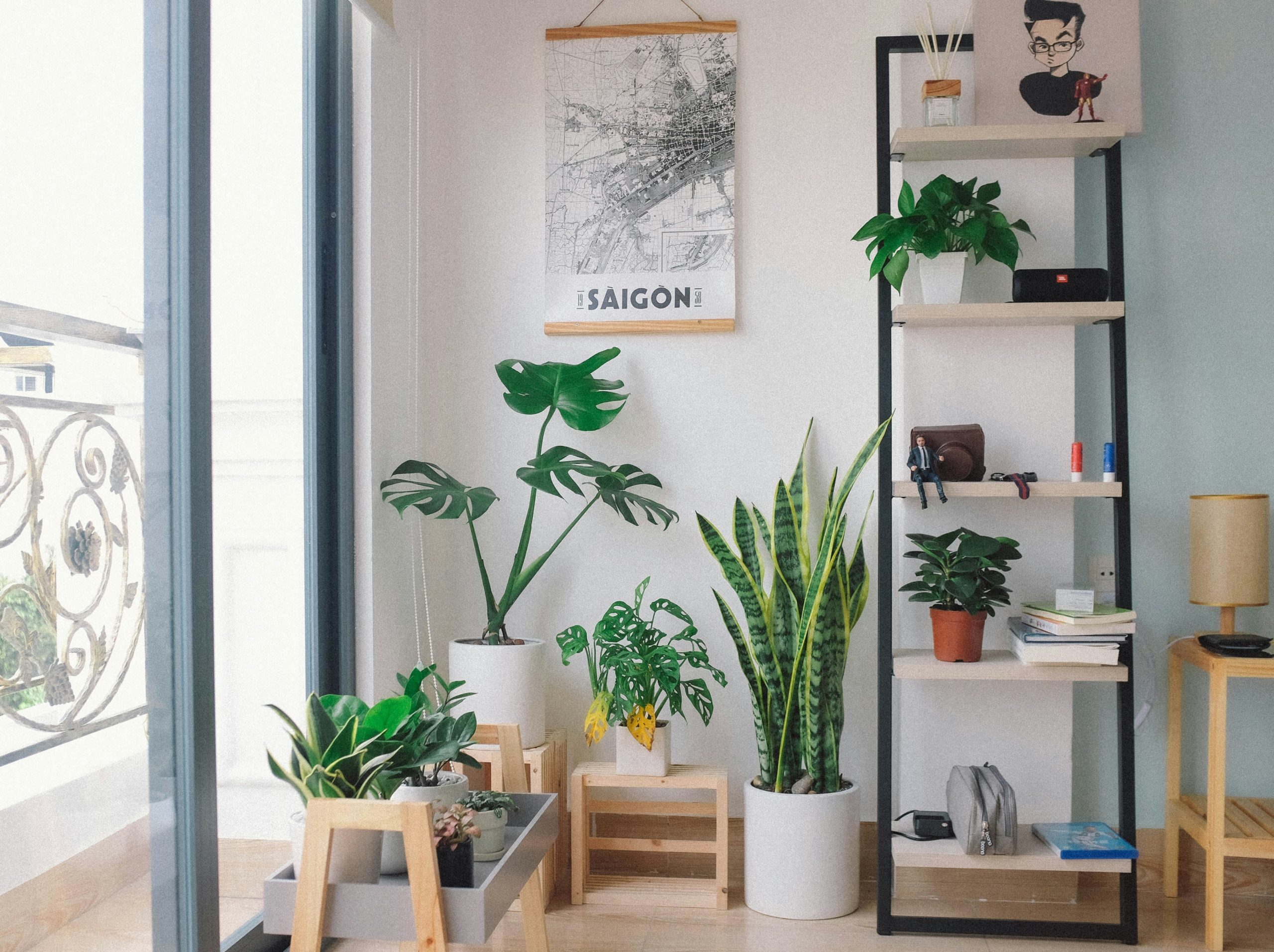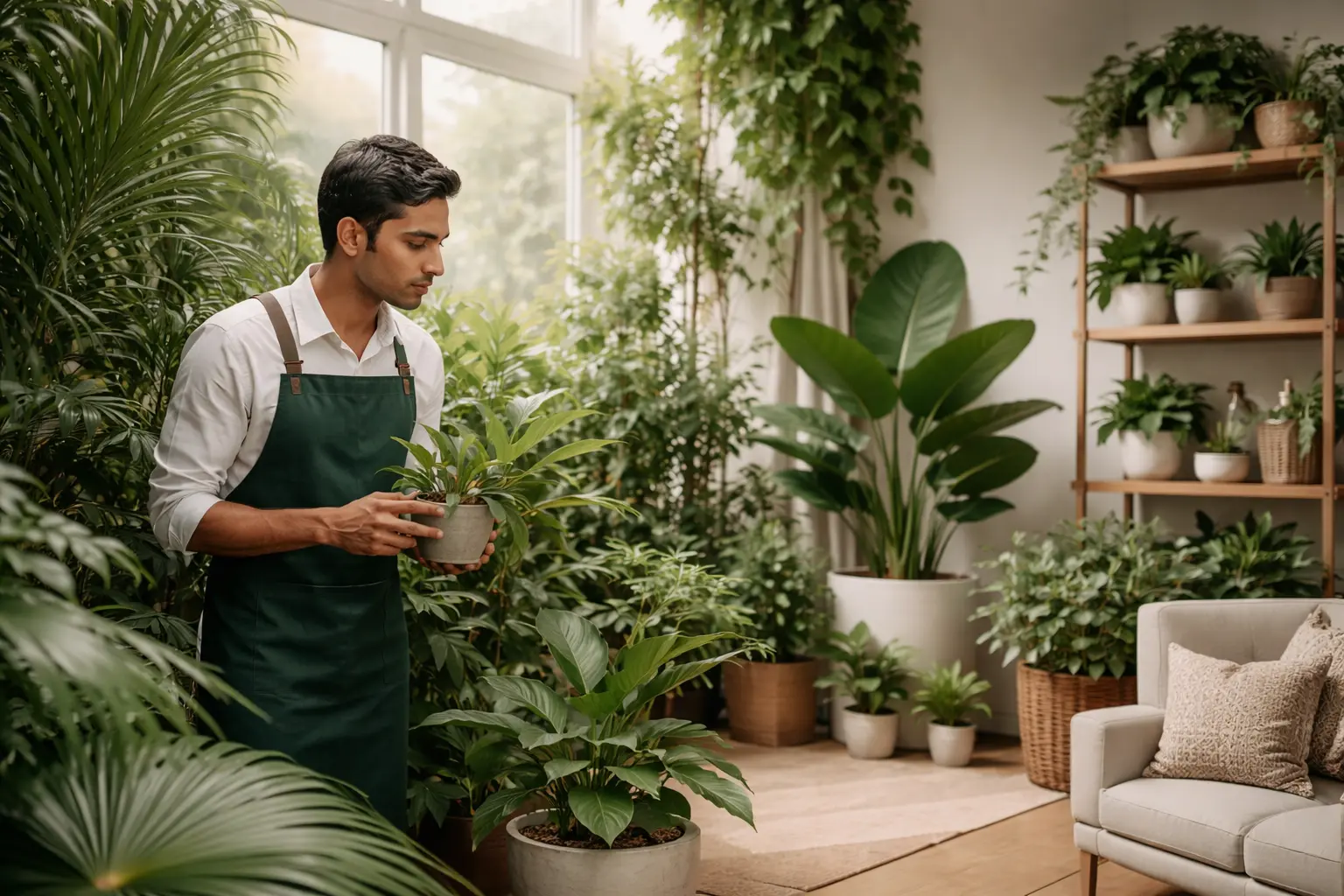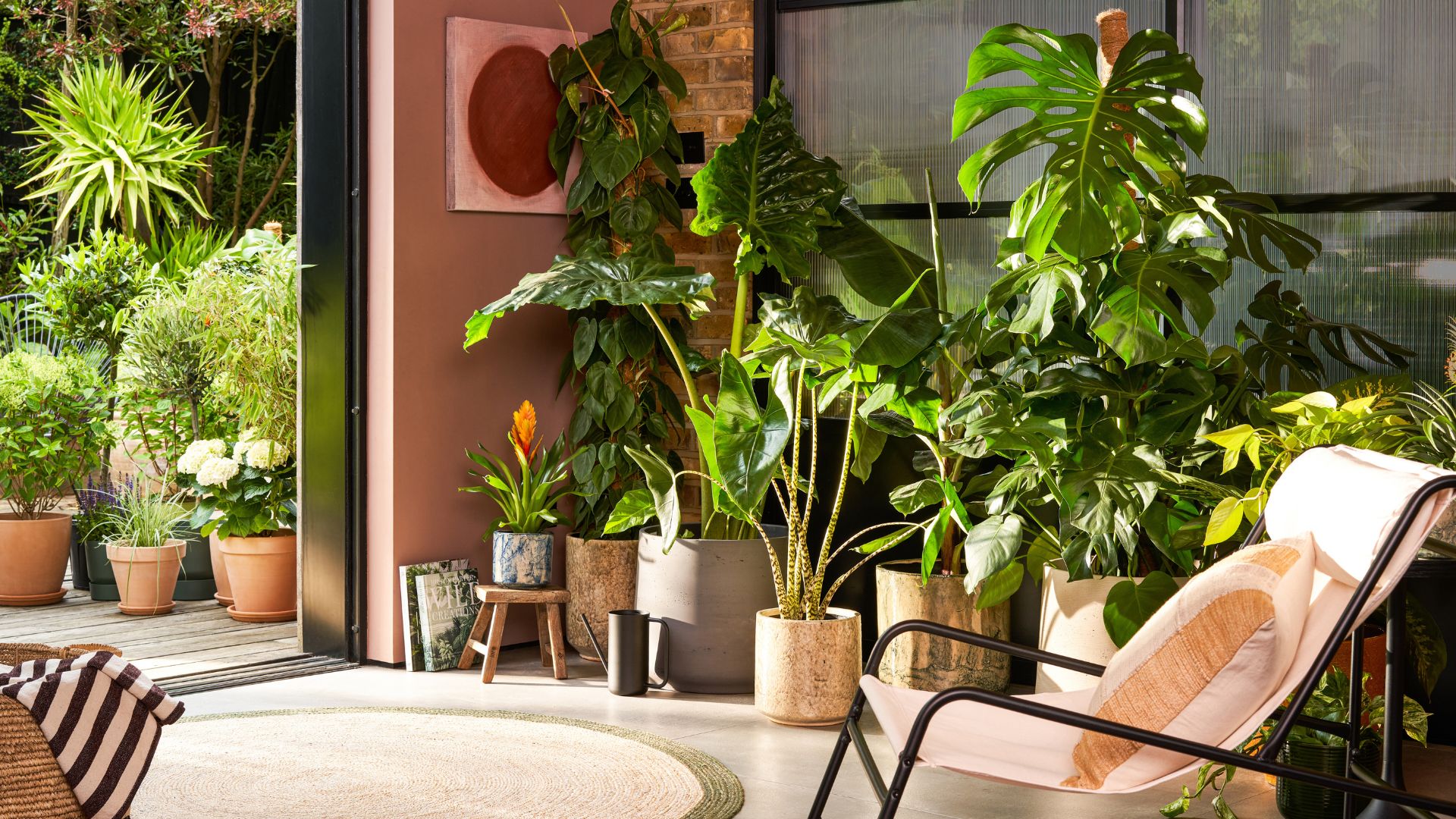
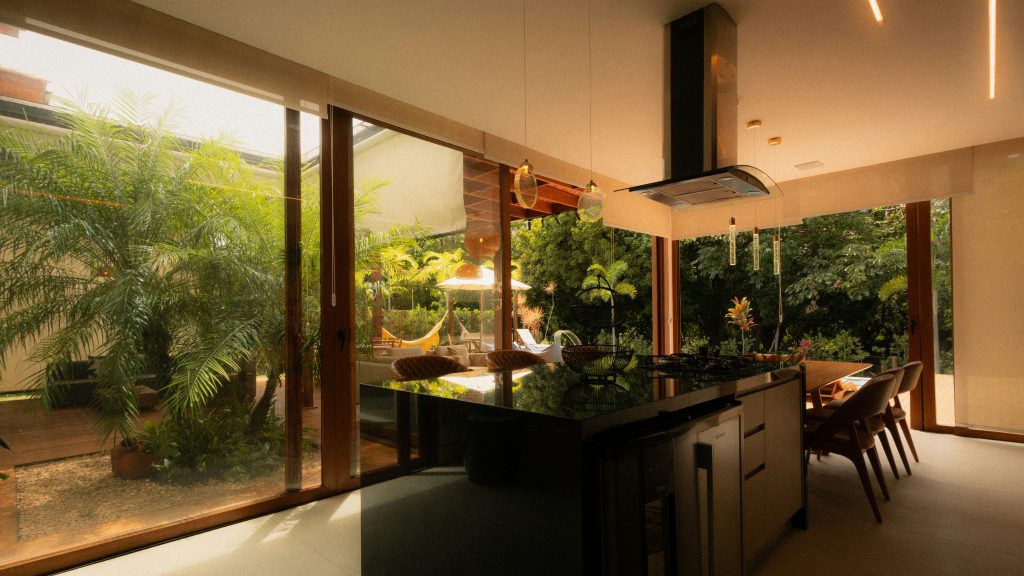
Large indoor plants have become the definitive “anchor” of modern interior design, serving as living sculptures that breathe life and scale into residential spaces. While small succulents and trailing vines offer charm, an oversized botanical specimen provides a sense of permanence and architectural drama that smaller plants simply cannot achieve. These “statement plants” act as a focal point, drawing the eye upward and softening the hard angles of walls, windows, and furniture. In an era where biophilic design is a priority, incorporating significant greenery is the most effective way to turn a house into a restorative sanctuary.
Choosing the right large indoor plants involves more than just picking the tallest tree at the nursery. It requires a deep understanding of your home’s light levels, ceiling height, and your ability to maintain a plant that is essentially an indoor tree. Because these plants represent a larger financial and time investment, selecting a species that aligns with your specific environment is crucial. This professional guide explores twelve elite large-scale varieties that offer the highest visual impact and long-term success rates for indoor cultivation.
The Architectural Impact of Scale in Interior Design
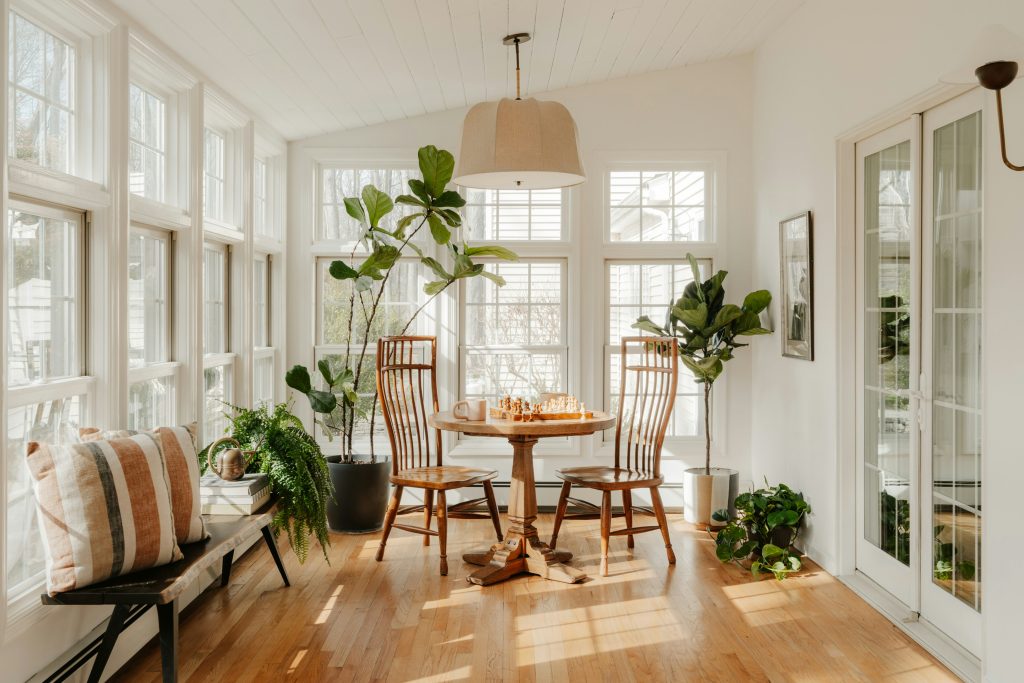
When we discuss large indoor plants, we are discussing the manipulation of space. In interior design, “scale” refers to how an item relates to the size of the room it inhabits. A common mistake in home decorating is filling a large, high-ceilinged room with many small objects. This creates visual “noise” and makes the space feel cluttered. By introducing a singular, massive plant, you provide a sense of balance. The verticality of a 7-foot Fiddle Leaf Fig or a soaring Bird of Paradise bridges the gap between the furniture and the ceiling, making the room feel more cohesive and intentionally designed.
Furthermore, large plants act as “natural softeners.” Modern architecture often relies on sharp lines, glass, and hard surfaces. Large-scale foliage breaks these lines with organic, irregular shapes. This contrast is psychologically soothing. Studies in environmental psychology suggest that seeing large-scale greenery indoors lowers cortisol levels more effectively than looking at small potted plants, primarily because the sheer volume of green mimics the feeling of being truly immersed in nature.
1. Fiddle Leaf Fig (Ficus lyrata): The Designer’s Standard
The Fiddle Leaf Fig remains at the pinnacle of large indoor plants for those seeking a high-end, editorial look. With its massive, violin-shaped, waxy leaves and slender trunk, it brings an instant sense of sophistication to any room. It can reach heights of 10 feet or more indoors, making it perfect for rooms with vaulted ceilings. However, its beauty comes with a demand for consistency.
Light Requirements and Placement: The Fiddle Leaf Fig is notorious for its light sensitivity. It requires very bright, filtered light. A south or west-facing window is ideal, but the light must be indirect; direct afternoon sun can scorch those magnificent leaves. Once you place this plant, leave it there. It acclimates to the specific light angle of its corner, and moving it—even a few feet—can cause the plant to go into shock and drop leaves.
Advanced Care and Longevity: To keep a large Ficus lyrata healthy, you must manage its “breathing.” Because the leaves are so large, they collect dust quickly. Dust blocks the stomata (pores), preventing the plant from photosynthesizing effectively. Weekly dusting with a soft, damp cloth is non-negotiable. Additionally, these trees are prone to root rot. Ensure the soil is well-draining and only water when the top two inches of soil are dry. When you do water, do so thoroughly until water runs out of the drainage holes to ensure the deep roots are hydrated.
2. Monstera Deliciosa: The Wild Tropical Anchor
If your goal is a lush, “jungle” aesthetic, the Monstera Deliciosa is the ultimate choice. As it matures, its leaves develop deep splits and holes (fenestrations), creating a prehistoric and dramatic silhouette. Unlike trees that grow straight up, the Monstera is a sprawling “vining” plant that can grow 6 feet wide and 8 feet tall.
Structural Support Systems: A large Monstera is a heavy plant. In the wild, they use aerial roots to climb trees. Indoors, you must provide that support. A sturdy moss pole or a thick cedar plank is essential. By training the thick stems upward, you can control the plant’s footprint while encouraging larger leaf growth. If left to grow along the floor, the leaves will remain smaller and the plant will become unmanageable.
Managing Fenestrations: The iconic “holes” in the leaves are a sign of a healthy, mature plant receiving adequate light. If your large Monstera starts producing solid leaves without holes, it is a signal that it needs more light. While it can survive in moderate light, it will only “thrive” and maintain its architectural drama in bright, indirect light. It is also a very thirsty plant during the summer months; maintaining consistent moisture without sogginess is the key to preventing the leaf tips from browning.
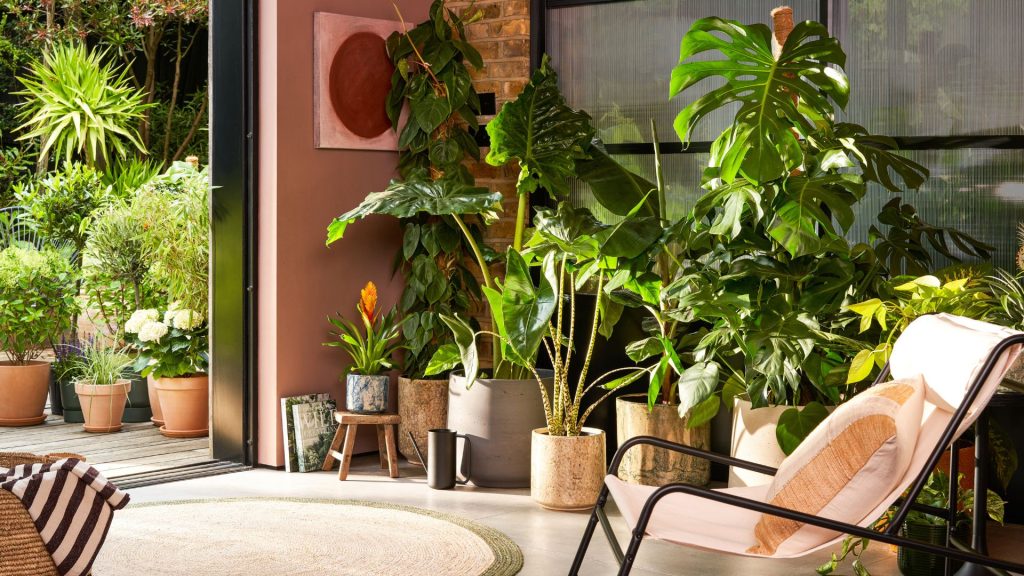
3. Bird of Paradise (Strelitzia nicolai): The Giant Lushness
For those who want maximum scale, the Giant White Bird of Paradise is unmatched. Its banana-like leaves can grow up to three feet long, arching gracefully from the center. It provides a massive surface area of greenery, making it one of the most effective plants for creating a sense of privacy in open-plan homes.
The Need for Direct Sun: Unlike many other large indoor plants, the Bird of Paradise can handle—and often requires—direct sunlight. If you have a massive floor-to-ceiling window that gets intense morning or afternoon sun, this is the plant for that spot. Without enough light, the stems will become “leggy” and may eventually collapse under the weight of the massive leaves.
Dealing with Leaf Splitting: New owners are often distressed when the leaves of their Bird of Paradise begin to split. In reality, this is a natural evolutionary adaptation. In the wild, the leaves split to allow wind to pass through without snapping the stem. Indoors, splits can occur due to low humidity or simply as the plant matures. To minimize splitting and keep the plant looking “polished,” use a humidifier to keep the air around the leaves moist.
4. Rubber Tree (Ficus elastica): The Vertical Column
The Rubber Tree is a fantastic option for narrow spaces where you want height without too much width. It features thick, leathery leaves that come in striking colors. The ‘Burgundy’ variety offers deep, near-black foliage, while ‘Tineke’ provides a variegated mix of cream, pink, and green.
Pruning for Shape and Density: One of the best features of the Rubber Tree is its response to pruning. If left alone, it will grow as a single, tall pole. If you “pinch” or cut the top of the main stem, the plant will begin to branch out, creating a bushier, more tree-like appearance. This allow you to customize the plant’s shape to fit your specific room.
Latex Warning: When pruned, the Rubber Tree leaks a sticky, white sap (latex). This sap is a skin irritant and can be toxic to pets. Always wear gloves when pruning and use a damp cloth to “cauterize” the cut to stop the dripping. This plant is also a champion of air purification, specifically targeted at removing formaldehyde from the air, making it as functional as it is beautiful.
5. Dracaena Corn Plant (Dracaena fragrans): The Low-Maintenance Pillar
The Corn Plant features thick, woody trunks topped with rosettes of long, arching leaves that resemble corn foliage. It is the definitive “beginner’s large plant.” It grows slowly but surely, often reaching 6 to 8 feet in height over several years.
The Resilience Factor: The Dracaena fragrans is incredibly adaptable. It can handle lower light levels better than almost any other large plant on this list, making it ideal for offices or hallways away from windows. It is also extremely drought-tolerant. Its thick trunks store water, allowing it to survive if you forget to water it for a few weeks.
Avoiding Fluoride Sensitivity: One specific care note for Dracaenas is their sensitivity to fluoride in tap water. If you notice the tips of the leaves turning brown or yellow despite correct watering, it may be a reaction to the minerals in your water. Switching to filtered water or letting tap water sit out for 24 hours before use can solve this issue and keep the foliage looking pristine.
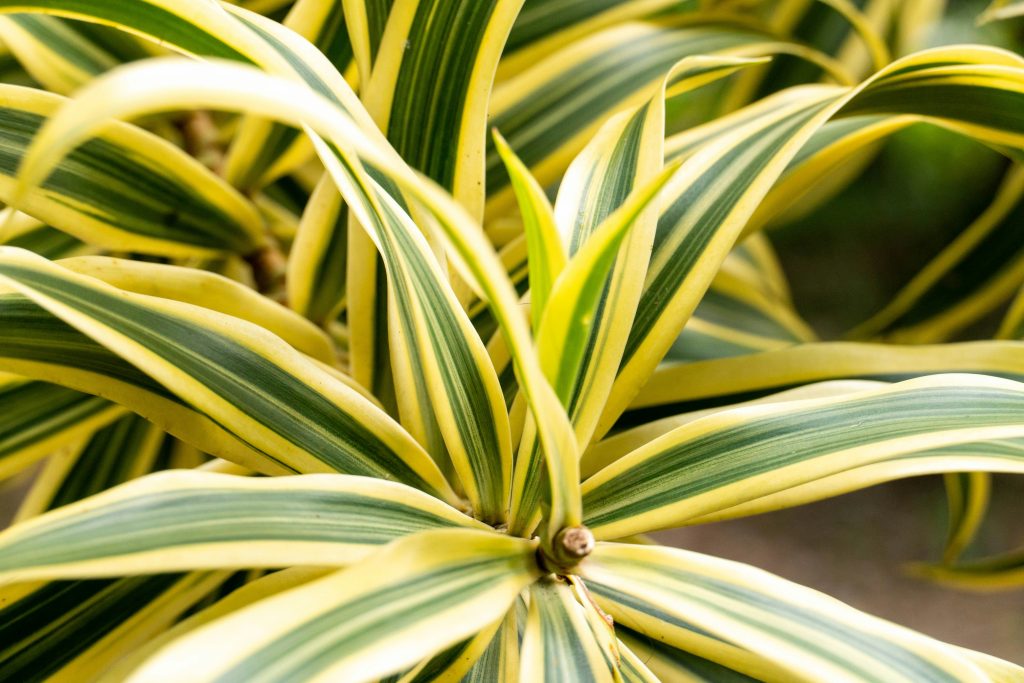
6. Kentia Palm (Howea forsteriana): The Elegant Classic
The Kentia Palm is widely considered the “Rolls-Royce” of indoor palms. Unlike the finicky Majesty Palm or Areca Palm, the Kentia is slow-growing, incredibly hardy, and tolerates the dim light and dry air of typical indoor environments.
Sophisticated Texture: The Kentia Palm offers a soft, airy texture. Its long, slender fronds arch out from the base, creating a canopy that feels light and elegant rather than heavy. It is the perfect choice for a dining room or a formal living area where you want a “refined” tropical look.
Pest Resistance: While many palms are “spider mite magnets,” the Kentia is much more resistant to pests. However, it still appreciates an occasional shower. Taking your Kentia into the bathroom and spraying the fronds with lukewarm water helps keep them clean and hydrated, preventing the dusty conditions that pests love. It is a slow grower, which means it will stay at its purchased size for a long time, making it a stable part of your decor.
7. Olive Tree (Olea europaea): The Mediterranean Minimalist
The Indoor Olive Tree has become a staple of modern minimalist and “Farmhouse” design. With its thin, woody branches and silvery-green, sage-like leaves, it offers a delicate aesthetic that contrasts beautifully with darker furniture.
The Sun Requirement: The biggest challenge with an indoor Olive Tree is light. These are Mediterranean plants that evolved in full, intense sun. To keep one alive indoors, it must be placed directly in front of your brightest window—ideally one that gets 6+ hours of direct sun. If the light is too low, the tree will quickly drop its leaves.
Drainage and Soil: Olive trees are susceptible to root rot. They require a very well-draining soil mix—ideally a cactus or citrus mix with added perlite. They prefer to dry out significantly between waterings. If the soil remains soggy for more than a day or two, the roots will begin to die. For those who can provide the light, the Olive Tree is a stunning, sophisticated addition to the home.
8. Dragon Tree (Dracaena marginata): The Sculptural Spiky Statement
The Dragon Tree is known for its thin, sword-like leaves with red edges and its unique, often twisted trunks. As it grows, the lower leaves fall off, leaving behind a clean, textured trunk that looks like a piece of living art.
Low-Light Adaptability: Like its cousin, the Corn Plant, the Dragon Tree is very tolerant of lower light. It is a perfect “corner filler” for rooms that don’t get direct sun. It is also one of the best plants for improving air quality, as it filters out trichloroethylene and xylene.
Styling with Multiple Stems: Dragon Trees are often sold with three stems of varying heights in a single pot. This creates an instant “tiered” look that provides visual interest at every level. Because they are slow growers, they maintain their sculptural shape for years without needing frequent pruning or repotting.
9. African Milk Tree (Euphorbia trigona): The Desert Giant
For a striking, desert-inspired look, the African Milk Tree is a unique alternative to traditional leafy trees. Though it looks like a cactus, it is actually a succulent. It features upright, three-sided stems with small leaves and thorns, and it can grow up to 8 feet tall indoors.
Growth and Stability: The African Milk Tree is a fast grower compared to true cacti. It branches out as it grows, creating a “candelabra” effect. Because it grows upright and stays relatively narrow, it is perfect for tight corners. However, it can become top-heavy. As it reaches 5 or 6 feet, it is important to use a heavy ceramic or stone pot to prevent it from tipping over.
Safety Precautions: Like the Rubber Tree, Euphorbia produces a toxic white sap when cut. This sap can cause severe skin and eye irritation. Always use caution when handling the plant and keep it away from pets that might be tempted to nibble on the leaves.
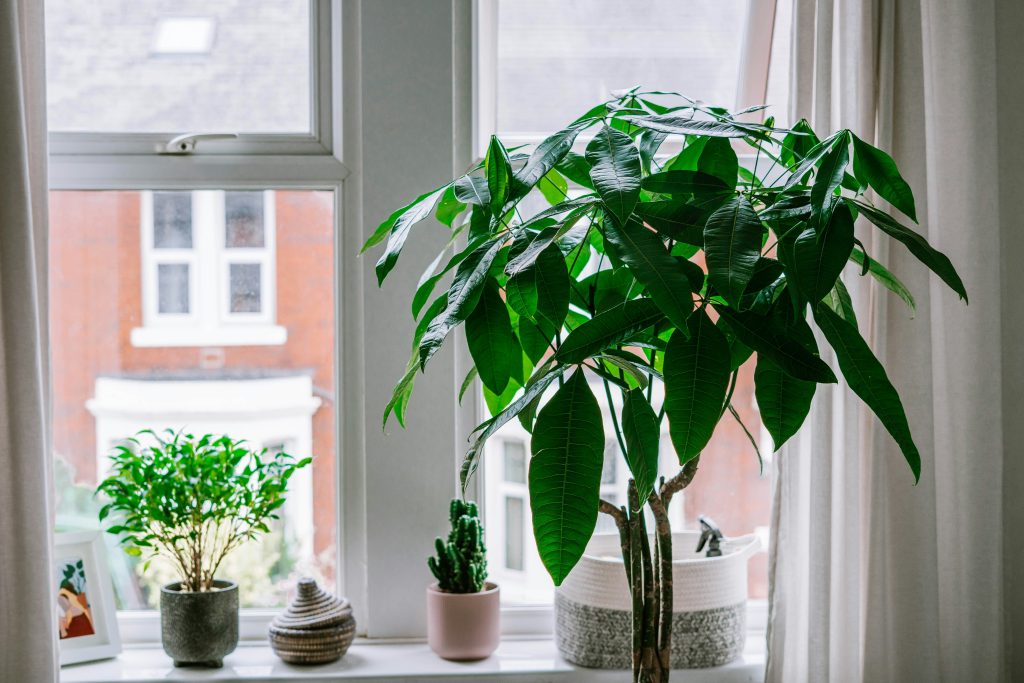
10. Money Tree (Pachira aquatica): The Braided Lushness
The Money Tree is a popular large indoor plant, often characterized by its hand-shaped leaves and intricately braided trunks. It is a symbol of good luck and is often used in Feng Shui to attract positive energy.
Humidity and Water Management: The Money Tree loves a “drench and dry” watering cycle. It is important to water it until it drains out the bottom, then wait until the top few inches of soil are dry before watering again. It also thrives in high humidity. If your home is dry, placing the pot on a tray filled with pebbles and water will create a local humidity zone that prevents the leaf tips from browning.
Versatile Sizing: While often sold as small tabletop plants, the Money Tree can be purchased in 5-to-6-foot specimens. Its canopy is lush and full, providing a beautiful “umbrella” effect that works well in living rooms or as a backdrop for a home office desk.
11. Snake Plant ‘Laurentii’ (Sansevieria): The Vertical Divider
While many people think of the Snake Plant as a small, shelf-sized variety, the ‘Laurentii’ and ‘Zeylanica’ varieties can grow up to 4 or 5 feet tall. When planted in large, linear containers, they act as a “living wall.”
The Ultimate Low-Light Solution: If you have a large space with almost no natural light, the Snake Plant is your only option for a large-scale plant. It can survive in windowless basements or hallways for long periods. It is also a CAM plant, meaning it produces oxygen at night, making it a functional addition to a large bedroom.
Modern Aesthetic: The sharp, vertical lines of a large Snake Plant fit perfectly into modern and contemporary design styles. They look best in tall, cylindrical, or rectangular pots that emphasize their height. Because they are so structural, they don’t “flutter” or drop leaves, making them the cleanest large plant option for high-traffic areas.
12. Weeping Fig (Ficus benjamina): The Airy Indoor Forest
The Weeping Fig is the classic “indoor tree.” It features thousands of small, glossy leaves on delicate, drooping branches. It creates a soft, dappled light effect that feels very much like being in an actual forest.
Stability and Leaf Drop: The Weeping Fig is famous for its “temperamental” nature. If it is moved, exposed to a cold draft, or overwatered, it will drop its leaves in large quantities. However, this is usually temporary. Once the plant adjusts to its new environment, it will grow its leaves back. The key is to find a bright, stable spot and leave it there.
Formal Styling: Because the Weeping Fig can be easily pruned, it is often sold as a “topiary” with a clean trunk and a rounded “ball” of foliage. This makes it an excellent choice for formal entryways or symmetrically placed on either side of a large window.
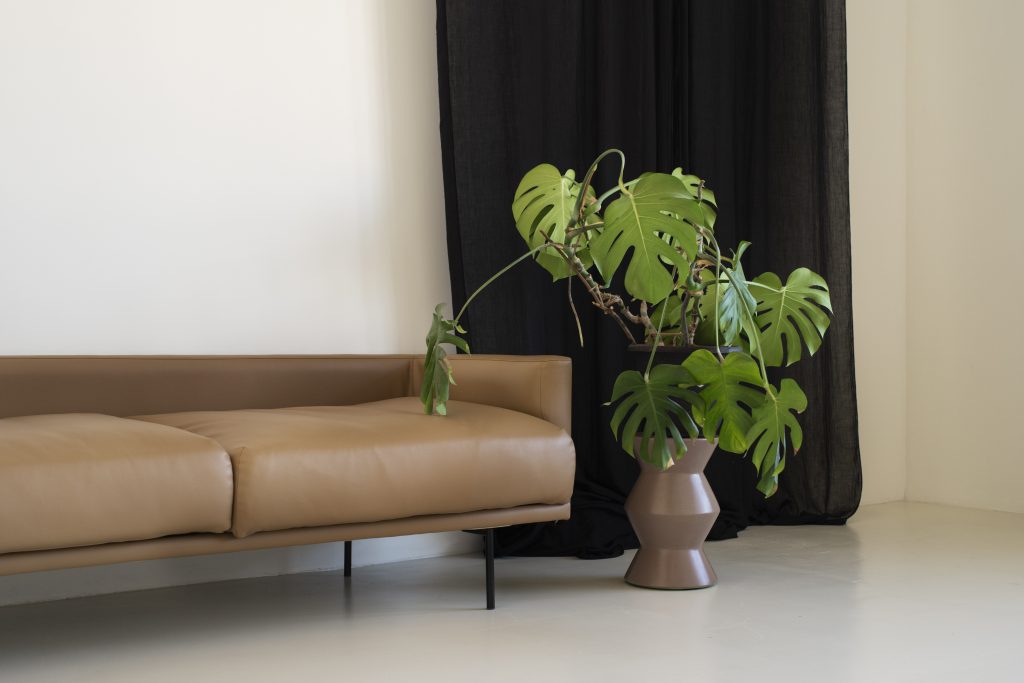
Technical Mastery: Soil, Weight, and Repotting
When you transition to large indoor plants, the logistics of care change.
- The Weight Issue: A 5-foot tree in a ceramic pot can weigh over 80 pounds. Before you even pot your plant, place the container on a heavy-duty “plant caddy” with locking wheels. This allows you to move the plant for floor cleaning or to adjust its light exposure without straining your back.
- Potting Depth: Many people make the mistake of planting trees too deep. The “root flare”—the area where the trunk widens into the roots—should always be visible at the soil surface. Planting too deep can lead to trunk rot.
- Repotting Large Trees: You don’t always need a bigger pot. Large trees often prefer to be slightly root-bound, as it prevents the soil from staying wet for too long. If you want to keep the tree at its current size, you can “root prune” by removing the plant, trimming the outer inch of roots, and replacing it in the same pot with fresh soil.
Advanced Feeding and Humidity Strategies
Large plants are long-term investments. To ensure they continue to produce large, healthy leaves, you must feed them correctly. During the growing season (spring and summer), use a balanced, water-soluble fertilizer at half-strength every second watering. Avoid fertilizing in the winter when the plant’s metabolism slows down.
Humidity is the “silent killer” of indoor trees. Most of these plants are tropical and require 50-60% humidity. Most homes average 20-30%. Investing in a dedicated room humidifier is the single best thing you can do for your large indoor plants. It prevents crispy brown leaf edges and helps the plant maintain its vibrant green color.
Pest Management for Large Foliage
Because large plants have thousands of square inches of leaf surface, they can hide pests like Mealybugs, Scale, or Spider Mites. Every time you water, do a “spot check.” Look at the undersides of the leaves and the “crothes” where the leaves meet the stems. If you find pests, treat the entire plant immediately with Neem Oil or insecticidal soap. Because the plant is large, you may need a pressurized spray bottle to ensure full coverage.
Conclusion: Creating a Lasting Botanical Legacy
Integrating large indoor plants into your home is a transformative design choice that bridges the gap between architecture and nature. By selecting a variety that fits your light levels—whether it’s the sun-loving Bird of Paradise or the shade-tolerant Kentia Palm—you create a living anchor that defines the character of your space. These botanical giants do more than just fill a corner; they improve air quality, reduce noise levels, and provide a daily connection to the natural world.
With the right pot, the right placement, and a bit of patience, your large indoor plant will grow from a simple piece of decor into a cherished, lifelong part of your home’s ecosystem. Your home is your sanctuary; by choosing the right large-scale plants, you are ensuring that your environment is not just lived in, but truly alive.
FAQs
1. How do I transport a large plant into my house without damaging it?
Wrap the foliage loosely in a breathable paper sleeve or a light bedsheet. Secure the pot in your vehicle so it doesn’t tip, and always carry the plant by the pot, never by the trunk.
2. Do large plants need bigger pots immediately?
Not always. Many large plants, like the Fiddle Leaf Fig, actually prefer to be slightly root-bound. Only repot if you see roots circling the surface or growing aggressively out of the drainage holes.
3. How often should I water a tree-sized indoor plant?
Because they have more soil, they take longer to dry out. Always use a moisture meter or your finger to check the soil 2-3 inches deep. Generally, they need watering every 10–14 days.
4. Why is my large plant leaning?
This is “phototropism.” The plant is stretching toward the light. Rotate the plant weekly and consider adding a stake for support until the trunk strengthens.
5. How do I dust a plant that is 8 feet tall?
Use a long-handled microfiber duster or a soft cloth. For very large leaves like a Monstera, a gentle wipe with a damp cloth once a month is necessary to keep the pores open.
6. Can I grow a large plant in a windowless room?
Only if you install high-output LED grow lights. A large plant will not survive more than a few weeks in total darkness.
7. Are large plants more prone to pests?
Because they have more foliage, they can hide pests like Mealybugs or Scale more easily. Inspect the undersides of the leaves once a week during your watering routine.
8. What is the best pot for a heavy plant?
Use a sturdy ceramic or stone pot for stability, but keep the plant in its plastic nursery liner inside the decorative pot. This makes drainage management much easier.
9. How do I stop my cat from digging in a large floor pot?
Place large, smooth river stones or a decorative “moss topper” over the soil. This prevents digging while still allowing water to reach the roots.
10. How long do large indoor plants live?
With proper care, many of these species—like the Snake Plant or Dracaena—can live for 20 to 50 years, becoming true family heirlooms.