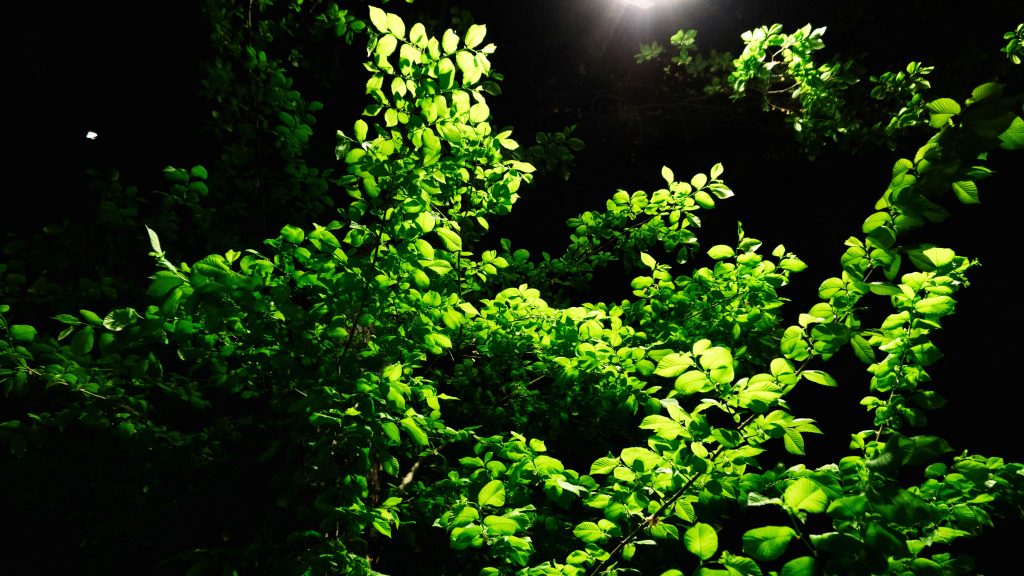
Grow lights for indoor plants have revolutionized the way we approach urban gardening, allowing enthusiasts to cultivate lush, tropical jungles in environments that lack natural sunlight. In many modern homes, north-facing windows or deep interior rooms provide insufficient “Photosynthetically Active Radiation” (PAR) for plants to survive, let alone thrive. By integrating high-quality artificial lighting, you are no longer limited by the architecture of your home or the changing seasons. You can provide your greenery with a consistent, 365-day summer, ensuring vibrant leaves and robust growth year-round.
Choosing the best grow lights for indoor plants requires a technical understanding of the light spectrum and how different wavelengths affect plant physiology. Unlike standard household bulbs, which primarily provide light for human visibility, dedicated grow lights are engineered to emit the specific blue and red wavelengths that trigger photosynthesis and flowering. This professional guide explores the various types of lighting technology—from energy-efficient LEDs to classic fluorescent tubes—providing you with the knowledge to select the perfect system for your specific botanical collection.
The Physics of Artificial Sun: Understanding PAR and PPFD
To truly master grow lights for indoor plants, one must look beyond “brightness” as perceived by the human eye. We measure light in lumens, but plants don’t care about lumens. They care about PAR (Photosynthetically Active Radiation). This represents the specific range of light (400 to 700 nanometers) that plants use for photosynthesis. When selecting a light, you must check the PPFD (Photosynthetic Photon Flux Density), which measures how much of that usable light actually reaches the plant’s leaves at a specific distance.
If the PPFD is too low, your plant will begin “stretching”—a process called etiolation—where it grows thin, weak stems in a desperate search for light. If the PPFD is too high, you risk photo-oxidation, essentially “bleaching” the chlorophyll and killing the leaf tissue. Modern LED technology allows us to dial in these exact numbers, creating a customized environment that outperforms natural sunlight in consistency and reliability.
1. LED Grow Lights: The Modern Industry Standard
LEDs (Light Emitting Diodes) are the undisputed champions of the indoor gardening world today. Their rise to dominance is due to their incredible electrical efficiency and their ability to be “tuned” to specific spectral outputs. Unlike older lighting technologies, LEDs produce very little radiant heat, which means you can place them closer to your plants without the risk of burning the delicate foliage of a Monstera or a Ficus.
The true power of LED grow lights for indoor plants lies in their longevity. A high-quality LED panel can last for 50,000 to 100,000 hours without a significant drop in light intensity. This makes them a superior long-term investment compared to traditional bulbs that need replacement every six months. Furthermore, many LED systems now feature “Full Spectrum” arrays, which include specialized UV and IR (Infrared) diodes that mimic the subtle nuances of the sun, promoting thicker stems and more intense variegation in decorative plants.
2. Fluorescent Lighting: The Soft Touch for Delicate Species
Fluorescent lights, specifically T5 high-output (HO) tubes, remain a favorite for growers of delicate species like African Violets, Orchids, and Ferns. They provide a very soft, diffused light that spreads evenly across a large area. This prevents “hot spots” that can occur with high-intensity LED or HID systems.
Because T5 tubes run cool, they are the best choice for multi-tiered plant shelves. You can mount them just inches above your plants, maximizing every square inch of vertical space in a small apartment. While they are less energy-efficient than LEDs, their low upfront cost and reliable performance make them an excellent entry point for beginners who are just starting to experiment with artificial lighting.
3. HID (High-Intensity Discharge) Systems: For the Large-Scale Jungle
If you are maintaining a 7-foot indoor tree or a dense “room-sized” jungle, HID lights—which include Metal Halide (MH) and High-Pressure Sodium (HPS)—are the heavy hitters. These bulbs produce an intense, high-volume light that can penetrate deep into the canopy of a large Bird of Paradise or a Fiddle Leaf Fig.
However, HID lights come with challenges. They require specialized ballasts and heavy-duty fixtures. Most importantly, they produce significant heat. Without proper ventilation or a dedicated ceiling fan, a single HID bulb can raise the temperature of a room by 10 degrees in an hour. They are best reserved for large, open spaces with high ceilings where the heat can dissipate safely.
4. Ceramic Metal Halide (CMH): The Gold Standard of Quality
CMH technology is often called “the sun in a bottle.” It provides the most natural color rendering of any grow light, meaning your plants look the same under these lights as they do outdoors. For the indoor gardener who values aesthetics as much as growth, CMH is the premium choice.
Beyond the visual benefits, CMH bulbs produce a significant amount of UV-A and UV-B light. In the wild, plants use UV light to protect themselves, often by producing more resin or intensifying their colors. If you find that your variegated plants are “reverting” to solid green, a CMH light can provide the spectral trigger needed to bring back those vibrant whites and yellows.
5. Full-Spectrum “White” LEDs: Blending Tech with Decor
In the past, LED grow lights for indoor plants were famous for their “blurple” (blue-purple) glow, which made living rooms look like science labs. Modern “white” full-spectrum LEDs have fixed this. By using a mix of different colored diodes and a phosphor coating, manufacturers have created lights that look like warm, natural sunlight to the human eye while still providing the hidden blue and red peaks the plants need.
These are the best lights for integration into your home’s existing decor. You can find full-spectrum LED bulbs that fit into standard E26 floor lamps, allowing you to hide your “grow light” in plain sight. This is the ultimate solution for the stylist who wants a thriving indoor garden without sacrificing the “cozy” vibe of their living space.
6. The Role of Blue Light in Vegetative Growth
When we look at the blue part of the spectrum (400-500nm), we are looking at the “architect” of the plant. Blue light inhibits “cell elongation,” which is a fancy way of saying it keeps the plant short and stocky. For indoor gardeners, this is vital. You don’t want a Pothos or a Philodendron with three inches of bare stem between every leaf. Blue light ensures that your plants stay bushy, with thick stems and a high density of leaves. It is the primary light used for seedlings and “green” foliage plants that aren’t expected to flower indoors.
7. The Power of Red Light: Flowering and Fruiting
Red light (600-700nm) acts as the plant’s biological clock. In nature, as summer turns to fall, the angle of the sun changes, providing more red light. This signals to the plant that it is time to produce flowers and seeds. If you are trying to get a Peace Lily or an Anthurium to bloom indoors, ensure your grow lights for indoor plants have a strong red-light component. Red light is also responsible for “stem elongation,” so it should always be balanced with blue light to prevent the plant from becoming too tall and falling over.
8. Mastering Light Duration: The 14-Hour Sweet Spot
Plants aren’t designed to be “awake” for 24 hours. Like humans, they have a circadian rhythm. During the dark hours, plants undergo a process called “respiration,” where they break down the sugars they created during the day to build new tissue. For most indoor tropicals, a cycle of 14 hours “on” and 10 hours “off” is the perfect balance. Using a simple mechanical or smart-home timer is the best way to ensure this consistency. Frequent changes in light duration can stress the plant, leading to leaf drop or stunted growth.
9. Distance Management: The Inverse Square Law
The most common mistake beginners make is placing their grow lights for indoor plants too far away. Light intensity decreases exponentially with distance. If you move your light from 1 foot away to 2 feet away, your plant isn’t getting half the light—it’s getting one-fourth of the light. For high-light plants like succulents or indoor citrus, your light source should be within 12 inches. For low-light plants like ZZ plants or Snake plants, you can safely move the light 3 to 4 feet away. Always use your hand to test for heat; if it’s uncomfortably hot for your skin, it’s too hot for the leaves.
10. The Importance of Leaf Cleanliness
In an artificial lighting setup, the efficiency of your light is only as good as the cleanliness of your leaves. Dust, pet hair, and water spots act as physical barriers that block light from reaching the chlorophyll-heavy cells inside the leaf. In a room with no wind, dust accumulates much faster than outdoors. Make it a habit to wipe down your leaves with a soft, damp cloth every two weeks. This simple maintenance task can increase the “light uptake” of your plant by up to 30%, ensuring you get the most out of your electricity bill.
11. Supplemental vs. Sole-Source Lighting
Not every indoor garden needs a heavy-duty light fixture. “Supplemental lighting” is used to help plants that are already near a window but aren’t getting quite enough light to thrive—common in winter. “Sole-source lighting” is for rooms with no windows at all. If you are doing sole-source lighting, your light must be much more powerful and cover the full spectrum, as the plant has no other way to get energy. Understanding which category your space falls into will save you money on unnecessary equipment.
12. Troubleshooting Light Stress
Even the best grow lights for indoor plants can cause problems if misused.
- Light Burn: If the leaves directly under the light are turning yellow or crispy-brown while the rest of the plant is green, your light is too close.
- Bleaching: If a variegated plant loses its color and becomes a ghostly white, the light is too intense.
- Legginess: If the plant is leaning at a 45-degree angle toward the light, or if the new leaves are smaller than the old ones, it needs more intensity or a closer light source.
Conclusion: Lighting the Path to a Perfect Indoor Jungle
Mastering grow lights for indoor plants is the ultimate “level up” for any home gardener. By providing your plants with the exact wavelengths they need, you remove the biggest obstacle to indoor plant success: the lack of natural sun. Whether you choose the cutting-edge efficiency of LEDs, the soft glow of fluorescents, or the industrial power of HID systems, the result remains the same—healthier, faster-growing, and more vibrant plants. Your home doesn’t need to be designed like a greenhouse for you to have a thriving garden. With the right artificial light, any room, basement, or office can become a lush, green sanctuary that breathes life into your daily routine.
FAQs
1. Can I use a regular desk lamp as a grow light?
A regular desk lamp with a standard bulb will not work. However, you can buy a “full-spectrum LED grow bulb” that fits into a standard desk lamp socket to turn it into an effective light for a single small plant.
2. How many hours a day should I leave my grow lights on?
Most indoor tropical plants thrive with 12 to 14 hours of light. Succulents and flowering plants may need up to 16 hours during their peak growth season.
3. Do grow lights use a lot of electricity?
Modern LED grow lights are incredibly efficient. A 100-watt LED panel run for 14 hours a day will typically add less than $5 to $8 to your monthly electricity bill, depending on local rates.
4. Why is my plant turning brown under the grow light?
This is likely “light burn” or “heat stress.” If the light is too close, it can physically cook the leaf tissue. Try moving the light 6 inches further away.
5. Can I grow vegetables indoors with these lights?
Yes. Leafy greens like lettuce and herbs like basil thrive under LED or fluorescent lights. Fruiting plants like tomatoes need much more intense, high-output LED panels.
6. Do I need grow lights if I have a big window?
If your window is north-facing or blocked by trees or buildings, your plants are likely still light-starved. Supplemental grow lights can make a huge difference in these cases.
7. Are “purple” grow lights better than “white” ones?
Not necessarily. Purple lights focus only on red and blue, which is efficient for growth but hard on human eyes. White “Full Spectrum” lights are now the industry preference for home use.
8. Can grow lights hurt my pets’ eyes?
High-intensity lights can be irritating. It’s best to place lights where they aren’t shining directly into your pet’s favorite lounging spots, or use “shrouds” to direct the light downward.
9. How do I know when to replace my grow light?
LEDs rarely “burn out” but their intensity fades over time. If your plants start to look “leggy” after 3 or 4 years, it might be time for a new fixture.
10. What is the best grow light for a windowless office?
A full-spectrum LED bar or a high-quality “cob” LED bulb is best. They provide the high intensity needed to replace 100% of the sun’s energy.