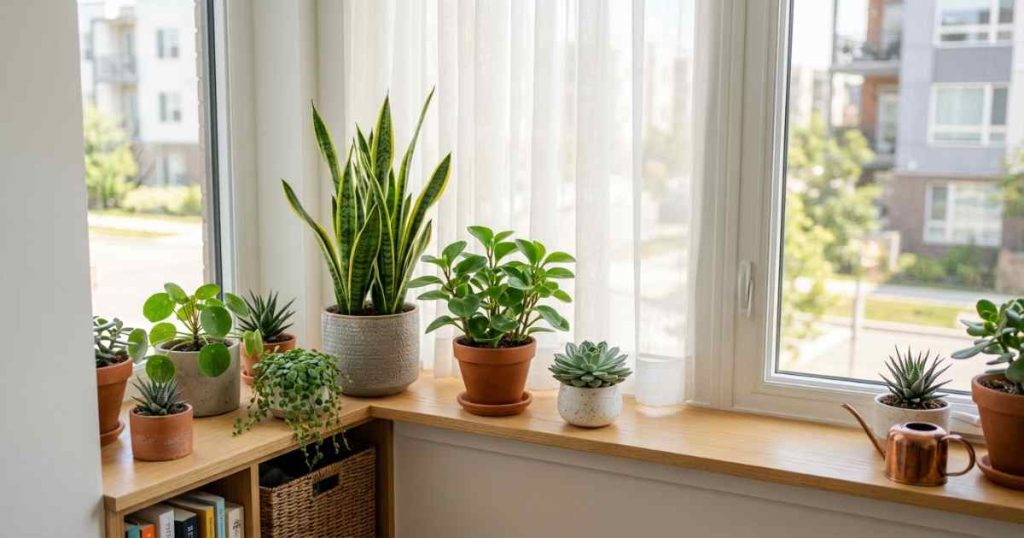
Selecting the best plants for small apartments can transform a cramped living space into a refreshing green sanctuary. When square footage is limited, choosing indoor greenery requires a deliberate approach. Traditional foliage can quickly overwhelm narrow windowsills, crowd compact bookshelves, or succumb to low-light environments.
Finding the best plants for small apartments means prioritizing compact growth habits, low-maintenance care routines, and high tolerance for indirect light. By selecting varieties that grow vertically or trail gracefully from wall planters, you can maximize your interior design without sacrificing valuable floor space.
Technical Specifications: Compact Plant Selection
| Growth Habit | Spatial Footprint | Ideal Placement | Key Benefits | Top Plant Examples |
| Vertical / Upright | Strict vertical expansion | Tight Corners, Narrow Desks | Zero horizontal spread | Snake Plant, ZZ Plant |
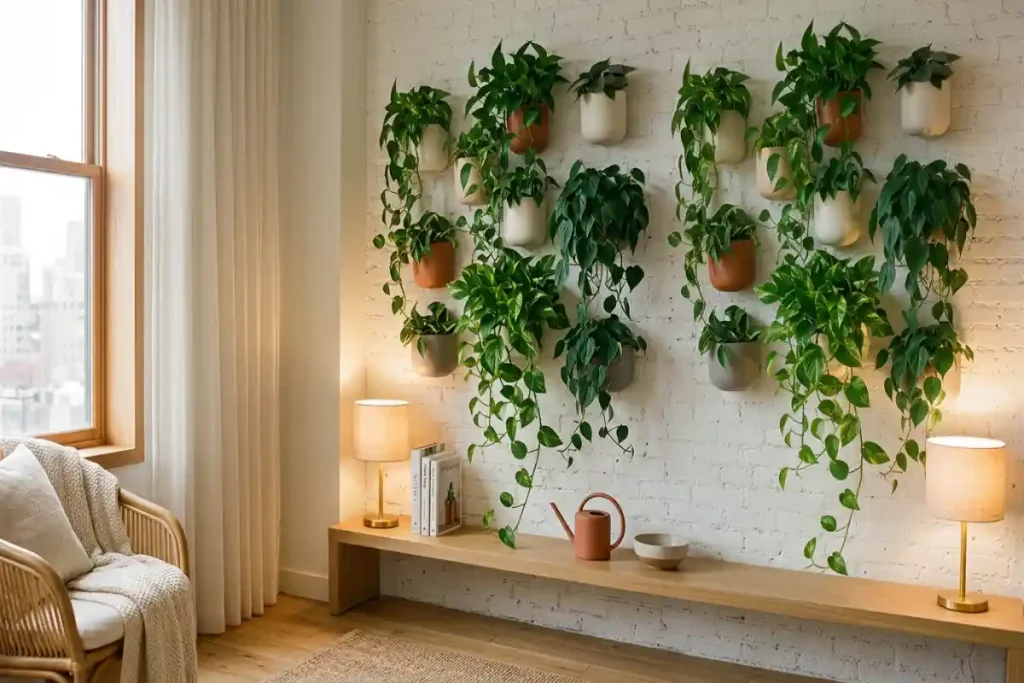
| Trailing / Cascading | Zero floor footprint | Floating Shelves, Hangers | Utilizes empty wall space | Pothos, Heartleaf Philodendron |
| Compact / Rosette | Sub-12 inch diameter | Windowsills, Side Tables | Retains tiny size indefinitely | Peperomia, Haworthia |
| Micro-Palms | Slow vertical canopy | Low-light living room corners | Tropical aesthetic in small pot | Parlor Palm |
The Spatial Challenge: Hacking Small Apartment Living
Living in a studio or small apartment often means dealing with two main environmental constraints: limited surface area and inconsistent natural light. Heavy foliage plants with wide canopy spreads (like large Ficus or Monstera varieties) take up precious walking space and rapidly outgrow small containers.
To successfully integrate greenery into compact rooms, indoor gardeners must shift focus from floor-based pots to vertical dimension design. Utilizing vertical wall space, windowsill ledges, and overhead ceiling hooks allows you to cultivate dozens of plants without losing a single square inch of usable living area. Additionally, matching plant root systems to compact pots ensures your greenery remains manageable for years.
Top 10 Houseplants for Small Apartments
1. Snake Plant (Sansevieria trifasciata)
Snake plants are an exceptional choice for small spaces due to their rigid, sword-like leaves that grow strictly upward. Because they expand vertically rather than horizontally, a mature specimen easily fits into narrow gaps between furniture pieces. They thrive in low-light corners and require minimal watering, making them ideal for busy city dwellers.
- Light Needs: Low to bright indirect light
- Water Frequency: Every 3 to 4 weeks (allow soil to dry completely)
- Max Height: 2 to 4 feet (with a ultra-narrow 6-inch base)
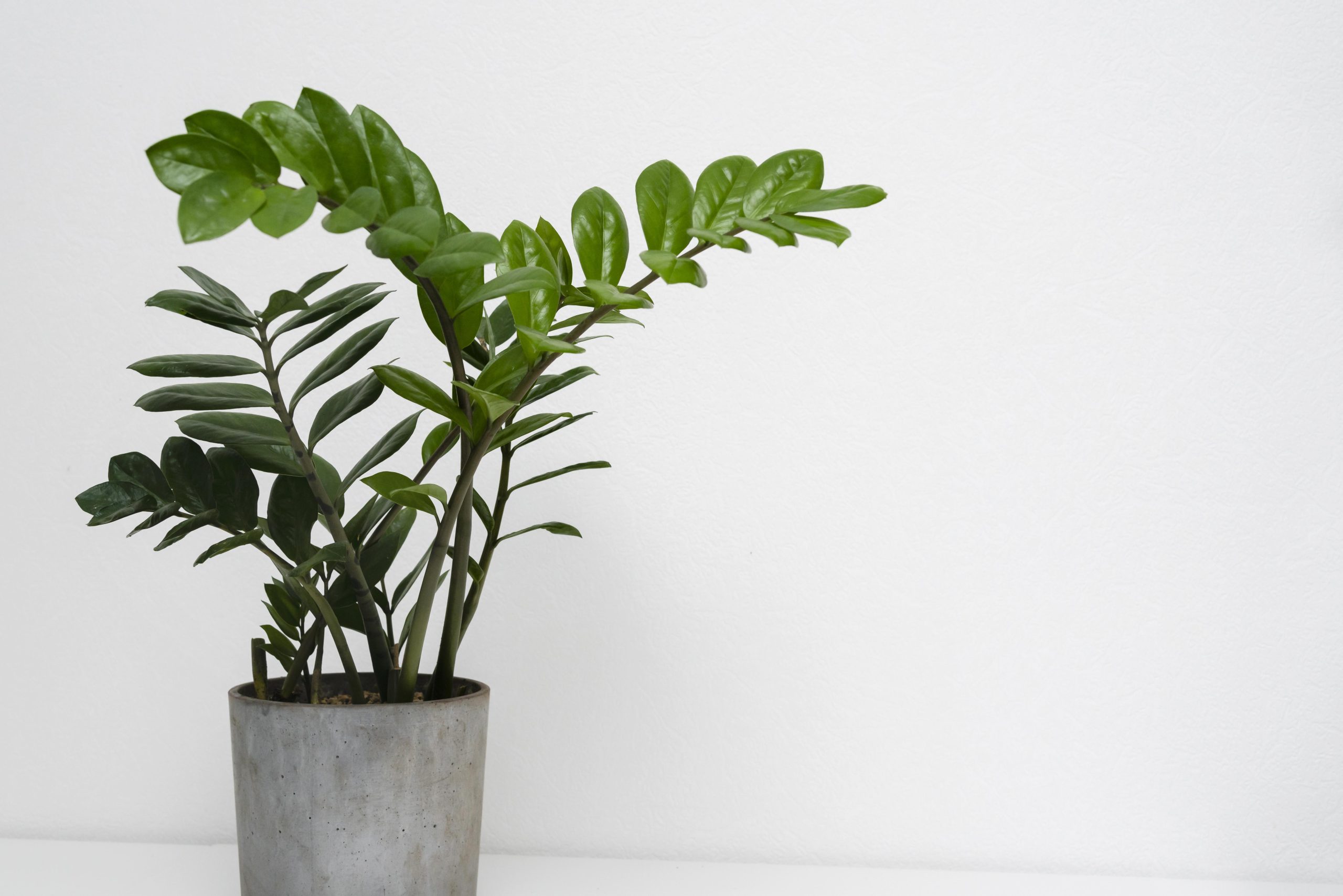
2. ZZ Plant (Zamioculcas zamiifolia)
Featuring glossy, dark green leaves on upright stems, the ZZ plant stores water in large underground rhizomes. It tolerates prolonged drought, dry air conditioning, and artificial fluorescent lighting. It is the ultimate low-maintenance option for windowless studio apartment bathrooms or dark entryways.
- Light Needs: Deep shade to medium indirect light
- Water Frequency: Every 3 to 5 weeks
- Key Feature: Extremely drought-tolerant potato-like rhizomes
If your ZZ plant or other indoor greenery exhibits soft, decaying tissue at the base due to accidental overwatering, read our emergency rescue guide on why is my indoor plant stem mushy to save your plant early.
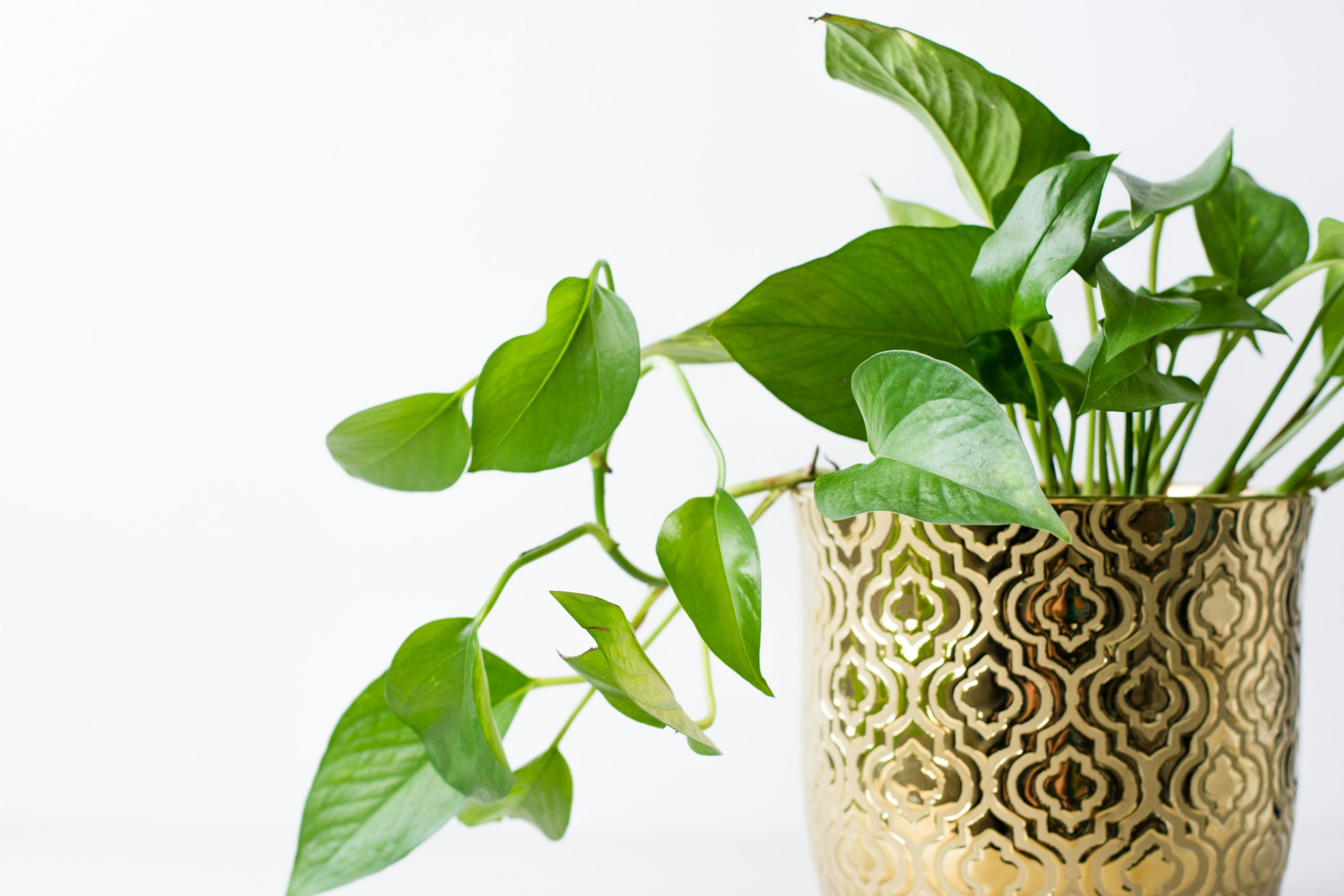
3. Golden Pothos (Epipremnum aureum)
Pothos vines are famous for their adaptability, air-purifying qualities, and fast growth. Instead of taking up floor room, plant them in hanging baskets or set them on high bookshelves to let their golden-variegated foliage cascade down your walls like natural green wallpaper.
- Light Needs: Tolerates low light; variegated leaves pop in bright indirect light
- Water Frequency: Every 1 to 2 weeks when top 2 inches dry out
- Design Advantage: Excellent candidate for wall hooks and macrame hangers
4. Watermelon Peperomia (Peperomia argyreia)
Peperomias remain small throughout their entire lifespan, rarely exceeding 8 inches in total height. The striking silvery-green pattern on Watermelon Peperomia foliage adds vibrant texture to small side tables, desks, and kitchen counters without overcrowding your home workspace.
- Light Needs: Medium to bright indirect light
- Water Frequency: Moderate; store moisture in semi-succulent leaves
- Size Limit: Compact 6 to 8 inch height ceiling
If you ever notice leaf discoloration, thin tissue, or clear spots on your indoor collection, check our diagnostic guide on transparent spots on plant leaves to correct light and watering stress.
5. Cast Iron Plant (Aspidistra elatior)
Living up to its rugged name, the Cast Iron Plant withstands deep shade, temperature fluctuations, and poor air circulation. Its deep green, arching leaves add classical elegance to dark apartment corners where most other houseplant species would quickly perish.
- Light Needs: Deep shade to low indirect light (avoid direct sunlight)
- Water Frequency: Allow top half of soil to dry between waterings
- Durability: High tolerance for dusty or dry indoor environments
6. Heartleaf Philodendron (Philodendron hederaceum)
Similar in appearance to Pothos, the Heartleaf Philodendron features graceful heart-shaped leaves on flexible trailing stems. It tolerates varying light conditions and thrives when trained to climb up small vertical moss poles or along floating wall shelves.
- Light Needs: Low to medium indirect light
- Water Frequency: Weekly during spring and summer; bi-weekly in winter
- Versatility: Can be trained to climb vertically or trail downward
7. Lemon Button Fern (Nephrolepis cordifolia ‘Duffii’)
For lovers of fine texture, the Lemon Button Fern offers delicate, button-like pinnae on compact fronds. Unlike massive, messy Boston ferns, this miniature variety stays compact, emits a subtle lemony fragrance when brushed, and fits neatly on narrow windowsills.
- Light Needs: Bright, indirect light
- Water Frequency: Keep soil consistently moist but never soggy
- Humidity: Thrives in humid kitchens and bathrooms
Proper moisture balance is critical for delicate ferns to prevent tip burn or leaf curling. Review our troubleshooting breakdown on why are my indoor plant leaves curling to maintain proper atmospheric humidity.
8. Parlor Palm (Chamaedorea elegans)
If you want the tropical look of a palm tree without sacrificing square footage, the Parlor Palm is your best option. It grows extremely slowly in low light, retaining a small container footprint while adding soft feather-like fronds to small living rooms.
- Light Needs: Medium to low indirect light
- Water Frequency: Moderate; keep slightly damp in active growth
- Pet Safety: 100% ASPCA certified non-toxic to cats and dogs
9. String of Pearls (Senecio rowleyanus)
Succulent lovers with bright, sunny windowsills will appreciate the unique bead-like foliage of String of Pearls. Its slender trailing stems hang neatly from small 4-inch pots, requiring direct morning sunlight and very little water.
- Light Needs: Bright direct sun to bright indirect light
- Water Frequency: Low; soak only when spherical pearls feel slightly soft
- Ideal Placement: High south- or west-facing window ledges
Overwatering small potted succulents or apartment houseplants often attracts subterranean pests. Learn how to get rid of fungus gnats permanently to keep your apartment clean and bug-free.
10. Bird’s Nest Fern (Asplenium nidus)
With broad, wavy, bright-green fronds growing out from a central funnel rosette, the Bird’s Nest Fern adds lush tropical volume while retaining a clean footprint. It thrives in humid apartment bathrooms with indirect light.
- Light Needs: Medium indirect to low light
- Water Frequency: Water around the edges; avoid pouring water into the central nest
- Texture: Glossy, leather-like fronds that resist dust buildup
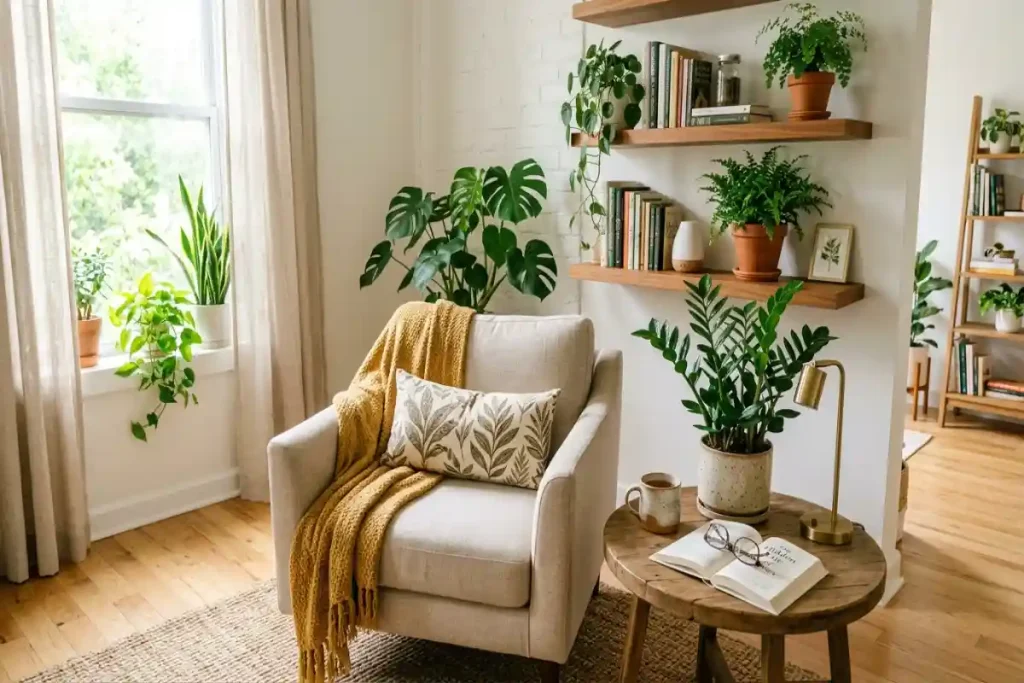
Apartment Lighting Masterclass: Window Alignment
- North-Facing Windows: Provide soft, low-intensity light throughout the day. Stick to shade-tolerant species like Snake Plants, ZZ Plants, and Cast Iron Plants.
- East-Facing Windows: Offer cool, gentle morning sunlight. Perfect for delicate foliage like Lemon Button Ferns, Peperomias, and Parlor Palms.
- West-Facing Windows: Deliver strong afternoon sun and heat. Ideal for Pothos, Philodendrons, and bright-light tropicals positioned a few feet back.
- South-Facing Windows: Provide intense, direct light for most of the day. Essential for succulents like String of Pearls that require high light levels to avoid stretching.
4 Space-Saving Styling Techniques for Studios
- Mount Vertical Floating Shelves: Install narrow wooden ledges directly above desks or television setups to hold small 4-inch potted plants without using table space.
- Utilize Tension Rods & Wall Hooks: Install shower curtain tension rods across window frames or use ceiling hooks to hang trailing vines in macrame holders.
- Choose Pots with Integrated Saucers: Always select pots with attached drip trays or place nursery pots inside leak-proof cachepots to protect apartment flooring and wooden furniture from water damage.
- Implement Strategic Pruning: Regularly trim trailing vines like Pothos and Philodendron. Trimming prevents long vines from cluttering walkways and keeps plants bushy and compact.
Small Apartment Plant Care & Diagnostic Checklist
| Management Factor | Small Space Optimization Rule | Common Mistake to Avoid |
| Container Size | Keep pot sizes under 8 inches to restrict root expansion | Repotting into oversized containers that hold excess water |
| Soil Drainage | Mix 30% perlite or pumice into standard potting mix | Using heavy garden soil that compacts in small pots |
| Watering Routine | Check soil moisture with a finger test before adding water | Watering on a fixed calendar schedule regardless of humidity |
| Dust Control | Wipe broad leaves monthly with a damp cloth to boost photosynthesis | Allowing dust to block light in low-lit apartment rooms |
Final Thoughts
Selecting the best plants for small apartments allows you to build a thriving indoor jungle regardless of your floor plan. By focusing on upright growers, compact peperomias, and graceful trailing vines, you can maximize natural aesthetics without cluttering your home.
Frequently Asked Questions
1. What is the absolute easiest houseplant for small apartments with low light?
The Snake Plant and ZZ Plant are the undisputed easiest options. Both tolerate deep shade, dry apartment air, and irregular watering schedules while maintaining a neat vertical footprint.
2. How do I keep indoor plants from taking over a tiny room?
Choose naturally slow-growing species like Peperomia or Parlor Palms, and restrict root growth by keeping plants in smaller pots. Regularly prune trailing vines to keep foliage dense and manageable.
3. Can I grow indoor plants in a windowless apartment room?
Yes, but you must select tolerant species like ZZ Plants or Snake Plants, or install a compact LED grow light bulb into a standard desk lamp to supply missing light energy.
4. How often should I water houseplants in a small apartment?
Watering frequency depends on ambient light and airflow. Generally, wait until the top 1 to 2 inches of soil feel completely dry before watering. Never allow pots to sit in standing saucer water.
5. Which small apartment plants are safe for cats and dogs?
Parlor Palms, Watermelon Peperomia, Lemon Button Ferns, and Bird’s Nest Ferns are non-toxic to pets according to ASPCA guidelines. Always verify pet safety if your animals tend to nibble on foliage.