If you want a houseplant that makes a genuine statement with large, deeply lobed leaves and a dramatic, architectural presence, fatsia japonica belongs at the top of your list. Often called the Japanese aralia or paper plant, this bold evergreen shrub brings a tropical, jungle-like feel to indoor spaces and is surprisingly easy to care for once you understand its preferences. Fatsia japonica care is more forgiving than many dramatic-looking plants, making it an excellent choice for plant owners who want impact without excessive effort. Here is everything you need to know.
What Is Fatsia Japonica?
Fatsia japonica is a large, glossy-leaved shrub native to the forests of Japan, South Korea, and Taiwan. In its natural habitat it grows as an understory plant beneath the forest canopy, which explains why it tolerates lower light conditions better than many other dramatic-looking tropical plants.
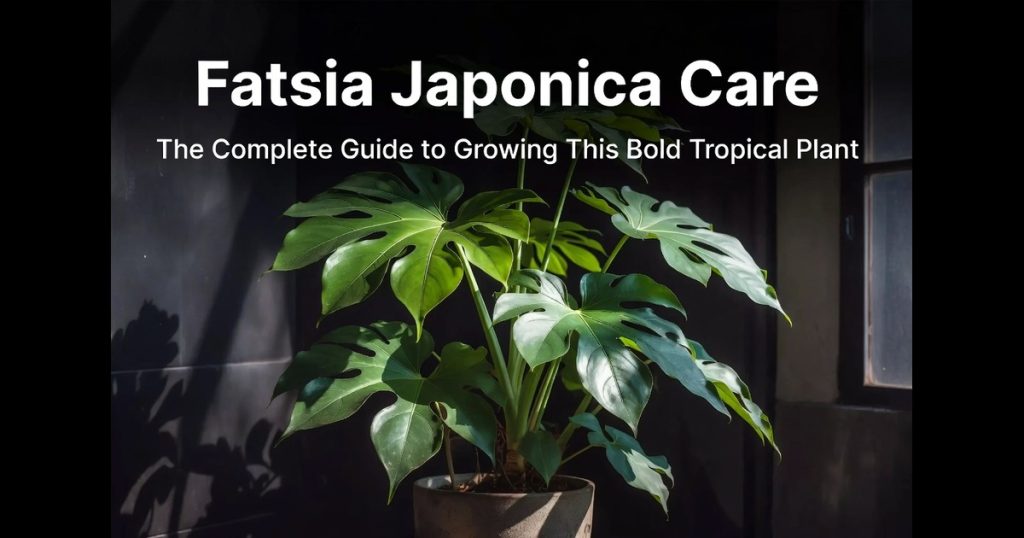
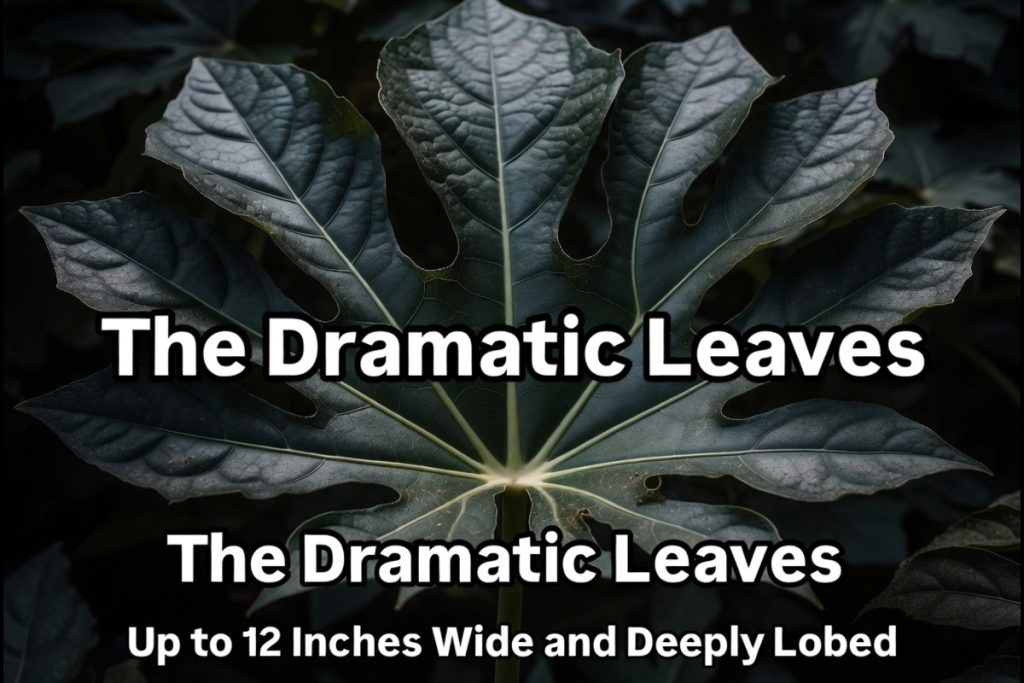
The leaves are the main attraction. They are large, deeply divided into seven to nine lobes, and have a rich, glossy surface that catches and reflects light beautifully. Mature leaves can reach twelve inches or more across, giving the plant an instantly eye-catching, architectural quality. The stems are thick and upright, and the overall growth habit is bold and sculptural.
Outdoors in mild climates, fatsia japonica can grow into a large shrub or small tree. Indoors, it is more compact but still impressive, typically reaching three to six feet with proper care.
Light Requirements
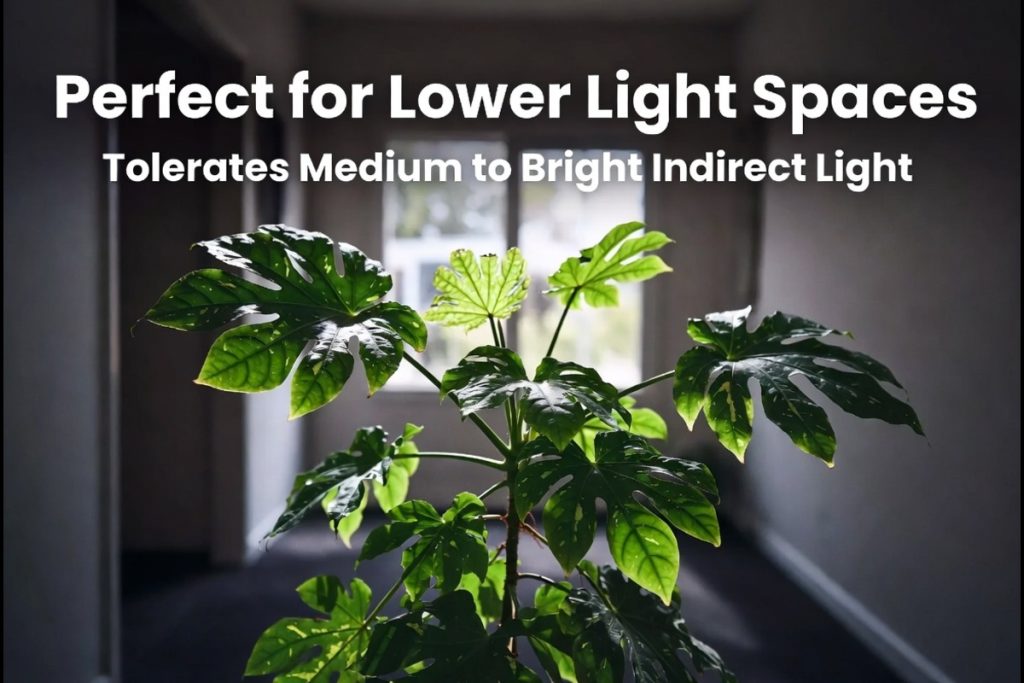
One of the most appealing aspects of fatsia japonica care is the plant’s flexibility with light. It grows naturally as an understory plant and is genuinely one of the better large-leaved plants for lower light indoor environments.
Fatsia japonica does best in bright to medium indirect light. It tolerates lower light better than most large tropical plants, which makes it practical for spaces that do not get strong natural light. However, very deep shade will cause the plant to grow slowly and the leaves may lose some of their glossy vibrancy over time.
Direct intense sunlight, particularly harsh afternoon sun, can scorch the large leaves and cause bleaching and brown patches. A spot near a north or east-facing window, or a few feet back from a brighter south or west-facing window, is generally ideal.
Variegated varieties of fatsia japonica, which have white or cream markings on the leaves, need slightly more light than the standard green form to maintain their variegation.
Watering
Fatsia japonica prefers consistently moist soil during the growing season but is reasonably tolerant of slightly drier conditions between waterings compared to some other tropical plants.
Water when the top inch of soil feels dry, then water thoroughly and allow excess to drain completely. The plant does not tolerate waterlogged conditions well, so ensuring good drainage is important. Soggy soil leads to root rot, which is the most common serious problem with fatsia japonica.
In winter, growth slows significantly and the plant needs much less water. Allow the top two inches of soil to dry out before watering during the cooler months to avoid overwatering during the period of reduced growth.
Fatsia japonica is one of the plants that visually communicates its watering needs clearly. When it needs water, the large leaves begin to droop slightly. This is not a sign of serious distress as long as the plant recovers quickly after watering.
Temperature
Fatsia japonica is one of the more cold-tolerant plants you can grow indoors. It prefers cool to moderate temperatures between 50-65°F (10-18°C) and actually performs less well in very warm indoor conditions, which is the opposite of many tropical houseplants.
This makes fatsia japonica particularly well suited to cool hallways, unheated porches (in mild climates), and rooms that tend to stay on the cooler side. It can tolerate light frosts outdoors in mild climates, though as an indoor plant it should be kept above freezing.
Avoid placing fatsia japonica near heating vents or radiators, since the warm, dry air causes the leaf edges to brown and the plant to dry out more quickly than it naturally would.
Humidity
Fatsia japonica is more tolerant of average household humidity than many tropical plants, which is another reason it is a practical indoor choice. It does not require the high humidity that ferns, calatheas, or other moisture-loving plants need.
In very dry conditions, particularly during winter when heating systems reduce indoor humidity, the leaf edges may develop some browning. A pebble tray with water placed beneath the pot or occasional light misting can help if browning becomes a problem, but for most homes this is not a major concern.
Soil and Potting
A well-draining, nutrient-rich potting mix works well for fatsia japonica. A standard indoor potting mix with added perlite for drainage provides good conditions. The plant appreciates soil that holds some moisture without staying waterlogged.
Choose a pot with drainage holes and size appropriately for the plant. Fatsia japonica grows fairly vigorously and will benefit from repotting every two years or when it has clearly outgrown its container. Spring is the best time to repot.
Because the plant can grow quite large, a heavy ceramic or terracotta pot helps provide stability for a mature, top-heavy specimen.
Fertilizing
Feed fatsia japonica with a balanced liquid fertilizer once a month during spring and summer. The plant is a reasonably vigorous grower during the warm season and benefits from regular feeding to support its large leaf production. Stop fertilizing in autumn and winter when growth slows.
Avoid over-fertilizing, which can cause excessive soft growth that is more vulnerable to pests and disease.
Pruning
Fatsia japonica can be pruned to control its size and shape. Pruning is best done in spring just as new growth begins. Cut stems back to a node or lateral branch to encourage bushy, compact growth rather than tall, leggy stems.
Remove any dead, damaged, or yellowing leaves at the base as they appear. The plant will occasionally drop lower leaves as it matures, which is a normal part of its growth pattern rather than a sign of illness.
Common Problems
Yellowing leaves. The most common cause is overwatering or poor drainage. Reduce watering frequency and ensure the pot drains properly. Yellowing of older, lower leaves is also natural aging and not a cause for concern.
Brown leaf edges. Usually caused by dry air, hot temperatures near a heat source, or inconsistent watering. Move the plant away from heating vents and maintain more consistent watering.
Drooping leaves. Almost always underwatering. Water the plant thoroughly and the leaves should recover within a few hours to a day. If drooping occurs even when the soil is moist, check for root rot.
Leggy growth. Caused by insufficient light. Move the plant to a brighter location and prune back leggy stems to encourage compact, bushy regrowth.
Pests. Scale insects, spider mites, and mealybugs can occasionally affect fatsia japonica, particularly on indoor plants. Check the undersides of leaves regularly and treat with insecticidal soap or neem oil at the first sign of infestation.
Leaf scorch. Bleached or brown patches caused by direct intense sunlight. Move the plant away from direct sun exposure.
Is Fatsia Japonica Toxic to Pets?
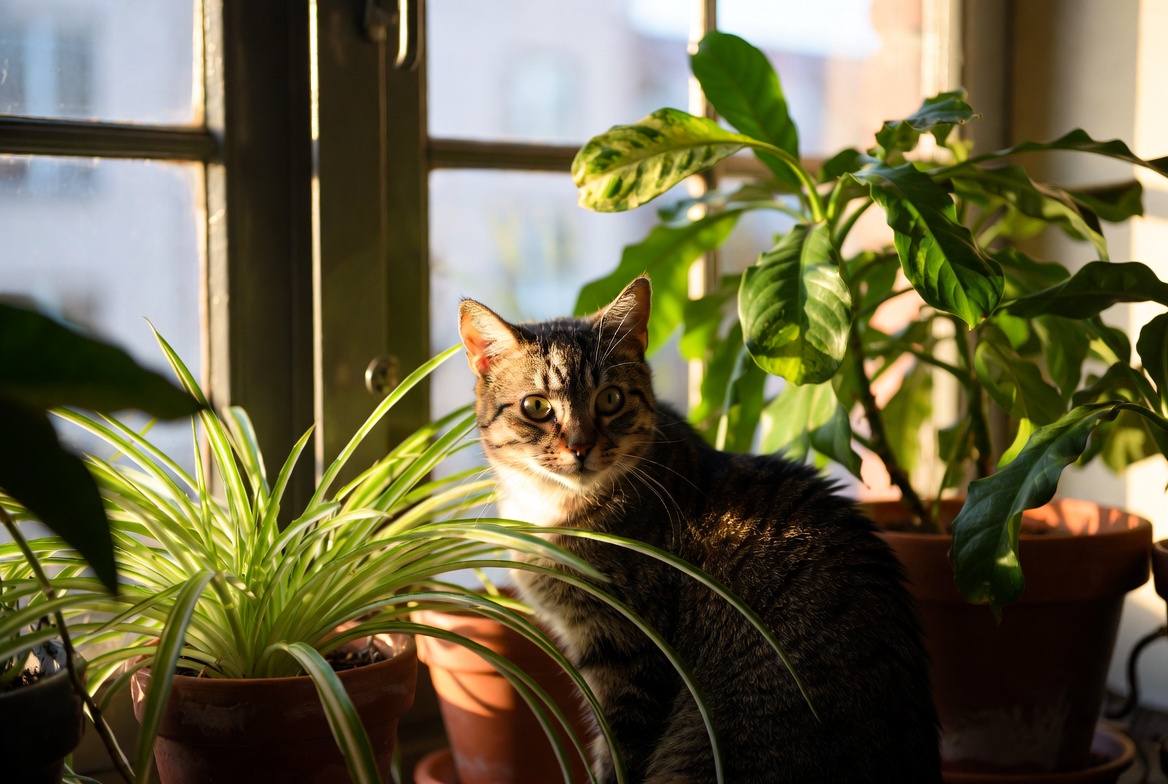
Fatsia japonica is considered mildly toxic to cats and dogs if ingested. Ingestion can cause mild gastrointestinal upset including vomiting and diarrhea. It is not considered severely toxic, but it is best kept out of reach of pets that are prone to chewing on plants.
Fatsia Japonica Outdoors vs Indoors
Fatsia japonica is a versatile plant that works well in both indoor and outdoor settings. Outdoors in USDA hardiness zones 8-11, it grows as a large evergreen shrub and is a popular garden plant valued for its dramatic foliage and tolerance of shade. Indoors, it stays more compact but brings the same bold, architectural quality to interior spaces.
One advantage of growing fatsia japonica indoors is that it is protected from the intense summer sun and winter frost that can damage outdoor specimens. Moving the plant outdoors to a shaded patio or balcony during mild summer weather can give it a growth boost, just bring it back inside before temperatures drop in autumn.
Propagation
Fatsia japonica can be propagated from stem cuttings taken in spring or early summer. Take a cutting with several leaves and at least two nodes, remove the lower leaves, and place the cutting in moist potting mix or water. Keep the cutting in a warm, humid spot with indirect light and it should develop roots within four to six weeks.
Conclusion
Fatsia japonica care is genuinely rewarding and more accessible than the plant’s dramatic appearance might suggest. Its tolerance for lower light, cool temperatures, and average humidity makes it one of the most practical large-leaved plants for indoor growing. With those bold, deeply lobed glossy leaves creating an architectural focal point in any room, fatsia japonica delivers maximum visual impact for a moderate level of care effort.
Frequently Asked Questions
Can fatsia japonica grow indoors? |
Yes, fatsia japonica grows well indoors and is particularly well suited to cooler rooms with bright to medium indirect light. It is one of the better large-leaved plants for indoor growing because of its tolerance for lower light and cooler temperatures.
How often should I water fatsia japonica?
Water when the top inch of soil feels dry during the growing season, typically every five to seven days in warmer months. In winter, allow the top two inches to dry before watering, as the plant needs much less water when growth is slow.
Why are my fatsia japonica leaves turning yellow?
Yellowing leaves are most commonly caused by overwatering or poor drainage. Reduce watering frequency and check that the pot drains well. Natural aging of lower leaves also causes occasional yellowing and is not a concern.
Is fatsia japonica toxic to cats?
Fatsia japonica is considered mildly toxic to cats and dogs. Ingestion can cause mild gastrointestinal upset. It is best kept out of reach of pets that chew on plants.
How big does fatsia japonica get indoors?
Indoors, fatsia japonica typically reaches three to six feet in height with proper care. Growth is moderate and the plant can be pruned in spring to control its size and encourage a bushy shape.