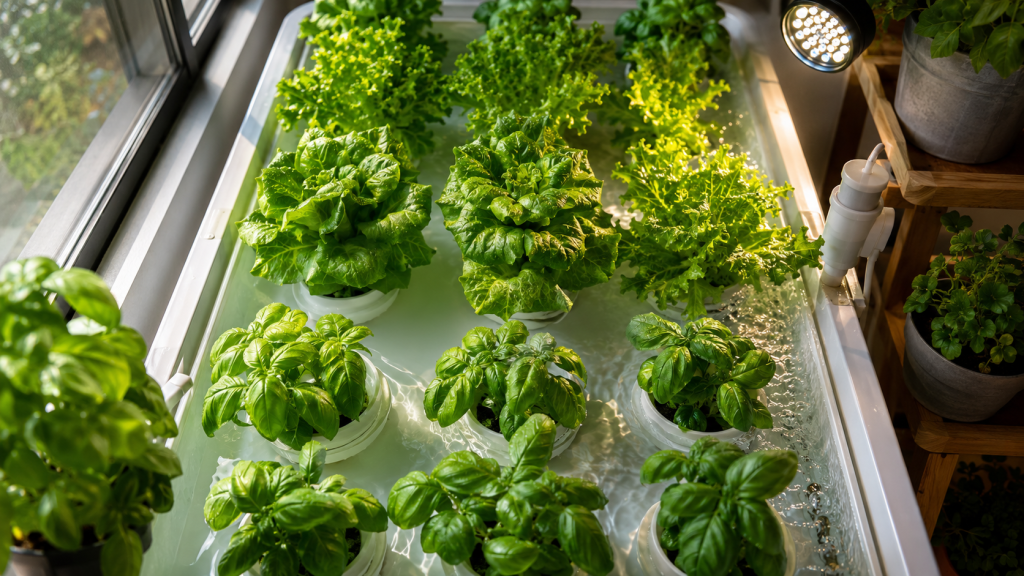
Hydroponics for beginners can seem intimidating at first, but the basic concept is surprisingly simple. Instead of growing plants in soil, hydroponic systems deliver water, oxygen, and nutrients directly to plant roots. This often allows plants to grow efficiently indoors while using less water than traditional container gardening.
For apartment dwellers, renters, and anyone with limited outdoor space, hydroponics offers a practical way to grow fresh herbs, leafy greens, and even some vegetables year-round. The key is starting with a simple system, choosing beginner-friendly crops, and understanding a few core principles before investing in more advanced equipment.
This guide explains how hydroponics works, the easiest systems for new growers, common mistakes to avoid, and how to build a successful indoor hydroponic garden from day one.
Quick Answer
Hydroponics for beginners means growing plants in a water-based nutrient solution instead of soil. The easiest hydroponic systems for beginners are deep water culture (DWC) and countertop hydroponic kits. Lettuce, basil, spinach, kale, and other leafy greens are excellent starter crops because they grow quickly and tolerate minor beginner mistakes. Success depends on proper lighting, nutrient management, oxygenation, and regular monitoring of water conditions.
What Is Hydroponics?
Hydroponics is a method of growing plants without soil. Plant roots receive water, dissolved nutrients, and oxygen directly through a hydroponic system.
Because nutrients are immediately available, plants do not need to search through soil for resources. This controlled environment allows gardeners to grow food indoors regardless of outdoor weather conditions.
Definition Snippet
Hydroponics is a soil-free growing method that uses nutrient-rich water to supply plants with everything they need for growth.
The main components of most hydroponic systems include:
- Water reservoir
- Nutrient solution
- Growing container
- Growing medium
- Light source
- Air circulation
- Plant support structure
Why Hydroponics Appeals to Indoor Gardeners
Hydroponics solves several challenges commonly faced by indoor gardeners. It eliminates many soil-related issues while making efficient use of limited space.
Advantages include:
- Year-round food production
- Reduced water usage
- Less mess indoors
- Faster growth for many crops
- Better control over nutrients
- Fewer soil-borne pests and diseases
- Ideal for apartments and small homes
However, hydroponics is not maintenance-free. Systems require regular monitoring, and equipment failures can affect plants more quickly than in traditional soil gardens.
A common mistake beginners make is assuming hydroponics is fully automated. Even simple systems benefit from routine observation and maintenance.
Best Hydroponic Systems for Beginners
The best hydroponic system for beginners is usually the simplest one. Complex systems introduce more variables and increase the likelihood of early frustration.
Comparison of Beginner Hydroponic Systems
| System | Difficulty | Cost | Maintenance | Best For |
|---|---|---|---|---|
| Deep Water Culture (DWC) | Easy | Low | Low | Lettuce, herbs |
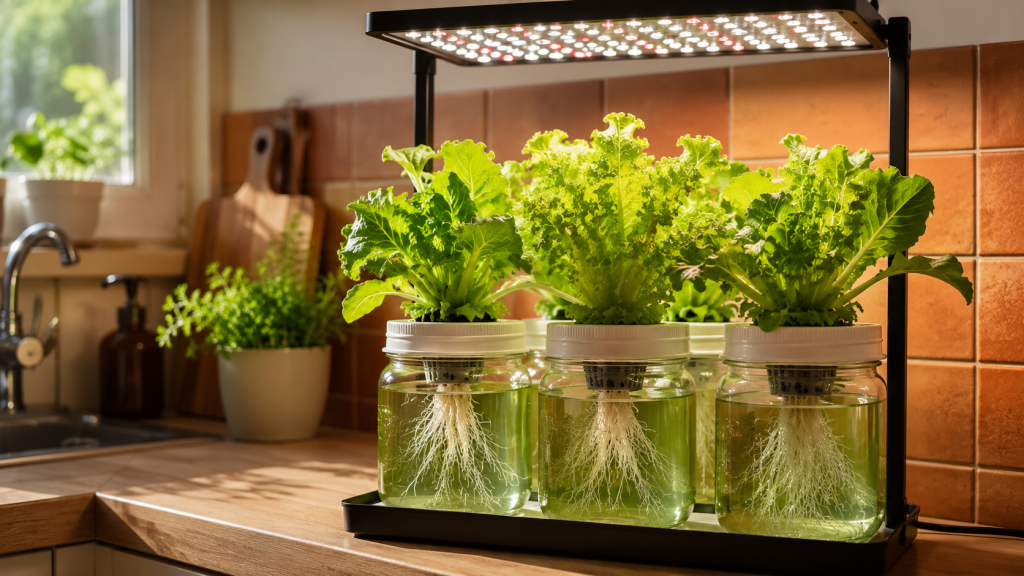
| Kratky Method | Very Easy | Very Low | Minimal | Greens, herbs |
| Wick System | Easy | Low | Low | Small herbs |
| Countertop Kit | Easy | Medium | Low | Beginners wanting convenience |
| NFT System | Moderate | Medium | Moderate | Experienced beginners |
Recommended Starting Point
For most new growers:
- Kratky method
- Deep water culture
- Countertop hydroponic kit
These systems allow beginners to learn nutrient management and plant growth without dealing with complicated plumbing.
Hydroponics for Beginners: Choosing the Right Plants
The easiest hydroponic crops grow quickly and provide visible results within weeks. Fast success builds confidence and helps new gardeners understand how systems work.
Best Beginner-Friendly Plants
Leafy Greens
- Lettuce
- Kale
- Arugula
- Spinach
- Swiss chard
Herbs
- Basil
- Parsley
- Mint
- Chives
- Cilantro
More Challenging Crops
- Tomatoes
- Peppers
- Cucumbers
- Strawberries
Fruit-producing plants require stronger lighting, larger systems, and more careful nutrient management.
Many beginners start with tomatoes because they are familiar, but leafy greens typically provide a much smoother introduction to hydroponics.
How to Start a Simple Hydroponic Garden
Starting a hydroponic garden is easier than most people expect. A basic setup can often be assembled in a single afternoon.
Step-by-Step Process
- Choose a beginner-friendly system.
- Select easy crops such as lettuce or basil.
- Purchase hydroponic nutrients.
- Set up a reservoir and growing container.
- Add a suitable growing medium.
- Install grow lights if natural light is insufficient.
- Mix nutrients according to the manufacturer’s instructions.
- Plant seeds or seedlings.
- Monitor water levels weekly.
- Harvest regularly.
The most important step is maintaining consistency. Small adjustments made regularly are usually more effective than major corrections after problems develop.
Essential Equipment and Cost Expectations
Many people assume hydroponics requires expensive equipment. While advanced systems can be costly, beginner setups are often affordable.
Basic Equipment Checklist
| Item | Required | Purpose |
|---|---|---|
| Reservoir | Yes | Holds nutrient solution |
| Hydroponic nutrients | Yes | Provides plant nutrition |
| Grow light | Usually | Replaces sunlight indoors |
| Net pots | Yes | Supports plants |
| Growing medium | Yes | Anchors roots |
| Air pump (DWC) | Recommended | Oxygenates water |
| Timer | Optional | Automates lighting |
Typical beginner costs range from approximately $50 to $200 depending on system size and lighting quality.
Investing in a reliable grow light generally provides a better return than spending heavily on complex hydroponic hardware.
What Most Guides Get Wrong About Hydroponics
Many beginner articles focus heavily on equipment while overlooking environmental factors.
Misconception 1: Nutrients Are the Most Important Factor
Light is often the primary limiting factor indoors. Even perfect nutrient solutions cannot compensate for inadequate lighting.
Misconception 2: More Nutrients Mean Faster Growth
Excessive nutrient concentrations can damage roots and reduce growth.
Misconception 3: Hydroponics Requires Constant Monitoring
Simple systems can be remarkably low maintenance once properly established.
Misconception 4: Hydroponics Is Only for Tech Enthusiasts
Many successful systems use basic containers, simple nutrient solutions, and straightforward designs.
Understanding plant biology matters more than owning sophisticated equipment.
Troubleshooting Common Hydroponic Problems
Most hydroponic issues can be traced to lighting, nutrients, oxygen levels, or water quality.
Troubleshooting Table
| Symptom | Likely Cause | Solution |
|---|---|---|
| Yellow leaves | Nutrient imbalance | Adjust nutrient solution |
| Slow growth | Insufficient light | Increase light intensity |
| Brown roots | Low oxygen | Improve aeration |
| Wilting plants | Root stress | Check water temperature |
| Algae growth | Light exposure in reservoir | Block light from water |
Prevention Tips
- Keep reservoirs clean
- Replace nutrient solution regularly
- Monitor water levels
- Maintain airflow around plants
- Avoid overcrowding
If multiple symptoms appear simultaneously, start by checking lighting and nutrient concentration before making major adjustments.
Pro Tips for Better Hydroponic Results
Small improvements often produce more consistent results than expensive upgrades.
Start Small
Managing a few plants is easier than maintaining a large system while learning.
Harvest Frequently
Regular harvesting encourages continued production, particularly with leafy greens and herbs.
Keep Records
Tracking nutrient changes, harvest dates, and observations helps identify patterns when problems arise.
Focus on Environmental Stability
Consistent temperatures, lighting schedules, and nutrient management typically outperform constant experimentation.
[PHOTO: Healthy hydroponic basil and lettuce ready for harvest]
Hydroponics for Beginners Checklist
Before starting your first system, confirm the following:
Choose a simple hydroponic method
Start with lettuce or herbs
Use quality hydroponic nutrients
Provide adequate grow lighting
Maintain good airflow
Monitor water levels weekly
Avoid overcrowding plants
Keep equipment clean
Harvest regularly
Conclusion
The most important thing to remember about hydroponics for beginners is that success comes from simplicity. A basic system growing lettuce, basil, or other leafy crops will teach more practical skills than an expensive setup filled with demanding plants.
Focus on strong lighting, balanced nutrients, and consistent maintenance. Start small, choose beginner-friendly crops, and resist the temptation to overcomplicate your system. Once you understand how plants respond to their environment, expanding into larger hydroponic gardens becomes much easier.
With a simple setup and realistic expectations, hydroponics can provide fresh harvests throughout the year even in apartments and homes with limited outdoor growing space.
Microgreens are a great first crop to try in water, and our guide to growing microgreens without soil shows you how to start a tray at home. When you are ready to grow at a larger scale, our guide to a professional microgreens setup covers trays, lighting, and workflow. Good light makes the biggest difference, so it is worth checking our roundup of the best grow lights before you buy.
FAQ
Is hydroponics good for beginners?
Yes. Hydroponics can be very beginner-friendly when starting with simple systems such as the Kratky method or deep water culture. Easy crops like lettuce, basil, and spinach help new growers learn the basics of nutrient management, lighting, and plant care without the challenges associated with larger fruiting vegetables.
What is the easiest hydroponic system for beginners?
The Kratky method is often considered the easiest hydroponic system for beginners because it requires no pumps or electricity. Plants grow above a nutrient reservoir, and roots naturally access water and oxygen as the water level drops. It is especially effective for leafy greens and herbs.
What plants grow best in beginner hydroponic systems?
Leafy greens and herbs are the most reliable choices for beginner hydroponic gardens. Lettuce, basil, kale, spinach, parsley, and chives grow quickly, require relatively simple nutrient management, and generally tolerate minor mistakes better than crops such as tomatoes or peppers.
Do hydroponic plants grow faster than soil-grown plants?
Hydroponic plants can grow faster because nutrients and water are delivered directly to the root system. Growth rates depend on lighting, temperature, nutrient balance, and crop type. Faster growth is possible, but it is not guaranteed if environmental conditions are poor.
How much does it cost to start hydroponics at home?
A basic hydroponic setup can often be started for $50–$200, depending on system size and lighting needs. Simple Kratky systems are among the least expensive options, while countertop kits and larger indoor gardens require a greater initial investment but may offer added convenience.