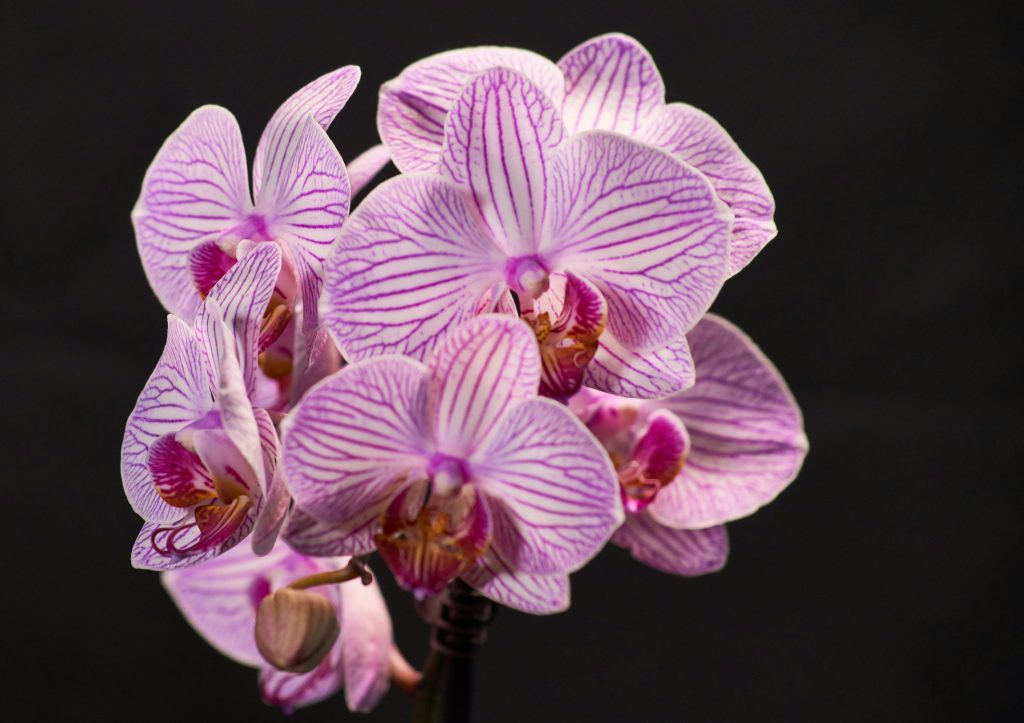
The moth orchid (Phalaenopsis spp.), also affectionately known as the moon orchid, is an absolute showstopper for anyone loving elegant, long-lasting houseplants. Native to the humid tropical rainforest understories of Asia and northeast Australia, this low-maintenance perennial belongs to the diverse Orchidaceae family. It features a neat, symmetrical rosette habit that stays beautifully contained and easily manageable indoors.
It features thick, fleshy, dark green foliage that boasts a smooth, succulent texture, creating a stunning foundation for arching sprays of dramatic flowers. Because its gorgeous blossoms emerge repeatedly and can last for up to four months at a time in spectacular shades of white, pink, yellow, and purple, this plant acts as an adaptable piece of living art. It styles beautifully as a tabletop centerpiece, a chic office desk accent, or a striking focal point on a bright windowsill.
What is so special about moth orchids?
Despite its historical reputation as a fragile, exotic collector’s item, this genus is highly prized today for its incredible resilience and structural charm. What makes it truly special is its unique epiphytic nature and its outstanding commercial breeding history, boasting more than 34,000 registered modern hybrids. In their native habitats, these plants do not grow in soil at all; instead, they anchor themselves gracefully onto the trunks and branches of tropical jungle trees.
Throughout the year, mature plants routinely send up long, arching stems packed with showy, moth-shaped blooms that range from miniature one-inch varieties to grand six-inch flowers. Because old, spent blossoms can draw unnecessary energy away from the core crown, growers regularly practice strategic pruning after a flowering cycle completes. If the stem remains green and healthy, cutting it cleanly just above the second node below the faded flowers redirects the plant’s resources. This technique prompts the node to branch out, allowing it to produce an entirely new flush of vibrant floral displays.
Key Insights to Keep in Mind
While this tropical classic is straightforward to manage, a few vital characteristics bring exceptional uniqueness to your indoor space:
- Photosynthetic Root Networks: The thick, aerial roots of a moth orchid contain active chlorophyll and are capable of photosynthesis. Utilizing clear plastic planting pots allows natural light to reach the roots, turning them a vibrant green when perfectly hydrated.
- Epiphytic Substrate Crises: Planting a moth orchid in regular, heavy commercial potting soil will choke the root system and kill the plant. They require an exceptionally loose, chunkier medium composed primarily of fir bark mix or sphagnum moss to ensure high oxygen exposure.
- The Keiki Clone Phenomenon: Under ideal conditions, a healthy flower stem may occasionally sprout a miniature plantlet known as a “keiki. ” This tiny offset is an exact genetic clone of the mother plant and can be detached once its independent root network develops.
Do Moth Orchids Like Sun or Shade?
Balancing your light exposure ensures your plant produces heavy flower spikes constantly without scorching its succulent leaves:
- The Sweet Spot: They thrive beautifully in bright, indirect light. Placing your clear pot near an east-facing windowsill or a well-shaded southern window provides the ideal cool, filtered illumination they prefer.
- The Autumn Chill Trick: To trigger consistent new flower spikes in the spring, standard large-flowered varieties require a distinct environmental cue. Exposing the plant to a cool, nighttime temperature drop down to 55°F (13°C) for a week in autumn alerts the internal clock to initiate bud production.
- What to Avoid: Keep all varieties entirely out of harsh, direct afternoon sunlight. Intense direct rays will instantly burn the thick leaves, causing scorched tips, yellowing, and permanent bleach spots on the foliage.
Safe for Your Furry Friends?
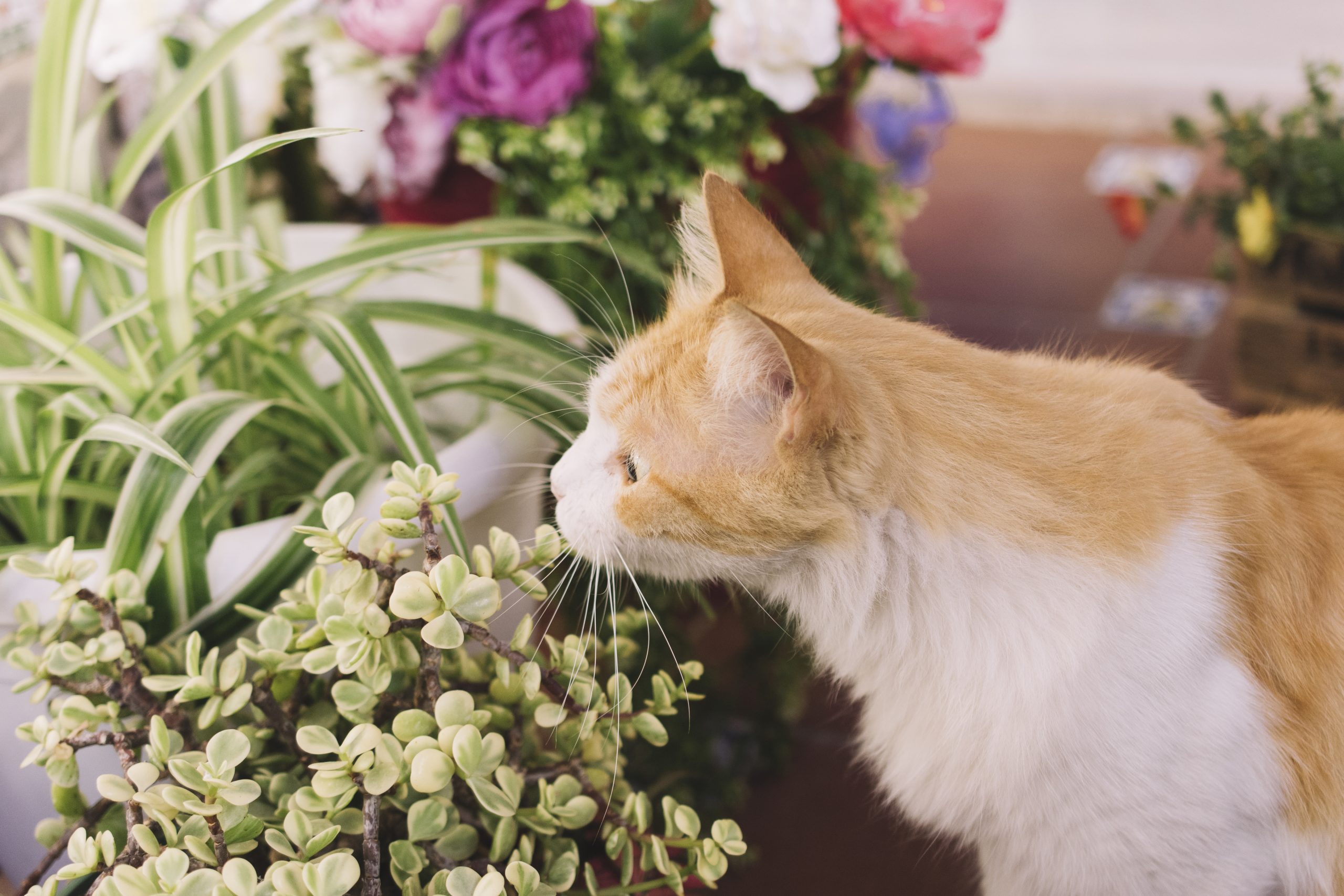
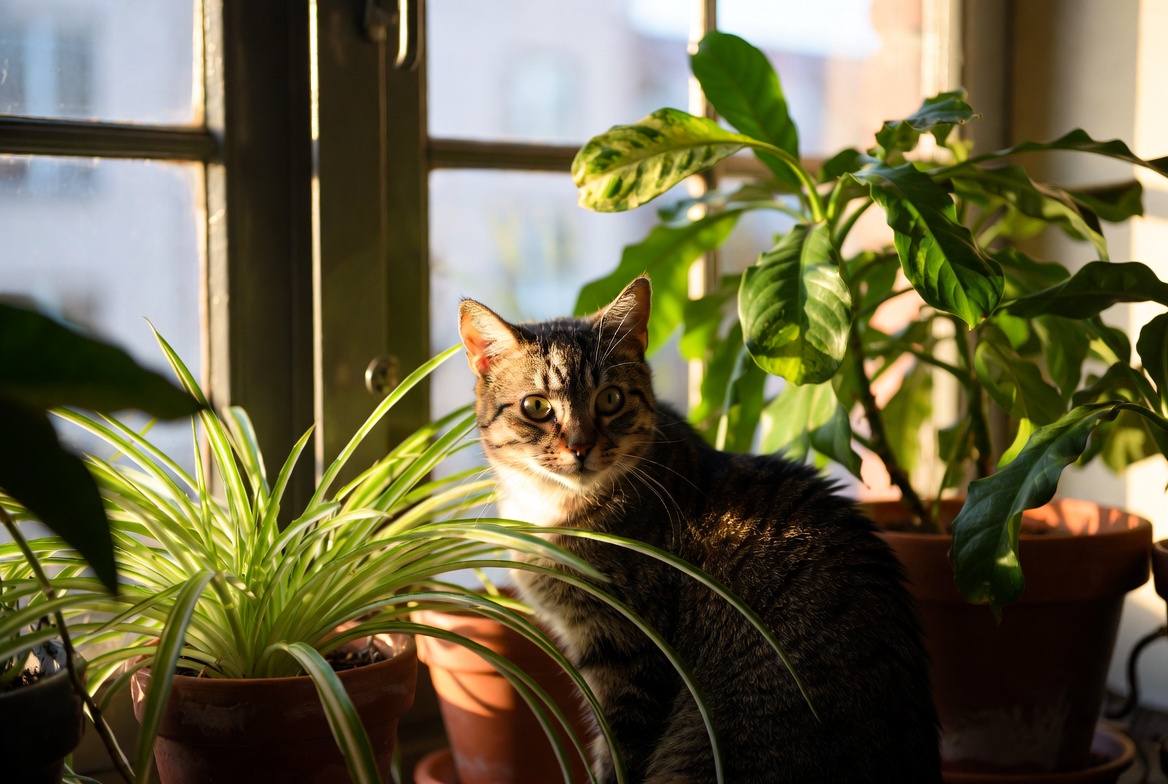
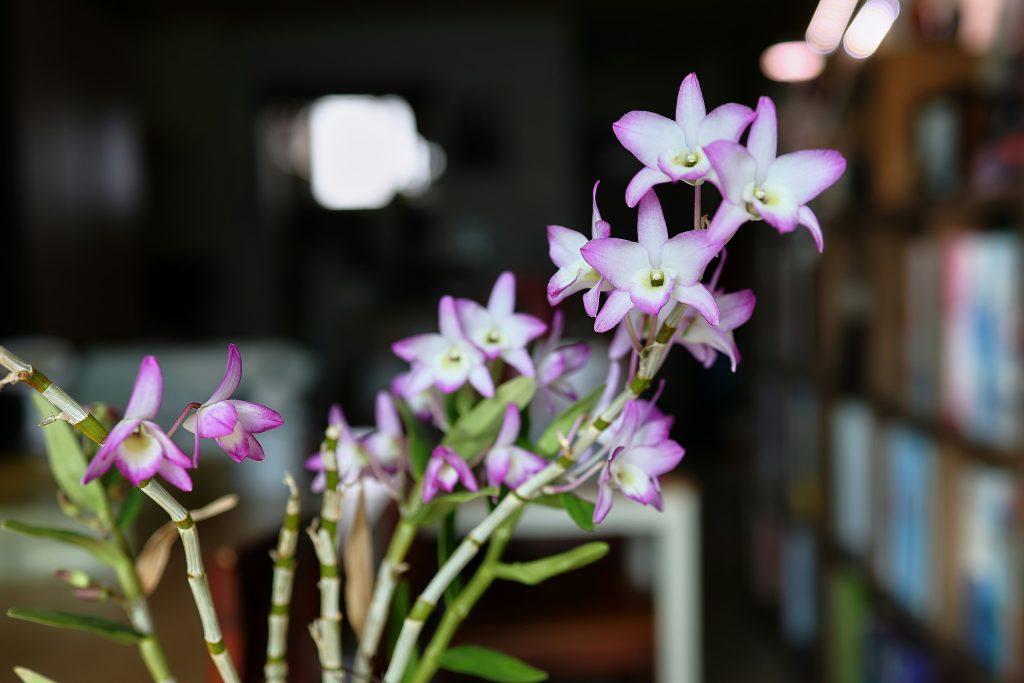
If you share your living space with curious cats or dogs, you can style this elegant tropical perennial with total confidence. The moth orchid is completely non-toxic to cats and dogs. While you should still discourage pets from playing with the arching flower spikes to prevent mechanical damage to the buds, a stray nibble poses zero serious health risks to your animals.
Are Moth Orchids High Maintenance?
Not at all, making them the absolute best introductory species for beginner orchid growers. They are highly comfortable in average household environments, thriving best in daytime temperatures between 70°F and 80°F, with ambient humidity levels maintained around 40% to 60%.
The primary trick to a thriving plant is avoiding a soggy, waterlogged potting medium. Let the bark or moss dry out slightly between waterings, checking the weight of the container or waiting until the roots turn a silvery-gray color. Always water in the morning using room-temperature distilled water or rainwater, running it freely through the bark mix in a sink. Let the pot drain completely so that the plant never sits in a puddle of standing water, which quickly triggers destructive root rot. During the active spring and summer months, apply a diluted, quarter-strength balanced orchid fertilizer with every other watering to sustain steady leaf and root development.
The Effortless Keiki Propagation Blueprint
Because they naturally produce miniature plant clones on mature flower spikes, multiplying your moth orchid collection is a highly rewarding and simple project.
- Monitor the Flower Stem: Watch your spent flower spikes for the emergence of a small vegetative plantlet instead of a new blossom bud. Leave this baby keiki attached to the parent plant to grow naturally.
- Measure Root Development: Wait patiently until the young keiki has successfully developed at least two or three individual roots that are 2 to 3 inches long. Detaching a keiki too early will prevent it from absorbing water independently.
- Make a Clean Cut: Use a sharp, sterile garden knife or razor blade to cleanly slice the keiki away from the parent flower stem, leaving a tiny segment of the stem attached to its base.
- Establish the Plant: Embed the young roots gently into a small container filled with fresh, damp orchid bark mix, or pot it directly into the same container as the mother plant for the first year to help regulate ambient moisture levels.
Conclusion: A Resilient Touch of Elegant Luxury
The moth orchid proves that you don’t need a professional greenhouse setup to enjoy stunning, exotic floral displays indoors for months at a time. By providing it with filtered window light, utilizing a chunky, well-aerated fir bark substrate, and allowing the roots to breathe and dry between thorough morning waterings, this elegant plant can easily thrive for years. Its pet-safe profile, fascinating aerial roots, and responsive reblooming habits make it a timeless masterpiece for any modern plant collection.
Frequently Asked Questions
1. Is the moth orchid safe for cats and dogs?
Yes, the moth orchid is completely non-toxic to household pets, making it perfectly safe to display around curious cats and dogs.
2. Why are my orchid’s flower buds falling off before opening?
This frustrating issue is known as “bud blast.” It is typically triggered by sudden environmental shocks, such as exposing the plant to cold winter drafts, placing it directly over a heating vent, overwatering, or moving the pot to a new location while the buds are forming.
3. What should I do if the orchid leaves look wrinkled and shriveled?
Shriveled leaves mean the plant cells are severely dehydrated. This can happen for two opposite reasons: either the bark medium has been left bone-dry for too long, or the roots have rotted away completely from overwatering, leaving the plant with no healthy tissue to absorb moisture.
4. Can I water my moth orchid with ice cubes?
It is highly recommended to avoid ice cubes. Moth orchids are strictly tropical rainforest plants that thrive in warm environments; placing freezing ice directly against their roots can shock the tissue and cause root dieback. Stick to room-temperature distilled water.
5. How often do I need to repot a moth orchid?
You should repot your orchid roughly every two years when it is not in bloom. Over time, the internal orchid bark naturally breaks down, degrades into fine particles, and begins holding too much dangerous, compacted moisture at the bottom of the container.