If you are looking for a small, low-maintenance houseplant with genuine visual appeal, Peperomia hope is one of the best options available. With its thick, round, succulent-like leaves and trailing growth habit, it brings a lush, cascading look to shelves, hanging baskets, and windowsills without demanding much in return. Peperomia hope care is straightforward once you understand a few key principles, and this plant is genuinely forgiving of the occasional missed watering or imperfect conditions. Here is everything you need to know.
What Is Peperomia Hope?
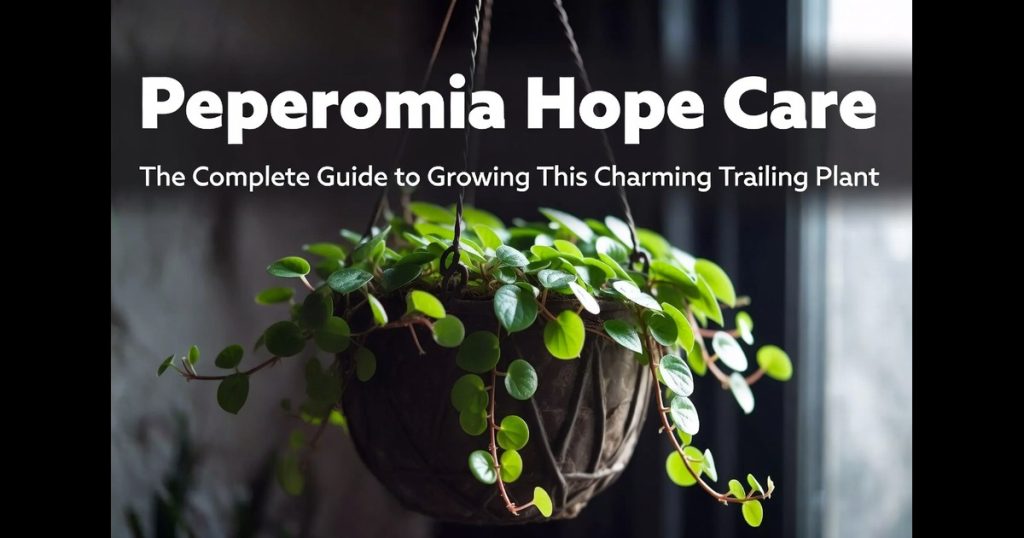
Peperomia hope is a hybrid peperomia, believed to be a cross between Peperomia deppeana and Peperomia quadrifolia. It produces small, round, slightly fleshy leaves in a bright mid-green color, arranged in groups of three or four along trailing, wiry stems. The leaves have a subtle texture and a slightly waxy surface that gives them a healthy, polished look.
Unlike some peperomia varieties that grow in a more upright, bushy habit, peperomia hope naturally trails and cascades, making it particularly well-suited to hanging baskets or placed on a high shelf where the stems can drape downward. It stays compact and manageable even as it matures, rarely exceeding around 12 inches in length.
Light Requirements
Peperomia hope does best in bright, indirect light. It is more tolerant of lower light than many other houseplants, which makes it a practical choice for spaces that don’t get strong natural light. However, in very low light, growth slows noticeably and the leaves may become smaller and less vibrant over time.
Avoid direct, intense sunlight, particularly afternoon sun through a south or west-facing window, since the fleshy leaves can scorch and develop dry, bleached patches. A spot near an east-facing window or a few feet back from a brighter window is typically ideal.
Watering
Watering is where peperomia hope care diverges most clearly from other houseplants, and getting it right makes a significant difference. Because the leaves store water in their fleshy tissue, Peperomia hope is drought-tolerant and far more forgiving of underwatering than overwatering.
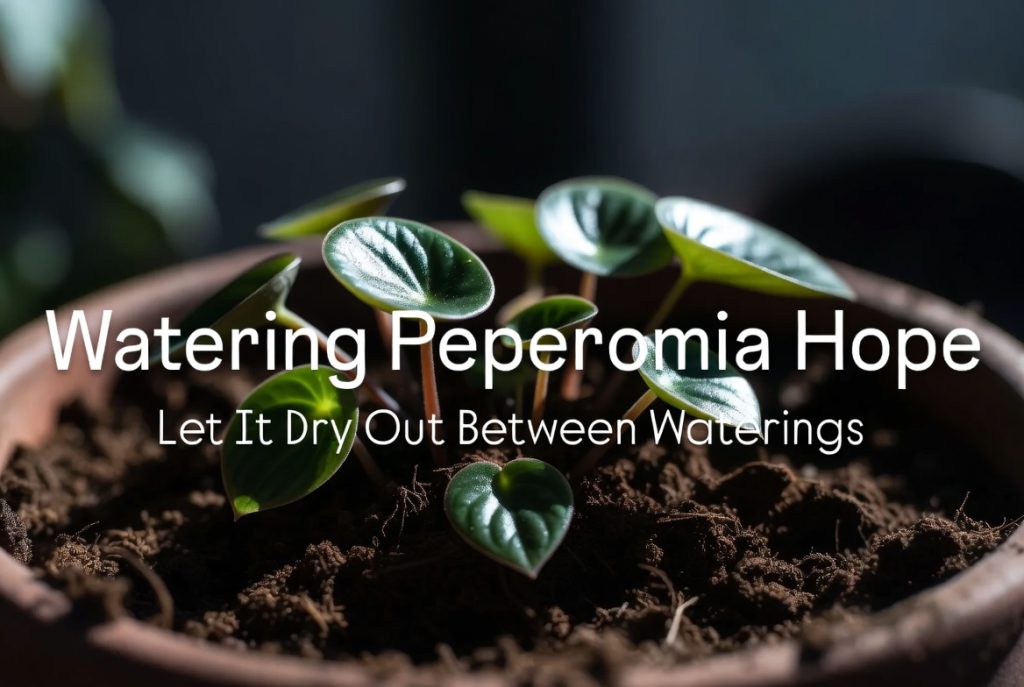
Allow the soil to dry out almost completely between waterings, checking that not just the top but also the first inch or two below the surface is dry before watering again. When you do water, water thoroughly and allow excess to drain completely through the drainage holes.
Overwatering is the most common cause of problems with Peperomia hope, leading to root rot, mushy stems, and leaf drop. If in doubt, wait another day or two before watering. This plant handles drought stress much better than waterlogged roots.
Soil and Potting
A well-draining potting mix is essential for peperomia hope. A standard indoor potting mix combined with perlite works well, or a mix formulated for succulents and cacti is also suitable since it drains quickly and doesn’t hold excess moisture.
Choose a pot with drainage holes and avoid oversizing the pot, since a pot that is too large holds more soil and more moisture than the plant needs, increasing the risk of root rot. A snug pot that the plant fills comfortably is better than a large one with a lot of empty soil around the roots.
Humidity and Temperature
Peperomia hope tolerates average household humidity reasonably well and doesn’t require the high humidity levels that ferns or tropical aroids need. It prefers temperatures between 65 and 80°F (18 and 27°C) and should be kept away from cold drafts, air conditioning vents, and temperatures below 50°F (10°C).
This makes it a practical choice for typical indoor environments, since it doesn’t need special humidity setups or careful temperature management beyond keeping it away from extreme conditions.
Fertilizing
Feed peperomia hope with a balanced liquid fertilizer once a month during spring and summer, diluted to half the recommended strength. Peperomias are light feeders and don’t need heavy fertilizing. Over-fertilizing can cause salt buildup in the soil, leading to brown leaf tips and root damage. Stop fertilizing in fall and winter when growth naturally slows.
Pruning and Propagation
Peperomia hope rarely needs heavy pruning, but trimming back leggy or overly long stems helps keep the plant looking full and compact. Any stems you trim can be used to propagate new plants, making it easy to multiply your collection or share cuttings.
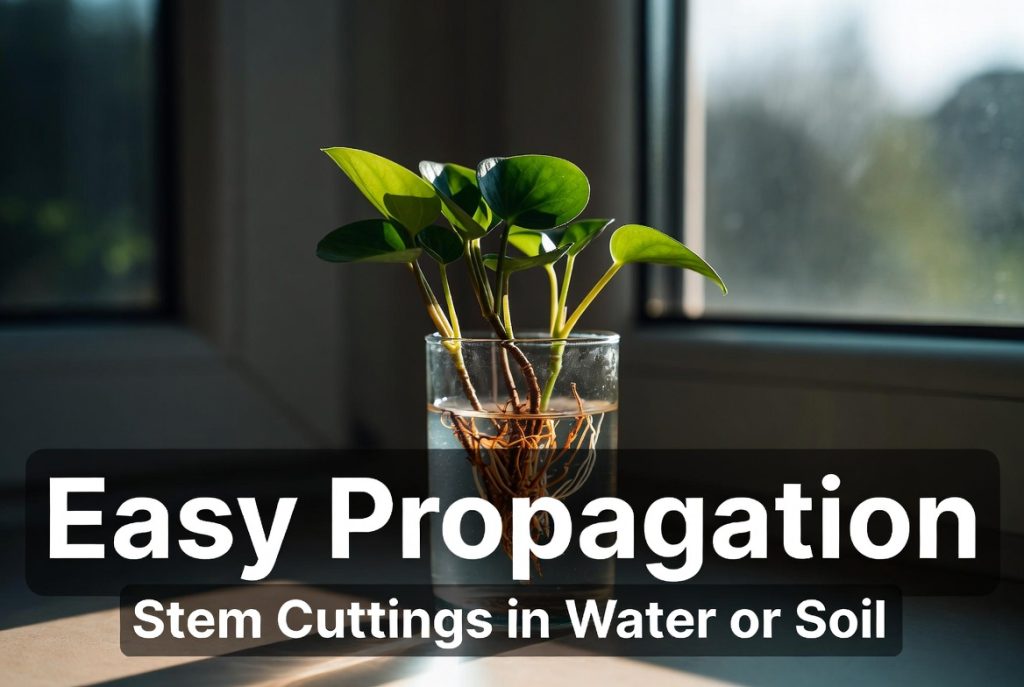
Propagation is simple: take a stem cutting with two or three leaves, let the cut end dry for an hour or two, then place it in moist potting mix or a glass of water. Roots typically develop within two to four weeks, and the cutting can be potted up once the roots are an inch or two long.
Common Problems
Yellowing leaves. The most common cause is overwatering or poor drainage. If the leaves are turning yellow and feel soft or mushy, scale back watering and check that the soil and pot drain well.
Leaf drop. Sudden leaf drop is usually caused by overwatering, cold temperatures, or a dramatic change in conditions such as being moved to a much darker spot. Stabilize the plant’s environment and reduce watering to allow it to recover.
Leggy, sparse stems. If the stems are growing long but producing small, widely spaced leaves, the plant is likely not getting enough light. Moving it to a brighter spot will encourage denser, more compact growth.
Brown leaf tips. Often caused by over-fertilizing, low humidity, or inconsistent watering. Flushing the soil with plain water to remove fertilizer salt buildup and ensuring the plant is in a spot with reasonable humidity will usually resolve this.
Mushy stems at the base. This is a sign of root rot from overwatering. Remove the plant from its pot, trim away any black or mushy roots, allow the healthy roots to dry briefly, and repot into fresh, dry potting mix.
Peperomia Hope vs Other Peperomia Varieties
Peperomia is a large genus with hundreds of species and cultivars, and it can be easy to confuse them. Peperomia hope is most similar to peperomia rotundifolia, which has similarly round leaves on trailing stems, but hope tends to have slightly larger, thicker leaves. Watermelon peperomia (Peperomia argyreia) has striking striped leaves and a more upright habit. The baby rubber plant (Peperomia obtusifolia) has larger, glossy, dark green leaves and a bushier growth form.
All peperomia varieties share similar care requirements, so if you already have one peperomia thriving in your space, peperomia hope will likely do well under the same conditions.
Conclusion
Peperomia hope care is genuinely one of the more rewarding and low-stress plant-care experiences available. Its forgiving nature, compact size, and attractive trailing habit make it an excellent choice for beginners and experienced plant owners alike. Keep it in bright indirect light, let the soil dry out between waterings, and avoid the temptation to overwater, and this plant will reward you with healthy, cascading stems and those distinctive round leaves that make it one of the most appealing small houseplants around.
Frequently Asked Questions
How often should I water peperomia hope?
Allow the soil to dry out almost completely between waterings, typically every seven to ten days in warmer months and less frequently in cooler conditions. The fleshy leaves store water, so this plant handles drought much better than overwatering.
Why are my peperomia hope leaves turning yellow?
Yellowing leaves are almost always a sign of overwatering or poor drainage. Check that the soil is drying out adequately between waterings and that the pot has working drainage holes.
Can peperomia hope grow in low light?
It tolerates lower light better than many houseplants but grows most vigorously and produces the most compact, healthy growth in bright indirect light. In very low light, growth slows and stems may become leggy over time.
Is Peperomia hope safe for cats and dogs?
Peperomia hope is considered non-toxic to cats and dogs, making it a good choice for pet-friendly households. It is always wise to discourage pets from chewing on houseplants as a general precaution, but accidental ingestion is not a serious concern with this species.
How do I make peperomia hope more bushy?
Regular light pruning of leggy stems encourages branching and a fuller appearance. Use the trimmed cuttings to propagate new plants, which can then be added back to the same pot to increase density.