Introduction
Spider plant benefits go far beyond good looks. Chlorophytum comosum is one of the most recommended houseplants for beginners because it tolerates inconsistent care, adapts to a wide range of light conditions, and is completely safe around pets. Its arching, ribbon-like leaves, often striped in green and white, make it a distinctive addition to any room, while its habit of producing “pups” means a single plant can multiply into dozens over time at no extra cost. Understanding what makes spider plants so resilient can help any new plant owner build confidence before moving on to fussier houseplants.
Quick Summary
- Air Quality: Spider plants may help filter common indoor air pollutants, though this effect is modest in a typical home.
- Resilience: They tolerate inconsistent watering, average humidity, and both bright and medium light.
- Pet Safety: Spider plants are non-toxic to cats and dogs, unlike many popular houseplants.
- Propagation: Mature plants produce pups that can be propagated for free in water or soil.
- Troubleshooting: Care mistakes usually show up as brown leaf tips, most often linked to tap water or overfeeding rather than underwatering.
What Is a Spider Plant?
Spider plant, botanically Chlorophytum comosum, is a perennial native to tropical and southern Africa. It belongs to the Asparagaceae family and is grown almost everywhere as an ornamental houseplant because of its adaptability. The species name comosum refers to the tufted growth habit at the ends of its flowering stems, where new plantlets eventually form.
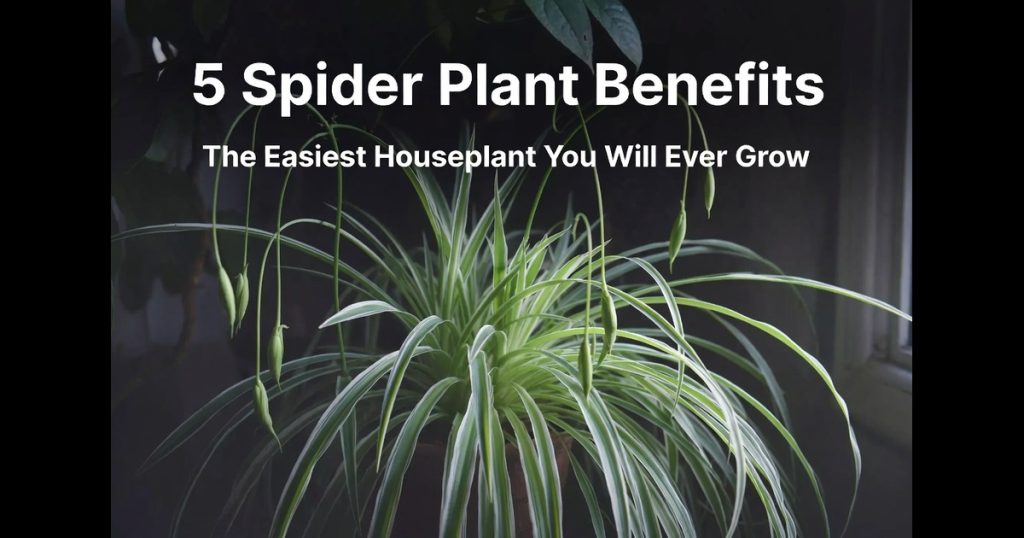
The plant produces narrow, arching leaves from a central rosette, and mature specimens send out long stolons bearing small white flowers followed by baby plantlets, commonly called pups or spiderettes. Variegated cultivars, with white or cream stripes running along the leaf, are the most widely sold form, though solid green varieties also exist.
Why Grow a Spider Plant? Key Benefits
1. Air-Purifying Qualities
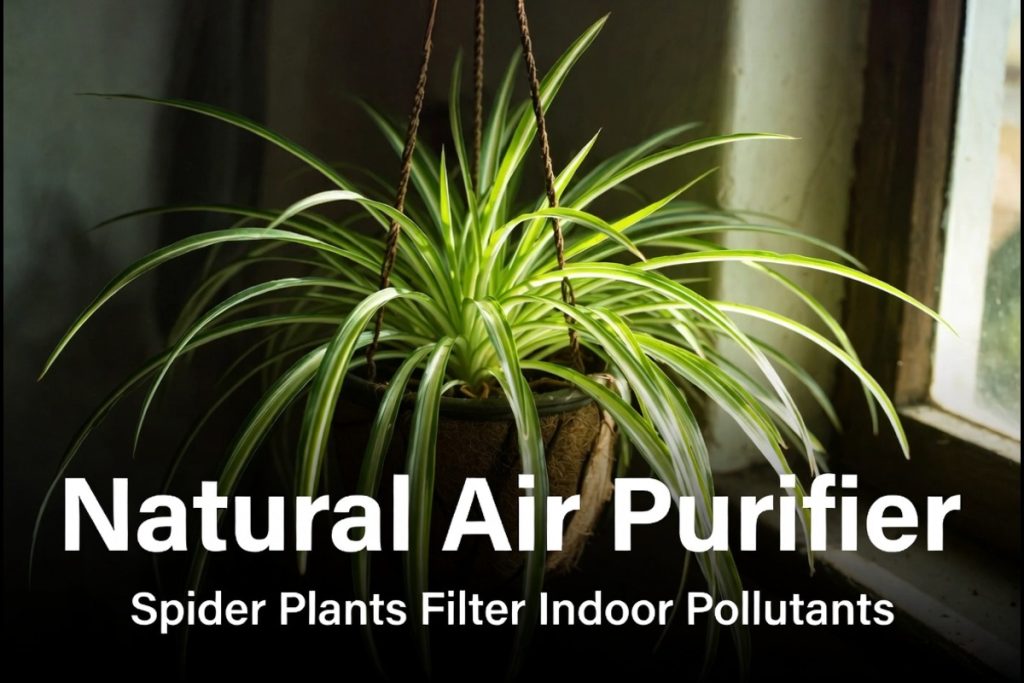
Spider plants are frequently mentioned in discussions about indoor air quality because early research suggested they could help reduce levels of common household pollutants such as formaldehyde and xylene. In practice, the effect in an average room is modest, since it would take a large number of plants to meaningfully change air quality. Still, having several spider plants throughout a home is a reasonable, low-effort contributor to a fresher indoor environment when combined with normal ventilation.
2. Extremely Low-Maintenance
Few houseplants tolerate as much inconsistency as the spider plant. It handles missed waterings, average household humidity, and both bright and low-to-medium light without major setbacks. This makes it a practical choice for beginners, renters, offices, or anyone who travels frequently and can’t maintain a strict care schedule.
3. Pet-Friendly
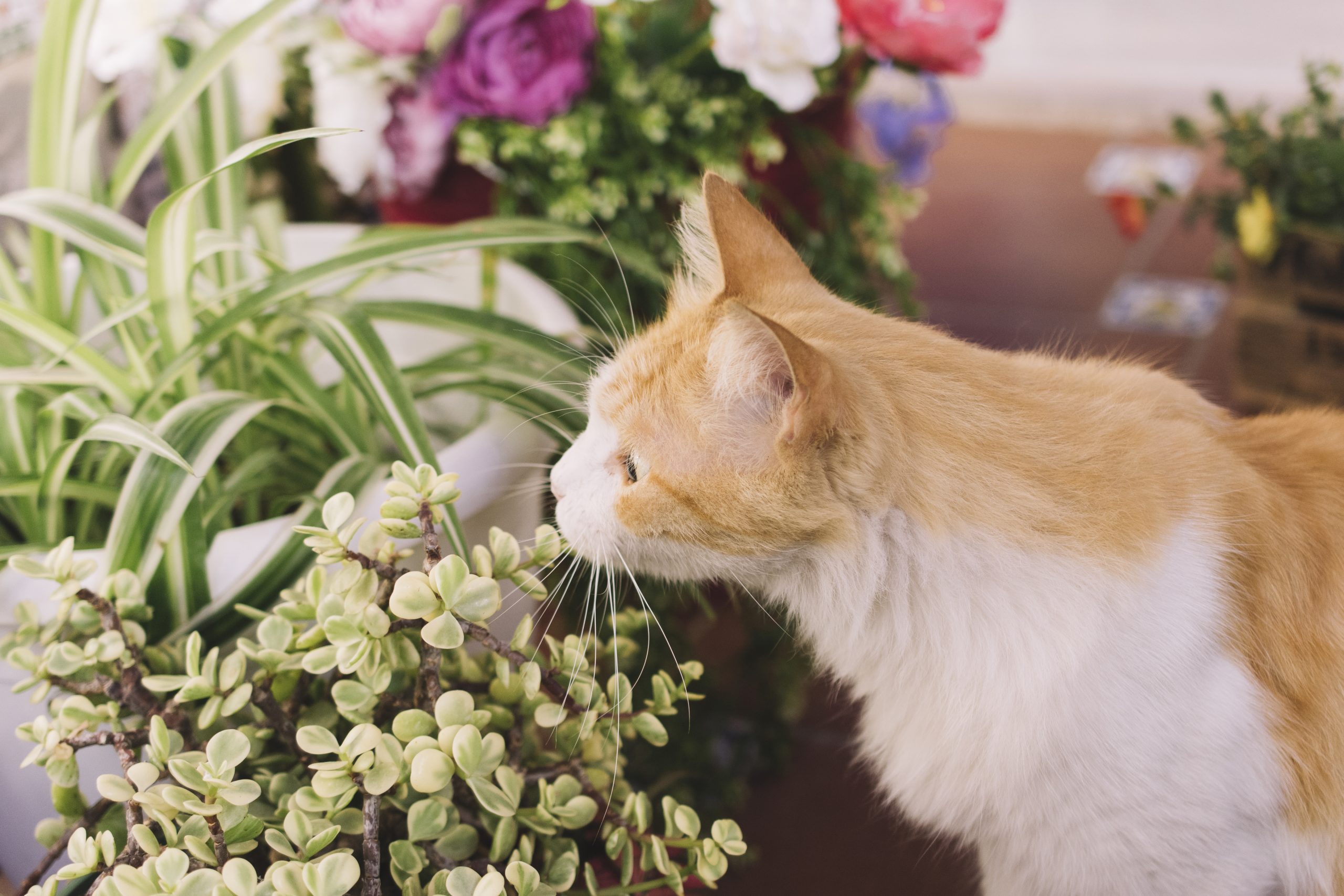
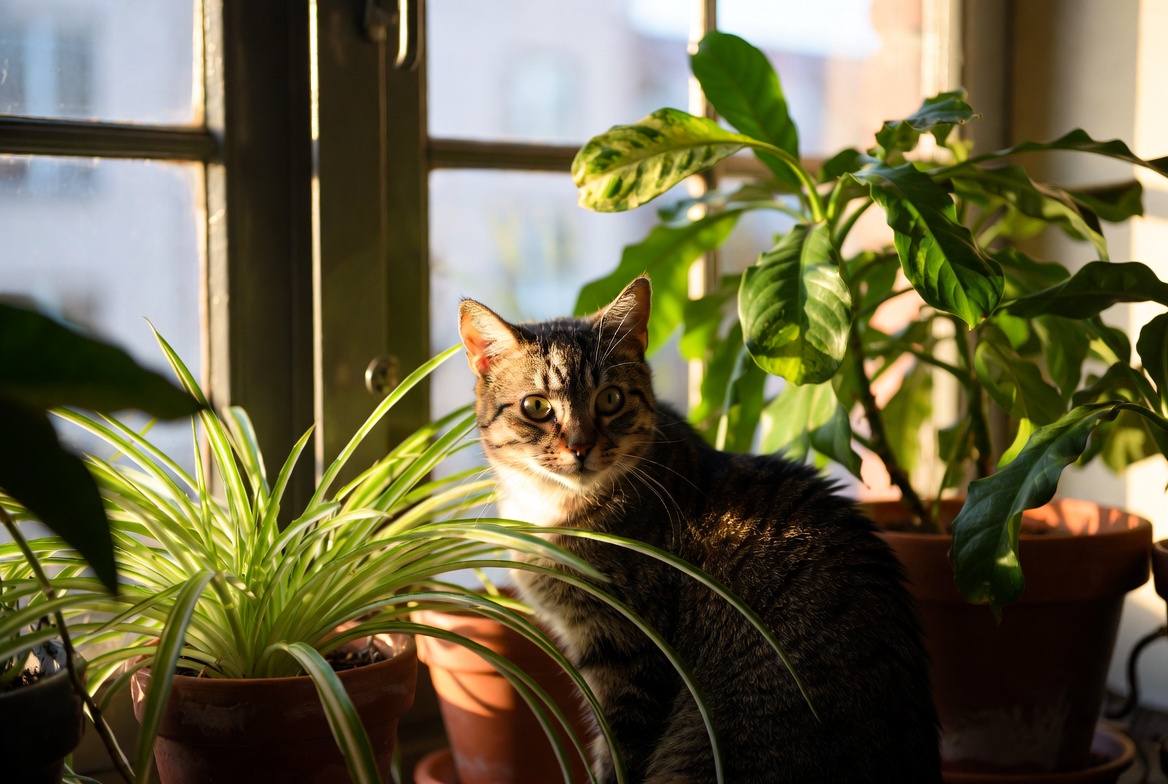
Unlike philodendrons, pothos, or many other common houseplants, spider plants are non-toxic to cats and dogs. This makes them one of the safer choices for households with curious pets, although cats are sometimes drawn to nibble on the grass-like leaves out of interest rather than toxicity concerns.
4. Easy to Propagate for Free
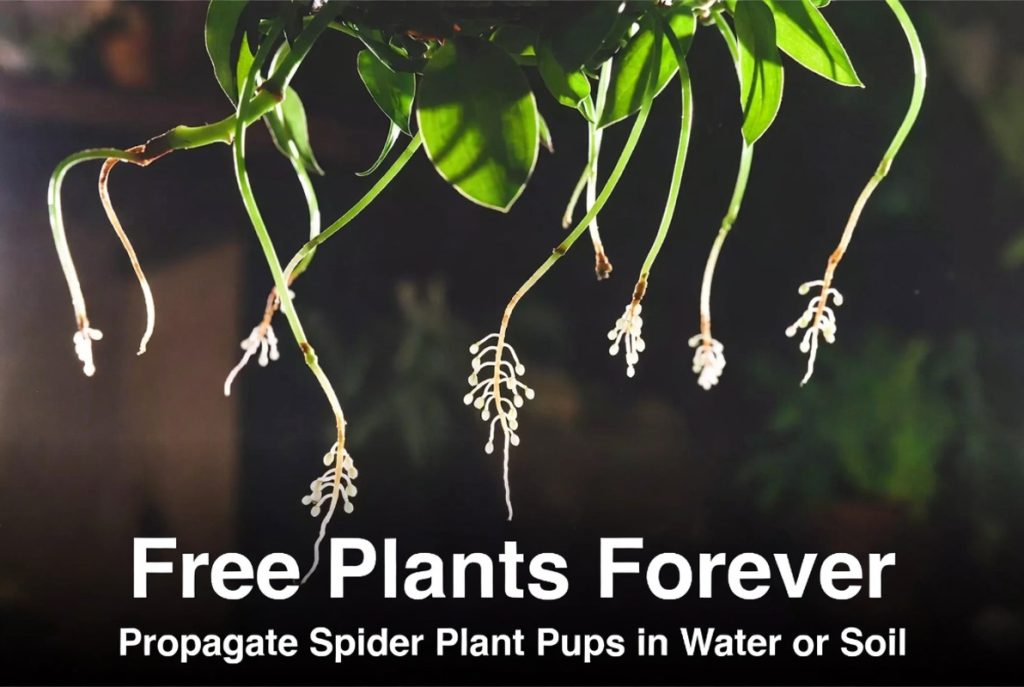
Mature spider plants naturally produce pups along their flowering stems. These can be rooted in water or moist soil to create entirely new plants, meaning a single healthy spider plant can become a small collection, or a set of gifts for friends, without any additional purchase.
5. Fast-Growing and Rewarding for Beginners
Given adequate light and occasional feeding, spider plants fill out a pot relatively quickly compared with slower-growing houseplants like snake plants or ZZ plants. This visible, steady progress makes them satisfying for new plant owners who want to see results.
Spider Plant Care Essentials
Light Requirements
Spider plants prefer bright, indirect light but tolerate medium light reasonably well, which is part of why they succeed in so many different rooms. Direct, intense afternoon sun can scorch the leaves, especially on variegated varieties where the white sections contain less chlorophyll and are more prone to sun damage. A spot a few feet back from a south- or west-facing window, or direct placement near an east-facing window, generally works well.
Note: Too little light will not usually kill a spider plant, but it can result in slower growth, fewer pups, and less vivid variegation.
Watering Needs
Watering is the area where most spider plant problems originate. The plant prefers its soil to dry out slightly between waterings rather than staying constantly moist.
- Frequency: Water roughly every 7 to 10 days, checking that the top inch or two of soil is dry first.
- Winter Care: Reduce watering frequency to every 2 to 3 weeks during winter when growth slows.
- Drainage: Always use a pot with drainage holes, since standing water at the roots is the most common cause of decline.
Soil and Potting
A well-draining, general-purpose potting mix is sufficient for spider plants. They also tolerate being somewhat root-bound, so repotting only becomes necessary every one to two years, typically when roots are visibly circling the pot or pushing out of drainage holes.
Temperature and Humidity
Spider plants are comfortable in typical indoor conditions, between 65 and 80°F (18 to 27°C), and do not require elevated humidity the way ferns or calatheas do. This tolerance for average household humidity is another reason they succeed with minimal intervention.
Fertilizing
A balanced liquid houseplant fertilizer applied once a month during spring and summer is generally enough. Spider plants are light feeders, and overfertilizing is a more common problem than underfeeding, frequently showing up as the same brown leaf-tip symptom caused by mineral buildup in tap water.
Common Problems
| Symptom | Likely Cause |
|---|---|
| Brown/Crispy Tips | Tap water minerals (fluoride/chlorine), low humidity, or excess fertilizer. |
| Pale/Washed-out Leaves | Too much direct sun exposure. |
| Slow Growth/No Pups | Seasonal slowdown (winter). |
| Yellowing Leaves/Soggy Soil | Overwatering; potential root rot. |
Propagating Spider Plant Pups
- Wait until a pup growing along a flowering stem develops small aerial roots at its base.
- Snip the pup away from the mother plant using clean, sharp scissors.
- Place it in a container of water or directly into moist potting mix.
- Keep the surrounding soil or water consistently moist while roots establish, which typically takes two to four weeks.
- Once a healthy root system has formed, transition the new plant into its own pot with standard potting mix.
Beginner Mistakes to Avoid
- Fixed Schedules: Watering on a fixed schedule instead of checking soil moisture first, which often leads to overwatering.
- Water Choice: Using tap water exclusively in areas with hard or heavily treated water, contributing to brown tips.
- Sunlight: Placing the plant in intense direct sun, especially variegated varieties, causing leaf scorch.
- Winter Panic: Assuming slow winter growth signals a problem rather than a normal seasonal rest period.
- Neglecting Pups: Leaving pups attached indefinitely instead of propagating them, which can crowd the pot and limit the mother plant’s growth.
What Makes Spider Plants Unique?
Spider plants stand out among common houseplants for combining genuine low-maintenance resilience with an easy, reliable propagation method that most beginners can succeed with on their first attempt. Few other widely available houseplants offer the same combination of pet safety, adaptability to different light levels, and visible, fast-multiplying growth.
Conclusion
Spider plant benefits center on resilience, safety, and effortless multiplication rather than dramatic foliage. With basic attention to watering habits and reasonable light, a single spider plant can become an ever-renewing source of greenery for an entire home, making it one of the most practical starting points for anyone new to indoor gardening.
Frequently Asked Questions
How often should I water my spider plant?
Water roughly every 7 to 10 days, allowing the top inch or two of soil to dry out between waterings, and reduce this frequency during winter when growth slows.
Why are the tips of my spider plant turning brown?
Brown tips are most often caused by tap water minerals like fluoride and chlorine, low humidity, or overfertilizing rather than underwatering. Switching to filtered water and trimming damaged tips generally helps.
Are spider plants safe for cats and dogs?
Yes, spider plants are non-toxic to both cats and dogs, making them one of the safer popular houseplant choices for pet owners, although cats may still be drawn to chew on the grass-like leaves.
How do I propagate a spider plant?
Once a pup develops small aerial roots at its base, snip it from the mother plant and place it in water or moist potting mix. Roots typically establish within two to four weeks.
Why has my spider plant stopped producing new pups?
This is usually a seasonal slowdown related to shorter days and lower light in winter rather than a sign of poor plant health, and pup production typically resumes in spring.
Do spider plants need high humidity?
No, spider plants tolerate normal household humidity well and do not require the elevated humidity that ferns or calatheas typically need.
Is a spider plant a good choice for beginners?
Yes, spider plants are widely recommended as one of the easiest houseplants for beginners because of their tolerance for inconsistent watering, adaptable light needs, and forgiving nature overall.