Why are my indoor plant leaves turning brown all of a sudden? Finding dry, crisp tips or large brown patches on your beautiful houseplants is a heartbreaking moment for any plant parent. Unlike yellow leaves, which can sometimes bounce back, leaf tissue that has turned brown is completely dead and cannot recover its green color.
However, brown leaves are a vital early warning system. Your plant is letting you know that something is fundamentally wrong with its immediate environment. Whether it is a lack of moisture, mineral buildup, or root damage, figuring out the root cause is the only way to save the rest of your foliage.
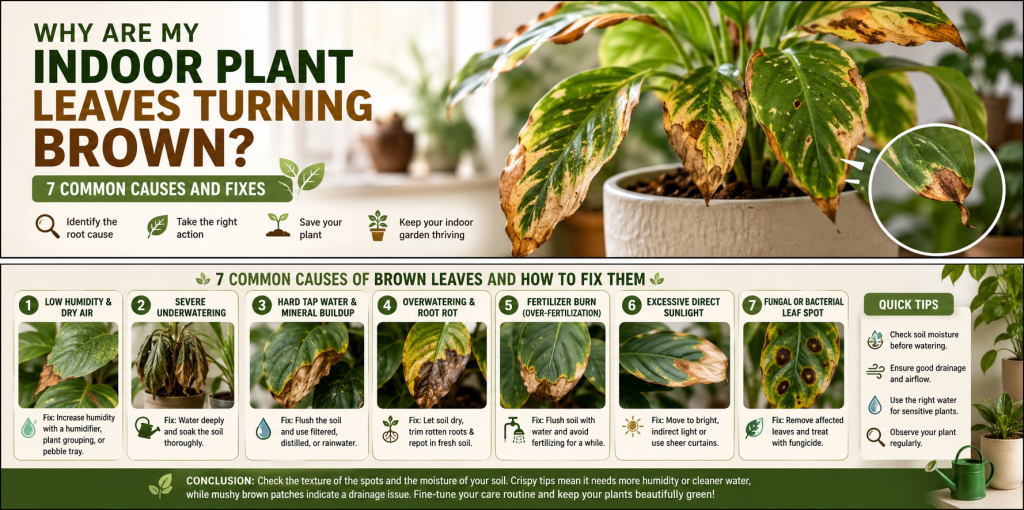
To help you rescue your plant and stop the browning from spreading, we have broken down the 7 most common reasons for brown houseplant leaves and the exact steps you need to take to fix them fast.
1. Low Humidity and Dry Indoor Air
This is the number one cause behind dry, brown tips on tropical houseplants like calatheas, pothos, and ferns. Tropical plants are adapted to rainforests with dense moisture in the air. When grown indoors—especially in winter when heating systems dry out the air moisture evaporates out of the leaf tips faster than the roots can replenish it, causing the tissue to crisp up.
The Warning Signs:
The browning is strictly limited to the very tips and outer edges of the leaves. The brown areas feel completely dry, paper-thin, and crumbly, while the rest of the leaf remains green.
How to Fix It:
You need to increase the ambient humidity around your plants. The most effective method is to run a small ultrasonic humidifier nearby. You can also group your plants closely together so they can trap each other’s moisture, or set the pots on a shallow tray filled with pebbles and water (making sure the bottom of the pot doesn’t sit directly in the water).
2. Severe Underwatering
When a plant goes without water for too long, its entire system begins to shut down. Without enough moisture in the potting soil, the roots cannot pump hydration to the furthest parts of the plant. As a result, the leaves dry out from the outside edges inward, eventually dying completely.
The Warning Signs:
Large sections of the leaves turn brown and crispy. The lower leaves may droop, curl, and fall off entirely. The soil will look pale, dry, and crumbly, and the entire pot will feel incredibly lightweight.
How to Fix It:
Give the plant a deep, thorough watering until moisture runs out of the bottom drainage holes. If the soil is so dry that it has shrunk away from the sides of the pot, use bottom watering: submerge the bottom of the pot in a sink filled with a few inches of water and let it soak for 30 to 45 minutes until the top soil is moist.
3. Hard Tap Water and Mineral Buildup
Many indoor plants are incredibly sensitive to the minerals found in everyday tap water, such as chlorine, fluoride, and salts. Over time, these minerals accumulate in the potting mix. When the plant drinks the water, these chemicals are pushed to the edges of the leaves, where they build up and burn the delicate plant tissue.
The Warning Signs:
You will notice tiny brown spots or crispy margins along the edges of the leaves. A crusty white or yellowish residue may also appear on the surface of the soil or around the inside rim of the pot.
How to Fix It:
Flush the soil by running a large amount of clear, filtered water through the pot for several minutes to wash away the excess salt buildup. Moving forward, switch from raw tap water to using distilled water, filtered water, or collected rainwater for your sensitive plant varieties.
4. Overwatering and Advanced Root Rot
While it sounds strange, too much water can also cause leaves to turn brown. When soil is constantly saturated, the roots are suffocated and cannot breathe. This leads to root rot, causing the root system to decay and die. Once the roots rot away, they can no longer absorb water or nutrients, effectively starving and dehydrating the top of the plant.
The Warning Signs:
The brown areas on the leaves are often soft, mushy, and dark brown or black, rather than light and crispy. These brown patches are frequently surrounded by a distinct yellow ring or halo. The soil will smell sour and stay wet for weeks.
How to Fix It:
Let the pot dry out and stop watering right away. For severe cases, slide the plant out of its pot and inspect the roots. Trim away any black, slimy, or foul-smelling roots with sterilized scissors. Replant the remaining healthy roots into a clean pot with fresh, well-draining indoor soil mixed with plenty of perlite.
5. Fertilizer Burn (Over-Fertilization)
Feeding your plants is great for growth, but adding too much fertilizer or applying it to dry soil can shock the root system. The excess nutrients act like a chemical salt, pulling moisture away from the roots and scorching the plant’s vascular system, leading to rapid browning.
The Warning Signs:
The tips of the leaves turn brown almost overnight after a fertilizer application. The lower leaves may look scorched, and you might see a white, powdery chemical crust on top of the soil.
How to Fix It:
Take the plant to the sink or shower and flush the potting mix thoroughly with lukewarm water. Let the water run freely out of the drainage holes for 5 to 10 minutes to dilute and wash out the excess fertilizer salts. Hold off on feeding the plant for at least two months while it recovers.
6. Excessive Direct Sunlight and Leaf Scorch
Most common houseplants prefer bright, indirect sunlight. If a shade-loving tropical plant is suddenly placed in a spot that receives raw, unfiltered midday sun, the intense UV rays and heat will literally sun-burn the foliage.
The Warning Signs:
Large, pale brown or bleached white patches appear right on the center or upper surfaces of the leaves that are directly facing the window. The leaves that are shaded by other foliage will remain perfectly green.
How to Fix It:
Immediately move your plant a few feet away from the direct sun, or hang a sheer, transparent curtain across the window to soften the light. Pull back any permanently scorched leaves so the plant can focus its energy on fresh growth.
7. Fungal or Bacterial Leaf Spot Diseases
If your plant is exposed to stagnant air and high moisture levels on its leaves, it becomes an open invitation for fungal or bacterial pathogens to take hold. These microscopic spores attack the leaf tissue, causing localized cellular death.
The Warning Signs:
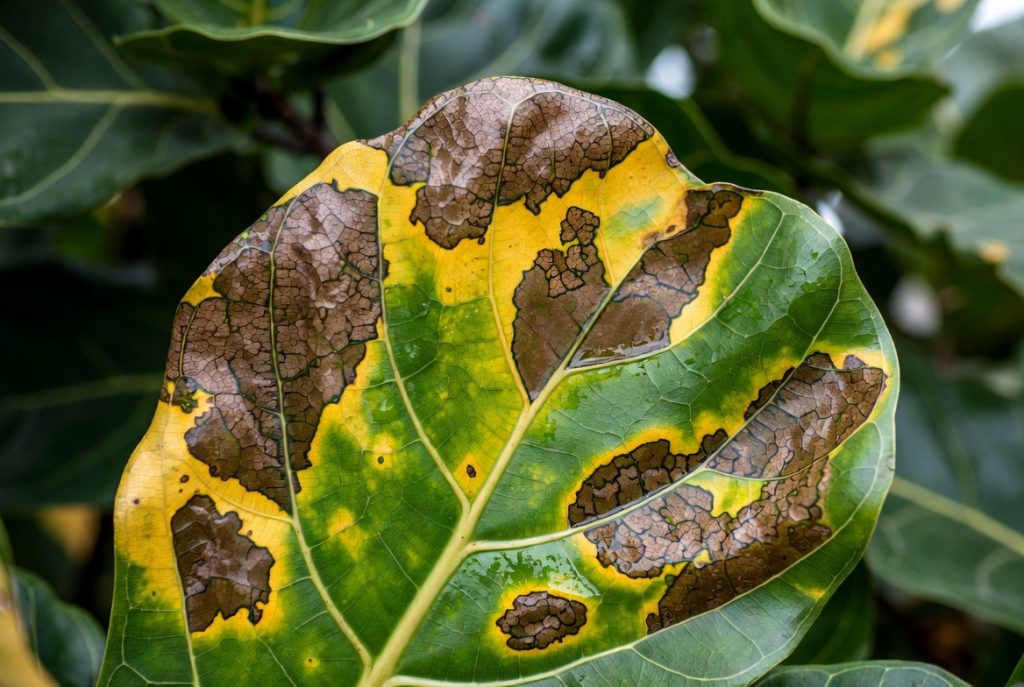
The browning appears as random, irregular brown or black spots scattered across the middle of the leaves. These spots often feature a stark yellow outer ring and can quickly expand and merge together to swallow the whole leaf.
How to Fix It:
Isolate the infected plant immediately so the disease doesn’t spread to the rest of your collection. Cut off all affected leaves using a pair of sharp, sterilized shears. Avoid getting water on the foliage when you water, improve air circulation around the plant, and treat the remaining healthy leaves with an organic copper-based fungicide spray.
Conclusion
To successfully resolve the mystery of why my indoor plant leaves are turning brown, always check the texture of the spots and the moisture of your soil. Crispy tips mean it needs more humidity or cleaner water, while mushy brown patches indicate a drainage issue. By fine-tuning your care routine and addressing these 7 common issues, you can keep the rest of your indoor garden thriving and beautifully green.
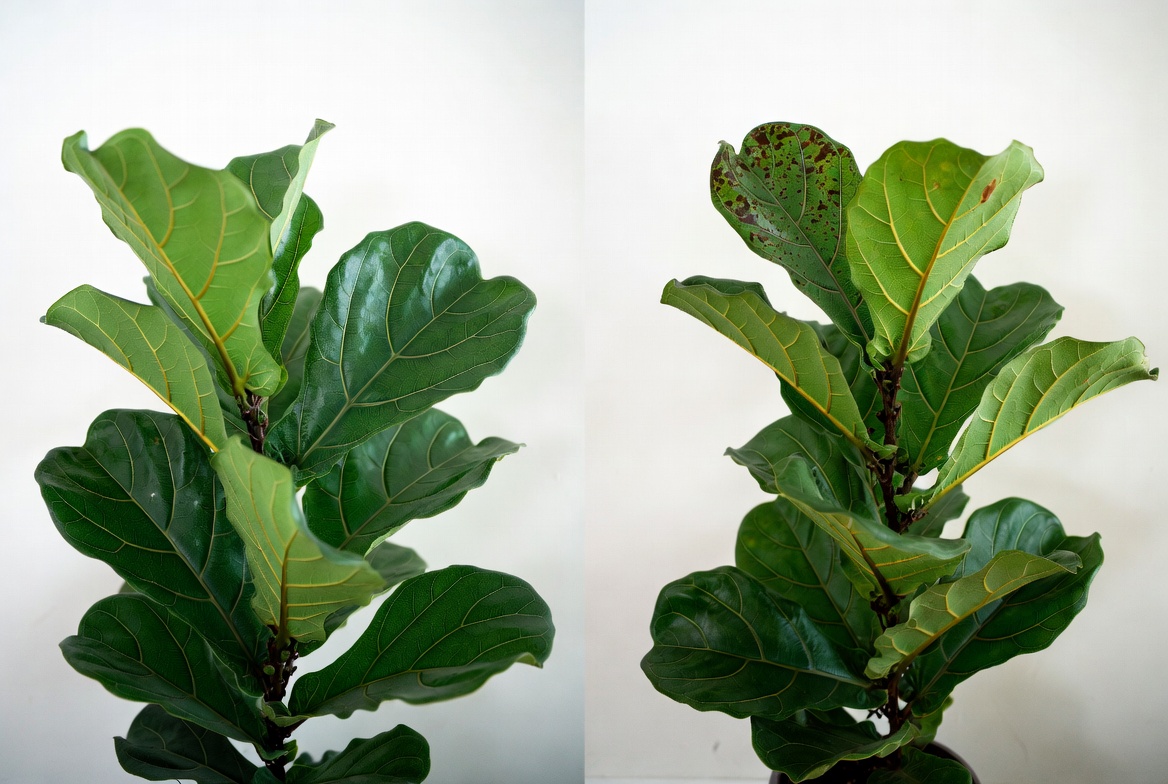
If the spots appear on a fiddle leaf fig, our guide to fiddle leaf fig brown spots explains what to check first. Severe browning can also trigger leaf drop, so it pays to fix the cause early. You may also see brown tips on corn plants, and our care guide covers how to stop them spreading.
Frequently Asked Questions
1. Should I cut off the brown parts of my indoor plant leaves?
Yes, you can trim away the dead, brown areas to clean up the look of your plant. Use a sharp pair of scissors sterilized with rubbing alcohol. When trimming, leave a very thin margin of brown tissue behind rather than cutting directly into the healthy green part of the leaf. Cutting into the live green tissue can reopen a wound and cause more browning.
2. Can a completely brown leaf ever turn green again?
No, unfortunately, it cannot. Once a leaf or a portion of a leaf turns brown, that plant tissue is entirely dead, and its chlorophyll has broken down permanently. The change is irreversible. Your main goal when treating brown leaves is to stop the underlying issue from spreading to the rest of the healthy green foliage.
3. Why are the brown spots on my plant leaves soft and mushy instead of crispy?
Soft, mushy brown or black spots are a classic sign of overwatering, poor drainage, or a fungal/bacterial infection. Crispy brown areas indicate dehydration or low humidity, whereas mushy brown patches mean the plant tissue is rotting due to excess moisture trapped in the soil or on the leaves.
4. How do I know if my tap water is causing brown tips?
If you are watering your plants correctly, keeping the humidity high, and still noticing thin, crisp brown edges on sensitive plants like spider plants, calatheas, or peace lilies, your tap water is likely the culprit. Try switching to distilled water or rainwater for a month; if the new leaves grow in perfectly green without brown tips, you have found your answer.
5. Why are the bottom leaves of my plant turning brown and falling off?
If it is only happening to the oldest leaves at the very bottom of the stem, one at a time, it is likely just natural shedding. As plants grow, they discard their oldest, least efficient leaves to redirect energy to new foliage at the top. However, if multiple lower leaves are browning rapidly at the same time, double-check your watering habits to rule out underwatering or root rot.