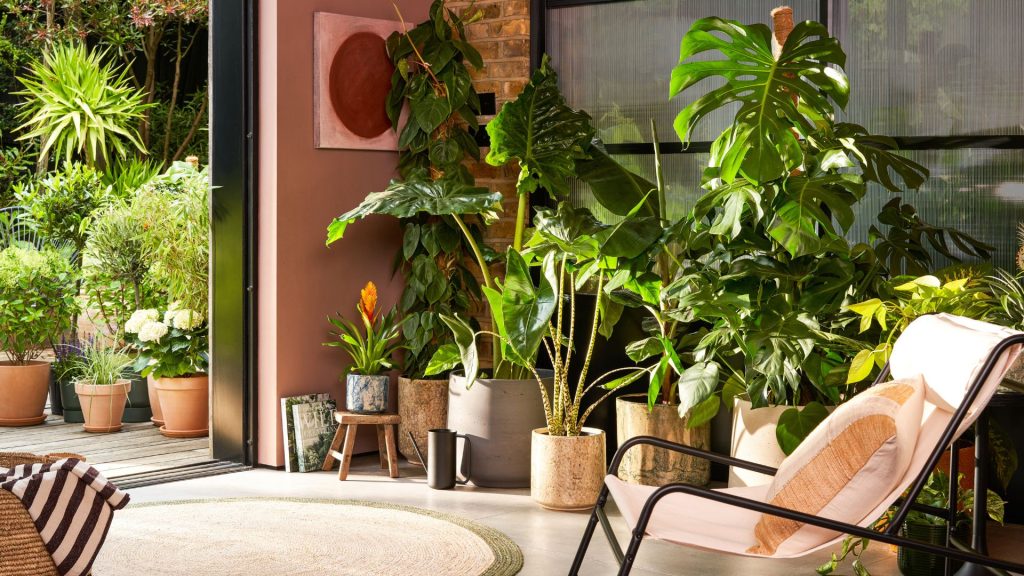
Monstera care is the most rewarding skill any indoor gardening enthusiast can develop. Known scientifically as Monstera deliciosa and famous for its iconic “Swiss Cheese” holes, this plant has become a staple of modern home decor. Whether you are managing a personal plant collection or simply want a lush, vibrant green centerpiece for your living room, understanding the specific needs of this tropical giant is the key to success. If you provide the right environment, your Monstera will reward you with massive, glossy leaves that can transform any ordinary space into a thriving indoor jungle paradise.
In this comprehensive guide, we will break down everything from precise lighting requirements to specialized soil mixtures. The beauty of the Monstera is that it is surprisingly hardy if you get the fundamental steps right. By following these 10 essential tips, you will ensure that your plant not only survives but truly thrives, consistently producing those iconic splits and fenestrations that plant lovers adore.
Why Proper Monstera Care Matters
The Monstera is a natural climber, native to the deep, shaded rainforests of Central America. In its natural wild habitat, it uses specialized aerial roots to attach itself to the trunks of large trees, steadily growing toward the filtered sunlight above. When we bring it into our homes, we look to it to provide the same level of structural stability and consistent nourishment.
Proper Monstera care ensures that the plant does not become leggy, lose its structural integrity, or fade in its vibrant green color. Understanding these biological instincts is the first step toward becoming a master of indoor cultivation. When you recreate its native jungle environment, the plant responds by growing larger, more complex leaves, and it can even reach heights of several feet in just a few years.

10 Essential Tips for Monstera Care
- Optimize Bright Indirect Light: For the best Monstera care, place your plant in a spot that receives plenty of bright, filtered sunlight. Direct midday sun can burn the foliage, but a lack of light will prevent those famous holes from forming.
- Master the Watering Schedule: Only water your Monstera when the top two inches of the potting soil feel dry to the touch. This simple test prevents root rot, which is the most frequent mistake made by beginners.
- Use a Chunky Soil Mix: Your plant needs oxygen at the roots to flourish. A premium mix containing standard potting soil, orchid bark, and coarse perlite is perfect for maintaining ideal drainage.
- Provide a Moss Pole for Support: Since Monstera are natural climbers, a moss pole or a sturdy trellis provides the stability they need to grow upright and produce much larger, more mature leaves.
- Maintain Consistent Humidity Levels: These are tropical plants that thrive on moisture. Use a reliable humidifier or group your plants together to keep the local humidity levels consistently above 50 percent.
- Keep the Temperature Warm: Ensure your indoor room stays between 65 and 85 degrees Fahrenheit. Always keep the plant away from cold air conditioning vents or drafty windows.
- Wipe the Leaves Regularly: Dust buildup on large leaves can block essential sunlight and attract unwanted pests. Use a soft, damp cloth to wipe the massive leaves every few weeks to keep them clean and efficient.
- Fertilize During the Growing Season: Apply a balanced, water-soluble liquid fertilizer once a month during the spring and summer for extra nutrients and rapid growth.
- Prune for Shape and Health: Do not be afraid to trim away yellowed leaves or weak, leggy stems. Pruning encourages the plant to redirect its energy into producing healthier, more vigorous new growth.
- Repot Every Two Years: When you notice roots starting to grow out of the bottom drainage holes, it is time for a slightly larger pot to prevent the plant from becoming root-bound.
Advanced Strategies: Propagation and Growth
To truly excel at Monstera care, you must learn how to multiply your collection. Propagation is a fascinating aspect of growing Monstera. The most successful method involves taking a stem cutting. You must identify a “node,” the bump on the stem where a leaf or root grows. Using a clean, sharp pair of shears, cut just below the node.
You can then place this cutting in water, ensuring the node is submerged. Change the water weekly to keep it oxygenated. Within a few weeks, you will see white roots emerging. Once the roots are a few inches long, you can transplant the cutting into a well-draining soil mix. This process is not only educational but also a great way to share your love for indoor gardening with friends.
The Role of Aerial Roots
One of the most misunderstood parts of Monstera care is the aerial roots. These thick, sometimes brown roots that grow from the main stem are the plant’s way of reaching for moisture and support. Never cut these roots unless they are completely dead or damaging your walls/furniture. Instead, guide them back into the pot or wrap them around a moss pole. They are vital for the plant’s structural strength and nutrient uptake.
Pests and Disease Management
Even the most dedicated plant owners can encounter pests. If you notice tiny webs, your plant likely has spider mites. If you see tiny, rice-like insects, you might be dealing with thrips. The best approach to Monstera care includes preventative maintenance:
- Regular Inspection: Check the undersides of leaves and the leaf nodes every week.
- Isolation: If you find a sick plant, isolate it immediately to prevent the spread to other indoor plants.
- Cleaning: Use neem oil or mild insecticidal soap to wipe down the leaves if you detect early signs of infestation. Consistency is your best defense. A healthy, well-nourished plant is much more resistant to pests than a stressed one.
Fertilization Schedules Explained
Many beginners assume that fertilizer is only for growth, but in the context of Monstera care, it is about sustaining the plant’s massive size. During the growing season (spring through early autumn), the plant is metabolically active and needs nutrients. A balanced 20-20-20 liquid fertilizer, diluted to half-strength, is usually sufficient. Avoid fertilizing in the winter when the plant goes semi-dormant, as the salts can build up in the soil and burn the roots.
Troubleshooting Common Problems
Even with the highest standards of Monstera care, you might occasionally face challenges.
- Yellowing Leaves: This is almost always a sign of overwatering. The roots are suffocating, and the leaves are yellow as a distress signal. Check the drainage immediately.
- Drooping Leaves: This is often a sign of thirst. Test the soil for dryness, then water it deeply.
- Brown, Crispy Tips: This points to low humidity or mineral buildup from tap water. Try using filtered water or distilled water for a month to see if it resolves.
- Lack of Fenestration: If your Monstera is a juvenile, it might just need time. However, if it is a mature plant with solid leaves, move it closer to a light source.
Conclusion
Mastering Monstera care is a journey of consistency, observation, and patience. By focusing on these 10 essential tips, ranging from the importance of chunky, well-draining soil to the necessity of a moss pole, you can enjoy a stunning, healthy Swiss cheese plant that grows bigger and more beautiful every year. It is the perfect, enduring addition to any indoor garden, providing both contemporary style and a tangible, calming touch of nature to your living space. Remember, a happy Monstera is given the room to climb and the light to flourish.
FAQs
1. How often should I water a Monstera plant?
Monstera usually needs watering once every 7–10 days. Always check the top 2–3 inches of soil first. If the soil feels dry, it’s time to water. Overwatering can cause root rot, so make sure the pot has good drainage.
2. What type of light is best for Monstera plants?
Monstera grows best in bright, indirect light. Direct sunlight can burn their leaves, while very low light can slow growth and reduce the iconic leaf splits.
3. Why are my Monstera leaves turning yellow?
Yellow leaves are often caused by overwatering, poor drainage, or a lack of nutrients. Sometimes, older leaves naturally turn yellow and drop off as the plant grows.
4. How fast does a Monstera plant grow indoors?
With proper care, a Monstera can grow 1–2 feet per year indoors. Good lighting, regular watering, and occasional fertilizing help encourage faster growth.
5. Do Monstera plants need fertilizer?
Yes. Feed your Monstera with a balanced liquid fertilizer once a month during spring and summer. Avoid fertilizing in winter when plant growth slows down.
6. Why are my Monstera leaves not splitting?
If your Monstera leaves are not developing splits (fenestrations), it may be due to insufficient light, young plant age, or lack of nutrients. Mature plants in bright light usually develop the famous holes.
7. What is the best soil for Monstera plants?
Monstera prefer well-draining, airy soil. A mix of potting soil, perlite, and orchid bark works well because it allows roots to breathe and prevents waterlogging.
8. When should I repot my Monstera plant?
Repot your Monstera every 1–2 years or when the roots start coming out of the drainage holes. Choose a pot that is 2–3 inches larger than the current one.
9. Can Monstera plants grow in low light?
Monstera can survive in low light, but they grow more slowly and produce smaller leaves. For healthy growth and large split leaves, bright indirect light is recommended.
10. Are Monstera plants safe for pets?
No. Monstera plants are toxic to cats and dogs if ingested. Keep the plant out of reach of pets to avoid irritation or health problems.