The Tradescantia Zebrina is one of the most visually striking species in the indoor gardening world. With its shimmering silver stripes and deep royal purple undersides, it offers a metallic luster that few other plants can replicate. However, while it is a fast grower, many hobbyists struggle with the plant becoming leggy, losing its color, or suffering from sudden stem rot. Professional tradescantia zebrina care requires a balance of high-intensity light and a unique watering rhythm to keep those purple vines dense and vibrant.
In this exhaustive authority guide, we will break down the technical requirements for maintaining this tropical beauty. We will explore the cellular reasons behind its shimmering foliage, the physics of its brittle stems, and the seven core strategies you must implement to turn a single cutting into a cascading purple waterfall.
The Biology of the Shimmer: Understanding Epidermal Bladder Cells
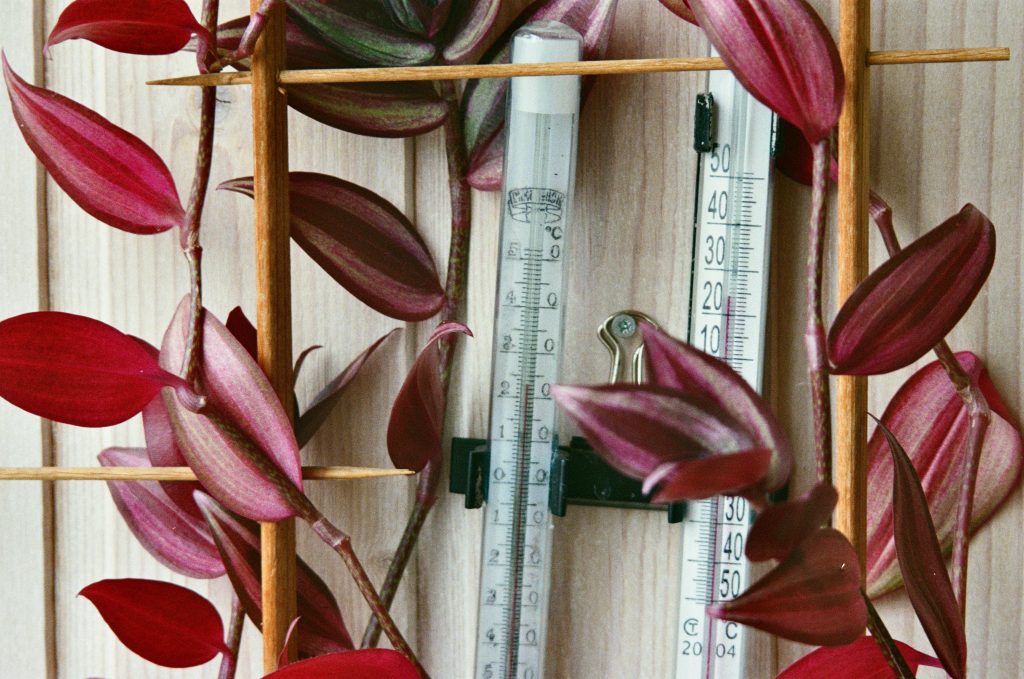
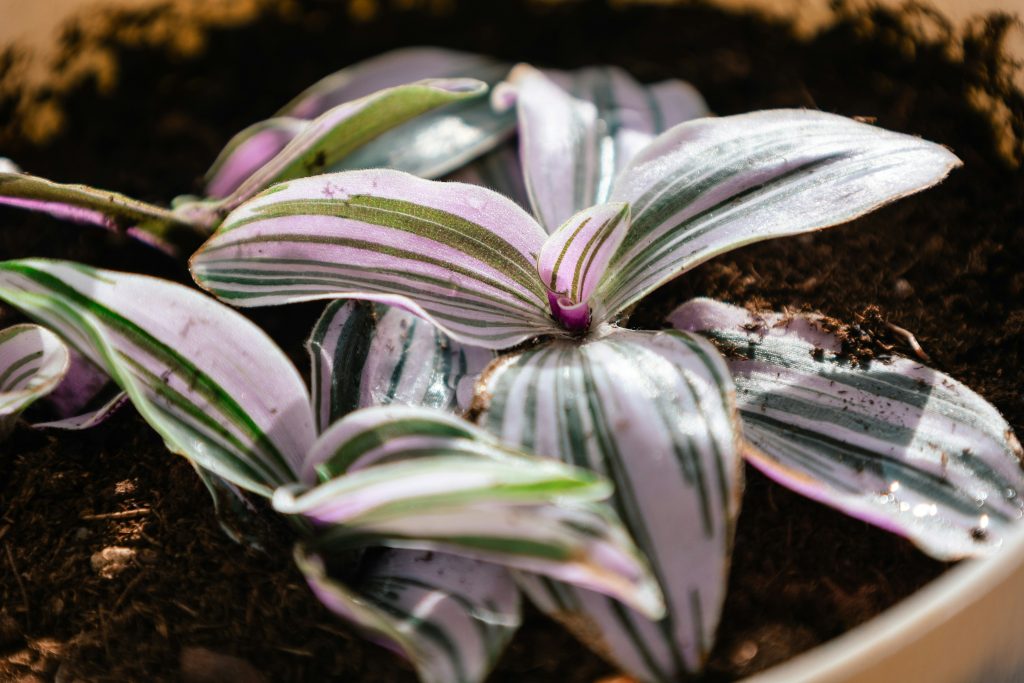
Before mastering tradescantia zebrina care, it is essential to understand why the leaves sparkle. This phenomenon is not caused by a pigment, but by the physical structure of the leaf. The surface is covered in epidermal bladder cells that act like tiny magnifying glasses, reflecting light into the photosynthetic tissue below.
This is an evolutionary adaptation from the rainforests of Mexico and Central America, allowing the plant to capture low-intensity light under the canopy. When we bring it indoors, these same cells can be easily damaged by hard water deposits or excessive dust. Maintaining the “sparkle” of your Zebrina is a direct reflection of how well you manage its surface health and light exposure.
1. Lighting: The Key to Anthocyanin Production
The biggest challenge in tradescantia zebrina care is maintaining the purple hue. Without enough light, the plant will produce more green chlorophyll to survive, causing the purple to fade into a dull gray.
The Role of Anthocyanin
The pigment that gives purple its color is called anthocyanin. It acts as a biological sunscreen for the plant. To trigger maximum pigment production, your Zebrina needs bright, filtered light. If the light is too low, the nodes (the spaces between leaves) will stretch as the plant searches for the sun, resulting in a thin, unattractive look.
Light Quality and Distance
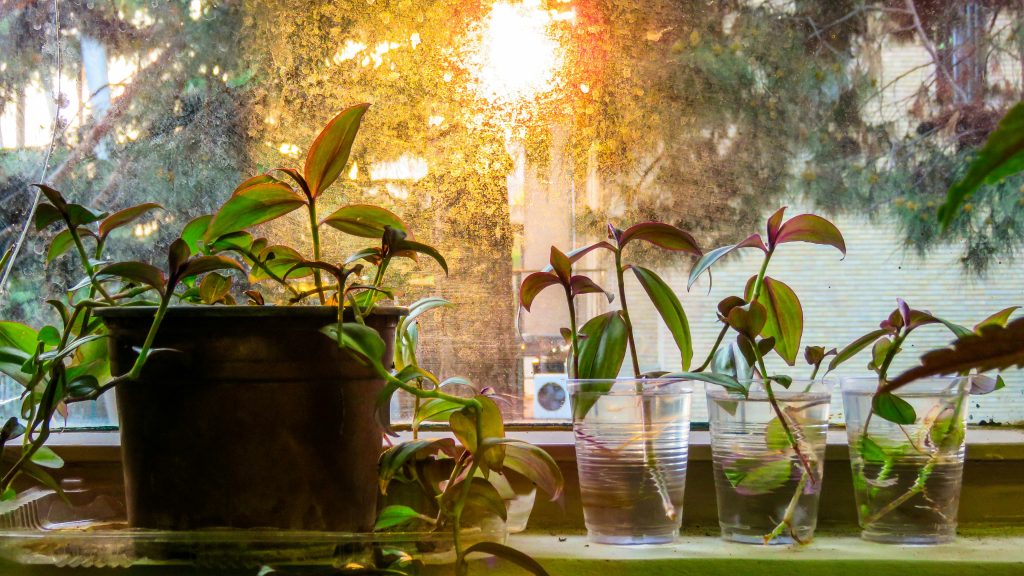
A south-facing window with a sheer curtain is the professional setup for perfect color. If you are using artificial lighting, aim for a PAR (Photosynthetically Active Radiation) level that mimics the bright shade of the tropics. LED full-spectrum lights should be kept about 12 inches away from the foliage to prevent thermal leaf burn.
2. Hydration Mechanics: Preventing Vascular Collapse
Tradescantia zebrina care is unique because of the plant’s structural vulnerability. The stems are succulent-like, meaning they store a high volume of water in their cells, making them very prone to rot if they stay wet.
The Danger of Crown Rot
Never pour water directly onto the center or crown of the plant. The leaves are arranged in a “cup” shape that traps water against the stem. If moisture sits there for more than a few hours, it triggers fungal decay. Once a stem begins to turn mushy at the base, the vascular system collapses, and the rest of the vine will die within 48 hours.
The Bottom-Watering Technicality
The best way to hydrate a Zebrina is to place the pot in a tray of water for 15 to 20 minutes. This allows the soil to wick the moisture upward through capillary action. This keeps the foliage completely dry while ensuring the roots get deep hydration. Only water when the top half of the soil feels dry to the touch.
3. Soil Engineering: Creating a High-Porosity Medium
Because the Inch Plant is so susceptible to rot, your choice of potting medium is the foundation of your success. Standard, heavy potting soils will kill this plant by retaining too much water and suffocating the root hairs.
The Chunky Zebrina Mix
For elite tradescantia zebrina care, create a mix that is 50% potting soil, 30% perlite, and 20% orchid bark. This chunky texture ensures that water passes through the pot instantly, leaving behind dampness without saturating the roots. The bark also provides essential air pockets for gas exchange.
Potting Materials and Drainage
If you tend to overwater, use a terracotta pot. The porous clay allows oxygen to reach the roots from all sides and helps excess moisture evaporate through the walls. Always ensure your pot has at least one large drainage hole that is not blocked by large stones or debris.
4. Humidity and Leaf Surface Health
Despite its succulent-like stems, the Zebrina is a tropical native. It requires a certain level of atmospheric moisture to prevent the leaf tips from turning brown and crispy.
The Pebble Tray vs. Misting
Since misting can lead to leaf rot, use a pebble tray. Fill a tray with stones and water, then set the pot on top. As the water evaporates, it creates a localized zone of humidity around the vines without wetting the leaves. This is much more effective than misting, which only boosts humidity for a few minutes.
Airflow and Pathogen Control
Good tradescantia zebrina care also requires airflow. If the plant is tucked in a stagnant corner with high humidity, it becomes a magnet for powdery mildew. A small fan or a nearby open window helps keep the air moving, which strengthens the stems and prevents fungal spores from settling on the shimmering leaves.
5. Managing Legginess: The Pruning and Propagation Ritual
Even with perfect tradescantia zebrina care, these plants eventually get leggy at the base. This is the plant’s natural growth habit as it moves along the ground in the wild, abandoning its old roots to start new ones.
The Pinch and Poke Method
To keep your plant looking full and bushy, you must prune it. Use your fingernails to pinch off the growing tips of the vines. This forces the plant to branch out from the nodes below, doubling the number of vines. This redirected energy prevents the “long string” look.
Instant Rejuvenation
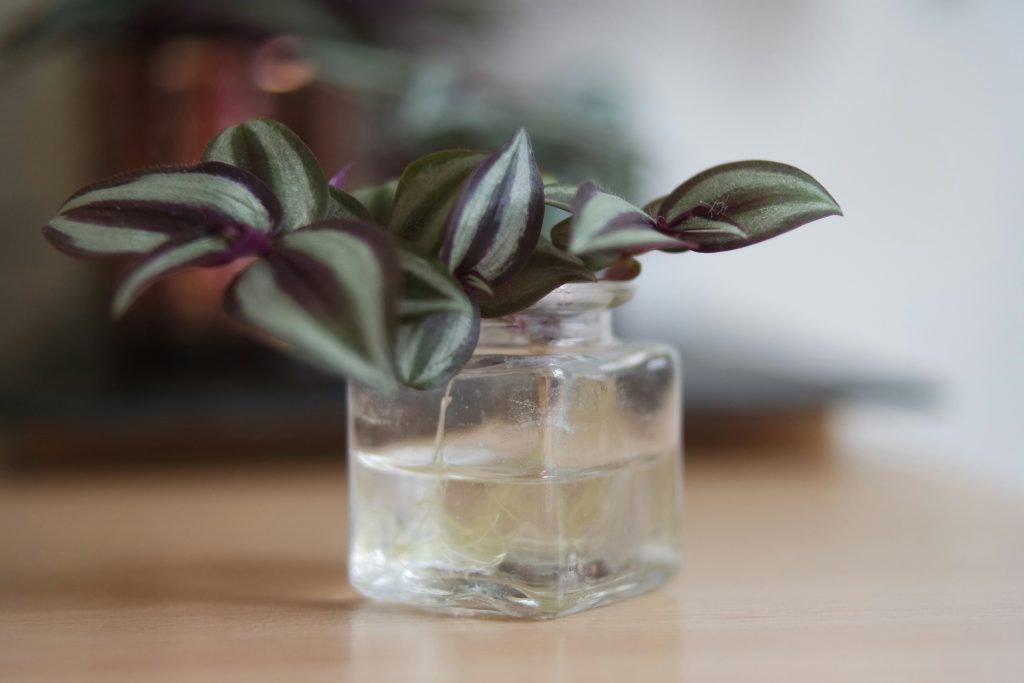
If the top of your pot looks bald, take the cuttings you just pruned, remove the bottom leaves, and poke them directly back into the moist soil. Tradescantia roots so fast that these plugs will fill in the bald spots within two weeks. This is the only way to maintain a lush, full pot long-term.
6. Nutrient Management: Preventing Salt Toxicity
One common mistake in tradescantia zebrina care is over-fertilizing. Because it grows so fast, people assume it needs constant feeding, but too much nitrogen can actually weaken the stems and dull the metallic luster.
Balanced Feeding Ratios
Use a liquid fertilizer with a balanced ratio like 10-10-10 once a month during the spring and summer. Dilute it to 25% of the recommended strength. This provides enough minerals for cell wall strength without causing a flush of weak, watery growth that attracts pests.
Soil Leaching
Every three months, run plain distilled water through the pot for several minutes to wash away any accumulated fertilizer salts. These salts can burn the fine, hair-like roots of the Zebrina, leading to sudden, unexplained leaf drop at the base of the plant.
7. Temperature and Seasonal Transitions
The Zebrina is very sensitive to temperature swings. It does not have a bark or woody protection, so its cells are fully exposed to the environment.
Avoiding Thermal Shock
Keep the plant in a room that stays between 60°F and 80°F. If the temperature drops below 50°F, the water inside the succulent stems can freeze and expand, literally shattering the plant’s internal structure and causing it to turn into a black mush.
Winter Semi-Dormancy
During the winter, your tradescantia zebrina care routine should slow down significantly. The plant enters a semi-dormant state. Reduce watering by half and stop all fertilization until you see the bright purple pips of new growth in the spring.
Advanced Pest Management for Tradescantia
Even with the best tradescantia zebrina care, pests can occasionally strike. The shimmering leaves can hide invaders until it is too late.
- Spider Mites: These tiny arachnids thrive in dry air. They appear as fine webbing on the undersides of leaves. Increase humidity and treat with neem oil.
- Fungus Gnats: If you see small flies around the soil, it means the soil is too wet. Use a layer of sand on top or mosquito dunks to kill the larvae.
- Aphids: These congregate on the soft new growth tips. A strong blast of water or insecticidal soap will remove them.
Conclusion: Achieving Purple Perfection
Mastering tradescantia zebrina care is a journey in observation. It is a plant that reacts quickly to its environment, making it a great teacher for indoor gardeners. By focusing on high-intensity indirect light, careful bottom-watering, and regular pruning, you can maintain a plant that looks like a shimmering purple jewel. Whether hanging in a basket or trailing from a shelf, the Tradescantia Zebrina is the ultimate way to add a pop of regal color to your indoor garden collection.
FAQs
1. Why is my Tradescantia Zebrina dying at the roots?
This is the natural lifecycle of the plant; it prefers to root as it grows rather than maintaining one old root system for years.
2. Can I grow Tradescantia Zebrina in water permanently?
Yes, it can live in water for a long time, but it will eventually need liquid nutrients to maintain its deep purple color.
3. Is Tradescantia Zebrina toxic to cats?
Yes, the sap contains calcium oxalate crystals, which can cause skin irritation and stomach upset in pets.
4. How do I make my Inch Plant more purple?
Increase the light intensity. The brighter, indirect light it gets, the more anthocyanin pigment it will produce.
5. How often should I prune my plant?
Pinch off the tips every 2 to 3 months to maintain a bushy, full appearance and prevent legginess.
6. Why are the leaves turning silver and losing purple?
This is a sign of low light. The plant is losing its purple sunscreen pigment because it doesn’t need it in the shade.
7. Can it survive in a dark corner?
It will survive for a while, but it will become green, leggy, and very thin. It will lose its iconic shimmer.
8. What kind of water is best for Zebrina?
Rainwater or distilled water is best to avoid the mineral buildup that can dull the metallic shimmer of the leaves.
9. Why do the stems break so easily?
The stems are biologically designed to be brittle so that broken pieces can fall and start new plants in the wild.
10. How fast does it grow?
Under perfect conditions, a Zebrina can grow up to an inch a week, which is how it earned the name Inch Plant.