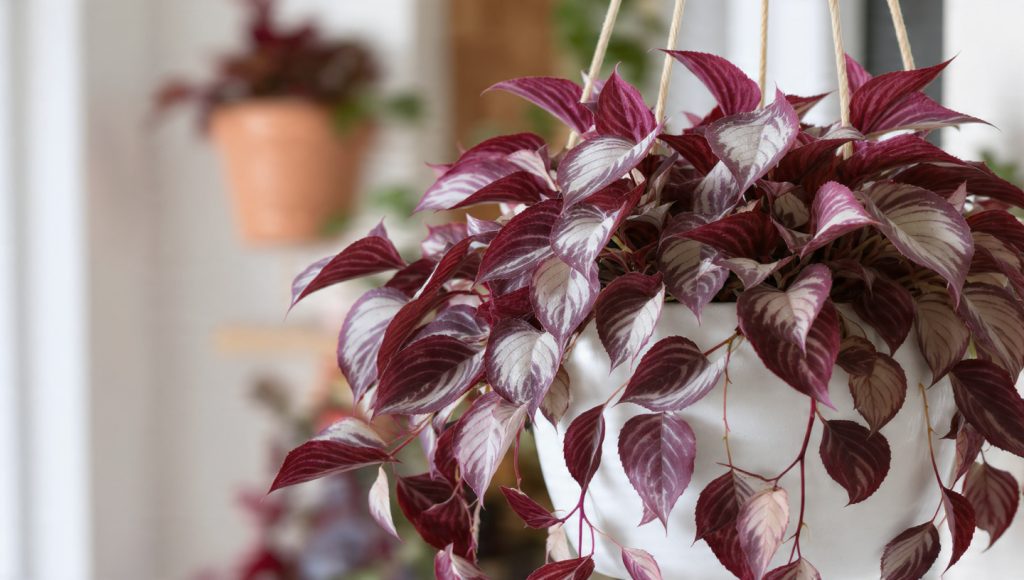
The Wandering Dude plant (Tradescantia zebrina) is a botanical masterpiece, famous for its shimmering silver stripes and royal purple undersides. Known for its incredible growth rate and resilience, it is a staple for anyone looking to add a pop of high-contrast color to their indoor garden. However, there is a massive difference between a plant that is barely hanging on and one that is a lush, thick waterfall of foliage. Professional wandering dude plant care requires understanding its unique creeping biology to prevent the common pitfalls of balding tops and faded leaves.
In this definitive authority guide, we dive deep into 12 technical triggers that govern its health. We will explore the science of its metallic luster, the mechanics of its brittle stems, and the advanced strategies you need to implement to turn a few cuttings into a massive, shimmering centerpiece.
The Evolutionary Design: Why the Wandering Dude Wanders
To truly master wandering dude plant care, you must understand its natural behavior. In its native habitats of Mexico and Central America, this plant is a ground-cover species. It wanders by sending out long vines that root wherever they touch the soil. This is why, in a hanging basket, the plant eventually looks bald at the top—it is trying to move forward and find new soil. By mimicking its natural environment, we can trick the plant into staying full and vibrant in a pot.
1. Lighting: Maintaining the Neon Purple Glow
Light is the primary fuel for the Wandering Dude’s intense coloration. Without enough energy, the plant cannot afford to produce the purple pigments (anthocyanins) that protect its leaves, causing it to revert to a dull, muddy green.
The Variegation Secret
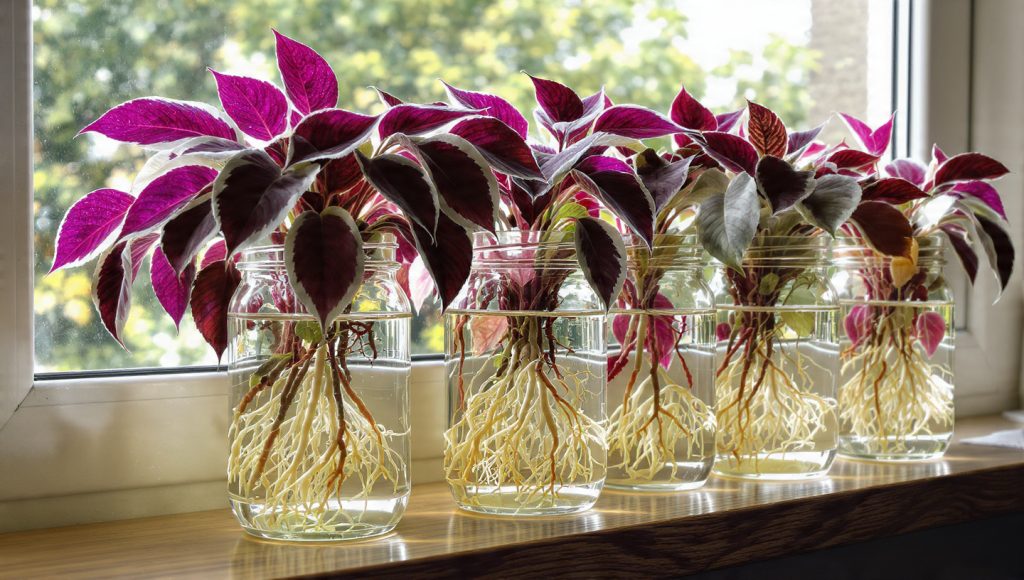
The silver stripes on the leaves are actually caused by tiny air pockets between the leaf layers that reflect light. To keep this metallic sheen and the deep purple contrast, place your plant in bright, indirect light. An east or north-facing window is ideal for consistent energy.
Avoiding UV Scorch
While it craves light, the Wandering Dude has thin, succulent-like leaves. Direct afternoon sun can literally boil the water stored in its cells, leading to unsightly brown patches. If you use grow lights, maintain a distance of at least 12 inches to provide high intensity without the heat.
2. Hydration Strategy: The Bottom-Watering Technicality
The biggest threat to a Wandering Dude plant is overwatering. Because the stems are fleshy and hold a lot of water, they are highly susceptible to fungal infections and rot.
Preventing Crown Rot
For elite wandering dude plant care, avoid pouring water over the top of the foliage. Water trapped in the leaf axils is the fastest way to trigger crown rot. Instead, place the pot in a tray of water for 15 minutes, allowing the roots to pull moisture upward through the soil.
The Dry-Down Period
Wait until the top 50% of the soil is dry before watering again. If the stems feel soft or mushy near the soil line, you are watering too frequently. The plant is much more tolerant of a short drought than it is of soggy soil.
3. Soil Engineering: The High-Porosity Mix
Standard potting soil is too dense for the fine, hair-like roots of the Wandering Dude. You need a medium that provides instant drainage while retaining a small amount of moisture for the plant to drink.
Creating the Authority Mix
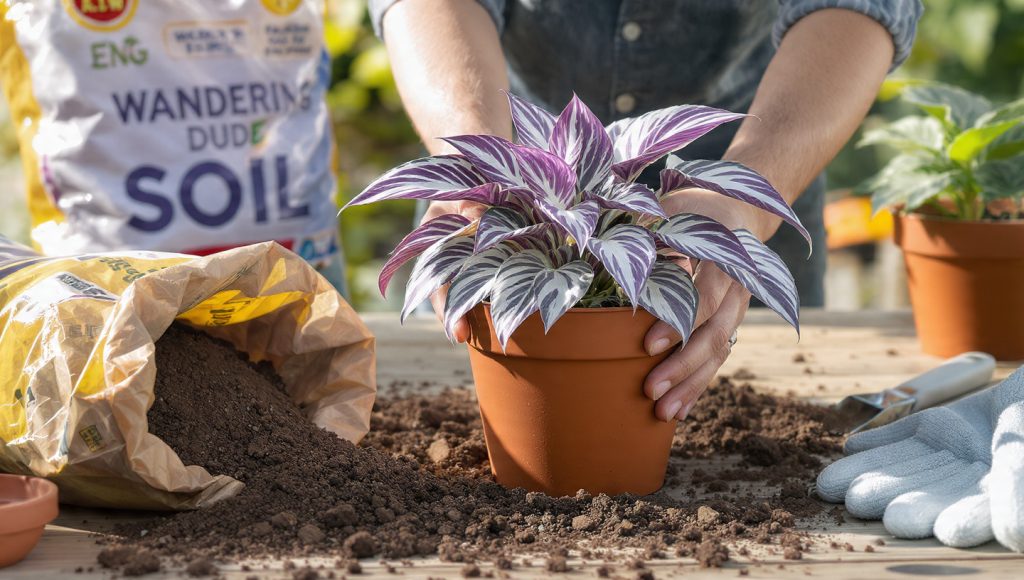
Combine 60% high-quality potting soil with 20% perlite and 20% orchid bark. This chunky, airy mix ensures that oxygen can reach the roots at all times. Oxygen is vital for nutrient uptake; without it, the plant will stop growing even if the light is perfect.
Choosing the Right Pot
Terracotta pots are a secret weapon for wandering dude plant care. The breathable clay pulls excess moisture away from the roots, acting as a built-in safety valve against root rot.
4. Humidity and Leaf Health: Preventing Crispy Tips
Although it has succulent-like properties, the Wandering Dude is a tropical native that breathes through its foliage. Dry indoor air is the leading cause of brown, crispy leaf edges.
The Shared Evapotranspiration Zone
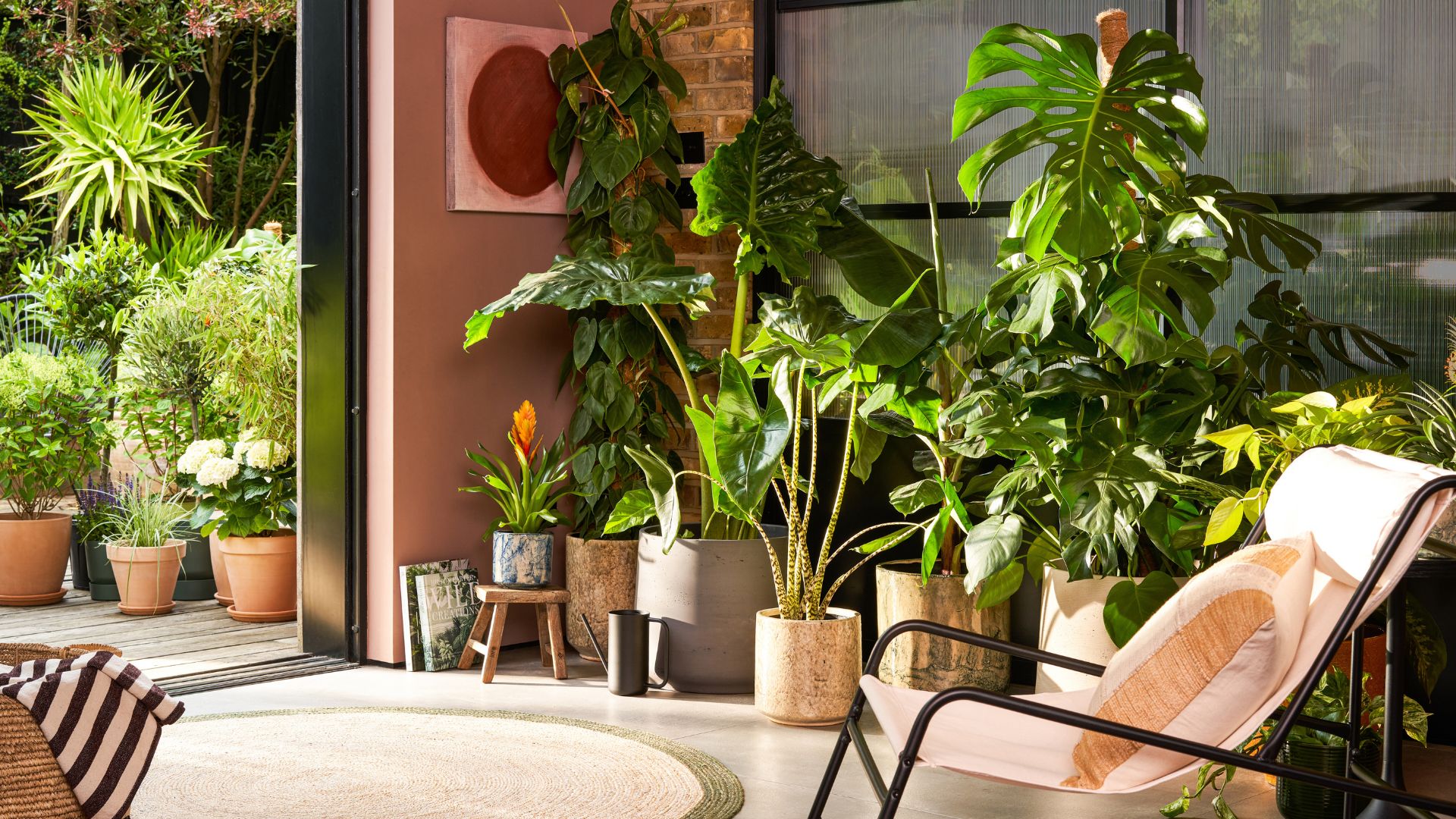
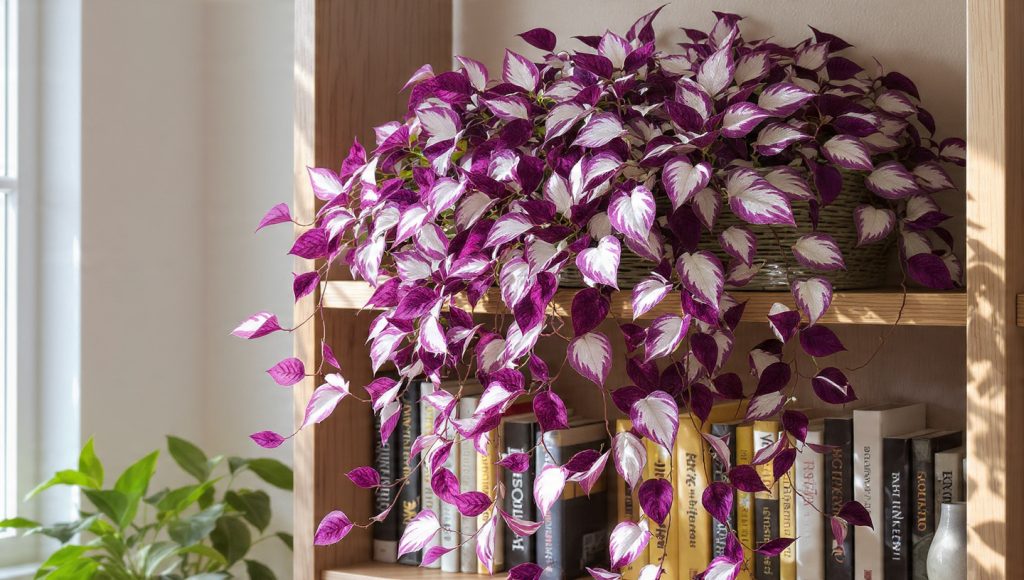
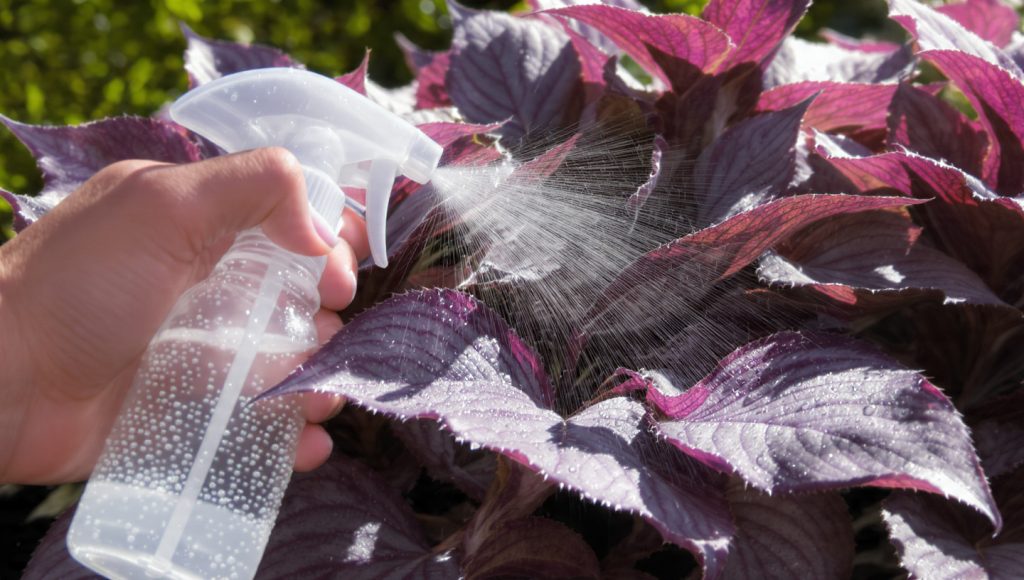
Instead of misting—which can cause fungal spots—group your Wandering Dude with other tropical plants. This creates a pocket of high humidity. A pebble tray filled with water is also an effective way to boost moisture levels without wetting the leaves directly.
Cleaning for Photosynthesis
Dust buildup can block the light-reflecting cells on the leaf surface. Gently wipe the leaves with a soft, damp cloth once a month to ensure the plant can photosynthesize at maximum efficiency and maintain its metallic sparkle.
5. Managing Legginess: The Pruning and Plugging Ritual
Every Wandering Dude eventually becomes leggy, with long, leafless stems near the pot. Professional wandering dude plant care involves a constant cycle of rejuvenation.
The Pinching Technique
Regularly pinch off the growing tips of the vines. This removes the apical dominance and forces the plant to send out two or three new stems from the nodes below, creating a much bushier look.
The Poke-Back Method
Take the cuttings from your pruning, remove the bottom leaves, and poke them directly back into the top of the pot. These cuttings will root in days, filling in the bald spots and keeping the pot looking thick and lush year-round.
6. Nutrient Management: Strengthening the Vines
Because the Wandering Dude is such a fast grower, it can quickly deplete the nutrients in its soil. However, too much fertilizer leads to weak growth that is a magnet for pests.
Balanced Liquid Feeding
Use a balanced 10-10-10 liquid fertilizer diluted to 25% strength once a month during the spring and summer. This provides the potassium needed for cell wall strength and the phosphorus required for a robust root system.
Avoiding Salt Buildup
Every three months, flush the soil with distilled water to wash away fertilizer salts. These salts can accumulate and burn the tender root tips, causing the leaves to drop off the vine unexpectedly.
7. Temperature Stability: Protecting the Succulent Stems
The Wandering Dude is extremely sensitive to temperature swings because its stems have no woody protection. Its health is entirely dependent on the stability of its environment.
The Goldilocks Zone
Maintain a temperature between 65°F and 85°F. If the temperature drops below 50°F, the plant may suffer from chill injury, where the water inside the cells expands, leading to black leaves and collapsed stems.
Draft Management
Keep your plant away from air conditioning vents and drafty doors. Sudden cold shocks can trigger the plant to drop its older leaves as a stress response, leaving you with thin, unattractive vines.
8. Seasonal Light Shifts: Adjusting for Winter
Many growers fail because they don’t adjust their wandering dude plant care for the seasons. In winter, light intensity drops significantly, even if the plant is in the same window.
Winter Light Compensation
During the shorter days of winter, move your plant closer to the glass or add a small LED grow light. Without this adjustment, the plant will lose its purple color and become leggy as it reaches for the diminished sun.
Metabolic Slowdown
In the winter, reduce your watering frequency. Because the plant is growing slower, it uses less water. Soil that dried out in 5 days during summer might take 10 days in winter.
9. Propagation Physics: Why Water vs Soil Matters
Understanding the difference between water and soil roots is vital for expanding your collection.
Water Propagation Roots
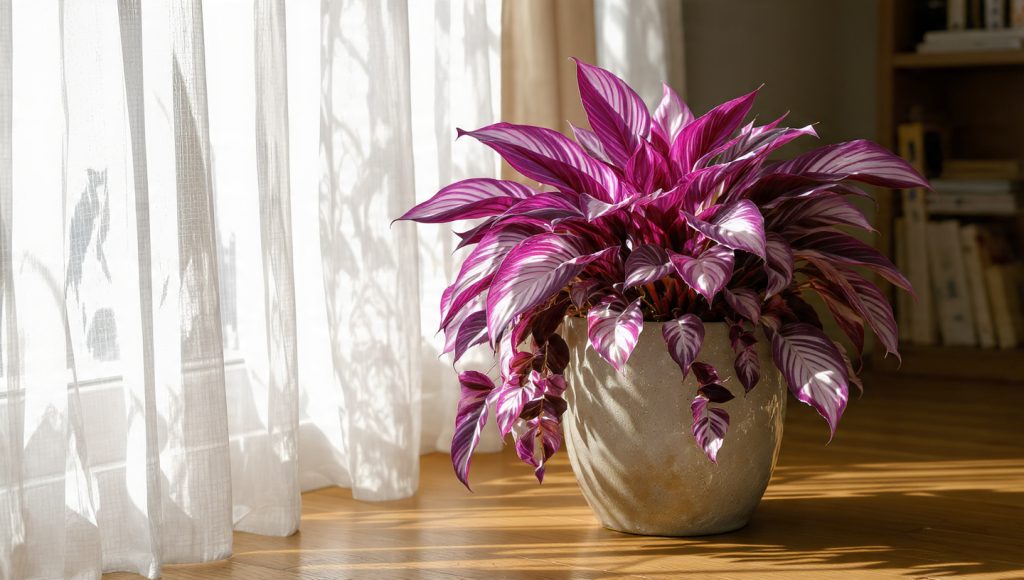
Roots grown in water are specialized for gas exchange in liquid. They are fragile and translucent. They provide an instant visual win, but the plant must undergo a difficult transition once moved to soil.
Soil Propagation Resilience
Propagating directly in soil (using the poke-back method) produces tougher, more resilient roots from day one. This is the preferred method for long-term health and fast establishment.
10. Mineral Toxicity: Fluoride and Chlorine Sensitivity
The Wandering Dude is sensitive to the chemicals found in municipal tap water. If you see brown tips despite high humidity, the water quality is likely the culprit.
Using Filtered Water
If possible, use rainwater or distilled water. If you must use tap water, let it sit in an open container for 24 hours. This allows the chlorine to evaporate, though it will not remove fluoride, which is the main cause of leaf tip necrosis.
Soil Leaching Rituals
Flushing the soil every few months with pure water helps remove the chemical buildup that naturally occurs over time from tap water use.
11. Pest Defense: Monitoring for Invaders
Because of its dense foliage, the Wandering Dude can hide pests until they have established a colony.
Spider Mite Detection
Look for fine webs and “stippling” (tiny white dots) on the leaves. These pests love dry air. Increase humidity and treat with neem oil immediately.
Mealybug Management
These look like small bits of white cotton in the leaf joints. Use a cotton swab dipped in rubbing alcohol to remove them individually before they spread.
12. Pot Depth and Root Expansion
The Wandering Dude has a relatively shallow root system. Choosing the wrong pot shape can lead to moisture issues.
Shallow vs Deep Pots
A shallow, wide pot is better than a deep, narrow one. In a deep pot, the bottom half of the soil stays wet for too long because the roots never reach it, which increases the risk of fungal pathogens.
Air Pruning
If the roots start to poke out of the drainage holes, it is time to repot. However, don’t go too big; a pot that is only 1-2 inches wider than the previous one is perfect.
Troubleshooting: Common Care Challenges
- Fading Colors: Increase the light intensity. This is the plant’s way of saying it needs more fuel.
- Mushy Stems at the Base: This is root rot. Take healthy cuttings immediately and discard the old soil.
- Brown, Crispy Tips: This indicates low humidity or a reaction to chemicals in tap water.
- Tiny New Leaves: Your plant is likely root-bound or needs a very light boost of nutrients.
Conclusion: Achieving Botanical Brilliance
Mastering wandering dude plant care is about understanding the balance between growth and rejuvenation. It is a plant that thrives on attention, specifically, pruning and light management. By providing bright indirect light, a chunky soil mix, and regular maintenance, you can ensure your Wandering Dude remains a shimmering, purple masterpiece that cascades beautifully in your indoor garden.
FAQs
1. Why is my Wandering Dude losing its purple color?
This is almost always due to low light. The plant needs bright, indirect sun to produce the purple anthocyanin pigment.
2. How often should I water my Wandering Dude?
Water when the top 50% of the soil feels dry. Always check the soil manually before adding water.
3. Is the Wandering Dude plant toxic to pets?
Yes, the sap can cause skin irritation and stomach upset in cats and dogs. It is best kept in hanging baskets.
4. Why are the stems of my plant so brittle?
This is a natural trait that allows pieces to fall, root, and start new colonies in the wild.
5. Can I grow a Wandering Dude in water?
Yes, they propagate easily in water and can live there for months, but they grow faster in a soil mix.
6. Why is my plant dying at the top but growing at the bottom?
This is its natural creeping habit. Use the poke-back method to keep the top of the pot full.
7. How do I get rid of aphids on my plant?
Use a gentle spray of water or insecticidal soap, focusing on the soft new growth at the vine tips.
8. Can I grow this plant outdoors?
Only in warm, humid climates (Zones 9-11). In other areas, it must be brought indoors before the first frost.
9. Does the Wandering Dude flower?
Yes, it can produce small, three-petaled pink or purple flowers, though this is rare indoors.
10. How fast does it grow?
Under perfect conditions, it can grow over an inch a week during the peak growing season.