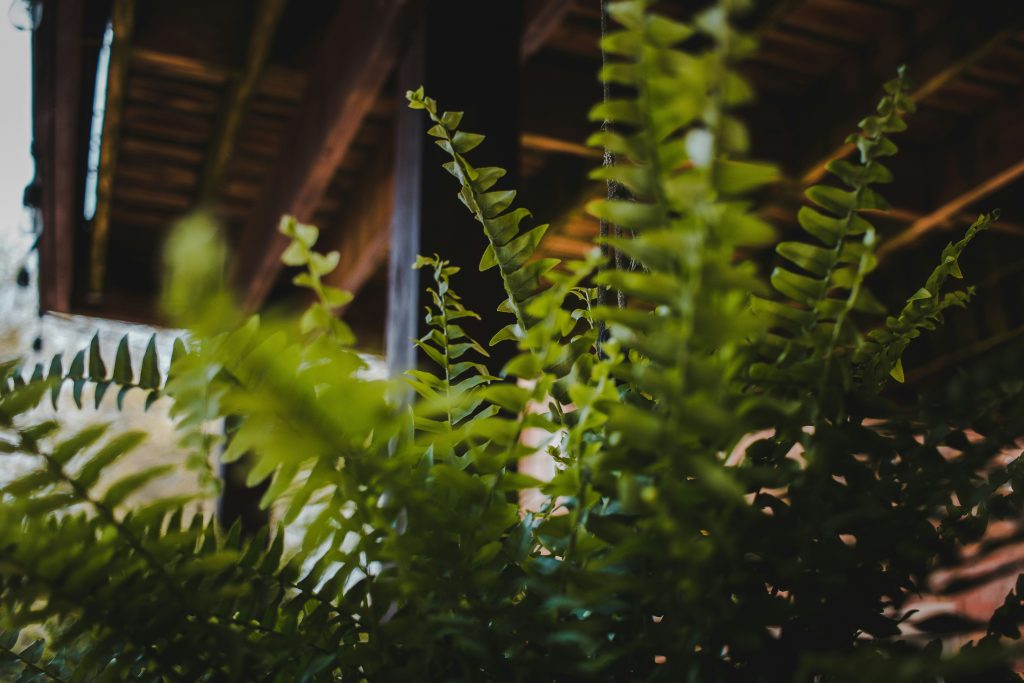
The Boston fern (Nephrolepis exaltata var. Bostoniensis) is a timeless ornamental favorite that has graced homes since the late 1890s. This tropical evergreen, a natural variation of the sword fern, was found in a shipment from Philadelphia to Boston in 1894. It is well-known for its beautifully arching fronds and airy leaflets. If you want to transform your living space into a lush oasis, this “fountain of foliage” is your best choice.
Is the Boston fern an indoor plant?
Absolutely. While it is native to humid, tropical forests from South America to Florida, it adapts exceptionally well to container life indoors. It is most commonly grown as a houseplant in cooler climates where outdoor temperatures drop too low for its survival. Indoors, they look spectacular in hanging baskets, on plant stands, or in raised containers where their long, 4-foot fronds can spill downward freely.
Do Boston ferns like sun or shade?
Finding the right light is the secret to a vibrant plant:
- Indoors: They prefer medium-bright light, such as an east-facing window or behind a sheer curtain in a south- or west-facing window.
- Outdoors: If you move your fern outside for the summer, it must be kept in full or partial shade.
- What to Avoid: Keep them out of direct sunlight, as the harsh rays will scorch and dry out the delicate leaflets.
Safe for Your Furry Friends
One of the best features of this plant is its safety profile. The Boston fern is completely non-toxic to cats and dogs. Unlike many exotic houseplants that can be dangerous if nibbled, this fern allows pet owners to enjoy a forest-like atmosphere without any health risks to their animals.
Why are Boston Ferns So Hard to Keep Alive?
Many gardeners struggle because they treat this fern like a desert plant. Here is why they often fail:
- Dry Air: They are native to humid forests. Modern indoor heating and cooling dry out the air, causing the edges of the leaflets to turn brown and die.
- Watering Mistakes: While it is more drought-tolerant than other ferns, it still requires consistent moisture. Letting the soil sit bone-dry for too long is a common death sentence for plants.
- Temperature Stress: They prefer nights around 65°F and days under 95°F. Sudden drafts or extreme heat can cause them to drop their leaves.
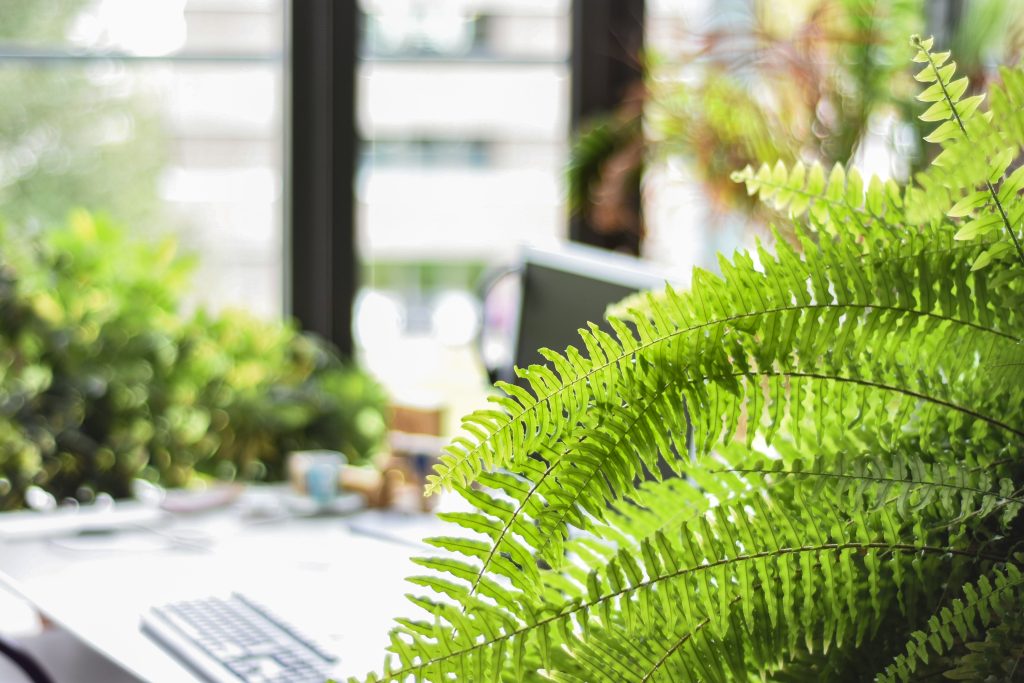
What is a Boston fern? Good for what?
- Air Purification: It is excellent at filtering indoor air for a healthier home environment.
- Vertical Decor: Its dramatic arching habit makes it the perfect “accent” plant for hanging baskets or raised containers.
- Durable Greenery: Among cultivated ferns, it is actually one of the most resilient and drought-tolerant options once established.
- Therapeutic Texture: The soft, fine-textured pinnae of various cultivars add a calming, tactile element to indoor gardens.
Troubleshooting and Care Tips
- Fertilizing: Use a liquid or slow-release fertilizer at half-strength every 4 to 6 weeks during the growing season.
- Pruning: Cut old, brown fronds off at the soil level to encourage the plant to push out fresh, green growth.
- Humidity Hack: Place the pot in a second, larger container lined with moist sphagnum moss to create a mini-microclimate of humidity around the plant.
Frequently Asked Questions
1. Is the Boston fern safe for cats and dogs?
Yes, it is non-toxic and safe for households with pets.
2. Why is my fern shedding its leaves?
This is often a reaction to dry air or a sudden change in environment. Increase humidity and keep it away from vents.
3. Can it survive outside in the winter?
Only in very mild climates like USDA zones 9–11. In most regions, it must be moved indoors when temperatures drop into the 40s.
4. How often should I repot it?
Repot or divide the plant every few years in the spring when it begins to outgrow its current container.
5. What is the best soil for a Boston fern?
A well-draining but moisture-retaining mix, such as a blend of peat and vermiculite, is ideal.