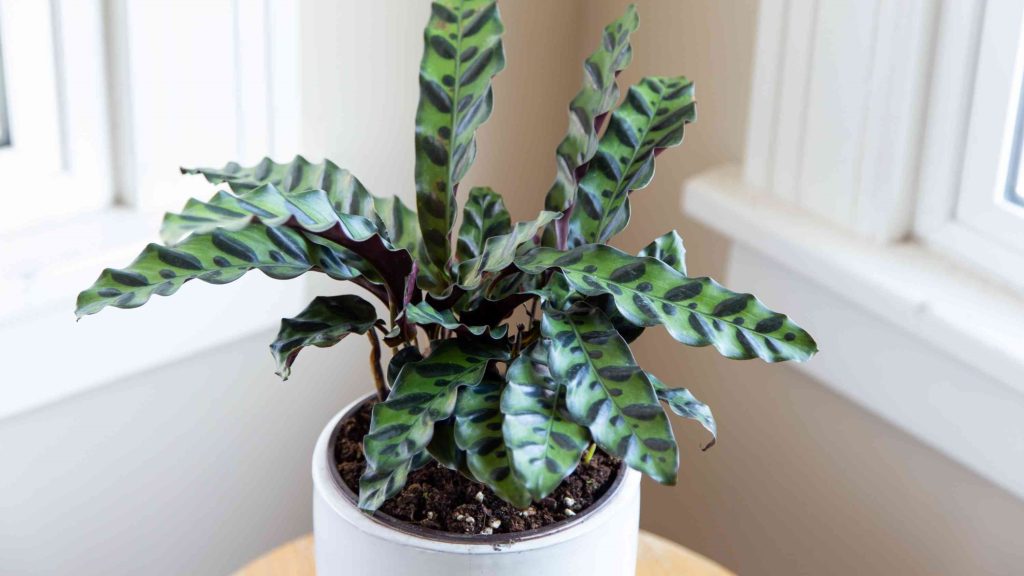
Brazil’s stunning tropical evergreen, the Rattlesnake Plant (Goeppertia insignis, originally Calathea lancifolia), is renowned for its exquisite leaves. Its long, narrow leaves feature wavy edges and a striking pattern of dark green spots on a lighter green background, resembling the markings of a rattlesnake. To top it off, the leaf undersides boast a brilliant purplish-red hue that adds a dramatic pop of color to your home.
Is the Rattlesnake Plant an Indoor Plant?
Yes, it is primarily grown as an indoor houseplant. While it thrives outdoors in warm, tropical regions like Hawaii or Florida, its need for consistent warmth and humidity makes it a popular indoor choice for most climates. Indoors, it typically reaches about 20 inches in height, making it a perfect size for tabletops or floor displays.
Do Rattlesnake Plants Like Sun or Shade?
Rattlesnake plants are quite particular about their lighting.
- The Sweet Spot: They prefer bright, indirect, or filtered light.
- The Danger Zone: Never place them in direct sunlight. Harsh afternoon sun can scorch the delicate leaves and cause the vibrant green spots to fade or disappear.
- Low Light: While they can tolerate lower light, their growth may slow down, and the patterns may become less distinct.
Safe for Your Furry Friends
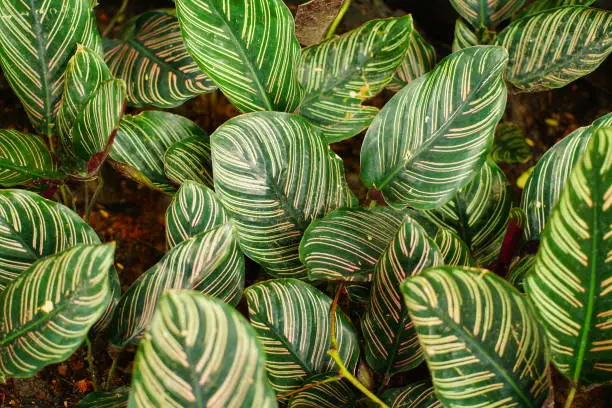
Good news for pet owners! The Rattlesnake Plant is completely non-toxic to cats and dogs. Belonging to the prayer plant family (Marantaceae), it is a worry-free choice that allows you to enjoy high-end tropical aesthetics without endangering your pets.
Why are Rattlesnake Plants So Hard to Keep Alive?
This plant is often labeled as “challenging” for beginners because it refuses to compromise on its environment. Here is where most people go wrong:
- Low Humidity: Coming from the rainforest, they crave moisture in the air. If your home is dry, the leaf edges will quickly turn brown and crispy.
- Water Quality: They can be sensitive to the minerals in tap water.
- Temperature Shocks: They hate drafts. Placing them near an air conditioner or a heater can cause immediate stress, leading to limp stems or leaf curling.
- Improper Drainage: While they love moisture, they cannot sit in standing water, which leads to root rot.
What is a Rattlesnake Plant Good For?
- Visual Drama: With its tall, wavy leaves and dual-tone colors, it acts as a “living sculpture” in your interior design.
- Air Quality: Like many tropicals, it helps refresh your indoor environment.
- Interactive Greenery: As a relative of the prayer plant, it may subtly move its leaves throughout the day in response to light changes.
Troubleshooting and Care Tips
- Watering: Keep the soil consistently moist during the summer, but allow the top layer to dry out slightly in the winter.
- Humidity Hack: Stand your pot on a tray of pebbles filled with water or use a humidifier to keep the air moist.
- Pruning: Only prune to remove dead or dry leaves by cutting them at the base of the stem.
- Cleaning: Skip commercial leaf shines, which can damage the plant. Simply wipe the leaves with a damp cloth to keep them dust-free.
Frequently Asked Questions
1. Is the Rattlesnake Plant safe for cats and dogs?
Yes, it is entirely non-toxic and safe for households with pets.
2. Why are the edges of my leaves turning brown?
This is usually a sign of low humidity or the use of commercial leaf shine. Increase the moisture in the air immediately.
3. How often should I fertilize?
Feed your plant monthly during the spring and summer using a balanced liquid fertilizer.
4. Can I grow a rattlesnake plant from seeds?
Propagation by seed is extremely difficult. It is much more effective to propagate by dividing the root ball during repotting in the spring.
5. What is the best soil for this plant?
A well-draining potting mix, such as two parts peat moss and one part perlite, works perfectly to keep the roots moist but not waterlogged.