
If you are looking for a tall, dramatic indoor plant that tolerates low light, inconsistent watering, and average household conditions without complaint, the corn plant is one of the best options available. With its long, arching leaves that resemble corn foliage and its upright, cane-like stems, it brings a tropical, architectural quality to any room while asking very little in return. Corn plant care is genuinely beginner-friendly, and this plant has earned its reputation as one of the most reliable and adaptable large houseplants you can grow indoors. Here is everything you need to know.
What Is a Corn Plant?
The corn plant (Dracaena fragrans) is a tropical plant native to tropical Africa, where it grows naturally as an understory plant in humid forests. It gets its common name from its long, sword-shaped leaves that superficially resemble the foliage of a corn plant, particularly when grown as a cane with a rosette of leaves at the top.
In its natural habitat, dracaena fragrans can grow into a large tree. As an indoor plant, it is typically sold as a cane with one to three thick stems topped by rosettes of long, arching leaves. The leaves are deep green, often with a lighter green or yellow stripe running along the center, depending on the variety.
The species name “fragrans” refers to the intensely sweet fragrance of its flowers, which appear on mature outdoor specimens. Indoors, flowering is rare but not unheard of on very mature, well-cared-for plants.
Popular Corn Plant Varieties
Several varieties of dracaena fragrans are commonly available as houseplants:
Dracaena fragrans ‘Massangeana’ is the most widely sold variety, with a broad yellow or lime-green stripe running down the center of each leaf. It is often simply called the corn plant or maize cane.
Dracaena fragrans ‘Lindenii’ has yellow or cream stripes along the edges of the leaves rather than in the center, giving it a slightly different appearance.
Dracaena fragrans ‘Victoria’ is a more compact variety with shorter, wider leaves and a central yellow stripe similar to Massangeana but with a more dramatic contrast between the yellow and green sections.
Light Requirements
One of the most valuable qualities of the corn plant is its genuine tolerance for lower light conditions. It is one of the few large, dramatic-looking plants that will grow reasonably well in spaces that don’t receive strong natural light.
That said, corn plants do best in bright to medium indirect light. In brighter conditions, they grow more actively and maintain more vivid leaf coloration. In lower light, growth slows and the striping on variegated varieties may become less pronounced, but the plant remains healthy and attractive.
Avoid direct intense sunlight, particularly harsh afternoon sun, which can scorch the leaves and cause bleached, brown patches. A spot near a north or east-facing window, or a few feet back from a brighter window, works well for most corn plants.

Watering
Corn plant care is forgiving when it comes to watering, which is part of why this plant is so popular with beginners and busy plant owners. It handles periods of drought better than many tropical plants and is far more tolerant of underwatering than overwatering.
Allow the top two inches of soil to dry out between waterings, then water thoroughly and allow excess to drain. Never let the pot sit in standing water, since corn plants are susceptible to root rot in consistently waterlogged conditions.
In the active growing season of spring and summer, watering every ten to fourteen days is typical for most indoor conditions. In winter, reduce watering frequency significantly, sometimes to once every three to four weeks, as growth slows considerably.
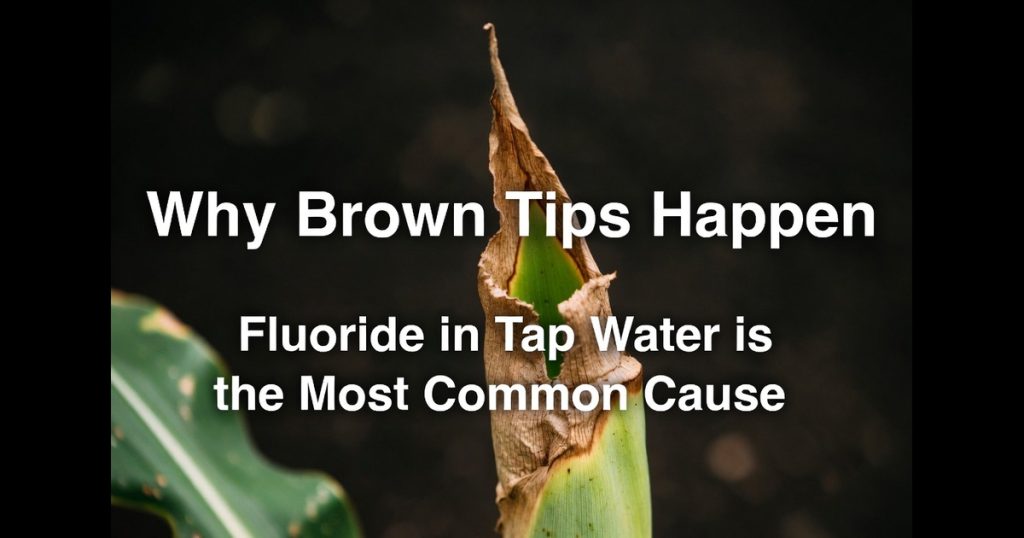
One important note: corn plants are sensitive to fluoride in tap water, which accumulates in the soil over time and causes the characteristic brown leaf tips this plant is known for. Using filtered water, distilled water, or leaving tap water to sit overnight before using it helps reduce fluoride buildup and minimize tip browning.
Temperature
Corn plants prefer temperatures between 60 and 80°F (15 and 27°C) and should be kept away from cold drafts, air conditioning vents, and temperatures below 50°F (10°C). Cold air exposure, even briefly, can cause yellow or brown patches to develop on the leaves.
Keep the plant away from exterior doors during cold weather and avoid placing it directly in the path of air conditioning during summer.
Humidity
Corn plants tolerate average household humidity well and do not require the elevated humidity levels that ferns or calatheas need. This is another reason they are so practical as indoor plants, since they thrive in typical home conditions without any special humidity management.
In very dry environments, brown leaf tips may become more pronounced. A pebble tray with water beneath the pot can help in particularly dry conditions, but for most homes this is not a major concern.
Soil and Potting
A well-draining potting mix works well for corn plants. A standard indoor potting mix combined with perlite provides good drainage while retaining enough moisture. Avoid dense, heavy mixes that stay wet for extended periods.
Choose a pot with drainage holes and size appropriately for the plant. Corn plants do not need to be repotted frequently and can stay in the same container for several years before becoming root-bound. When repotting, move up only one pot size at a time, ideally in spring.
Because corn plants can grow tall and top-heavy, a heavy ceramic or terracotta pot provides stability for larger specimens.
Fertilizing
Corn plants are light feeders and do not need heavy fertilizing. A balanced liquid fertilizer applied once a month during spring and summer is sufficient to support healthy growth. Stop fertilizing in autumn and winter when growth naturally slows.
Avoid over-fertilizing since excess fertilizer causes salt buildup in the soil that contributes to root damage and brown leaf tips.
Pruning
Corn plants require minimal pruning. Remove individual leaves that have yellowed or browned completely by cutting them at the base. If the cane becomes too tall, you can cut it back to your preferred height, and it will produce new growth from just below the cut, resulting in a branched appearance over time.
The brown tips that commonly develop on corn plant leaves can be trimmed with clean scissors to improve the plant’s appearance. Cut just inside the brown area following the natural shape of the leaf tip for the most natural-looking result.
Common Problems
Brown leaf tips. The most common issue with corn plants is almost always caused by fluoride in tap water, low humidity, or inconsistent watering. Switch to filtered water, maintain more consistent watering, and the problem should diminish over time. Existing brown tips will not turn green again but can be trimmed.
Yellow leaves. Often caused by overwatering, poor drainage, or natural aging of lower leaves. Check your watering routine and ensure the pot drains properly. Some lower leaf yellowing is normal as the plant matures.
Pale or washed-out leaf color. Usually caused by too much direct sunlight. Move the plant away from direct sun exposure.
Soft, mushy cane at the base. A sign of root rot from overwatering. This is serious and requires removing the plant from its pot, trimming away rotten roots and affected stem sections, and repotting in fresh, dry potting mix.
Pests. Spider mites, mealybugs, and scale insects can occasionally affect corn plants, particularly in dry indoor conditions. Check the undersides of leaves and stem joints regularly and treat with insecticidal soap or neem oil at the first sign of infestation.
Is Corn Plant Toxic to Pets?
Yes, corn plants are toxic to cats and dogs. The saponins contained in dracaena fragrans can cause vomiting, loss of appetite, excessive drooling, and lethargy if ingested by pets. Cats are particularly susceptible. Keep corn plants out of reach of pets that are prone to chewing on plants.
Conclusion
Corn plant care is one of the most accessible and rewarding experiences in indoor plant growing. Its combination of dramatic, tropical appearance, genuine low-light tolerance, drought resilience, and easy-going nature makes it one of the best large houseplants for beginners and experienced plant owners alike. Consistent but not excessive watering with quality water, protection from direct sun and cold drafts, and occasional light feeding during the growing season are all it takes to keep this reliable, beautiful plant thriving for many years indoors.
Frequently Asked Questions
How often should I water a corn plant?
Water when the top two inches of soil feel dry, typically every ten to fourteen days in warmer months. Reduce watering to once every three to four weeks in winter. Always allow excess water to drain and never let the pot sit in standing water.
Why does my corn plant have brown tips?
Brown tips are most commonly caused by fluoride in tap water, low humidity, or inconsistent watering. Switch to filtered or distilled water, maintain consistent watering, and trim existing brown tips for a tidier appearance.
Can corn plants grow in low light?
Yes, corn plants are one of the better large plants for lower light conditions. They grow more slowly in low light and may lose some variegation vibrancy but remain healthy and attractive in spaces that do not receive strong natural light.
Is a corn plant toxic to cats?
Yes, corn plants are toxic to cats and dogs. Ingestion can cause vomiting, drooling, and lethargy. Keep the plant out of reach of pets.
How tall do corn plants grow indoors?
Corn plants can reach four to six feet or more indoors over several years, depending on the size of the cane when purchased and the care they receive. They can be pruned back to control height if needed.