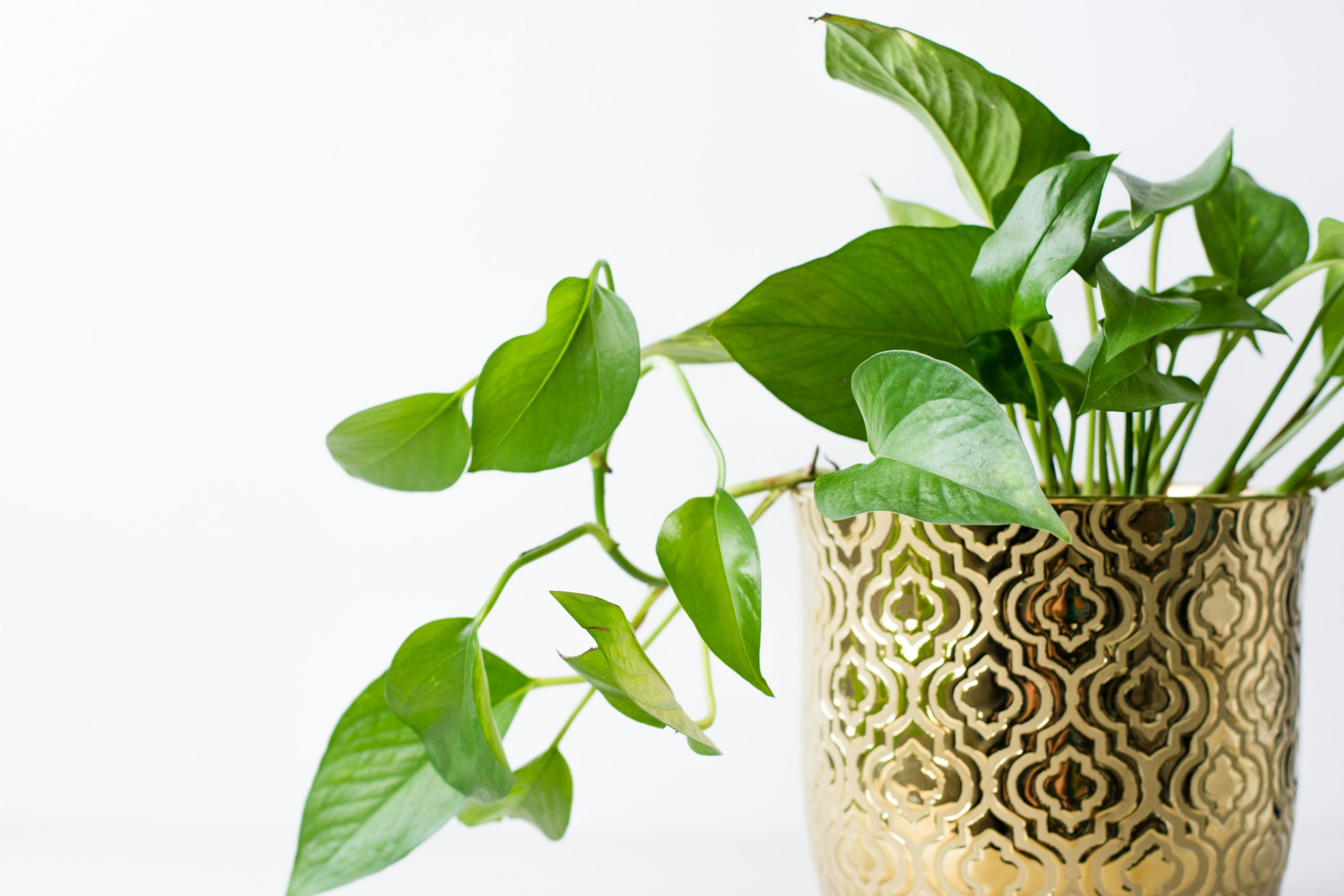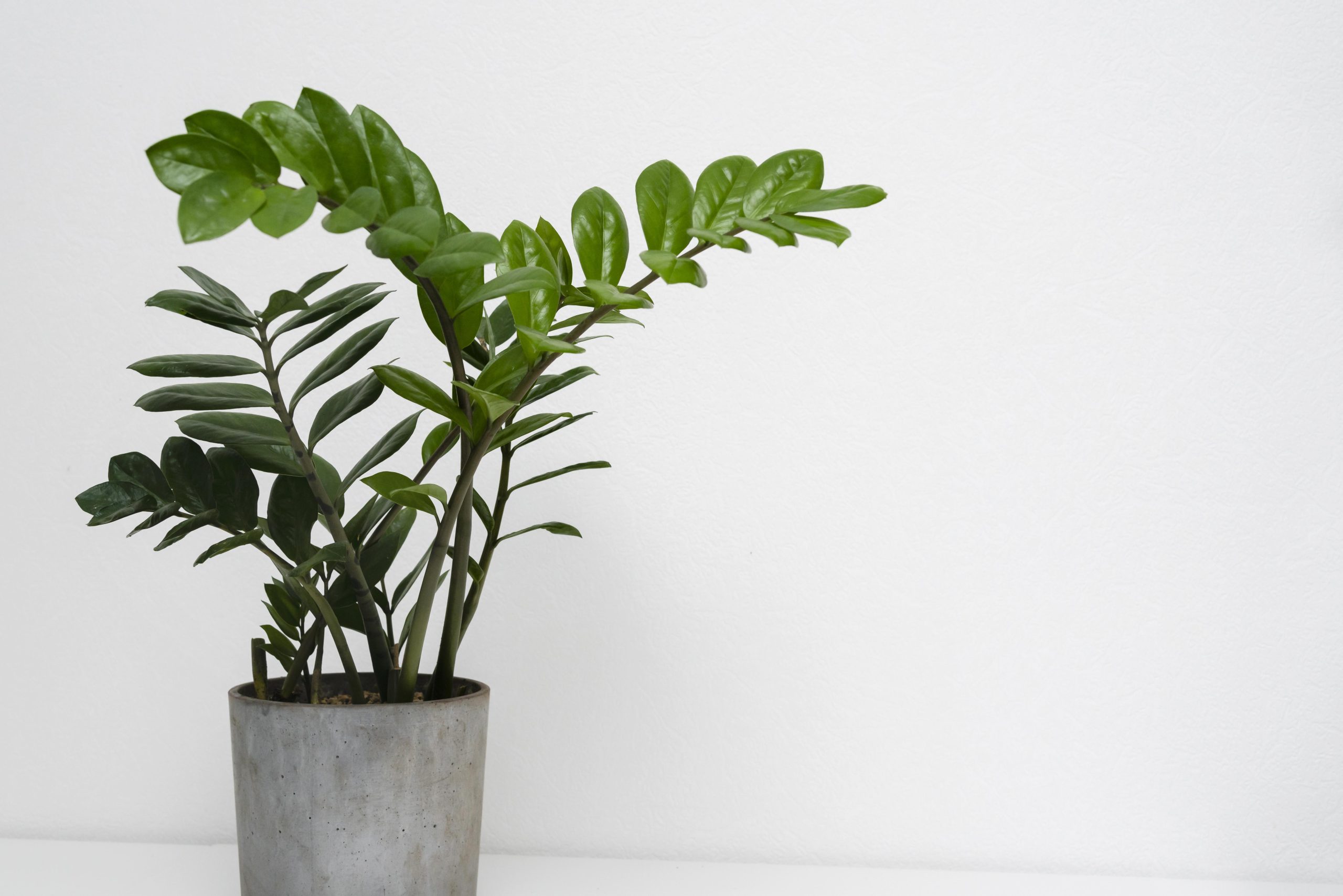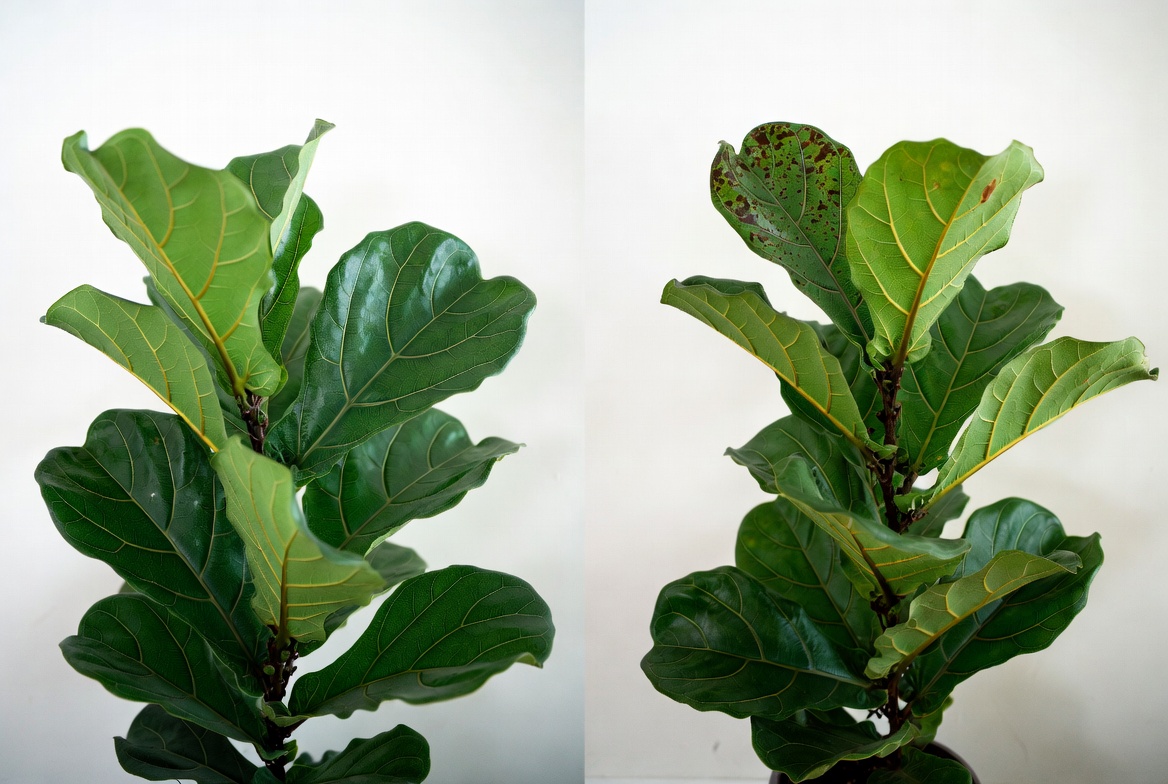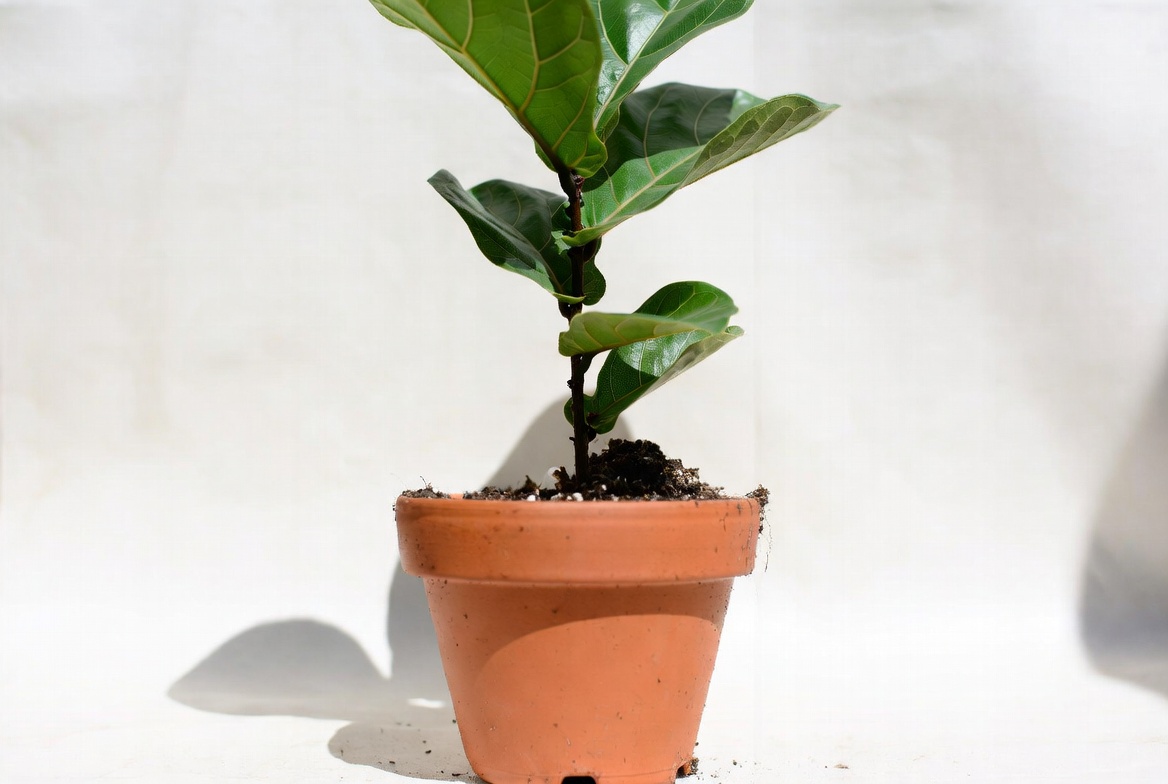
English ivy is one of the most classic and versatile plants you can grow indoors. With its distinctive lobed leaves, trailing or climbing growth habit, and remarkable adaptability to different light conditions, it has been a popular indoor plant for generations. Growing English ivy indoors brings a timeless, elegant look to shelves, hanging baskets, and tabletops, and the plant is surprisingly easy to keep healthy once you understand its preferences. Here is everything you need to know about growing English ivy indoors successfully.
What Is English Ivy?
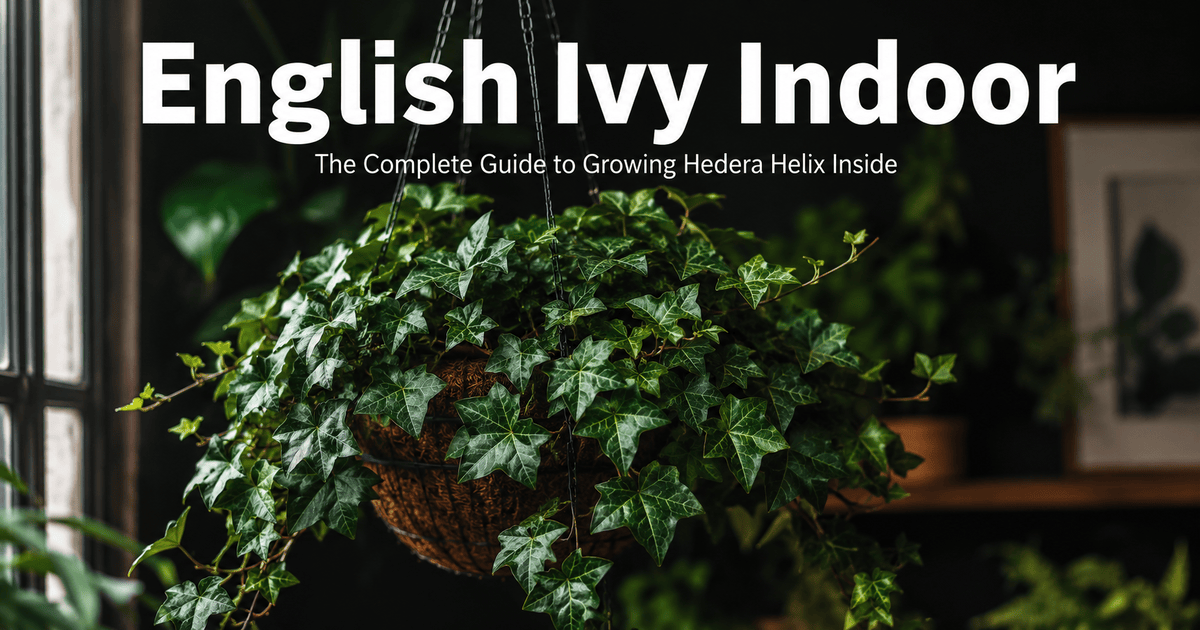
English ivy (Hedera helix) is a climbing and trailing vine native to Europe and western Asia. Outdoors it is well known as a vigorous ground cover and wall-climbing plant. Indoors, it is grown as a trailing houseplant, cascading from hanging baskets or shelves, or trained up a small trellis or moss pole.
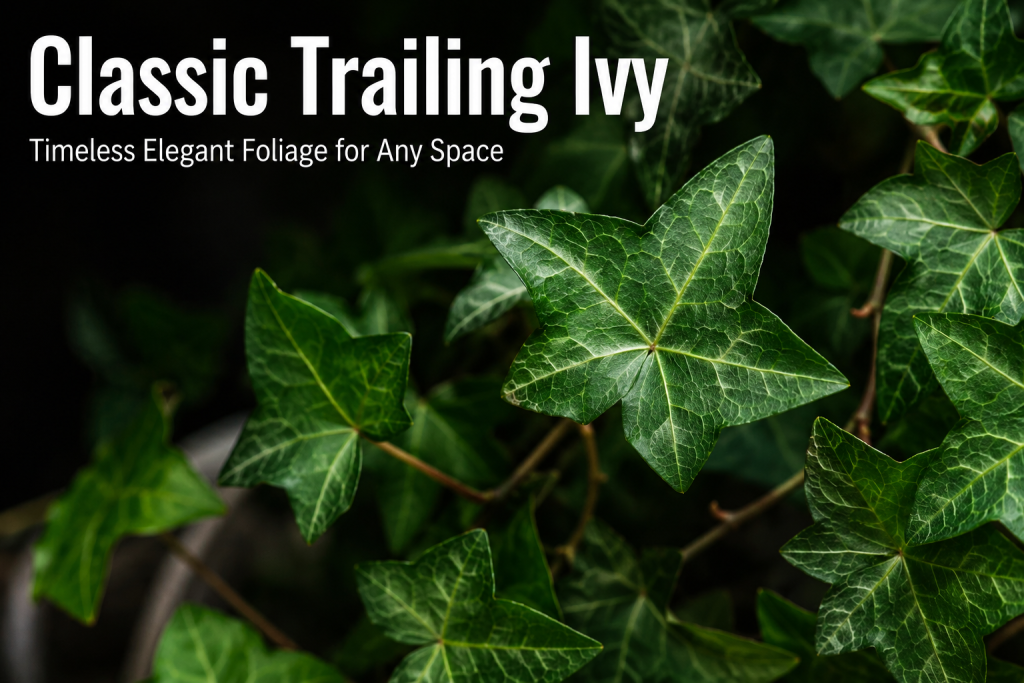
The leaves are the defining feature, typically with three to five lobes and a classic ivy shape that has been depicted in art and architecture for centuries. Dozens of cultivars are available with variations in leaf size, shape, and color, from solid deep green to variegated forms with white, cream, or yellow edges or centers.
English ivy is also one of the plants studied for air purifying potential, and while the effect in a typical home is modest, it remains a popular choice for both its appearance and its reputation as a beneficial indoor plant.
Light Requirements
English ivy is one of the more flexible houseplants when it comes to light. It tolerates a wider range of light conditions than most trailing plants, from bright indirect light down to medium and even lower light environments.
That said, English ivy grows most vigorously and maintains the most attractive, compact foliage in bright to medium indirect light. In lower light, growth slows and the plant may become leggy with larger gaps between leaves. Variegated varieties need more light than solid green types to maintain their coloration, and in low light they tend to revert toward more solid green.
Direct intense sunlight can scorch the leaves, particularly in the heat of summer through a south or west-facing window. A spot near an east or north-facing window, or a few feet back from a brighter window, works well for most English ivy plants.
Watering
Watering is the area where most English ivy problems originate indoors. The plant prefers its soil to dry out slightly between waterings rather than staying constantly moist, and it is much more tolerant of slight underwatering than overwatering.
Allow the top inch of soil to dry out before watering, then water thoroughly and allow excess to drain completely. Never let the pot sit in standing water, since English ivy is susceptible to root rot in consistently soggy conditions.
In the active growing season of spring and summer, watering every seven to ten days is typical for most indoor conditions. In winter, reduce watering frequency as growth slows.
One helpful practice is to check the soil with your finger rather than watering on a fixed schedule, since light levels, pot size, and seasonal changes all affect how quickly the soil dries out.
Temperature
This is one of the most important aspects of growing English ivy indoors. Unlike most tropical houseplants that prefer warmth, English ivy actually prefers cool to moderate temperatures, ideally between 50-70°F (10-21°C).
It tolerates warmer indoor temperatures but tends to perform better and look healthier in cooler conditions. Rooms that are kept on the cooler side, such as hallways, bedrooms, or north-facing rooms, are often ideal for English ivy. Very warm, dry conditions typical of centrally heated homes in winter are one of the most common reasons indoor ivy declines.
Keep ivy away from heat sources such as radiators and heating vents, which dry the air and stress the plant.
Humidity
English ivy prefers moderate humidity and can struggle in very dry indoor air. Low humidity is one of the primary contributors to spider mite infestations, which are the most common pest problem with indoor ivy.
Placing the pot on a pebble tray with water, grouping with other plants, or using a small humidifier nearby helps maintain adequate humidity. Occasional light misting is also beneficial, though it should be done in the morning so the foliage dries before evening to reduce the risk of fungal issues.
Soil and Potting
A well-draining potting mix works well for English ivy. A standard indoor potting mix with added perlite provides good drainage while retaining enough moisture. Avoid heavy, dense mixes that stay wet for extended periods.
Choose a pot with drainage holes. English ivy grows well in hanging baskets, standard pots, or trained up a small support structure. Repot every one to two years in spring when the plant has clearly outgrown its container.
Fertilizing
Feed English ivy with a balanced liquid fertilizer once a month during spring and summer. The plant is a moderate feeder and benefits from regular nutrition during its active growing season. Stop fertilizing in autumn and winter.
Avoid over-fertilizing, which causes excessive soft, weak growth and can make the plant more vulnerable to pests.
Pruning and Training
Regular pruning is important for keeping English ivy looking full and attractive indoors. Trim back long, trailing vines to encourage branching and bushier growth. Remove any yellowing or dead leaves promptly to keep the plant tidy.
English ivy can also be trained into topiary shapes using wire frames, which are available at most garden centers. Simply guide the new growth around the frame and secure loosely with soft ties as it grows.
Spider Mites: The Main Enemy of Indoor Ivy
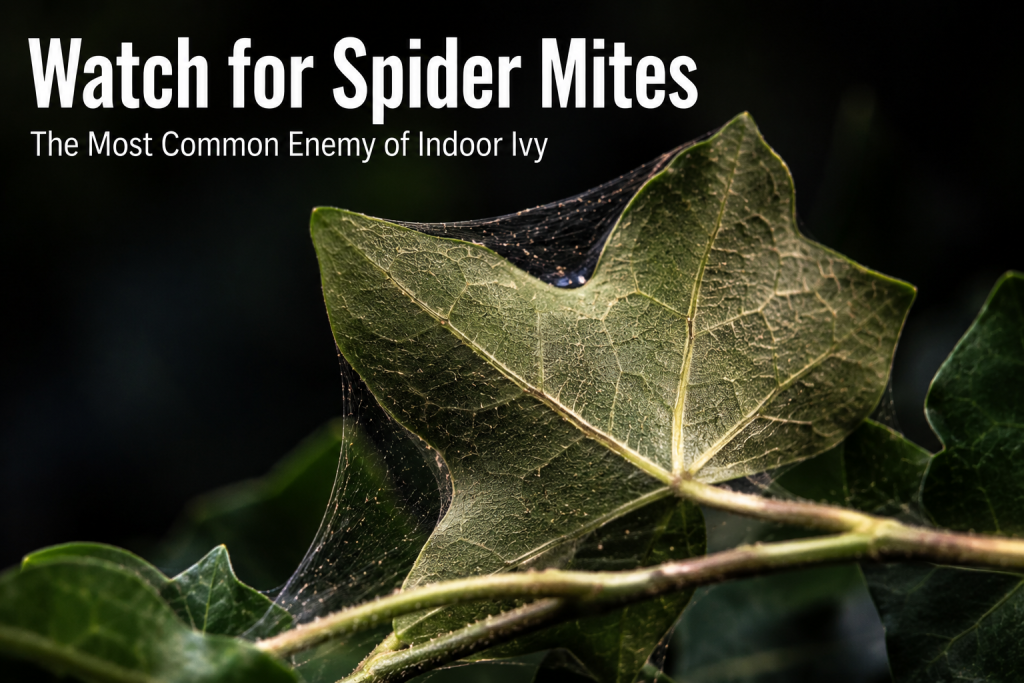
Spider mites are by far the most common and damaging pest that affects English ivy indoors, and they thrive in the warm, dry conditions typical of centrally heated homes. Early signs include tiny yellow specks on the leaves, a dull or dusty appearance, and eventually fine webbing between stems and leaves.
Preventing spider mites is largely a matter of maintaining adequate humidity and keeping the plant in cooler conditions where mites struggle to reproduce rapidly. Regularly checking the undersides of leaves for early signs of infestation and treating promptly with insecticidal soap or neem oil is essential.
Common Problems
Spider mites. The most common indoor ivy problem. Treat with insecticidal soap or neem oil and increase humidity to discourage reinfestation.
Yellowing leaves. Usually caused by overwatering or poor drainage. Check your watering routine and ensure the pot drains properly.
Brown, crispy leaf edges. Caused by low humidity, dry air from heating systems, or underwatering. Increase humidity and check watering consistency.
Leggy, sparse growth. Caused by insufficient light. Move the plant to a brighter location and prune back leggy stems to encourage compact regrowth.
Loss of variegation. Variegated varieties revert toward more solid green in low light. Move to a brighter spot to encourage variegated new growth.
Is English Ivy Toxic to Pets?
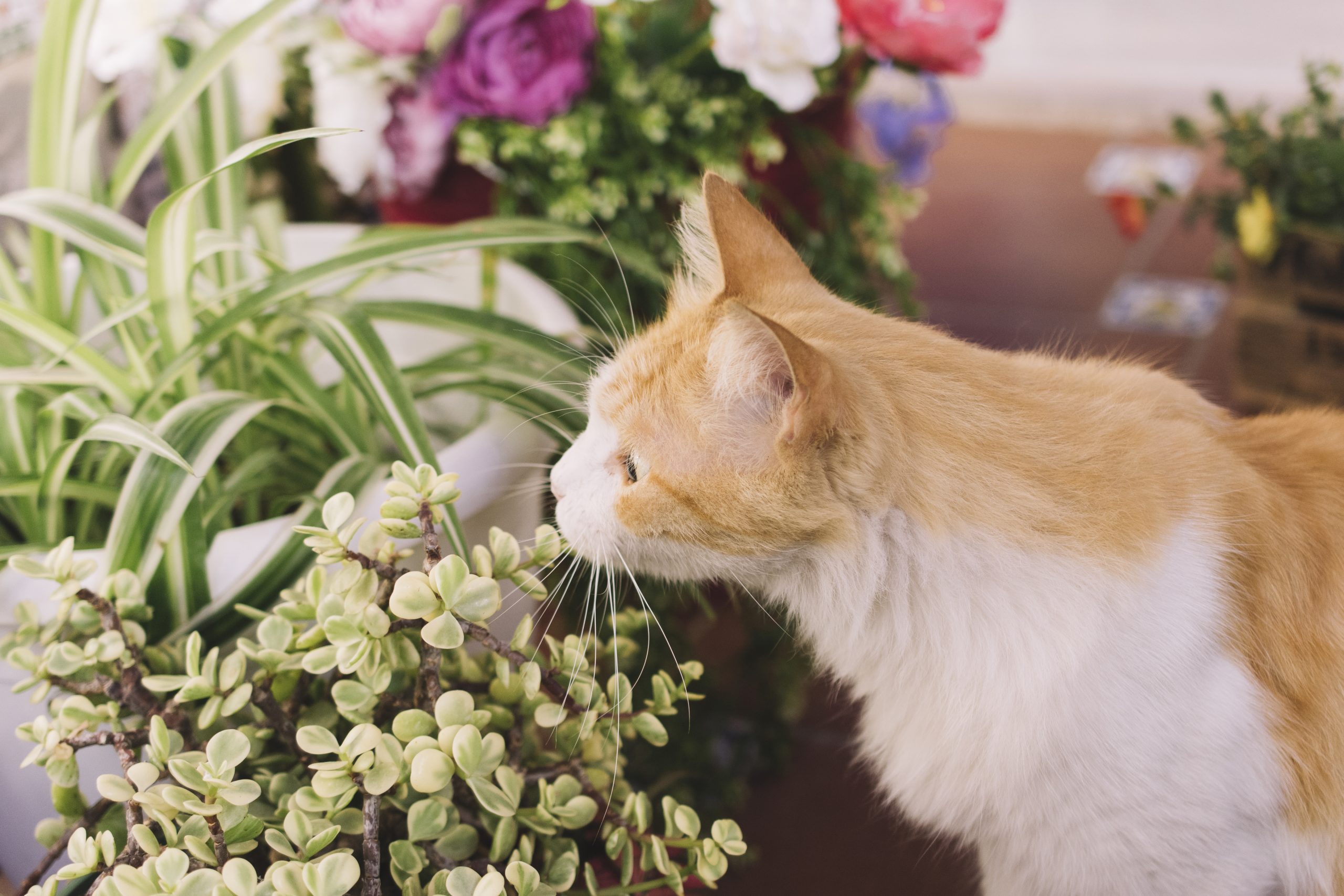
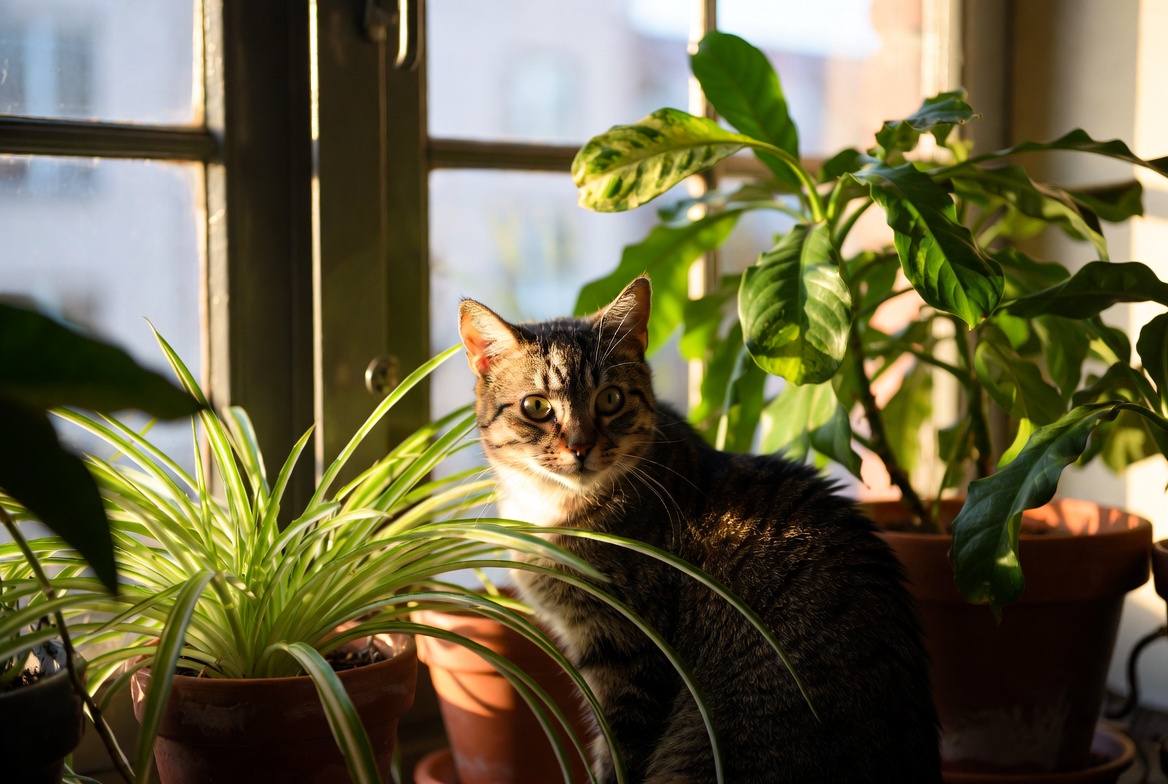
Yes, English ivy is toxic to cats and dogs. Ingestion can cause vomiting, diarrhea, drooling, and abdominal pain. The leaves and berries both contain toxic compounds. Keep English ivy out of reach of pets and children.
English Ivy as an Air Purifying Plant
English ivy has been studied for its potential to help filter indoor air pollutants including formaldehyde and benzene. While the effect in a typical home is modest and should not be overstated, having several healthy plants throughout a home is a low-effort contribution to a fresher indoor environment alongside normal ventilation.
Conclusion
Growing English ivy indoors is one of the most accessible and rewarding plant care experiences available, particularly for those who want a classic, elegant trailing plant that tolerates a range of conditions. Cool temperatures, moderate indirect light, careful watering that avoids soggy soil, adequate humidity to prevent spider mites, and regular pruning to maintain a full, bushy shape are the foundations of keeping English ivy healthy and attractive indoors for years.
Frequently Asked Questions
Can English ivy grow indoors?
Yes, English ivy grows well indoors and is one of the more adaptable trailing plants for indoor growing. It tolerates a range of light conditions from bright indirect light down to medium light, and its trailing growth habit makes it ideal for hanging baskets and shelves.
Why is my English ivy getting spider mites?
Spider mites thrive in warm, dry conditions and are the most common pest problem with indoor ivy. Increase humidity around the plant, keep it in a cooler location if possible, and treat existing infestations with insecticidal soap or neem oil.
How often should I water English ivy indoors?
Water when the top inch of soil feels dry, typically every seven to ten days in warmer months. Reduce watering in winter when growth slows. Always allow excess to drain completely.
Is English ivy toxic to cats?
Yes, English ivy is toxic to cats and dogs. Keep it out of reach of pets that chew on plants.
Does English ivy need direct sunlight?
No, English ivy prefers bright to medium indirect light and can be damaged by direct intense sunlight. It is one of the more tolerant indoor plants for lower light conditions.