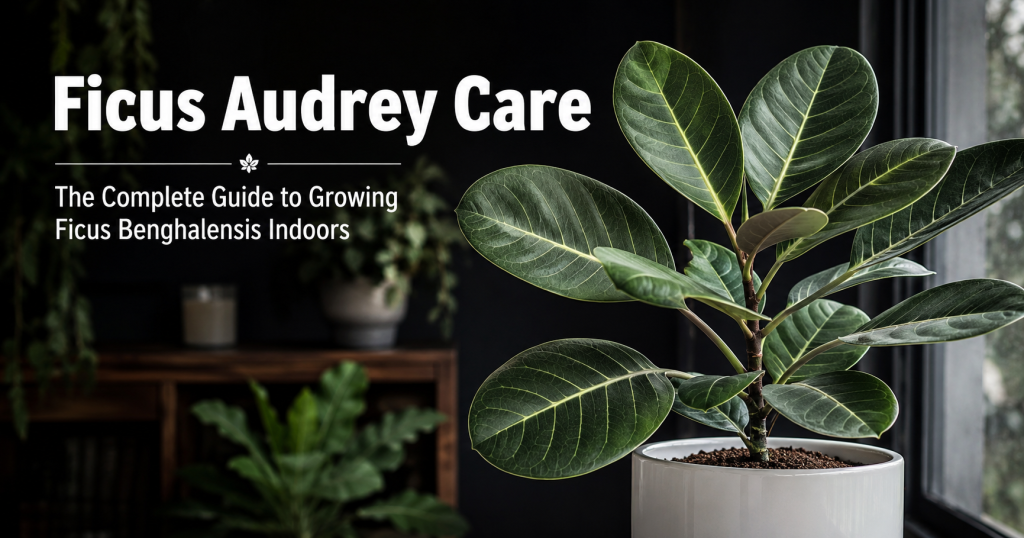
If you have been looking for a statement tree that brings the same bold, architectural presence as the fiddle leaf fig but with a more forgiving temperament, Ficus Audrey might be exactly what you need. With its large, velvety leaves and striking upright growth habit, it has become one of the most sought-after indoor trees in recent years, and for good reason. Ficus audrey care is more forgiving than its famous cousin, making it a better choice for plant owners who want drama without the drama. Here is everything you need to know.
What Is Ficus Audrey?
Ficus audrey (Ficus benghalensis) is a species of fig tree native to the Indian subcontinent, where it is known as the banyan tree and holds deep cultural and religious significance. In the wild, banyan trees are among the largest trees on earth, sending down aerial roots that develop into additional trunks and spreading outward to cover enormous areas.
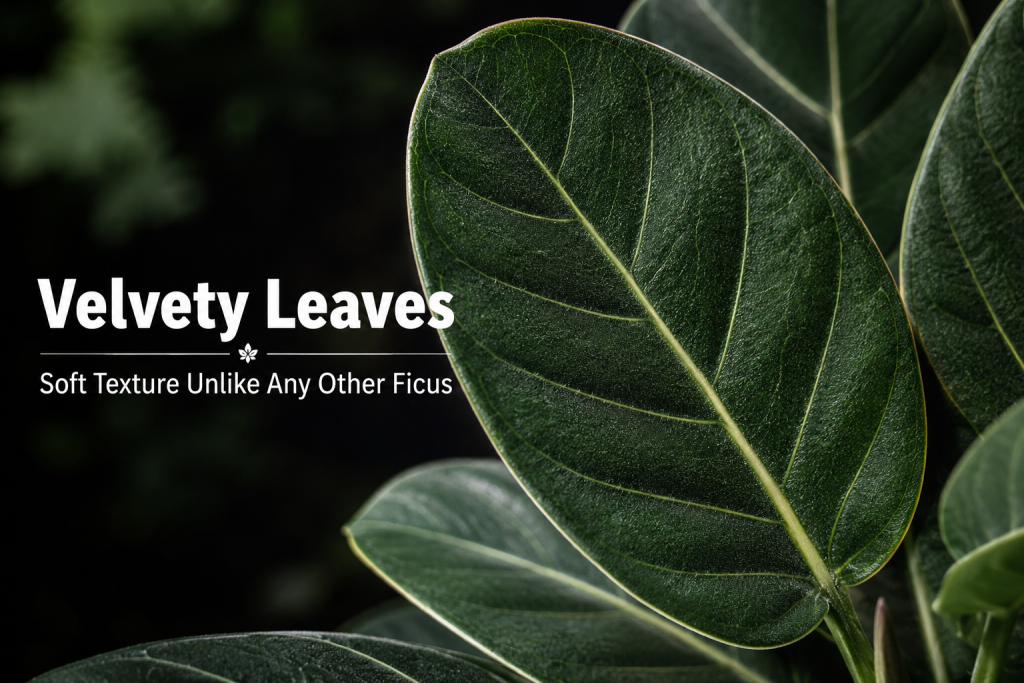
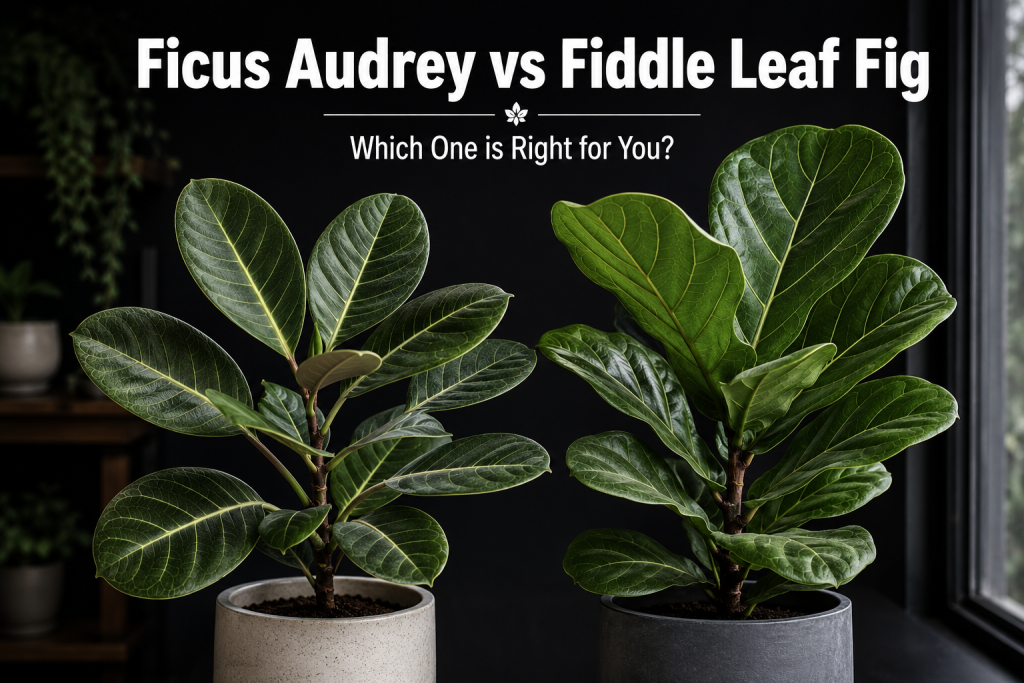
As an indoor plant, ficus audrey stays much more manageable but brings the same bold, tropical energy to interior spaces. The leaves are large, oval, and covered in a soft, velvety texture that gives them a distinctive matte appearance quite different from the glossy leaves of most ficus species. The leaf color is a rich, deep green with prominent pale veining that adds to its visual appeal.
Compared to the fiddle leaf fig (Ficus lyrata), ficus audrey is generally considered easier to care for and less prone to the dramatic leaf dropping that makes fiddle leaf figs notoriously temperamental.
Light Requirements
Ficus audrey thrives in bright, indirect light. It needs good light to maintain its lush, dense foliage and grow steadily, but direct intense sunlight can bleach and scorch the large leaves.
A spot near a south or east-facing window with bright, filtered light is ideal. If your window gets direct afternoon sun, placing the plant a few feet back from the glass or using a sheer curtain to filter the intensity will protect the leaves while still providing adequate brightness.
In lower light conditions, ficus audrey grows more slowly and may drop some leaves over time. It is more tolerant of moderate light than fiddle-leaf figs but still performs best with consistent, bright indirect light.
One important point: Ficus Audrey does not like being moved frequently. Choose a spot with good light and leave the plant there. Frequent relocation is one of the most common causes of leaf drop in this species.
Watering
Consistent watering is important for ficus audrey care, but overwatering is the most common mistake. Allow the top two inches of soil to dry out between waterings, then water thoroughly and allow excess to drain completely through the drainage holes.
Never let ficus audrey sit in standing water, since waterlogged roots develop root rot quickly. At the same time, do not allow the soil to dry out completely for extended periods, since severe drought stress also causes leaf drop.
The best approach is to check the soil regularly with your finger and water when the top two inches feel dry. In bright light and warmer months, this typically means watering every seven to ten days. In winter or lower light conditions, watering frequency should decrease significantly.
Humidity
Ficus audrey appreciates moderate to good humidity and is native to tropical environments where humidity is consistently high. In dry indoor air, particularly during winter heating season, the leaf edges may develop browning.
Aim for humidity above 40% for comfortable growth and closer to 50-60% for the best results. Practical options include a pebble tray with water beneath the pot, grouping with other tropical plants, or a small humidifier nearby.
Ficus audrey is more tolerant of average household humidity than many tropical plants, which makes it more practical for typical indoor environments than some of its more demanding relatives.
Temperature
Ficus Audrey prefers temperatures between 60 and 80°F (15 and 27°C) and is sensitive to cold drafts, sudden temperature changes, and temperatures below 55°F (13°C). Keep it away from exterior doors, drafty windows, and air conditioning vents.
Cold drafts are one of the most common triggers for leaf drop in Ficus Audrey. If your plant starts dropping leaves suddenly without any change in watering or light, check whether it has been exposed to cold air from a nearby source.
Soil and Potting
A well-draining potting mix is essential for ficus audrey. A standard indoor potting mix combined with perlite works well, providing good drainage while retaining enough moisture for the plant’s needs. Avoid dense, heavy mixes that stay wet for extended periods.
Choose a pot with drainage holes and repot every two to three years in spring when the plant has outgrown its container. Ficus audrey generally prefers to be slightly root-bound rather than planted in a pot much larger than its root system, so move up only one pot size at a time.
Fertilizing
Feed ficus audrey with a balanced liquid fertilizer once a month during spring and summer. The plant is a moderate feeder and benefits from regular nutrition during its active growing season to support its large leaf production.
Stop fertilizing in autumn and winter when growth naturally slows. Over-fertilizing can cause salt buildup in the soil that damages roots and contributes to leaf problems.
Cleaning the Leaves
The large, velvety leaves of ficus audrey collect dust over time, which reduces the plant’s ability to photosynthesize efficiently and dulls the appearance of the foliage. Wiping the leaves gently with a damp, soft cloth every few weeks keeps them clean and helps the plant make the most of available light.
Avoid using leaf shine products on ficus audrey, since these can clog the leaf pores and damage the velvety surface texture.
Common Problems
Leaf drop. The most common complaint with Ficus Audrey is usually triggered by one of several factors: being moved to a new location, cold drafts, sudden temperature changes, overwatering, or underwatering. Identify which factor applies and address it. Some leaf drop when first brought home is normal as the plant adjusts to its new environment.
Yellow leaves. Often caused by overwatering or poor drainage. Check that the soil is drying out appropriately between waterings and that the pot drains freely.
Brown leaf edges. Usually caused by low humidity, dry air from heating systems, or inconsistent watering. Increase humidity and maintain more consistent watering.
Slow growth. Typically caused by insufficient light or a lack of fertilizer during the growing season. Move the plant to a brighter spot and start a regular feeding schedule.
Pests. Scale insects, spider mites, and mealybugs can occasionally affect ficus audrey. Check the undersides of leaves regularly and treat with insecticidal soap or neem oil at the first sign of infestation.
Ficus Audrey vs. Fiddle-Leaf Fig: Which Is Better for Indoors?
This is one of the most common questions for anyone considering either plant. Both are striking, large-leaved indoor trees, but they have important differences.
Ficus audrey is generally considered more forgiving and easier to care for. It is less prone to dramatic leaf drop from minor environmental changes, more tolerant of being moved, and adapts more readily to a range of indoor conditions.
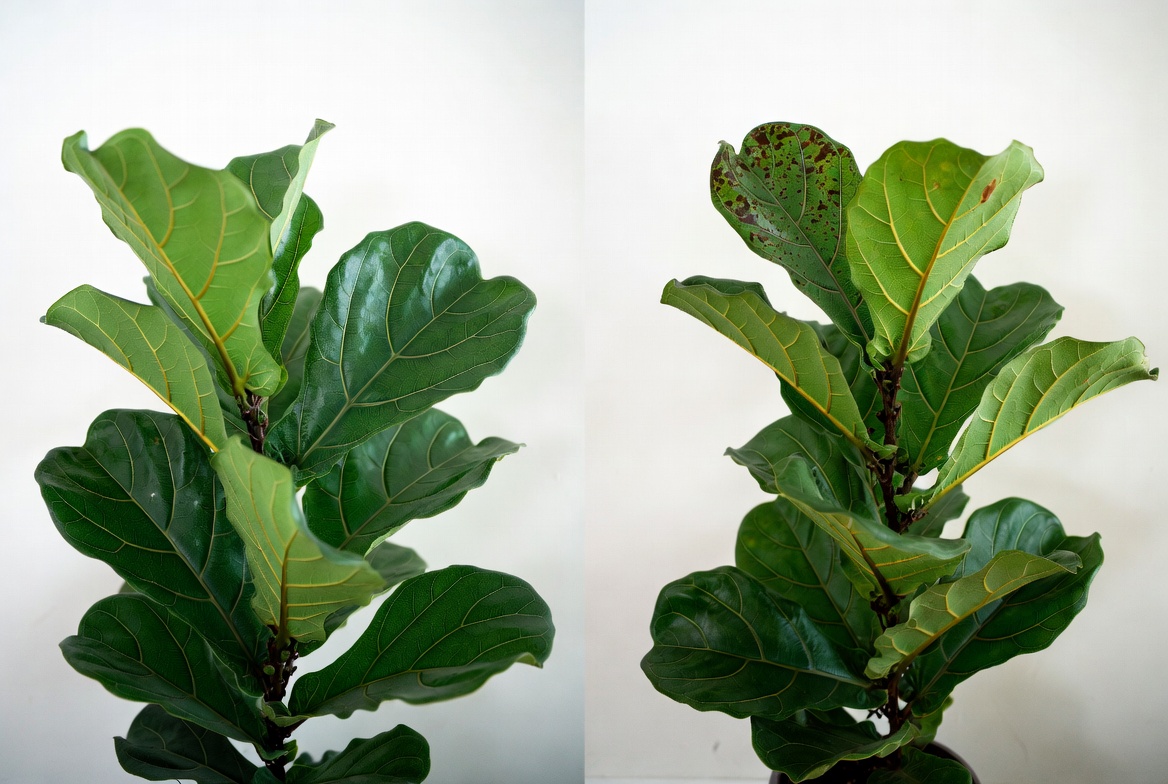
Fiddle-leaf figs have more dramatic, distinctive foliage with their large, violin-shaped leaves, but they are notoriously sensitive to changes in environment, overwatering, and drafts, making them a more challenging plant to keep looking its best.
For most indoor plant owners, ficus audrey is the better practical choice. For those who want the most dramatic possible statement and are willing to be patient with a fussier plant, fiddle leaf fig remains a classic option.
Propagation
Ficus audrey can be propagated from stem cuttings, though it is slower to root than some other houseplants. Take a cutting with two or three leaves and at least one node, allow the cut end to dry for an hour, and then place it in water or moist potting mix. Keep the cutting warm and in bright, indirect light. Roots typically develop over four to eight weeks.
Air layering is another effective propagation method for ficus audrey and tends to produce more reliable results than stem cuttings alone.
Conclusion
Ficus audrey care rewards consistent attention with one of the most impressive indoor tree displays available. Bright indirect light, careful watering that avoids both extremes, moderate humidity, and protection from cold drafts and frequent relocation are the pillars of keeping this plant healthy and stunning. If you have been put off indoor trees by the fiddle leaf fig’s reputation for difficulty, ficus audrey is the ideal alternative that delivers comparable visual impact with considerably less drama.
If you are still weighing up the classic option, our fiddle leaf fig care tips can help you decide. If you notice marks on the leaves, our guide to fiddle leaf fig spots explains the common causes. You can also read our creeping fig growing guide for a very different type of fig.
Frequently Asked Questions
Is the Ficus Audrey easier than the fiddle-leaf fig?
Yes, ficus audrey is generally considered easier to care for than fiddle leaf fig. It is more tolerant of environmental changes, less prone to dramatic leaf drop, and adapts more readily to typical indoor conditions.
Why is my Ficus Audrey dropping leaves?
Leaf drop is most commonly caused by being moved to a new location, cold drafts, sudden temperature changes, overwatering, or underwatering. Some initial leaf drop when first brought home is normal as the plant adjusts to its new environment.
How often should I water a Ficus Audrey?
Water when the top two inches of soil feel dry, typically every seven to ten days in warmer months. Reduce watering frequency in winter when growth slows. Always water thoroughly and allow excess to drain completely.
Can Ficus Audrey tolerate low light?
It tolerates moderate light better than fiddle leaf figs but still performs best in bright indirect light. In low light, growth slows and the plant may drop leaves over time.
Is Ficus Audrey toxic to pets?
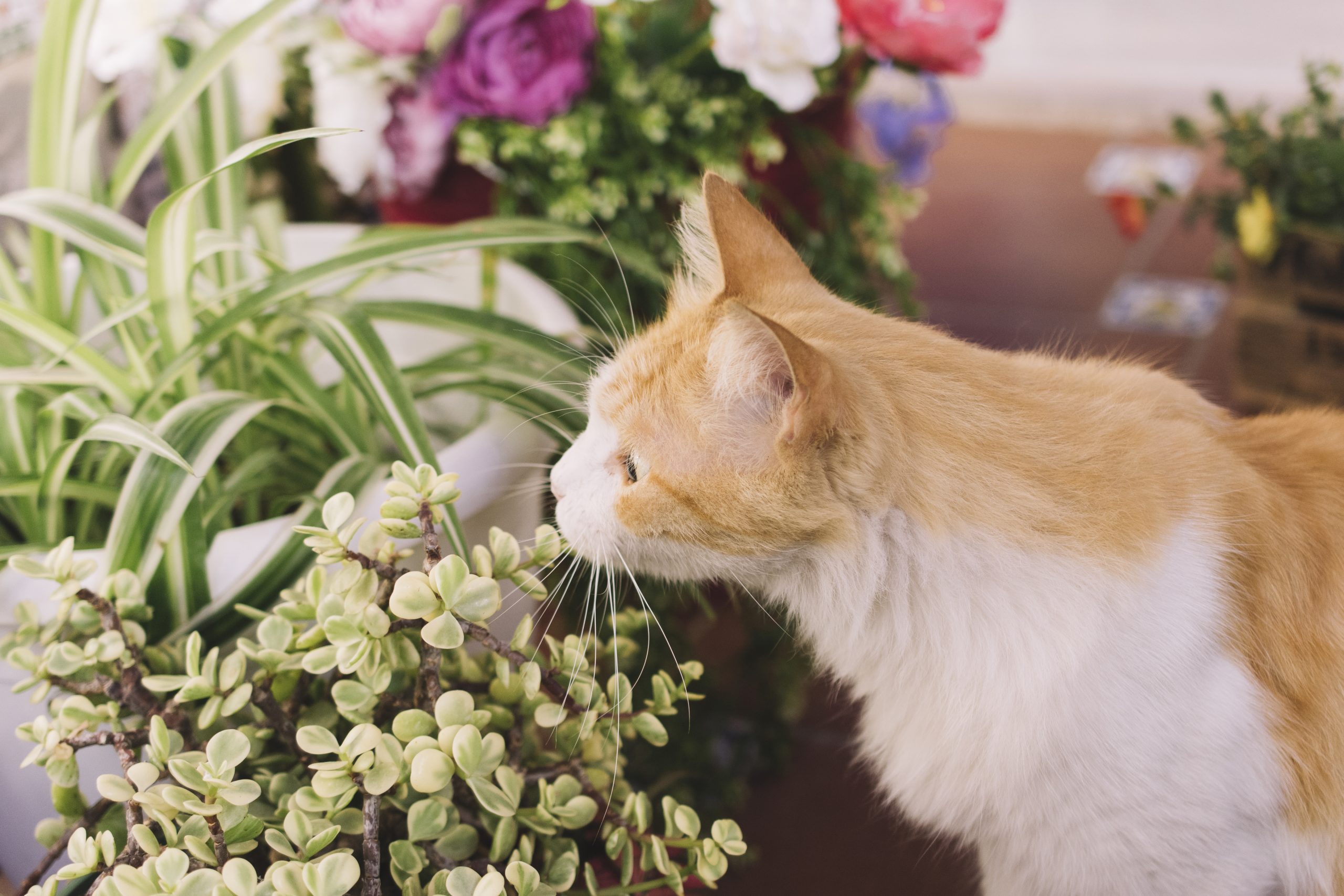
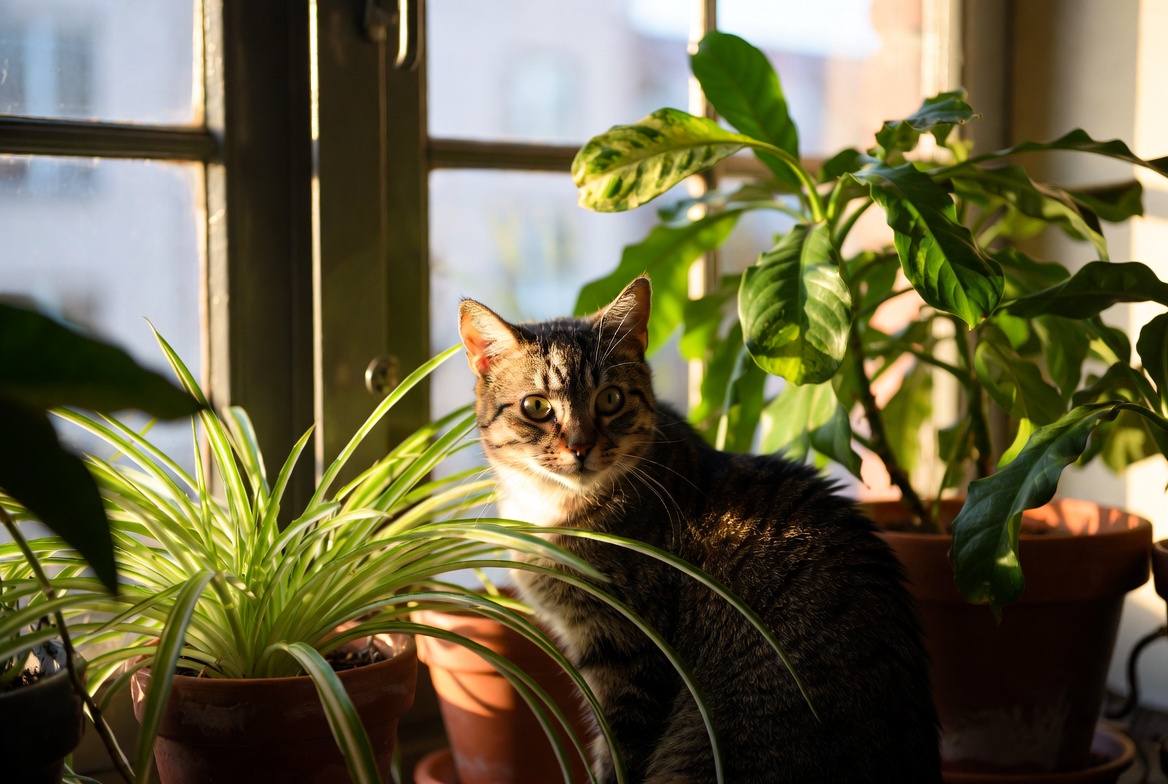
Yes, ficus audrey is toxic to cats and dogs. The milky sap can cause skin irritation and gastrointestinal upset if ingested. Keep it out of reach of pets that are prone to chewing on plants.