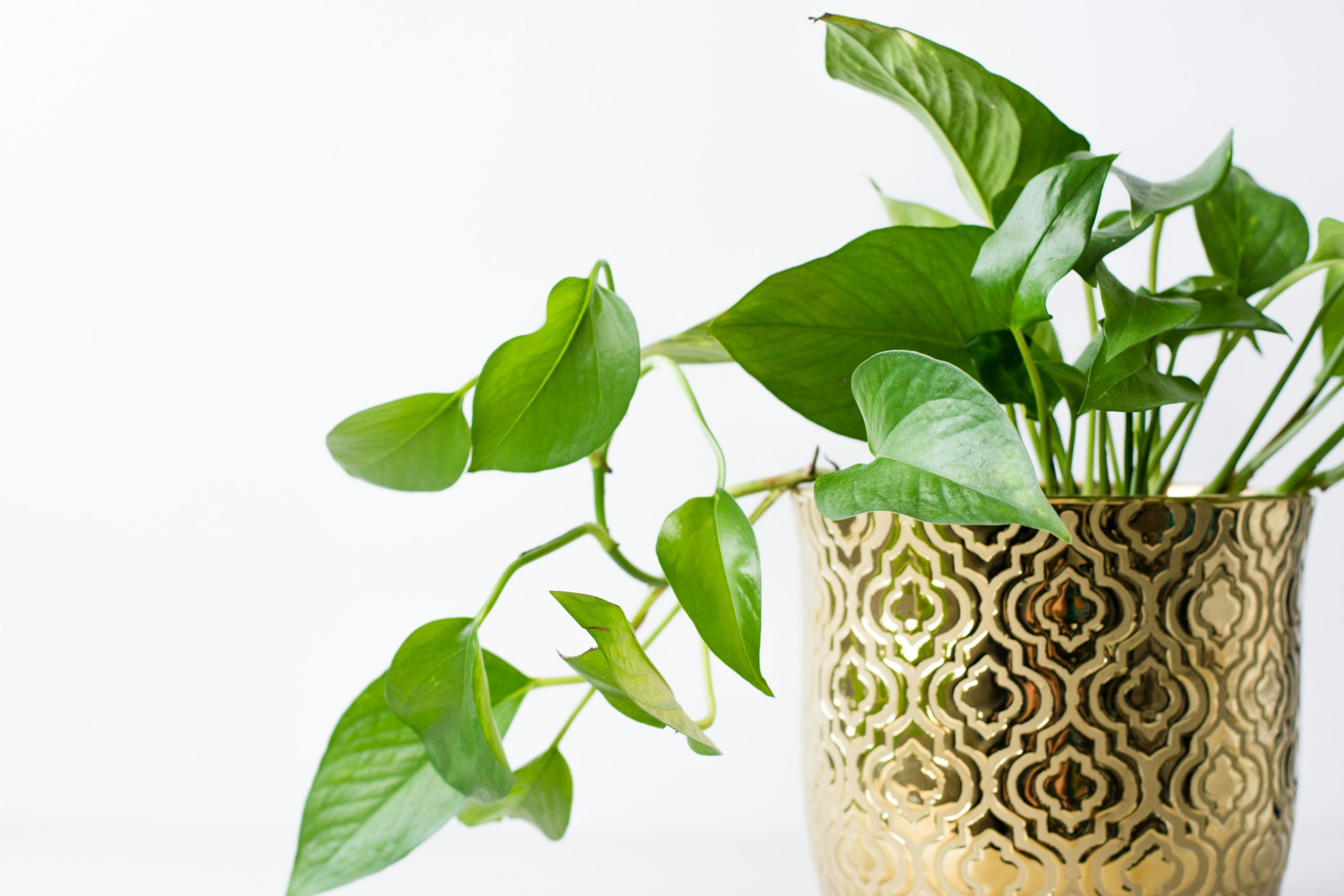
Understanding creeping fig care and disadvantages is essential before introducing this fast-growing evergreen vine (Ficus pumila) to your home decor. Renowned for its small, heart-shaped leaves and aggressive climbing habit, creeping fig can transform bare indoor walls, moss poles, or topiary frames into lush green displays. However, its powerful aerial roots and rapid growth rate present distinct maintenance challenges for indoor gardeners.
A comprehensive look at creeping fig care and disadvantages reveals that while the plant is adaptable and visually striking, its adhesive tendrils can damage indoor paint, drywall, and woodwork. By balancing proper pruning, moisture control, and strategic container placement, you can enjoy its trailing beauty without risking structural damage to your living space.
Technical Specifications: Growth & Care Parameters
| Care Factor | Optimal Indoor Standard | Common Risk / Disadvantage |
| Light Requirement | Medium to bright indirect light | Direct sun scorches thin juvenile foliage |
| Watering Schedule | Consistently moist; dry top inch between waterings | Drought causes sudden leaf drop and crisping. |
| Growth Habit | Climbing or trailing vine via aerial rootlets | Aerial roots strip paint and mark drywall surfaces. |
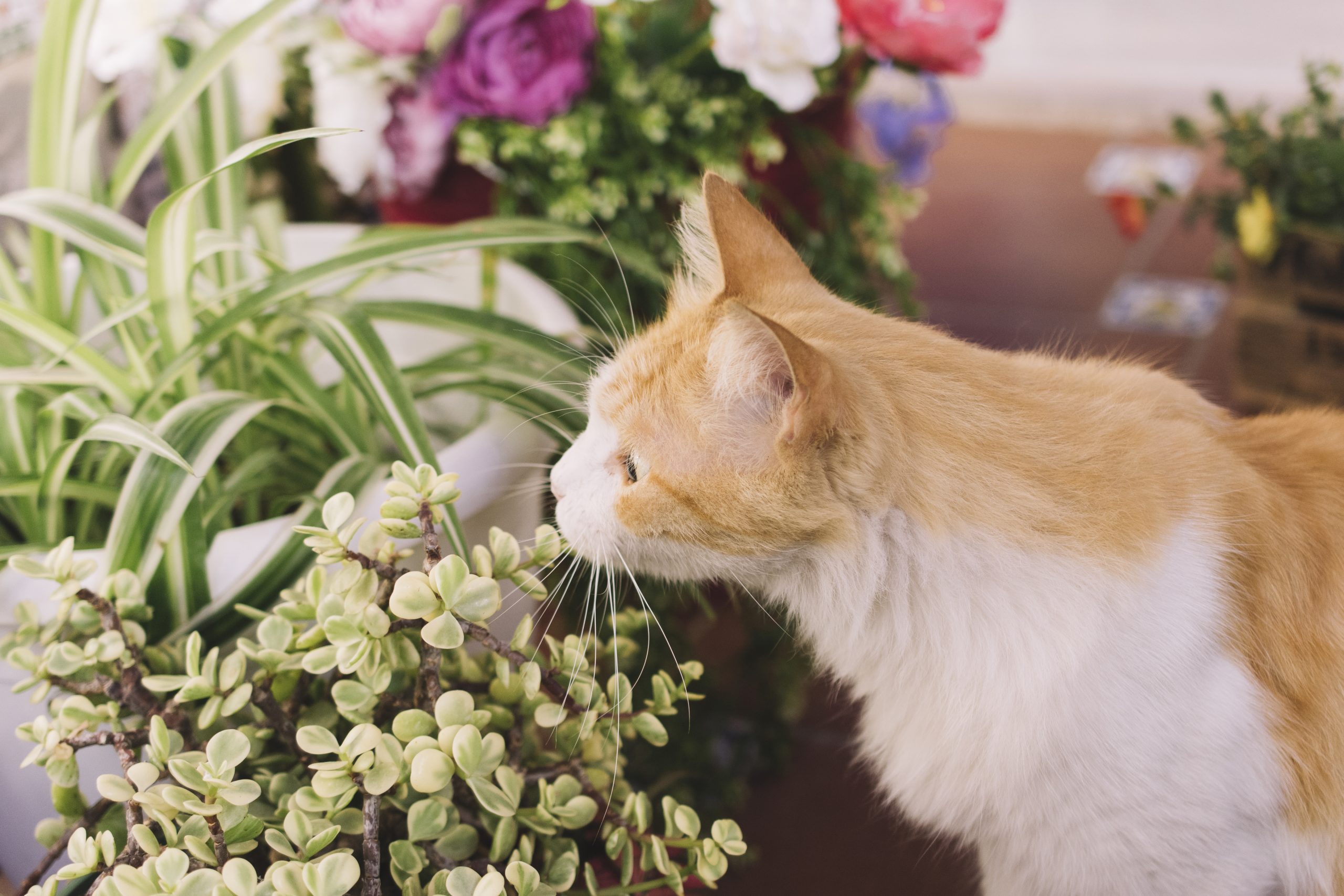
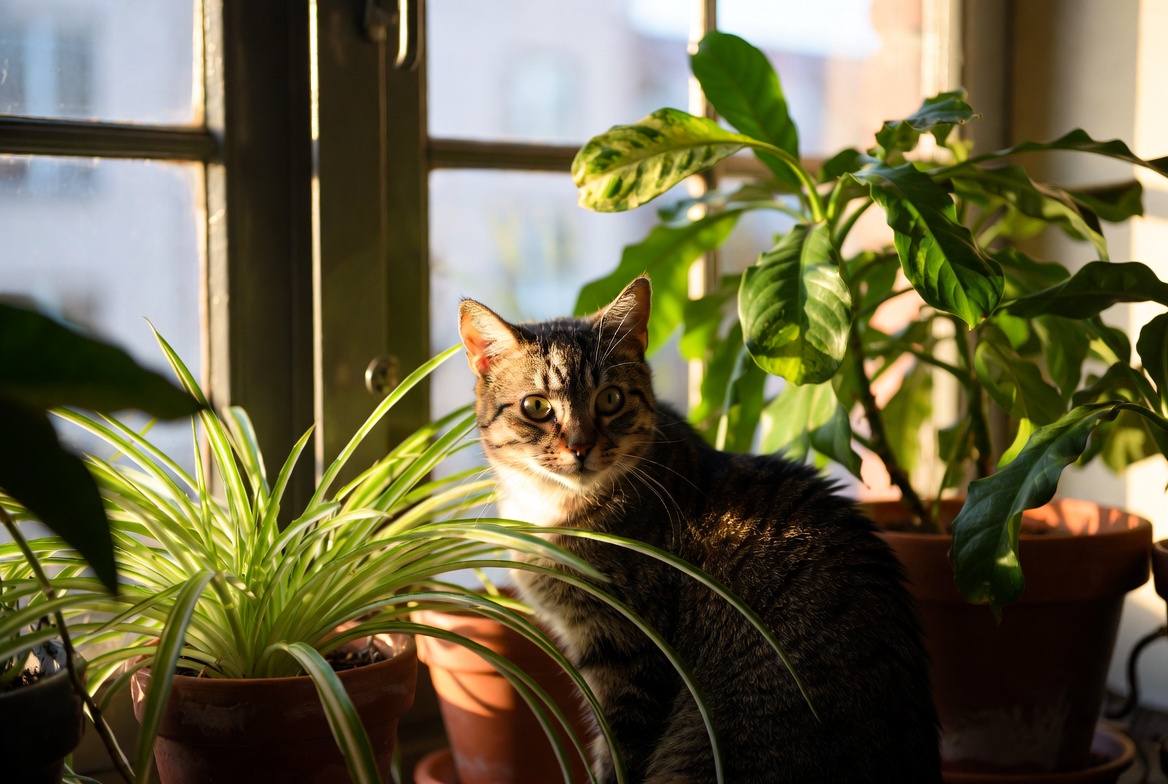
| Toxicity Level | Mildly toxic to pets (contains sap irritants) | Sap can cause contact dermatitis or pet oral irritation. |
| Pruning Frequency | Monthly trimming during active spring/summer growth | Unpruned vines quickly choke nearby houseplants. |
The Biggest Disadvantages of Growing Creeping Fig Indoors
While Ficus pumila offers a dense, charming tapestry of green foliage, prospective growers must weigh its invasive tendencies indoors.
1. Wall and Drywall Damage
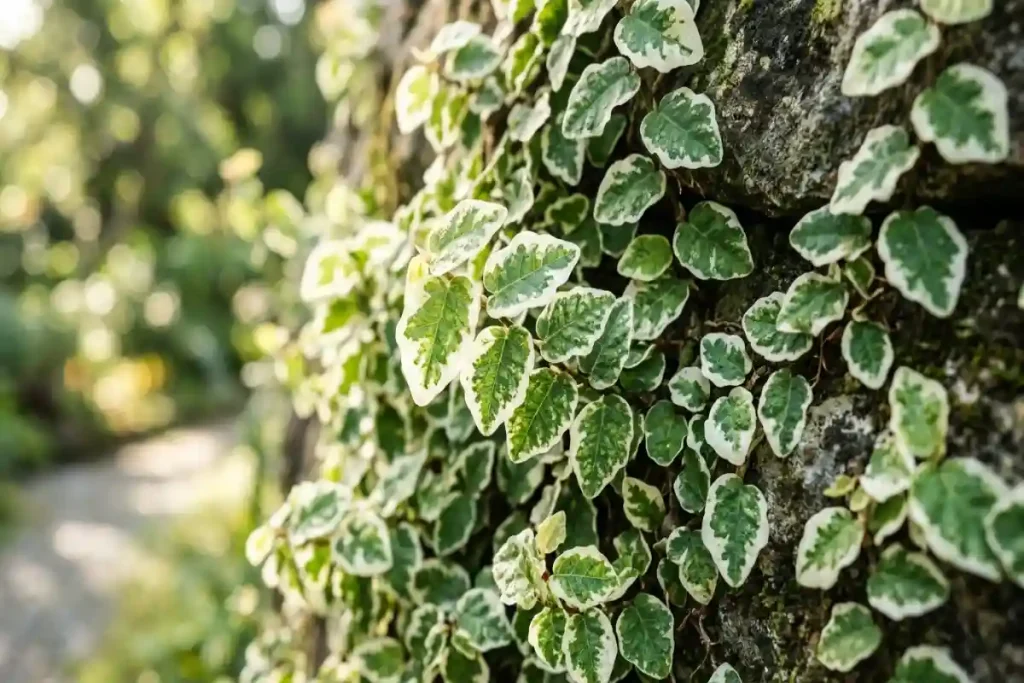
The creeping fig climbs by secreting a strong adhesive sticky compound through its aerial rootlets. If allowed to scale interior drywall, painted surfaces, or wooden trim, pulling the vines away will tear off paint, leave dark adhesive residue, or crack plasterwork.
2. High Moisture Requirements
Unlike hardy succulents or drought-tolerant vines, creeping fig has thin, delicate leaves that dry out rapidly. If the soil dries out completely even once, the plant often drops large quantities of brown, crispy foliage that rarely recovers on the affected vine.
3. Rapid and Invasive Growth
In warm indoor environments, creeping fig grows aggressively. Without regular trimming, vines will creep across surrounding furniture, enter window crevices, or attach to nearby tropical foliage, requiring constant vigilance to maintain boundaries.
Complete Creeping Fig Care Guide
Light Requirements
Creeping fig thrives best in bright, indirect light near east- or west-facing windows. While it can adapt to lower light levels, its growth will slow down, and variegated varieties like Ficus pumila ‘Variegata’ may lose their distinct creamy-white patterns. Avoid placing the foliage in harsh, direct midday sunlight, which quickly burns thin juvenile leaves.
Watering & Soil Management
Maintaining consistent soil moisture is crucial. Water your plant thoroughly whenever the top inch of potting soil feels dry to the touch. Ensure the pot has adequate drainage holes so roots never sit in standing water.
If overwatering occurs and you notice soft, decaying tissue near the base of your plants, refer to our diagnostic rescue guide on why my indoor plant stem is mushy to prevent root rot spread.
Use a light, airy potting mix composed of 70% indoor peat or coco coir and 30% perlite to ensure rapid drainage while holding necessary moisture.
Temperature & Atmospheric Humidity
Keep ambient room temperatures between 65°F and 80°F (18°C to 27°C). Protect your plant from cold winter drafts and heating vents. Higher humidity levels (above 50%) encourage lush, vibrant leaf growth. Place a small humidifier nearby or group the plant with other tropical foliage to boost moisture levels.
If dry indoor air causes leaf tissue breakdown or tip burn on your tropical foliage, review our guide on transparent spots on plant leaves.
Pruning & Growth Control
Regular pruning is the single most important maintenance step for indoor creeping fig. Snip back runaway tendrils monthly using sharp, sterile shears to maintain a compact shape and prevent aerial roots from attaching to home walls.
If improper environmental conditions or pest stress cause foliage deformation on nearby indoor plants, check our guide on why my indoor plant leaves are curling to correct structural growth issues.
Managing Pest Concerns
Damp potting soil and dense foliage can occasionally attract indoor pests like spider mites, scale, or fungus gnats. Inspect the undersides of leaves regularly for webbing or small moving specks.
If moisture retention in your pots begins attracting flying insects, learn how to get rid of fungus gnats permanently using safe biological controls.
Safe Indoor Display Ideas (Protecting Your Walls)
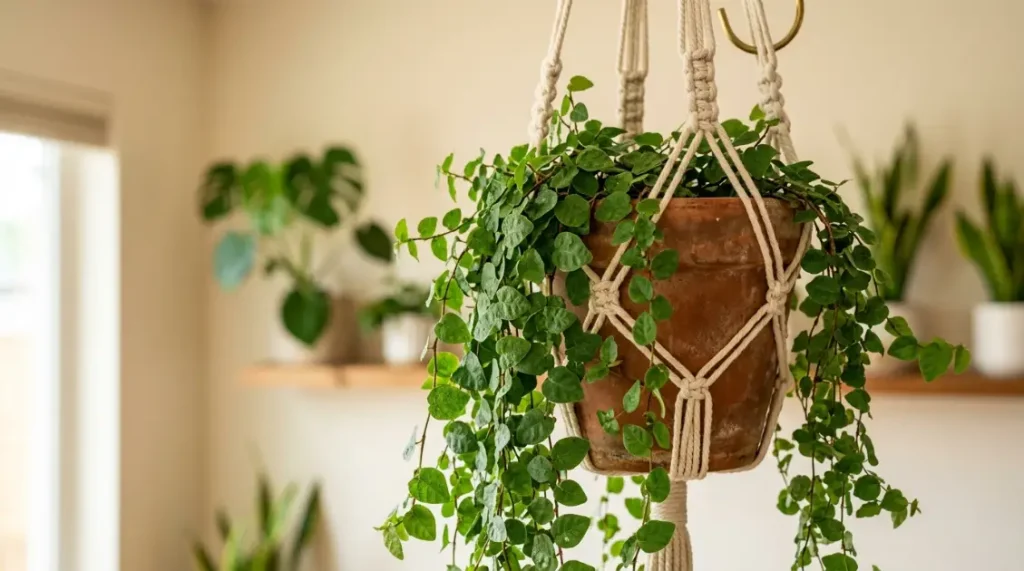
- Hanging Baskets: Allow vines to cascade downward freely into empty air space where aerial roots cannot contact walls.
- Trellises & Moss Poles: Train the vine upward onto a self-contained wooden trellis or wire frame inserted directly into the pot.
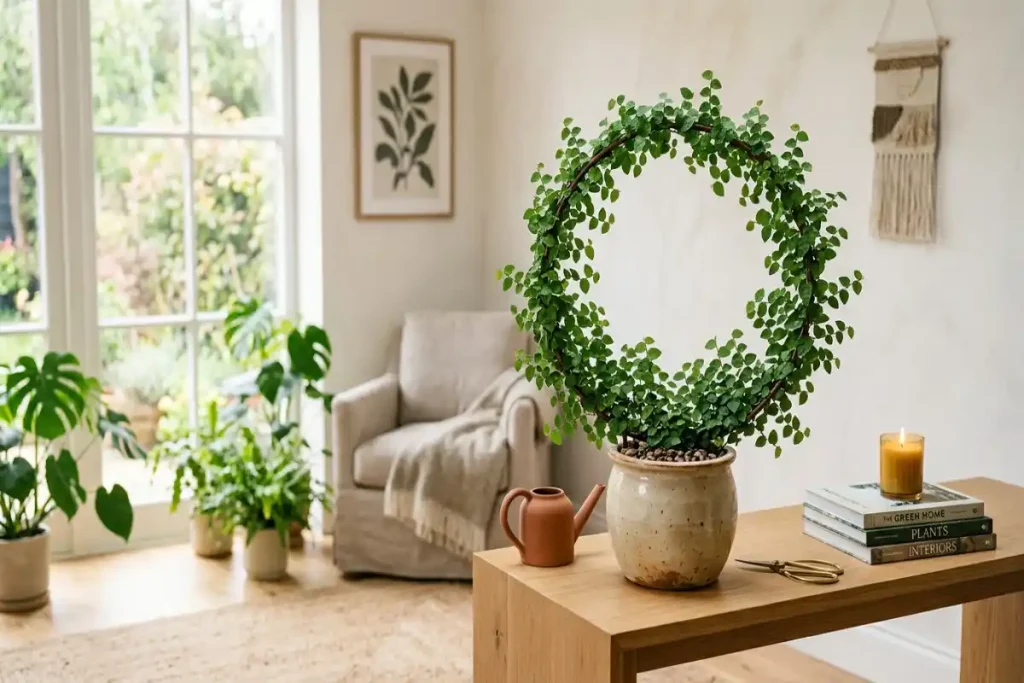
- Topiary Frames: Wrap young vines around metal hoop or sphere topiaries for a controlled, elegant accent piece on tables.
Creeping Fig Troubleshooting Checklist
| Problem / Symptom | Probable Cause | Actionable Solution |
| Crispy brown leaves falling off | Soil dried out completely. | Soak the pot thoroughly; keep the soil consistently damp. |
| Leaves losing variegation | Light levels are too low. | Move closer to a bright, indirect light source |
| Vines sticking to wall plaster | Aerial roots attaching | Gently detach vines; install a self-contained trellis. |
| Yellowing lower leaves | Overwatering or poor drainage | Allow the top inch to dry; check drainage holes. |
Final Thoughts
Evaluating creeping fig care and disadvantages allows you to enjoy this versatile vine while protecting your living environment. By keeping the plant in hanging baskets or on wooden trellises, pruning regularly, and providing consistent moisture and indirect light, you can cultivate a beautiful, lush green display without risking wall or paint damage.
Frequently Asked Questions
1. Does creeping fig ruin indoor painted walls?
Yes. Creeping fig produces strong aerial roots with sticky adhesive discs that attach firmly to surfaces. Pulling mature vines off painted drywall or wood trim will strip paint and leave difficult adhesive marks.
2. Is creeping fig toxic to pets?
Yes. Ficus pumila contains milky sap (latex) that can cause skin irritation or gastrointestinal distress in cats and dogs if chewed. Keep hanging planters well out of reach of household pets.
3. How fast does indoor creeping fig grow?
Under ideal conditions with warm temperatures and bright indirect light, creeping fig can grow several feet per season. Regular pruning is recommended to control its shape and spread.
4. Why is my creeping fig dropping crisp green leaves?
Sudden leaf drop is almost always caused by soil drying out completely. Creeping fig foliage lacks thick water-storing tissue, making it highly sensitive to underwatering.
5. Can I grow creeping fig in a hanging basket?
Yes! Hanging baskets are one of the best display methods because they allow the vines to trail downward naturally without coming into contact with painted walls or trim.