If you’re looking for a houseplant that brings instant color and energy to a room without demanding much effort, neon pothos is one of the easiest and most rewarding choices available, and neon pothos care is famously simple even for beginners.”
That’s a little clunky, honestly. Here’s a cleaner version that still hits the phrase naturally:
“Neon pothos care is famously simple, which is part of why this houseplant has become a favorite among both beginners and experienced plant collectors. With its electric chartreuse leaves and forgiving nature, it brings instant color and energy to a room without demanding much effort.”
Paste that in as your new opening line, and update the meta description as shown above. That should clear both red errors.
What Is Neon Pothos?
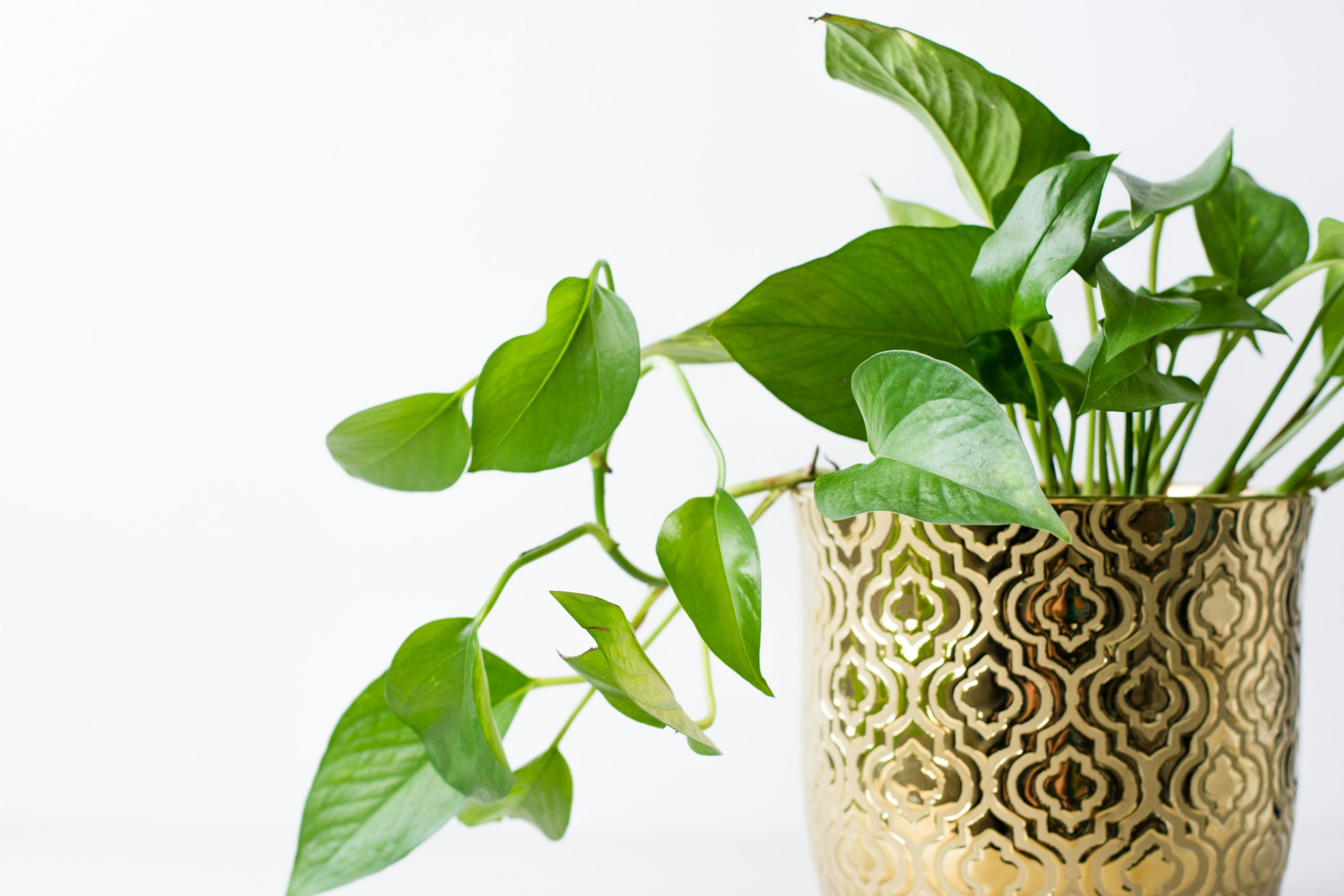
Neon pothos (Epipremnum aureum ‘Neon’) is a cultivar of the classic pothos plant, prized specifically for its vivid, almost glowing chartreuse-yellow leaves. Unlike golden pothos, which has marbled green and yellow variegation, neon pothos leaves are a more uniform, saturated yellow-green color that tends to intensify with brighter light.
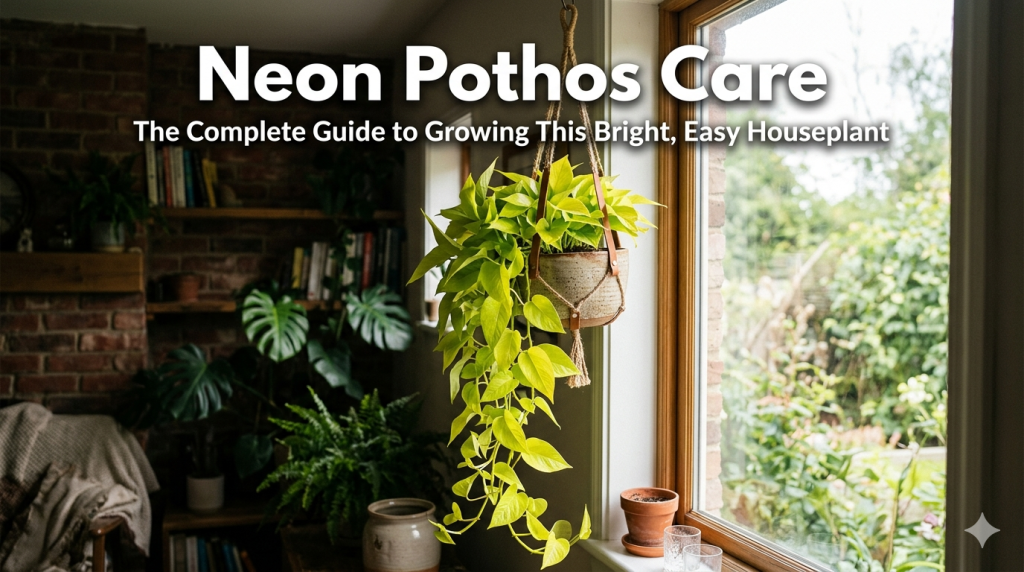
Like other pothos varieties, neon pothos is a trailing vine that can be grown in a hanging basket, trained up a trellis or moss pole, or simply allowed to spill over the edge of a shelf or pot. It’s known for being forgiving of inconsistent care, making it a popular pick for plant parents who want striking color without high-maintenance demands.
Light Requirements
Neon pothos does best in bright, indirect light. This is actually where it differs most from other pothos varieties: while pothos in general tolerates low light reasonably well, neon pothos specifically needs brighter conditions to maintain its signature vivid color. In low light, the leaves tend to fade toward a duller green, losing much of what makes this variety distinctive.
A spot near an east or west-facing window with filtered sunlight is ideal. Avoid direct, intense afternoon sun, which can scorch the leaves, but don’t tuck it too far from a light source either, since color vibrancy depends heavily on adequate brightness.
Watering
Allow the top inch or two of soil to dry out between waterings. Neon pothos, like most pothos varieties, is fairly drought-tolerant and far more forgiving of underwatering than overwatering. Soggy, consistently wet soil is one of the most common causes of root rot in this plant.
Check the soil with your finger before watering rather than following a fixed schedule, since watering needs will shift with light levels, season, and pot size. In brighter light and warmer months, you’ll likely water more frequently than in winter or lower-light conditions.
Soil and Potting
A well-draining potting mix is essential. A standard indoor potting mix combined with perlite works well, ensuring water moves through the soil rather than sitting and causing root issues. Make sure the pot has drainage holes, since pothos varieties are particularly prone to root rot in waterlogged conditions.
Repot every one to two years, or when you notice roots circling tightly at the bottom of the pot. Neon pothos isn’t especially fussy about pot size and tends to grow well even slightly root-bound, so there’s no need to rush repotting unless growth has clearly slowed or roots are visibly crowded.
Humidity and Temperature
Neon pothos tolerates average household humidity just fine and doesn’t require any special humidity setup. It prefers temperatures between 65 and 85°F (18 and 29°C) and should be kept away from cold drafts, air conditioning vents, or sudden temperature swings, which can stress the plant and cause leaf drop.
Fertilizing
Feed with a balanced liquid houseplant fertilizer once a month during spring and summer, when growth is most active. Reduce or stop fertilizing in fall and winter, since the plant’s growth naturally slows and excess fertilizer during dormancy can lead to salt buildup in the soil rather than benefiting the plant.
Pruning and Propagation
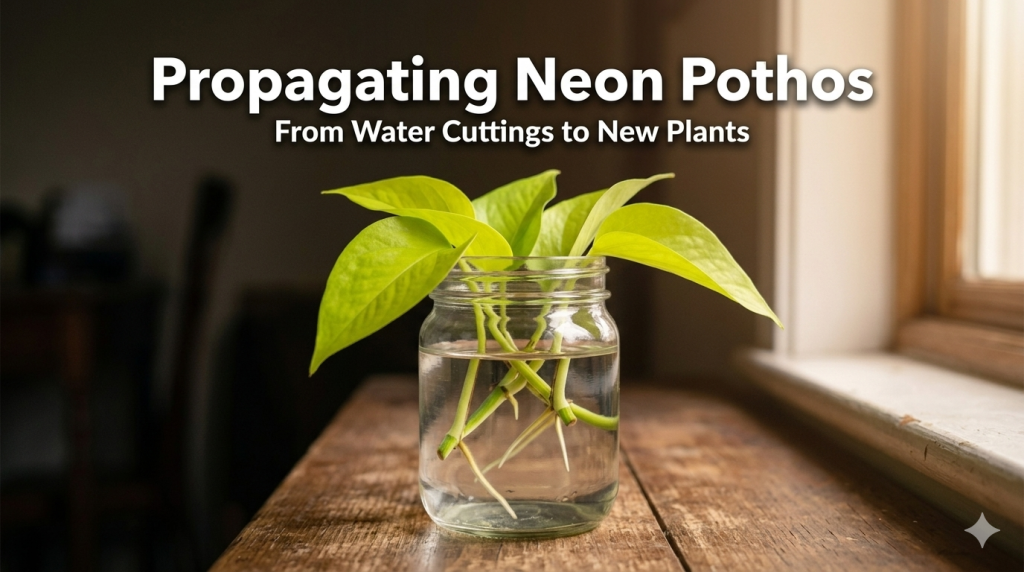
Regular pruning helps keep the neon pothos full and bushy rather than long and sparse. Trim back leggy vines periodically, and use the cuttings to propagate new plants; simply place stem cuttings with at least one node in water or moist soil, and roots will typically develop within a few weeks.
Propagation is one of the easiest aspects of growing neon pothos, making it simple to fill out an existing pot, start new plants for other rooms, or share cuttings with friends.

Common Problems
Fading color. If your neon pothos starts looking more green than yellow, it’s almost always a sign of insufficient light. Move it to a brighter spot to help restore the vivid color.
Yellowing leaves. While some yellowing is normal as older leaves naturally die back, widespread yellowing often points to overwatering. Check that the soil is drying out properly between waterings and that the pot drains well.
Brown leaf tips. Usually caused by low humidity, inconsistent watering, or a buildup of fertilizer salts in the soil. Flushing the soil occasionally with plain water can help if fertilizer buildup is suspected.
Leggy, sparse growth. This typically means the plant isn’t getting enough light to support full, bushy growth. Increasing light and pruning back leggy vines will encourage fuller growth over time.
Is Neon Pothos Toxic to Pets?
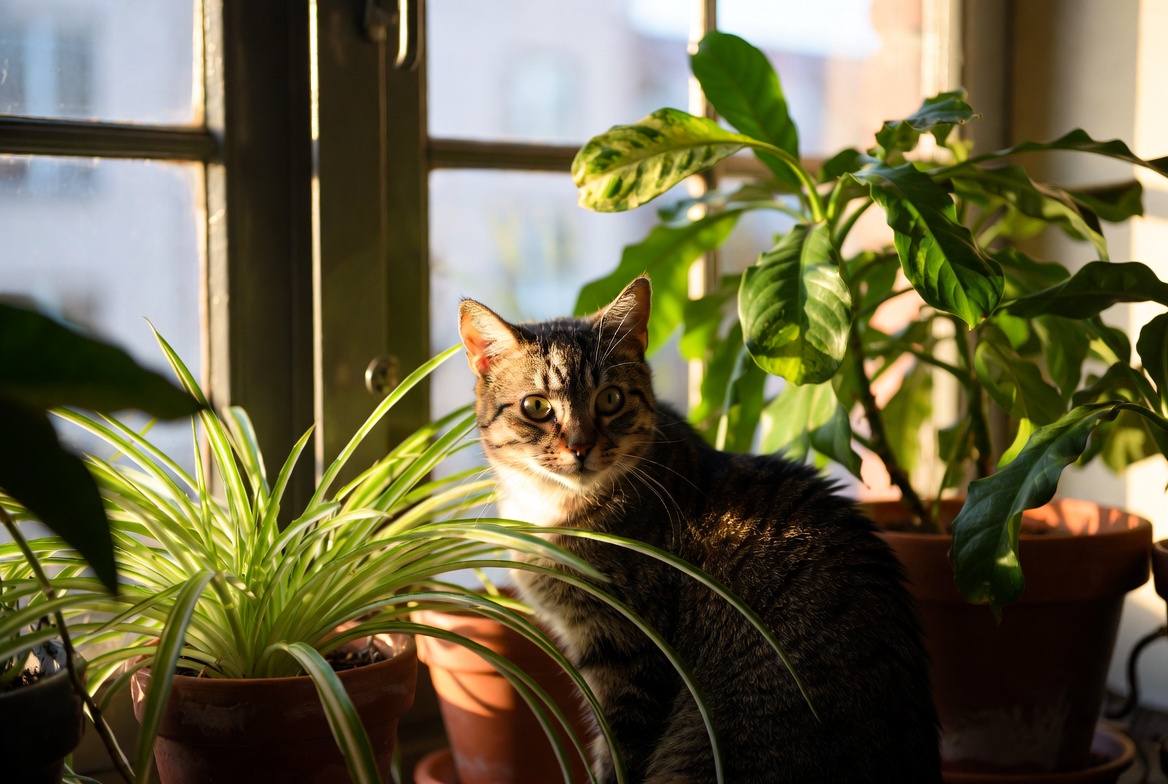
Yes, like other pothos varieties, neon pothos is toxic to cats and dogs if ingested due to calcium oxalate crystals in the plant tissue. It’s best kept out of reach of curious pets, particularly in a hanging basket or on a high shelf, rather than at floor level.
Pot and Display Ideas
Neon pothos works well in a variety of settings thanks to its trailing growth habit. A hanging basket near a bright window lets the vines cascade naturally, creating a striking curtain of color over time. On a shelf or plant stand, it spills over the edge beautifully and pairs well with darker-leaved plants for contrast, since the bright chartreuse tends to stand out more against deeper greens.
If you prefer a more upright, climbing look, training the vines up a small trellis, moss pole, or even a wall-mounted hook system works well too. Many growers like to let one neon pothos do both, training part of the plant upward while letting other vines trail down, which creates a fuller, more dynamic shape than either style alone.
Because the color is part of the appeal, placement near a light source matters as much for display as it does for plant health. A spot where the leaves catch some natural light throughout the day will show off the color far better than a dim corner, even if the plant would technically survive there.
Neon Pothos vs Other Pothos Varieties
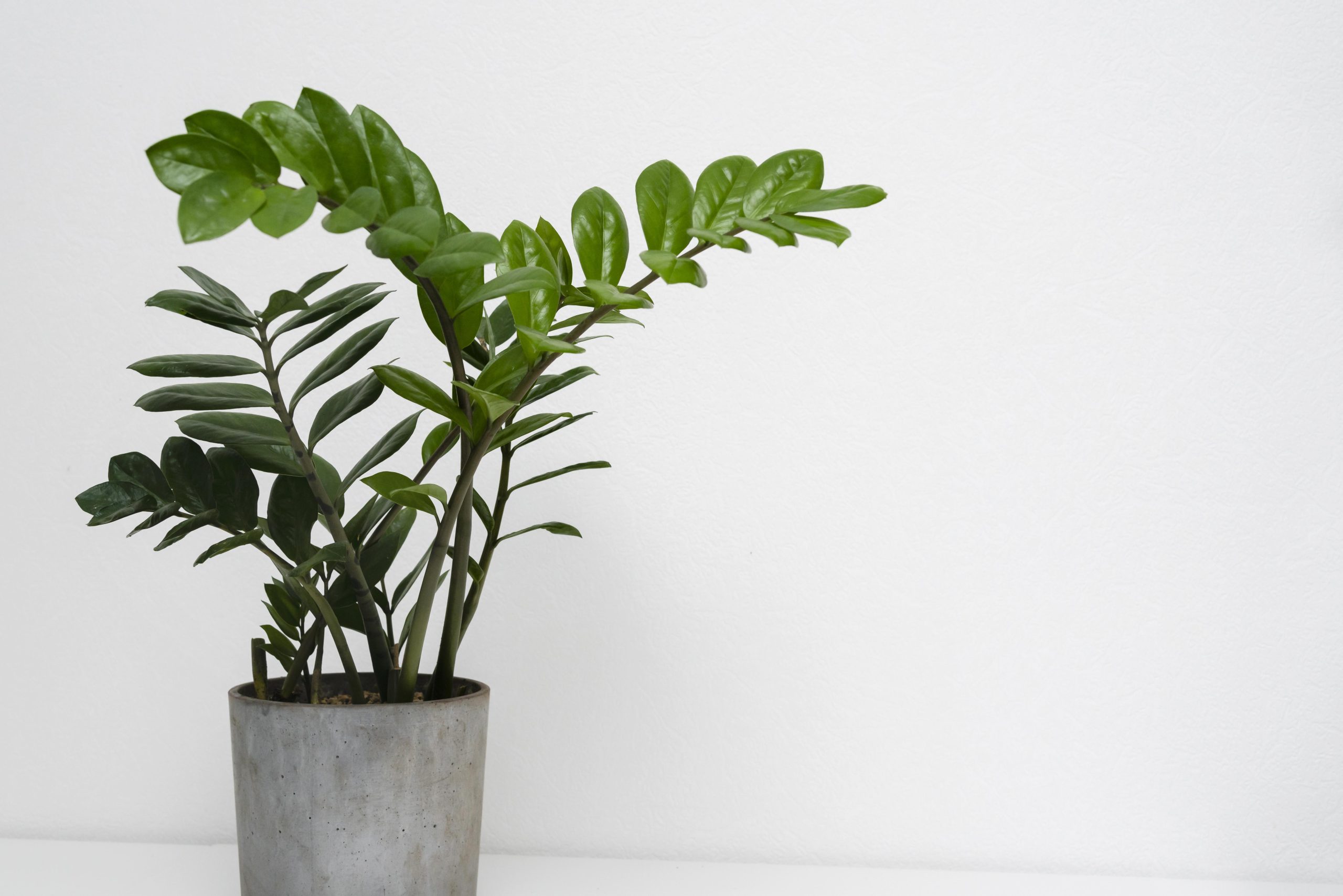
Pothos as a species comes in several popular cultivars, and it’s easy to confuse them at a glance. Golden pothos has marbled green and yellow variegation, with each leaf showing a mix of both colors rather than a uniform shade. The Marble Queen pothos leans toward a white and green marbled pattern, generally cooler in tone than the neon’s warm yellow-green. Jade pothos is solid green with no variegation at all, often used as a contrast plant alongside more colorful varieties.
Neon pothos stands apart from all of these by being the most uniformly colored and the most light-dependent in terms of maintaining that color. If you’re building a pothos collection, growing a few varieties side by side makes for an easy way to compare leaf shapes and color patterns, and care requirements stay nearly identical across all of them, so there’s no added difficulty in mixing varieties in the same space.
How to Encourage Fuller, Bushier Growth
Left untrimmed, neon pothos tends to grow as a few long vines rather than a full, bushy plant. If you’d like a fuller look, pinching back the growing tips periodically encourages the plant to branch out and produce multiple new vines from each cut point, rather than just continuing to lengthen a single vine.
Rotating the pot occasionally also helps growth stay even on all sides rather than reaching disproportionately toward a single light source. Combined with regular light pruning, this keeps the plant looking balanced and full rather than sparse on one side.
If a section of vine has lost most of its leaves and looks bare, it’s usually better to cut it back hard rather than leave it, since this redirects the plant’s energy toward producing new, fuller growth instead of maintaining a leggy, unproductive stem.
Seasonal Care Adjustments
Neon pothos doesn’t require dramatically different care across seasons, but a few small adjustments help keep it healthy year-round. In spring and summer, when light and temperatures are higher, expect faster growth and more frequent watering, along with monthly fertilizing as outlined earlier.
In fall and winter, growth naturally slows, and the plant will need less frequent watering since both light levels and evaporation rates drop. This is also the time to ease off fertilizing entirely, since the plant isn’t actively using nutrients at the same rate. If your neon pothos is positioned near a window that gets noticeably weaker light in winter, you may also notice slight color fading during these months, which typically corrects itself once brighter spring light returns.
Conclusion
Neon pothos is one of the easiest ways to add bold, eye-catching color to an indoor plant collection without taking on a demanding care routine. With bright indirect light, well-draining soil, and a watering routine that lets the soil dry out between waterings, this plant will reward you with vibrant, trailing foliage and minimal fuss.
Whether you let it trail from a hanging basket, train it up a moss pole, or simply let it spill over a shelf, neon pothos adapts easily to whatever style of display you have in mind. And because it propagates so easily from stem cuttings, a single healthy plant can quickly turn into several more, making it just as rewarding to share as it is to grow.
For neon pothos care specifically, the one habit worth prioritizing above all others is making sure it gets enough bright light. That single factor determines whether you get the deep, glowing color this variety is known for or a plant that quietly fades into an ordinary green.
Frequently Asked Questions
Why is my neon pothos losing its yellow color?
This almost always comes down to insufficient light. Neon pothos needs bright, indirect light to maintain its vivid chartreuse color, and in lower light it will gradually shift toward a duller green.
Can neon pothos grow in low light?
It can survive in low light, but it won’t thrive or maintain its characteristic color there. For the best appearance and growth, bright indirect light is strongly recommended over low-light placement.
How fast does neon pothos grow?
Under good light and care, neon pothos can grow quite quickly, often producing several inches of new vine growth per month during the growing season in spring and summer.
Is neon pothos the same as golden pothos?
No, they’re different cultivars of the same species. Golden pothos has marbled green and yellow variegation, while neon pothos has a more uniform, vivid yellow-green color throughout the leaf.
Does a neon pothos need a moss pole or trellis?
Not necessarily. It can be grown as a trailing plant in a hanging basket or allowed to cascade from a shelf or trained to climb a moss pole or trellis if you prefer a more upright growth habit. Either approach works well.