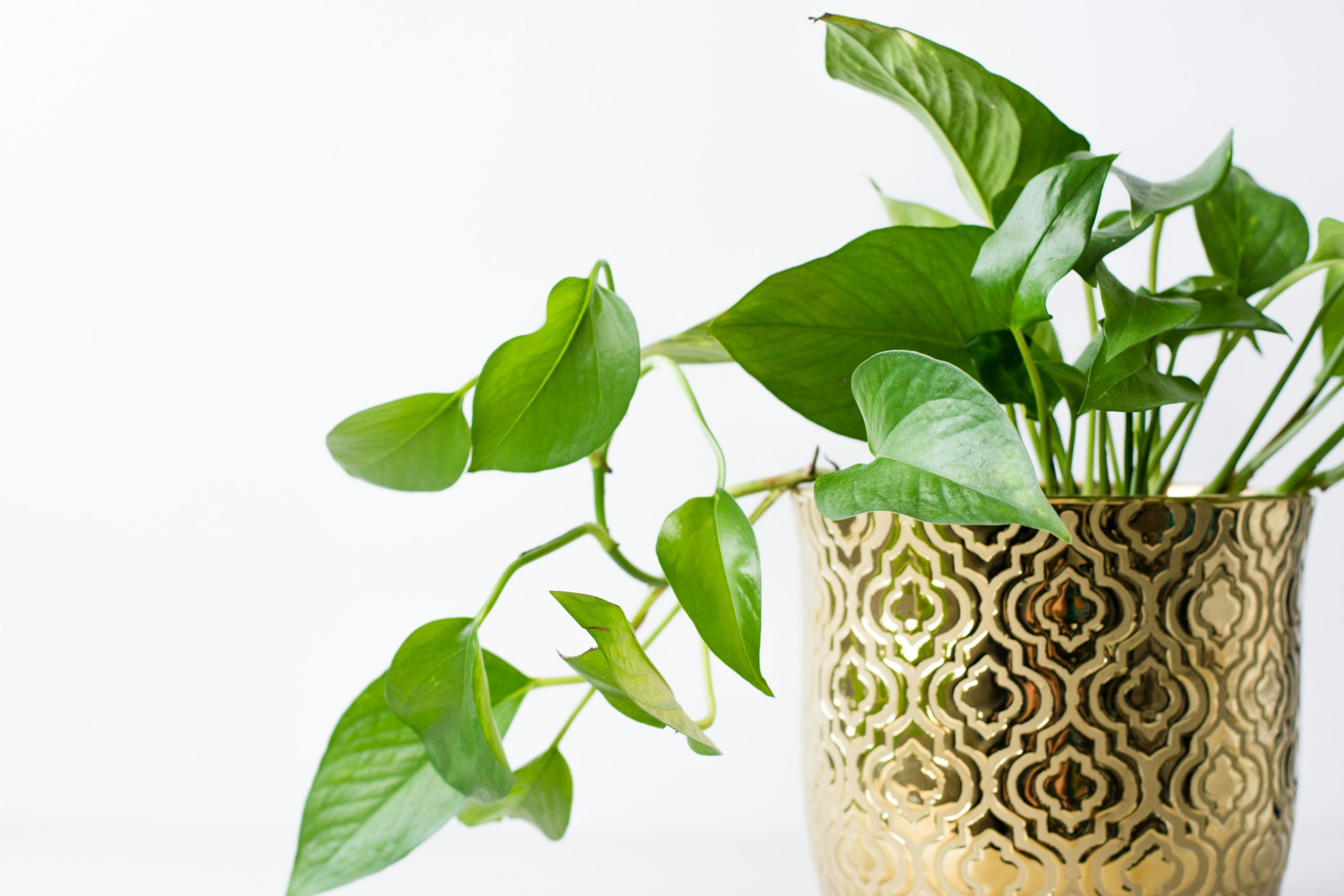
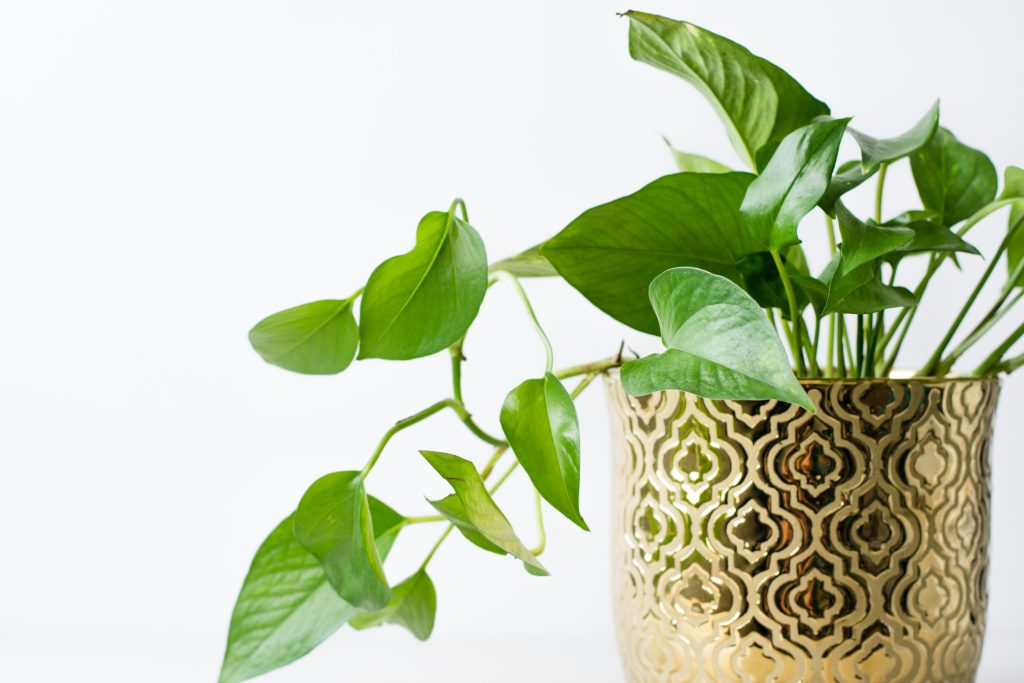
The Golden Pothos (Epipremnum aureum) is the undisputed champion of the indoor gardening world, but most people are growing it all wrong. While it is famous for being “unkillable,” simply keeping it alive is a waste of its true potential. With professional golden pothos care, this humble vine can transform from a limp string of leaves into a thundering waterfall of variegated gold and emerald.
In this masterclass, we are moving past the basic “water once a week” advice. We will dive into the seven technical triggers that force this plant to double its growth rate, expand its leaf size to dinner-plate proportions, and maintain that high-contrast variegation that makes it a centerpiece for your home.
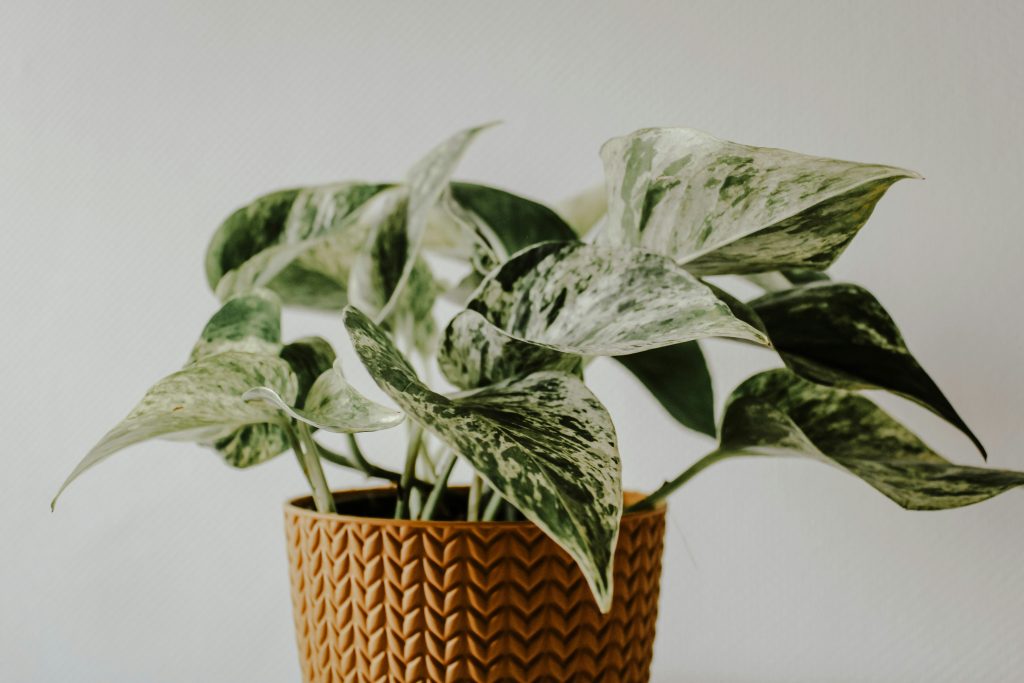
The Biological Blueprint: Understanding Your Pothos
To master golden pothos care, you must understand its origin. Native to the French Polynesian islands, this plant is a natural climber. In the wild, it uses aerial roots to latch onto massive trees, climbing hundreds of feet toward the canopy. When it climbs, its leaves become huge and develop natural slits (fenestrations). When it trails downward in a pot, the leaves stay small. This biological switch is the key to customizing the look of your plant.
1. Lighting: The Fuel for Golden Variegation
Light is the most important factor in golden pothos care. It is the difference between a dull green plant and one that looks like it was splashed with gold paint.
The Variegation Trap
If your pothos is turning solid green, it is starving for light. The plant is producing more chlorophyll (the green pigment) to catch every tiny bit of energy it can. To bring the gold back, you must move it to a brighter location with filtered sunlight.
Finding the Sweet Spot
The ideal location is near a bright, east-facing window. This provides bright indirect light. Direct sun will burn the white and yellow patches, turning them into crispy brown holes, while too little light leads to small, leggy growth that lacks character.
2. Hydration Strategy: The Drought and Drench Method
Overwatering is the number one killer of this species. Professional golden pothos care requires a specific rhythm that mimics tropical rain cycles rather than a steady drip.
Avoiding the Wet Feet Syndrome
Your pothos should never be left in a saucer of water. This cuts off oxygen to the roots, leading to root rot. Instead, use the drench and drain method: water the plant thoroughly until water pours out of the bottom, then wait until the soil is 50-75% dry before watering again.
Reading the Leaves
Your plant will tell you when it is thirsty. The leaves will lose their shine and start to droop slightly. This wilting is a safe signal to water, but do not wait until the leaves are completely limp, yellow, or falling off the vine.
3. Soil Engineering: Creating the Perfect Foundation
Standard potting soil is often too heavy and suffocating for a pothos. For elite golden pothos care, you need a custom medium that prioritizes drainage.
The High-Porosity Mix
Mix 60% high-quality potting soil, 20% perlite for drainage, and 20% orchid bark for aeration. This allows the roots to breathe and grow thick water-storing tubers that support massive vine lengths.
The pH Balance
Golden Pothos prefers a slightly acidic environment with a pH between 6.1 and 6.5. Using organic matter like peat moss or coco coir helps maintain this balance naturally over time without needing chemical adjustments.
4. Humidity and Air Quality: The Tropical Mimic
While the pothos is tough, it breathes through its leaves. Dusty, dry air is the enemy of fast growth and leads to the dreaded brown tips.
Boosting Ambient Humidity
If your home air is dry, especially during winter months, the leaf tips will turn brown. Grouping your pothos with other plants creates a microclimate of moisture. Alternatively, running a humidifier near your plant will result in much larger and glossier foliage.
The Cleaning Ritual
Once a month, wipe the leaves with a damp cloth. Dust blocks the stomata of the leaf, slowing down photosynthesis and making your golden pothos care efforts less effective. Clean leaves capture light more efficiently.
5. Vertical Ambition: Training Your Vine for Size
As mentioned, a Pothos that climbs is a Pothos that thrives. This is the professional secret to getting giant leaves that eventually split like a Monstera.
Installing a Moss Pole
By giving the aerial roots a moist surface to grab onto, the plant feels secure enough to produce larger foliage. This is the most effective way to upgrade your golden pothos care from the amateur to the professional level.
Managing Length
If you prefer the trailing look, you must prune regularly. Cutting back the vines encourages the plant to put energy into the base, preventing that balding look at the top of the pot and keeping the growth dense.
6. The Phosphorus Boost: Feeding for Strength
Most people use generic nitrogen-heavy fertilizer, but that only leads to weak, watery growth. Proper golden pothos care involves balanced nutrition.
Fertilizer Ratios
During the spring and summer, use a balanced liquid fertilizer (like a 20-20-20) diluted to half-strength. This ensures the plant has enough phosphorus for root strength and potassium for cellular health.
Winter Dormancy
Stop fertilizing in the winter. The plant’s metabolism slows down, and excess nutrients can build up in the soil, causing salt burn on the sensitive root tips.
7. Temperature Stability: Avoiding Growth Shock
The final secret to golden pothos care is consistency. This plant is a creature of habit and does not react well to sudden environmental swings.
Heat and Cold Zones
Maintain a temperature range between 65°F and 85°F. Sudden drops below 50°F can cause cellular collapse, leading to black spots on the leaves.
Avoiding Drafts
Keep your plant away from air conditioning vents, space heaters, and drafty windows. These localized temperature spikes dry out the foliage faster than the roots can provide water, leading to leaf drop.
Troubleshooting: Why Your Pothos is Struggling
- Rapid Yellowing: This is the classic sign of overwatering or poor drainage.
- Loss of Color: If the gold spots are disappearing, move the plant significantly closer to a light source.
- Long Gaps Between Leaves: This legginess means the plant is searching for more light.
- Sticky Residue: This is likely honeydew from pests like mealybugs or aphids; treat with neem oil.
Conclusion: Your Path to a Pothos Jungle
Mastering golden pothos care is the ultimate win for any indoor gardener. It is a plant that gives back exactly what you put into it. By providing the right balance of filtered light, a chunky soil mix, vertical support, and consistent humidity, you can turn a basic vine into a massive, gold-flecked masterpiece. Start applying these seven secrets today, and watch your vines transform your space.
Top 10 Frequently Asked Questions (FAQs)
1. How fast does a Golden Pothos grow? With proper light and fertilizer, a healthy vine can grow 12 to 18 inches in a single month.
2. Can I use tap water for my pothos? Yes, but letting it sit out for 24 hours helps chlorine dissipate, which prevents leaf tip burn.
3. Why are my pothos leaves so small? Small leaves usually mean the plant is trailing downward instead of climbing, or it is starved for light.
4. Is the Golden Pothos the same as a Philodendron? No, pothos have thicker, grooved stems and different leaf textures compared to philodendrons.
5. How do I get those huge leaves with holes in them? You must let the plant climb a vertical support like a cedar plank or moss pole in very high light.
6. Can a Golden Pothos survive in a windowless office? Only if you have strong fluorescent or LED overhead lights on for at least 8 to 10 hours daily.
7. What is the best fertilizer for Golden Pothos? A balanced liquid fertilizer diluted to half-strength works best during the spring and summer.
8. Why is my Pothos soil growing white mold? This is harmless fungus that indicates your soil is staying wet for too long; increase airflow.
9. How do I propagate my Golden Pothos? Simply snip a vine below a node and place it in a jar of water until roots are two inches long.
10. Why is my plant crying water from the leaves? This is called guttation. The plant is exhaling excess moisture; you can slightly reduce your watering.