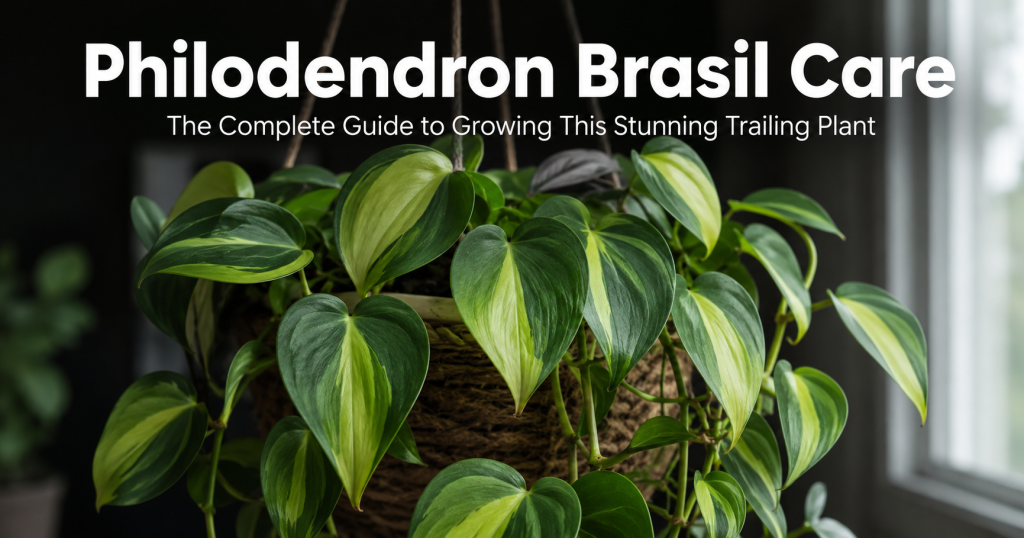
If you are looking for a fast-growing, visually striking trailing plant that is genuinely easy to care for, Philodendron Brasil belongs near the top of your list. With its heart-shaped leaves splashed in vivid shades of green and yellow, it brings instant color and energy to any space it occupies. Philodendron brasil care is forgiving enough for beginners while still being rewarding for experienced plant owners, and it grows quickly enough to show visible progress in a matter of weeks. Here is everything you need to know.
What Is Philodendron Brasil?
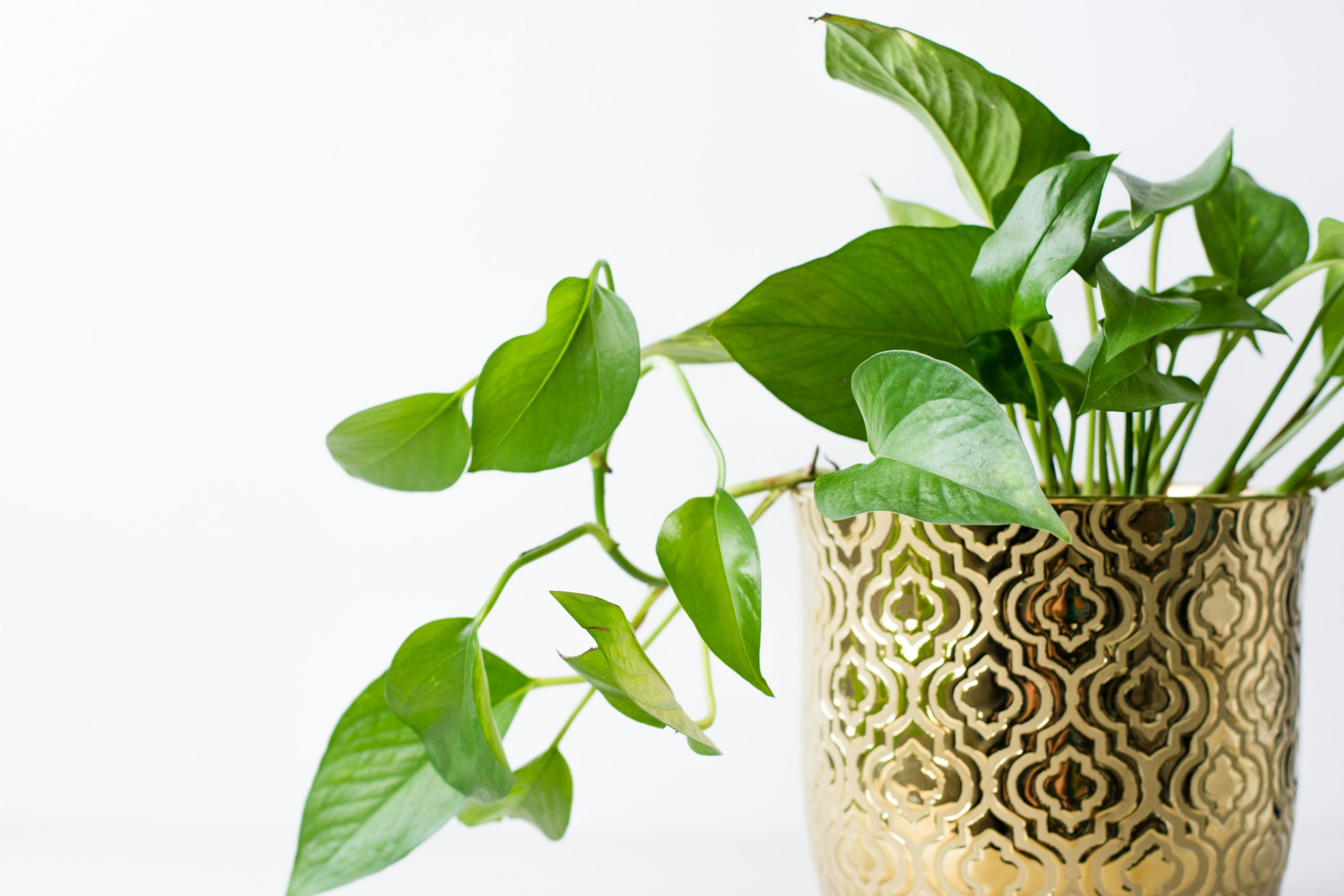
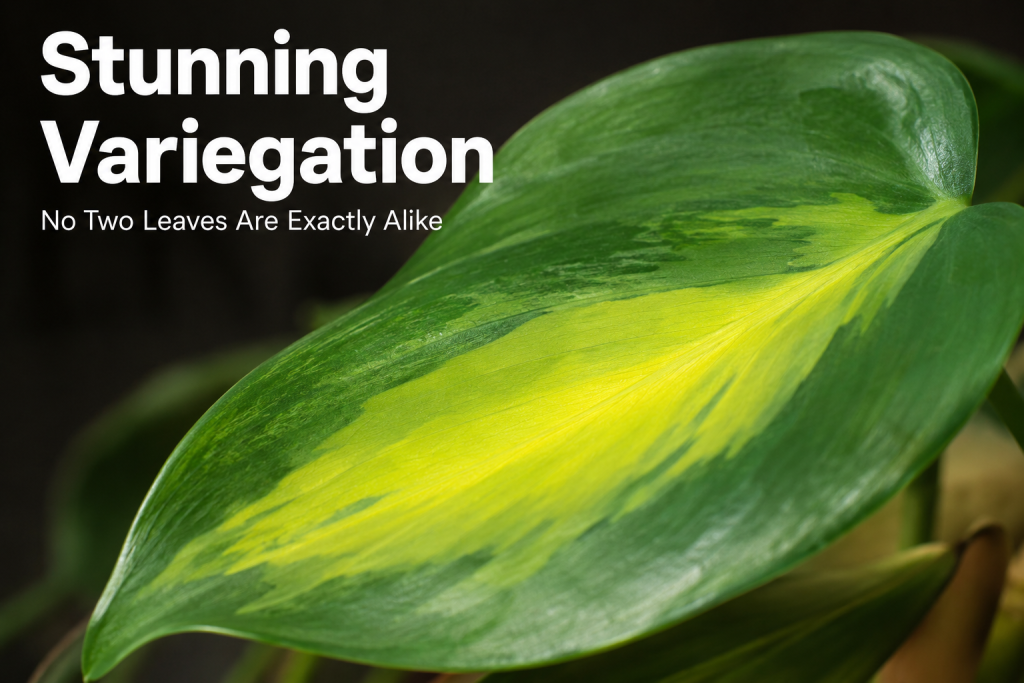
Philodendron Brasil is a cultivar of Philodendron hederaceum, a trailing philodendron species native to tropical Central and South America. What makes the Brasil cultivar distinctive is its variegated foliage, with each heart-shaped leaf displaying a unique combination of dark green edges, bright lime or yellow-green centers, and occasional streaks of pale green running through the leaf in irregular patterns. No two leaves are exactly alike, which gives the plant a lively, dynamic appearance.
Like other Philodendron hederaceum cultivars, Philodendron Brasil is a vining plant that naturally trails or climbs. It can be grown in a hanging basket where the vines cascade downward, trained up a moss pole or trellis, or simply allowed to trail from a shelf. Vines can reach several feet in length under good conditions, making this one of the faster-growing trailing plants available for indoor growing.
Light Requirements
Philodendron Brasil does best in bright, indirect light, which is where it maintains its vivid variegation most reliably. The lime and yellow tones in the leaves are produced by areas with reduced chlorophyll, and adequate light is essential for keeping this coloration vibrant and distinct.
In lower light, the plant will survive, but the variegation tends to fade, with new leaves coming in with less of the bright lime coloring and more uniform dark green. In very low light, growth also slows significantly.
Avoid direct, intense sunlight, which can bleach and scorch the leaves, particularly the lighter variegated sections that have less protection from sun damage. A spot near an east or west-facing window, or a few feet back from a brighter south-facing window, is generally ideal.
Watering
Philodendron Brasil is more forgiving of watering inconsistencies than many houseplants, but it still has preferences worth following. Allow the top inch or two of soil to dry out between waterings, then water thoroughly and allow excess to drain completely.
Overwatering is the most common cause of serious problems with Philodendron Brasil, leading to yellowing leaves and root rot if the soil stays consistently wet. The plant handles slight underwatering much more gracefully than overwatering, so when in doubt, wait another day or two before watering.
In the active growing season of spring and summer, watering every seven to ten days is typical for most indoor conditions. In winter, reduce watering frequency as growth slows.
Humidity
Philodendron Brasil tolerates average household humidity well and does not require the elevated humidity levels that ferns or calatheas need. This makes it a practical choice for most indoor environments without any special humidity setup.
In very dry conditions, particularly during winter heating season, you may notice slightly slower growth or occasional brown leaf tips at the very edges. A pebble tray with water beneath the pot or occasional light misting can help in particularly dry environments, but for most homes this is not a significant concern.
Temperature
Philodendron brasil prefers temperatures between 65 and 85°F (18 and 29°C) and should be kept away from cold drafts, air conditioning vents, and temperatures below 55°F (13°C). It is a tropical plant that does not tolerate cold well and should never be exposed to frost.
Soil and Potting
A well-draining, airy potting mix works best for Philodendron Brasil. A standard indoor potting mix combined with perlite provides good drainage while retaining enough moisture for the plant’s needs. The mix should be light and well-aerated rather than dense and heavy.
Choose a pot with drainage holes and avoid oversizing the container, since a pot that is much larger than the root system holds excess moisture that can lead to root rot. Repot every one to two years in spring when the plant has outgrown its current container.
Fertilizing
Feed Philodendron Brasil with a balanced liquid fertilizer once a month during spring and summer. The plant is a vigorous grower during the warm season and benefits from regular feeding to support its rapid leaf production. Stop fertilizing in autumn and winter when growth naturally slows.
Avoid over-fertilizing, which can cause fertilizer salt buildup in the soil and brown leaf tips.
Pruning and Training
Regular pruning keeps Philodendron Brasil looking full and bushy rather than long and sparse. Trim back leggy vines to a node, and the plant will produce new growth from that point, resulting in a fuller, more compact shape over time.
If you want to encourage climbing rather than trailing growth, provide a moss pole or trellis and gently secure the vines to it with soft ties. Climbing allows the plant to produce larger leaves over time, since philodendrons naturally develop larger foliage as they climb toward the light in their natural habitat.
Any stems you trim can be used to propagate new plants, making it easy to multiply your collection or fill out an existing pot.
Propagation
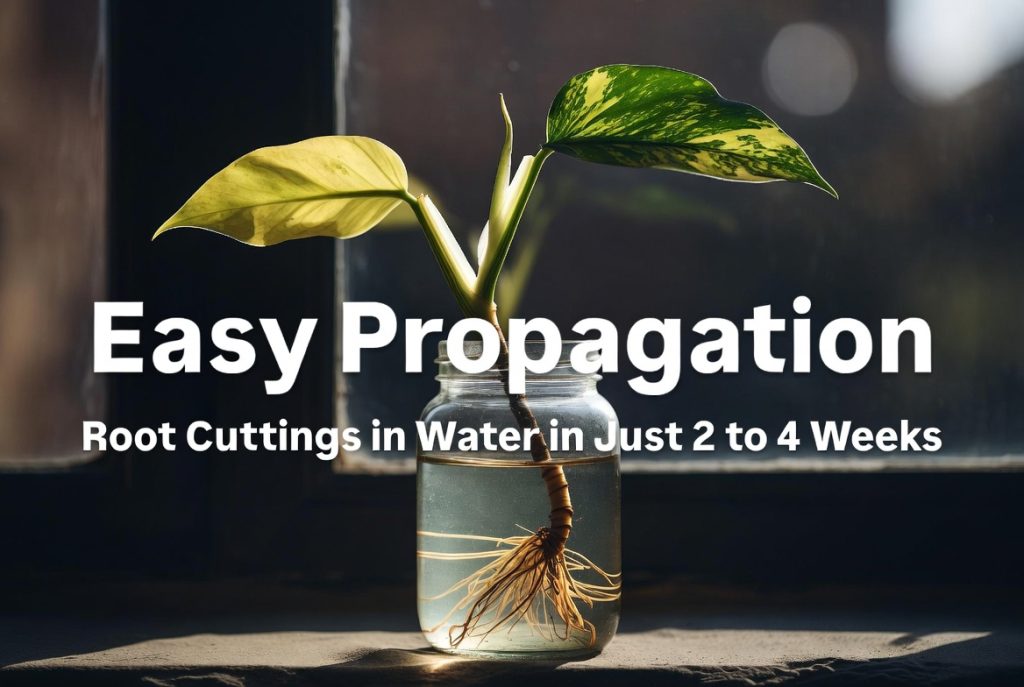
Philodendron Brasil is one of the easiest houseplants to propagate. Take a stem cutting with at least one node and one or two leaves, place it in water or moist potting mix, and keep it in a warm, bright spot. Roots typically develop within two to four weeks in water, after which the cutting can be transferred to soil.
Water propagation allows you to watch the root development, which many plant owners find satisfying. Soil propagation often produces roots that are better adapted to growing in potting mix from the start.
Reverting to Green
One common issue with variegated philodendrons, including Philodendron Brasil, is reversion, where new leaves begin to grow in more solidly green rather than variegated. This is usually caused by insufficient light. The plant produces more chlorophyll-rich green tissue when light is limited since chlorophyll is needed for photosynthesis.
Moving the plant to a brighter spot with more indirect light usually encourages new variegated growth to emerge. Pruning back sections that have reverted to fully green can also encourage the plant to produce new variegated growth from other nodes.
Common Problems
Yellowing leaves. Most commonly caused by overwatering or poor drainage. Check that the soil is drying out adequately between waterings and that the pot has working drainage holes.
Brown leaf tips. Usually caused by low humidity, inconsistent watering, or fertilizer salt buildup. Flush the soil with plain water occasionally to remove salt buildup and ensure consistent watering practices.
Loss of variegation. Caused by insufficient light. Move the plant to a brighter spot to encourage new variegated growth.
Leggy, sparse growth. A sign of insufficient light. The plant stretches toward the light source with long gaps between leaves. Moving to a brighter location and pruning back leggy sections will encourage compact, full growth.
Root rot. Caused by overwatering or poorly draining soil. Remove the plant from its pot, trim away any black or mushy roots, and repot in fresh, well-draining mix.
Is Philodendron Brasil Toxic to Pets?
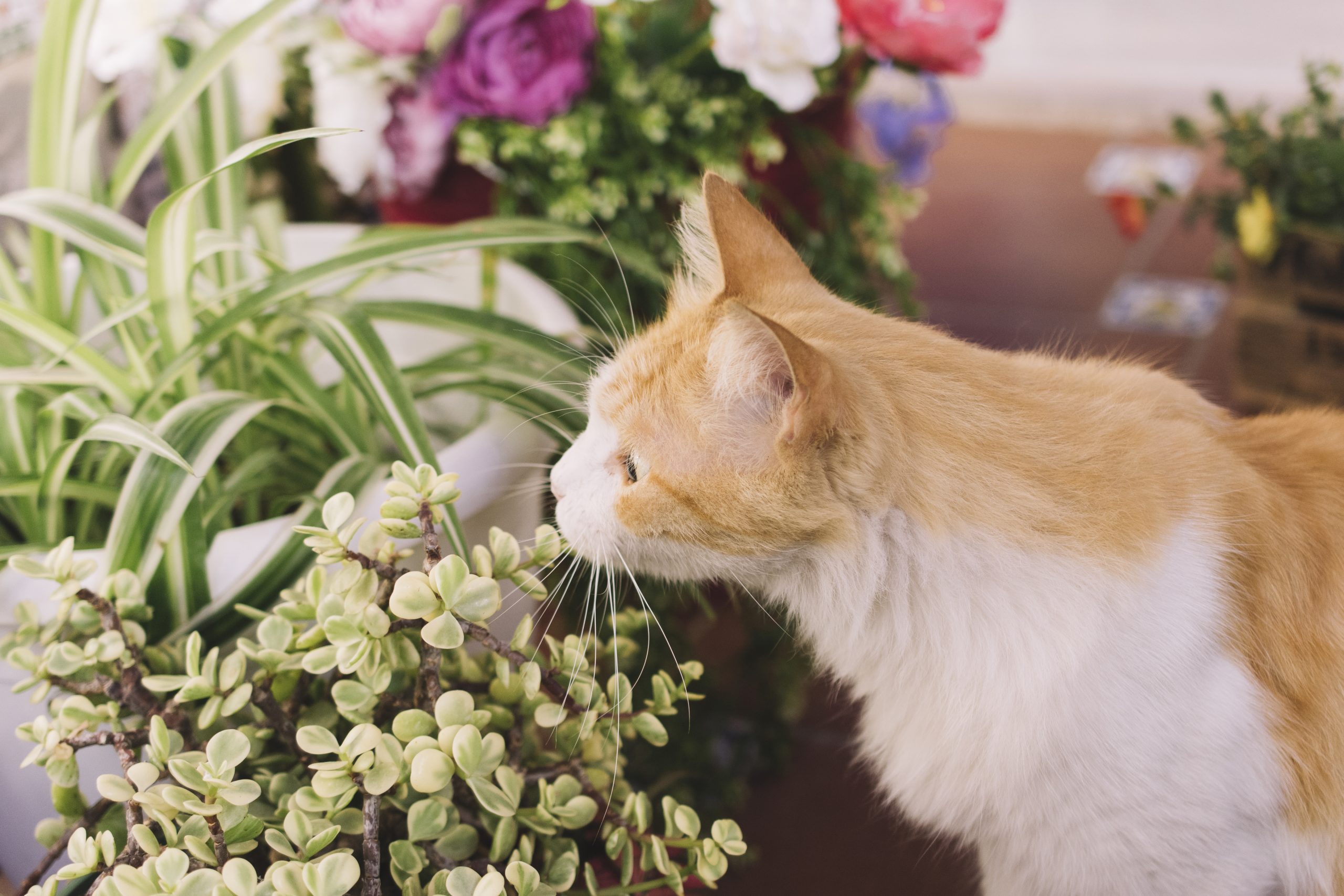
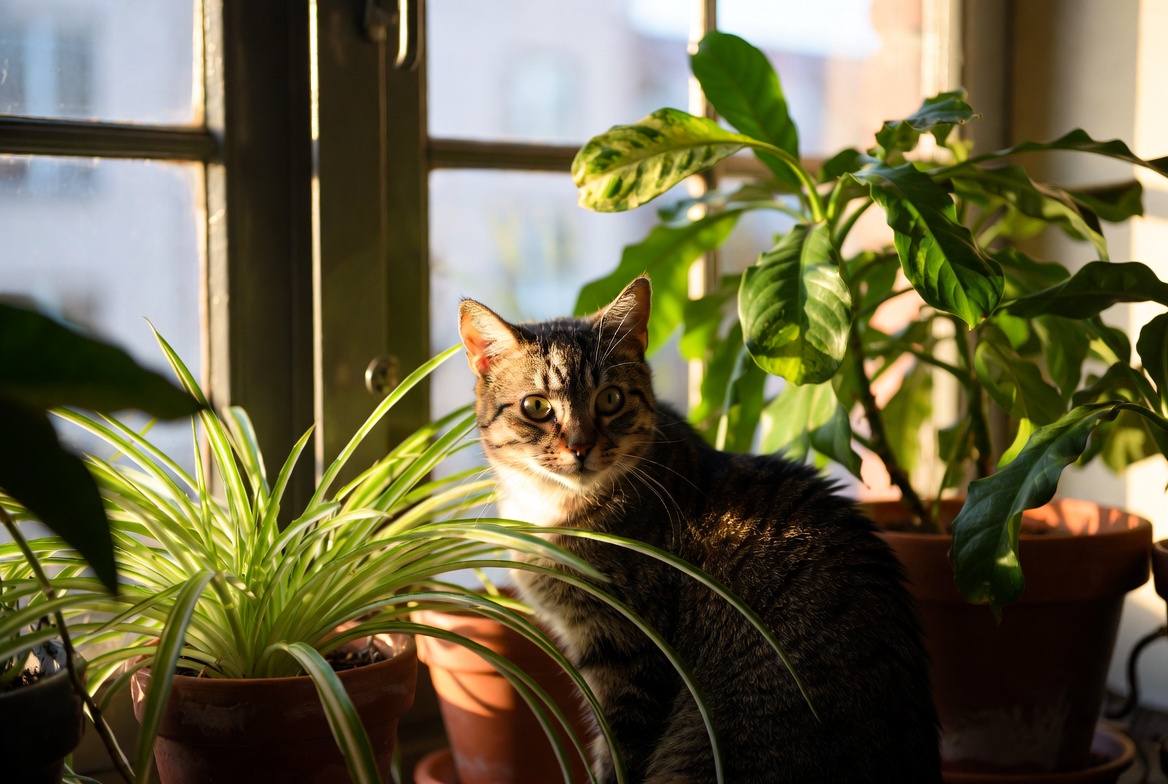
Yes, Philodendron Brasil is toxic to cats and dogs. Like other philodendrons, it contains calcium oxalate crystals that cause burning and irritation of the mouth, throat, and digestive system if ingested. Keep it out of reach of pets that are prone to chewing on plants.
Philodendron Brasil vs Pothos: What Is the Difference?
Philodendron brasil and pothos are frequently confused since both are trailing, heart-leaved plants with similar variegation. The key differences are in the leaf texture and shape. Philodendron Brasil leaves are thinner, more matte in texture, and have a slightly more elongated heart shape. Pothos leaves are thicker, waxier, and have a more pronounced point where the leaf attaches to the stem. In terms of care, both are similarly easy to grow, though Philodendron Brasil is slightly more demanding about light to maintain its variegation.
Conclusion
Philodendron Brasil care is genuinely one of the most rewarding experiences in indoor plant growing. Fast growth, vivid variegated foliage, easy propagation, and a forgiving nature make it an ideal plant for both beginners and experienced collectors. Bright indirect light, careful watering that avoids overwatering, and occasional pruning to maintain a full, bushy shape are all it takes to keep this beautiful plant thriving and producing those distinctive lime and green leaves year-round.
Frequently Asked Questions
Why is my Philodendron Brasil losing its variegation?
Loss of variegation is almost always caused by insufficient light. Move the plant to a brighter spot with more indirect light to encourage new variegated growth. Pruning back sections that have reverted to solid green can also help.
How fast does Philodendron Brasil grow?
Philodendron Brasil is one of the faster-growing trailing houseplants. Under good light and regular feeding during the growing season, it can produce several new leaves per month in spring and summer.
Can Philodendron Brasil grow in low light?
It can survive in lower light but will lose its variegation and grow more slowly. Bright indirect light is needed to maintain the distinctive lime and green coloring that makes this plant so appealing.
How do I propagate Philodendron Brasil?
Take a stem cutting with at least one node and place it in water or moist potting mix. Roots develop within two to four weeks. Water propagation allows you to monitor root development before transferring to soil.
Is Philodendron Brasil toxic to cats?
Yes, Philodendron Brasil is toxic to cats and dogs due to calcium oxalate crystals. Keep it out of reach of pets that chew on plants.