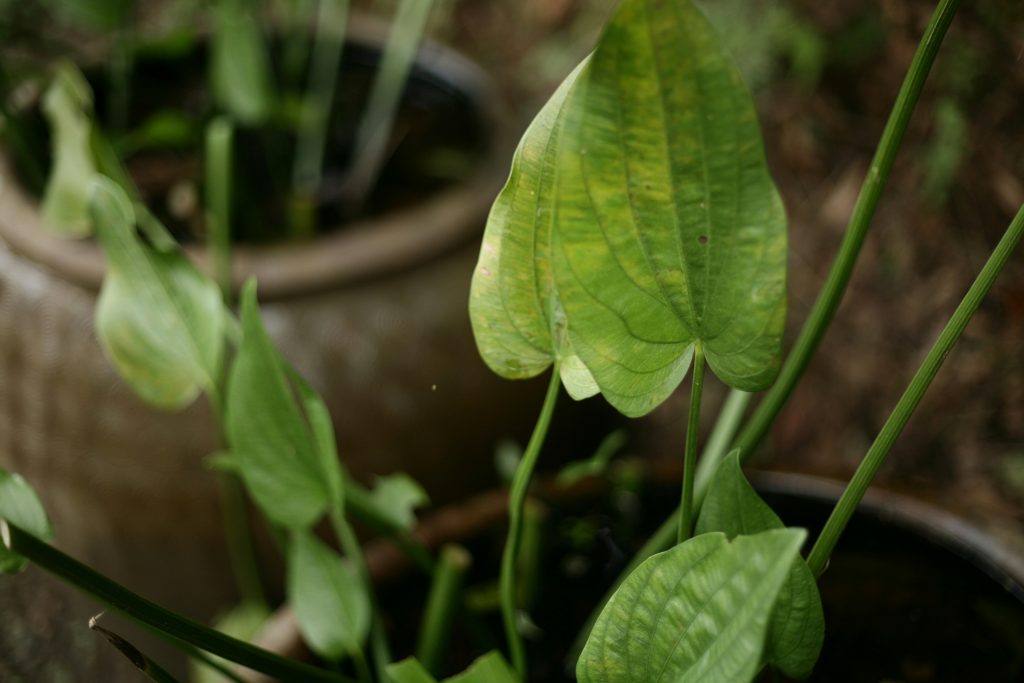
The Arrowhead plant (Syngonium podophyllum) is a dynamic and versatile favorite in the indoor gardening world. Known for its distinct spade-shaped leaves that transition into multi-lobed structures as the plant matures, it offers a dramatic visual progression that few other houseplants can match. However, maintaining the perfect balance of color and structure requires more than just basic watering. Professional arrowhead plant care involves managing the plant’s natural desire to climb while preserving the high-contrast variegation that makes varieties like “Albovarietata” or “Pink Allusion” so sought after.
In this exhaustive authority guide, we explore 12 technical triggers that govern the health of your Syngonium. From the physics of its aerial roots to the chemistry of its soil, these strategies will help you turn a small nursery start into a sprawling, lush masterpiece.
The Ontogeny of Syngonium: Understanding Leaf Transformation
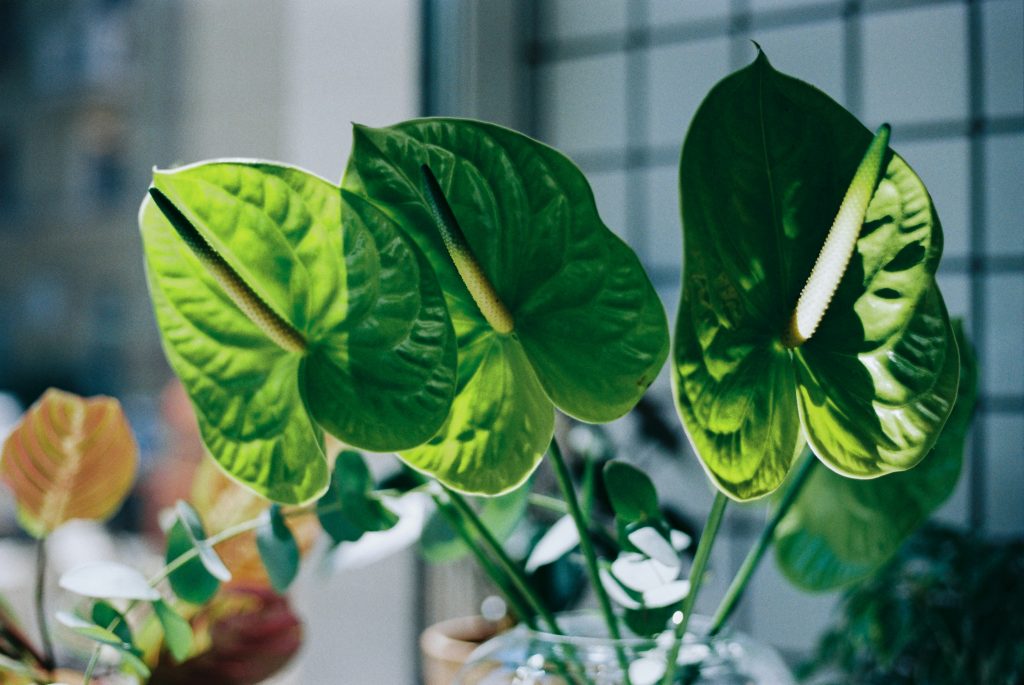
To master arrowhead plant care, you must understand its ontogeny—the way the plant changes as it ages. Juvenile Syngonium leaves are simple and arrow-shaped. As the plant climbs and receives more light, the leaves “fenestrate” or split into three to five distinct lobes. This transformation is a biological signal of a thriving plant. By manipulating light and support, you can decide whether your plant stays a bushy desk companion or becomes a towering tropical climber.
1. Lighting: Preserving the Spectral Variegation
The vibrant pinks, whites, and creams found in Arrowhead plants are not permanent; they are highly dependent on the quality of light the plant receives.
Avoiding the Green Reversion
Variegated sections of the leaf lack chlorophyll, meaning the green parts have to work twice as hard to feed the plant. If the light is too low, the plant will stop producing variegated tissue to increase its energy-gathering surface area. To keep the colors “popping,” provide bright, indirect sunlight for at least 8 hours a day.
Managing Photo-Inhibition
While they crave light, Arrowhead plants are susceptible to photo-inhibition (leaf burn) if exposed to direct midday sun. The thin leaves will quickly develop translucent, paper-like spots. A curtain-filtered south window or a dedicated grow light set to a 14-hour cycle is the professional standard.
2. Hydration Strategy: The Saturation and Aeration Balance
Arrowhead plants are remarkably communicative about their water needs, but they do not tolerate “wet feet” for long periods.
The Droop Indicator
Syngonium leaves will noticeably droop when the plant is thirsty. While this is a helpful signal, frequent wilting stresses the vascular system. The goal of professional arrowhead plant care is to water just before this droop occurs—typically when the top 25% of the soil feels dry.
Preventing Pythium Root Rot
Because these plants have fine, fibrous roots, they are prone to Pythium (root rot) in stagnant water. Always ensure you are using a pot with a high-flow drainage system and never leave the plant sitting in a decorative cachepot filled with runoff water.
3. Soil Engineering: The Aroid Mix Advantage
Standard, peat-heavy potting soils are often too suffocating for Syngonium. An “Aroid Mix” is the foundation of elite arrowhead plant care.
The Porosity Formula
Combine 50% high-quality potting soil, 20% perlite, 20% orchid bark, and 10% horticultural charcoal. This mix provides the “chunky” texture that allows aerial roots to breathe while maintaining enough moisture to sustain the plant’s high transpiration rate.
Cation Exchange Capacity
Adding a small amount of worm castings to your mix improves the Cation Exchange Capacity (CEC), allowing the plant to more easily pull essential minerals like calcium and magnesium from the soil.
4. Humidity: Simulating the Neotropical Canopy
As a native of the humid rainforests of Central and South America, the Arrowhead plant requires significant atmospheric moisture to unfurl new leaves without tearing.
Solving the “Stuck Leaf” Problem
If new leaves are struggling to unfurl or emerging with brown, tattered edges, your humidity is too low. Aim for 60% humidity or higher. If a leaf is truly stuck, a gentle misting with warm, distilled water can help lubricate the sheath and allow it to open safely.
Micro-Climate Grouping
Group your Syngonium with other high-transpiration plants like Calatheas or Ferns. This creates a shared pocket of humid air that remains more stable than the rest of the room.
5. Vertical Ambition: The Moss Pole Secret
The arrowhead plant is a hemi-epiphyte in its natural environment. It wants to climb. Providing vertical support is the fastest way to trigger mature, multi-lobed leaf growth.
Aerial Root Attachment
By providing a damp moss pole, you allow the aerial roots to anchor themselves and absorb moisture directly from the pole. This secondary hydration source results in significantly larger leaves and thicker stems compared to plants that are allowed to trail.
Training the Vines
Use soft plant ties to secure the main stem to the pole. Once the aerial roots find the moisture in the moss, they will latch on naturally, and the plant will begin its upward “climb” toward maturity.
6. Pruning for Density: The Bushy vs. Climbing Look
Without intervention, an Arrowhead plant will eventually become a single, long vine. To maintain a full, bushy appearance, you must be proactive with your shears.
Strategic Node Cutting
If your plant is looking “leggy,” prune the stems back to just above a node. This removes apical dominance and triggers the plant to activate dormant “axillary buds” lower down on the stem, resulting in multiple new growth points from the base.
Propagating for Fullness
Don’t throw away your cuttings! Propagate them in water and plant them back into the original pot. Having 4 or 5 separate plants in one pot is the secret to that “overflowing” look seen in professional plant photography.
7. Nutrient Management: The “Slow and Steady” Approach
Arrowhead plants are moderate feeders. Over-fertilizing can lead to salt burn and a loss of variegation.
The Balanced Diet
Apply a half-strength dilution of a balanced, water-soluble fertilizer (10-10-10 or 20-20-20). Apply this every three weeks during the growing season. This supports the production of both chlorophyll and the structural proteins needed for large leaves.
Avoiding Mineral Toxicosis
If you notice the edges of the leaves turning yellow-brown while the veins stay green, you may have a buildup of salts. Flush the soil with pure, filtered water every three months to “reset” the soil chemistry.
8. Temperature Stability: The Goldilocks Zone
The Syngonium is a true tropical; it has no evolutionary defense against frost or extreme cold.
Cold Shock Prevention
Keep your plant in a stable environment between 65°F and 85°F. Temperatures below 60°F will stall growth, and anything approaching freezing will cause permanent cellular damage and “melting” of the foliage.
Avoiding Heat Stress
Similarly, avoid placing your plant near heaters or air vents. The rapid movement of hot, dry air can dehydrate the leaves faster than the roots can supply water, leading to “flash wilting.”
9. Propagation Mechanics: Water vs. Perlite
Arrowhead plants are incredibly easy to propagate, but the medium you choose dictates how fast the new plant establishes.
The Water Root Transition
While water propagation is simple and visual, “water roots” are physically different from “soil roots.” Transitioning a water-grown cutting to soil can be stressful for the plant.
The Perlite Method
For faster establishment, propagate your cuttings in damp perlite inside a sealed, clear bag. This provides high humidity and plenty of oxygen to the nodes, producing “soil-ready” roots that won’t experience transplant shock.
10. Seasonal Adjustments: Winter Care Logistics
When the seasons change, your arrowhead plant care routine must adapt to the lower light and humidity levels.
Reducing Input
During winter, reduce watering by half. The plant’s metabolic rate drops, and its water consumption plummets. Standing water in a cold pot is the fastest way to kill a Syngonium during the dormant months.
Strategic Light Placement
Move your plant closer to the window during winter to compensate for the weaker sun, but ensure it isn’t touching the cold glass, which can lead to localized frostbite on the leaves.
11. Pest Management: Protecting the Soft Foliage
The thin, succulent-like leaves of the Syngonium are a favorite for several common indoor pests.
Thrips and Spider Mites
Thrips are the #1 enemy of Arrowhead plants. They leave silvery streaks and tiny black spots on the leaves. Spider mites, conversely, thrive in dry air and leave fine webs. Treat both with a consistent application of neem oil or insecticidal soap every 7 days for a month to break the life cycle.
Preventive Cleaning
Wiping the leaves with a damp cloth once a week isn’t just for aesthetics; it allows you to spot pests before they become an infestation.
12. Toxicity and Safety Awareness
Professional arrowhead plant care also involves being a responsible owner. Like many Aroids, the Syngonium contains calcium oxalate crystals.
Protecting Pets and Children
If chewed or ingested, the plant can cause intense mouth irritation, swelling, and digestive upset. Always place climbing or trailing Arrowhead plants out of reach of curious pets and children.
Handling with Care
Some people with sensitive skin may experience mild irritation from the plant’s sap during pruning. Wearing gloves or washing your hands immediately after handling cuttings is a good practice.
Troubleshooting: Common Care Challenges
- Yellowing Lower Leaves: This is often a sign of overwatering or the plant “shedding” old growth to focus on new leaves.
- Fading Variegation: Your plant needs more light. The “green” is taking over to survive.
- Brown, Crispy Edges: Low humidity or tap water chemicals (fluoride/chlorine) are the usual culprits.
- Small, Weak Leaves: The plant likely needs more light or a vertical support to climb.
Conclusion
Mastering arrowhead plant care is a rewarding process of watching a plant evolve. By providing the right “chunky” soil, high humidity, and consistent indirect light, you can unlock the mature, climbing potential of this tropical gem. Whether you keep it as a bushy tabletop accent or a massive moss-pole climber, the Syngonium is a testament to the beauty of the tropical rainforest in your own home.
FAQs
1. Why is my Arrowhead plant growing a long, leafless vine?
The plant is “reaching” for something to climb. This is its natural searching behavior. Give it a moss pole or prune it back to encourage bushiness.
2. Can Syngonium grow in low light?
It will survive, but it will grow slowly, lose its variegation, and become very leggy.
3. How do I make my Syngonium look fuller?
Prune the long vines and plant the rooted cuttings back into the top of the pot.
4. Why are the new leaves on my plant turning brown?
This is usually caused by low humidity or the leaves getting “stuck” in the protective sheath while unfurling.
5. Is the Arrowhead plant a Philodendron? No, while they look similar and are both Aroids, they belong to different genera (Syngonium vs. Philodendron).
6. How often should I repot my Arrowhead plant?
Repot every 1-2 years or when you see roots circling the bottom of the pot.
7. Can I grow Syngonium in water permanently? Yes, but they will grow more slowly and will eventually need liquid nutrients added to the water.
8. Why are the leaves on my plant turning pale or white?
This can be caused by too much direct sunlight bleaching the leaves or a nutrient deficiency.
9. How do I get my Syngonium to produce “split” leaves?
The plant must be allowed to climb vertically and receive high-intensity indirect light to trigger mature leaf forms.
10. What is the best way to clean Arrowhead leaves?
Use a soft, damp microfiber cloth. Avoid “leaf shine” products as they can clog the plant’s pores.