Bamboo Palm care is the ultimate secret to bringing relaxing, sunny vacation vibes straight into your living room. Often called the Reed Palm or clustering parlor palm, this gorgeous plant (Chamaedorea seifrizii) features smooth, golden-green trunks and feathery fronds that arch out beautifully to fill empty spaces. While it is one of the most popular tropical statement pieces you can buy for its striking, air-purifying foliage, many indoor gardeners end up frustrated when their beautiful palm suddenly starts dropping leaves or developing ugly, crispy brown tips.
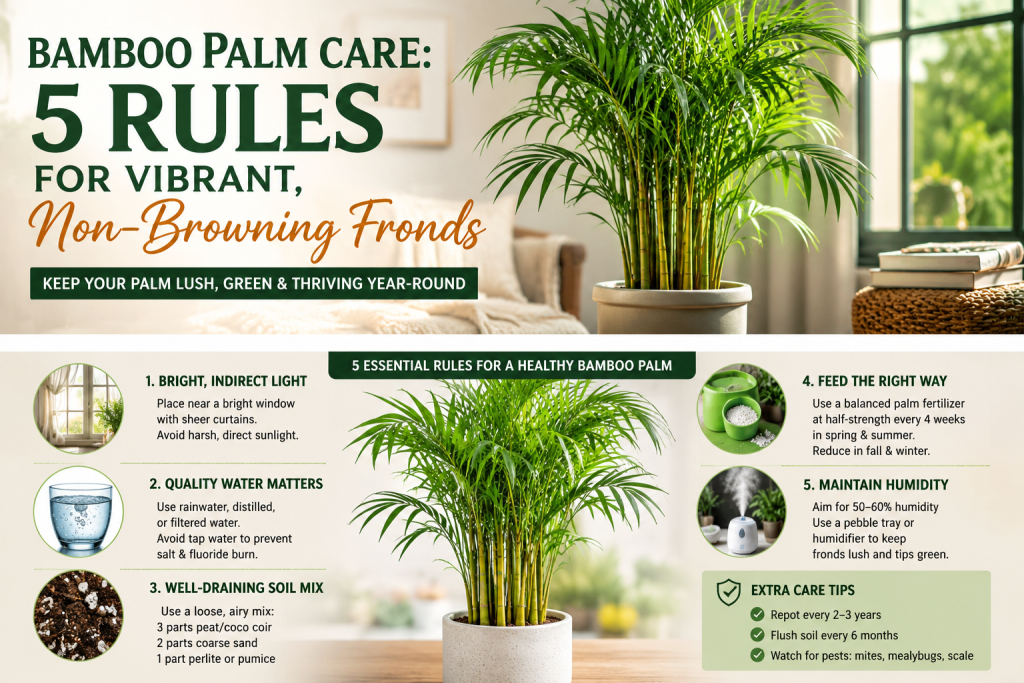
The secret to a flawless, picture-perfect indoor specimen doesn’t require a master’s degree in botany; it simply comes down to five core rules. By moving past generic care advice and fine-tuning your routine to match what this plant actually craves, you can completely avoid cosmetic damage and root stress. Let’s look at the exact steps to keep your indoor palm ultra-bushy, lush, and vibrant year-round.
The Hidden Contrast: Foliage Safety vs. Berry Toxicity
When introducing a new plant to a busy home, understanding safety is paramount. There is significant confusion surrounding the safety profile of the bamboo palm, and resolving this contradiction is crucial for a worry-free home environment.
Why the Leaves are Pet-Friendly, but the Fruit is Dangerous
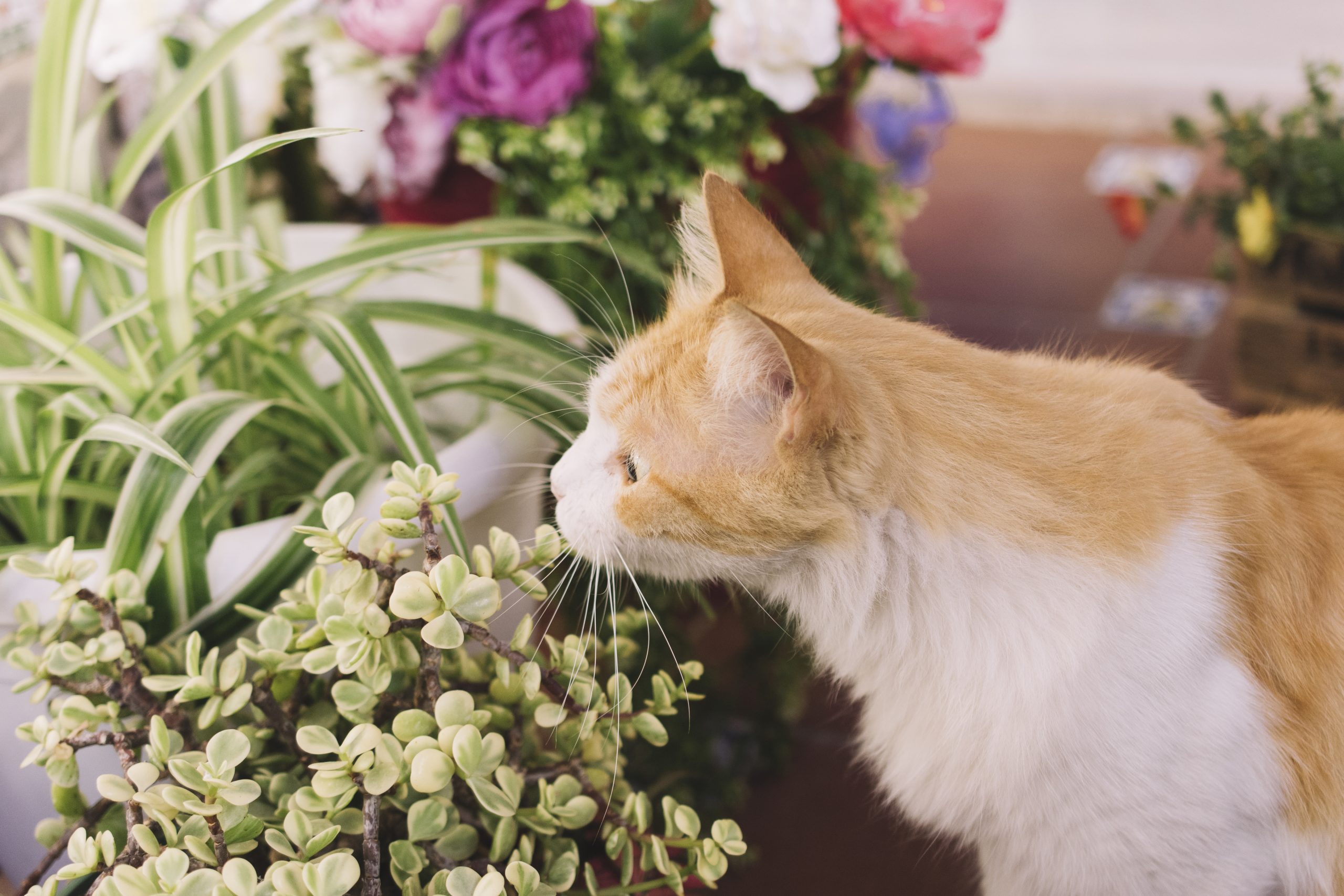
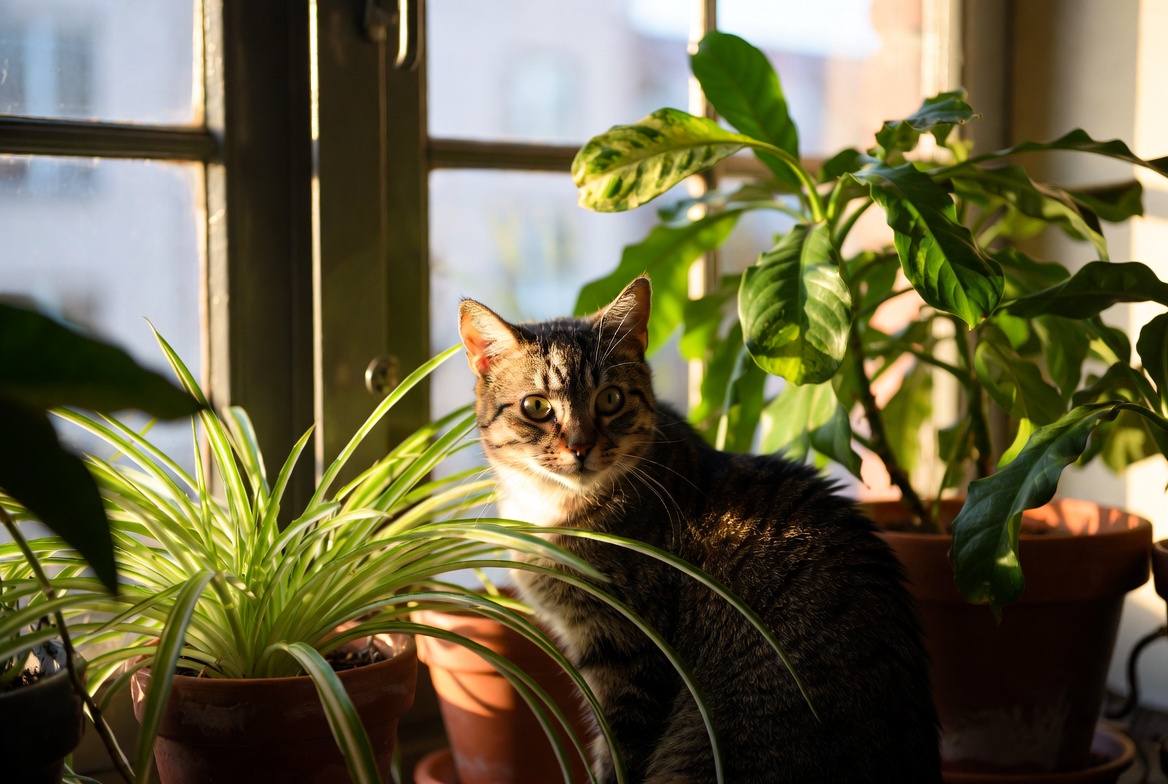
The green fronds and stems of the Chamaedorea seifrizii are completely non-toxic to humans, dogs, and cats. If your curious pet nibbles on a low-hanging leaf, there is no medical cause for alarm.
However, mature indoor plants, especially female specimens under optimal light, may occasionally produce small, golden-yellow flower clusters that mature into round, bluish-black berries. These berries contain high concentrations of oxalic acid and are highly irritating.
The Pet and Child Safety Mandate:
The flesh of the berries can cause painful contact dermatitis if handled with bare skin. If ingested, the oxalic acid crystals cause severe burning of the mouth and throat. As a proactive measure, always clip away floral spikes as soon as they appear in spring to eliminate any risk to children or roaming pets.
1. Recreating the Understory Light Hierarchy
Back home in the rainforests of Mexico and Central America, the bamboo palm grows happily beneath the dense shade of much taller tropical trees. This means its delicate pinnate leaves are built for dappled, filtered sunlight, not harsh, blinding heat.
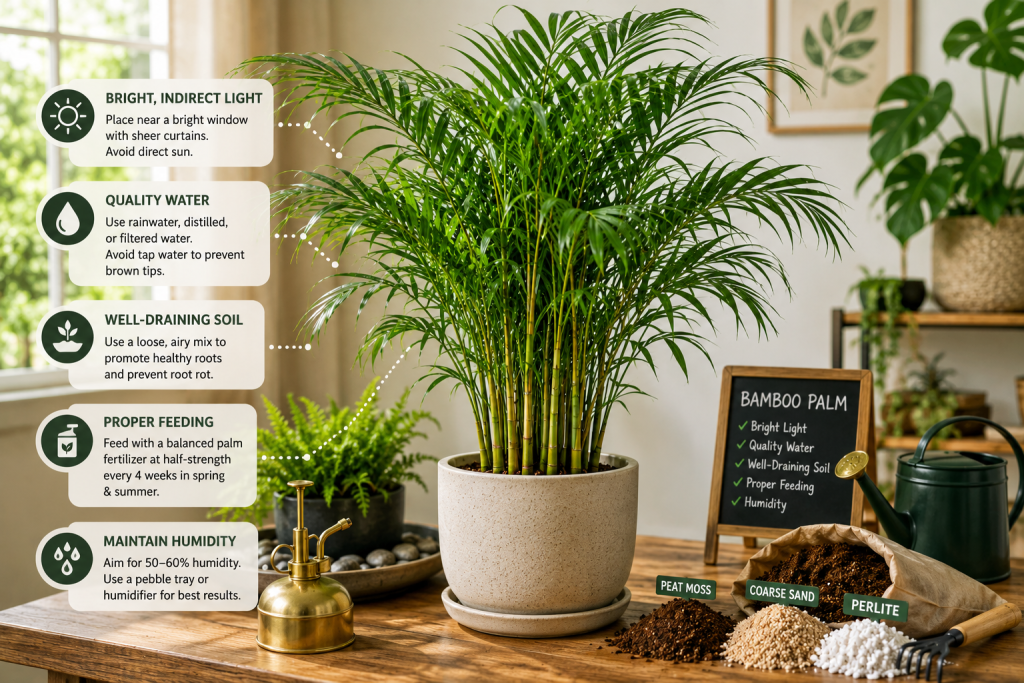
Indoors, you want to recreate this exact vibe. The perfect spot for your palm is right next to a bright south- or west-facing window that has a sheer, see-through curtain. This gives the plant all the bright energy it needs to grow fresh shoots without cooking the leaves under raw solar rays. While it can tolerate lower-light corners better than most tropical plants, prolonged dark conditions will cause the growth rate to stall entirely and result in a thin, leggy appearance.
2. Preventing Salt and Fluoride Toxicity (The Hydration Blueprint)
More indoor palms are ruined by the quality of water than how often they are watered. While this species prefers a consistently moist potting soil, it is extremely sensitive to dissolved minerals, salts, chlorine, and chemical fluoride found in municipal tap water.
When you pour standard municipal tap water into the container, the palm drinks it up and pushes those unfilterable chemicals all the way out to its furthest points the very tips of the leaflets. Over time, these minerals accumulate there and literally burn the plant’s delicate leaf tissues, creating dry, brittle brown tips.
To stop chemical tip burn for good, skip the tap water. Instead, feed your palm pure rainwater, distilled water, or filtered reverse-osmosis water. When watering, apply water evenly until it flows freely from the bottom drainage holes, ensuring the root ball is thoroughly saturated. Always empty the drainage saucer within twenty minutes to prevent the roots from suffocating in standing water.
3. The Substrate Matrix: Perfecting the Aeration Ratio
Using heavy, cheap garden soil or dense potting mix will suffocate an indoor bamboo palm and cause root rot in no time. The root system requires a loose, highly porous structure that allows rapid drainage while maintaining uniform ambient moisture. The ideal target mix should be rich in organic matter and slightly acidic to neutral.
You can mix up the ultimate palm soil at home using this simple recipe:
- 3 Parts Premium Peat Moss or Coco Coir: Forms a lightweight base that retains just the right amount of moisture.
- 2 Parts Coarse Horticultural Sand: Adds a gritty, natural texture that lets excess water drain away instantly.
- 1 Part Perlite or Pumice: Creates permanent, tiny air pockets in the pot so the soil never packs down tightly around the roots over time.
4. The Macro-Feeding Protocol: Balancing Nitrogen and Potassium
Because the bamboo palm is a clumping evergreen that continuously pushes up new, cane-like stems from its base, it requires regular nutrients during the active spring and summer growing seasons. However, over-fertilizing with harsh, low-grade chemicals will flash-burn the roots and result in yellowing leaf margins.
When spring and summer arrive, apply a balanced, water-soluble fertilizer specifically formulated for palms at half-strength every 4 weeks. This ensures a steady supply of nitrogen for deep green fronds and potassium for structural stem development. Always ensure the soil is slightly damp before applying fertilizer; feeding a bone-dry plant allows fertilizer salts to scorch the roots. Reduce feeding significantly during autumn and winter when plant metabolism slows down.
5. Managing Humidity Without Fungal Spots (The Canopy Microclimate)
Even if your lighting and watering are perfect, keeping a tropical understory plant in dry, air-conditioned, or heated indoor air will quickly make the edges of its leaves crunchy and dry. The bamboo palm loves a relative humidity level of at least 50% to 60%.
To maintain this microclimate safely:
- Utilize Pebble Trays: Set the pot on a wide tray filled with gravel and water. Ensure the bottom of the container sits cleanly on dry pebbles and never touches the water directly to keep roots safe from rot.
- Run a Dedicated Humidifier: Placing a small humidifier nearby is the most effective way to sustain steady humidity levels.
- Avoid Excessive Spray Misting: Constantly spraying the leaves with a water bottle is inefficient and creates a stagnant film on the foliage. This often encourages fungal leaf spot diseases in rooms with poor air circulation.
Advanced Growth & Maintenance Strategies
As your palm matures, it requires structural care that goes beyond simple watering and feeding. Implementing advanced propagation and repotting techniques ensures the plant remains vigorous for years.
The Step-by-Step Clumping Division Method
While seed propagation is possible, it is notoriously slow, taking several weeks to months for germination to occur. Because Chamaedorea seifrizii is a clumping palm that expands by producing offsets from the base, division is a much faster method to get new, mature plants.
- Preparation: Undertake division only in early spring when the plant is entering its peak growth phase. Water the palm thoroughly 24 hours prior to soften the root ball.
- Extraction: Gently slide the entire plant out of its pot. Carefully shake away loose soil to expose the interconnected root network and basal stems.
- Separation: Identify a self-contained outer cluster of canes that possesses its own established, independent root system. Using a sharp, sterilized pruning knife, make a clean vertical slice through the tough connecting underground rhizome.
- Potting: Plant the newly separated division into its own container using the airy substrate mix detailed above. Keep the soil evenly moist and place it in a warm, high-humidity environment with bright indirect light until new growth confirms root recovery.
The Repotting Depth Formula: Protecting Basal Nodes
Bamboo palms have an upright growth habit, with outer stems leaning slightly outward to form an elegant inverted cone. Because they grow top-heavy, choosing a heavy clay or ceramic container with a wide base is essential to prevent tipping.
When repotting, which should only be done every 2 to 3 years, pay strict attention to the root collar depth. Burying the plant too deep in the new container traps moisture around the tender new basal shoots, inducing stem rot. Conversely, planting it too shallow exposes delicate anchor roots, destabilizing the entire plant. Always position the palm so that the soil line sits exactly where it did in the old pot, keeping the base of the stems clear of buried substrate.
Comprehensive Troubleshooting & Pest Management
Keeping an eye out for changes in your palm’s appearance allows you to catch issues early before they compromise the plant’s health.
Indoor Pest Identification Table
| Pest Type | Visible Symptoms on Palm | Direct Causes | Primary Treatment Protocol |
| Spider Mites | Fine webbing on the undersides of fronds; speckled, pale, or dusty leaflets. | Excessively dry air and low ambient humidity. | Wash leaves thoroughly with water; apply organic neem oil or insecticidal soap. |
| Mealybugs | Sticky honeydew residue; white, cotton-like clusters nested in stem joints. | Hidden infestations from new nursery stock. | Remove manually using a cotton swab dipped in rubbing alcohol; spray with insecticidal soap. |
| Scale Insects | Hard, waxy, brown oval bumps adhering firmly to the cane-like stems. | Poor air circulation and stagnant conditions. | Scrape off manually with a soft brush; apply horticultural oil to suffocate crawling larvae. |
Implementing the Seasonal Soil Leaching Protocol
If you notice widespread yellowing or dieback on older lower leaves, it may be a sign of built-up fertilizer salts and tap water minerals within the soil matrix. To save the roots, perform a thorough soil leaching every six months.
Take the container outdoors or to a shower stall. Pour a generous amount of pure distilled water or rainwater through the pot, allowing it to drain completely out the bottom for several minutes. This process dissolves and flushes away accumulated mineral crystals, instantly refreshing the root environment.
Conclusion: Golden Rules for a Lasting Tropical Oasis
Mastering indoor bamboo palm care doesn’t require a green thumb—it just requires consistency. By stepping away from standard, generic plant care routines and paying close attention to these five essential adjustments, you can easily protect your plant from cosmetic damage. Remember that water quality is your primary defense against crispy edges, while proper lighting and a highly aerated soil mix will keep those signature golden stems pushing out lush new growth season after season. Treat your palm to this targeted, natural approach, and it will remain a vibrant, air-purifying, and stunning centerpiece in your home for years to come.
Comprehensive FAQ Section
1. Should I trim off the dead brown tips on my palm leaves?
Yes, you can trim away dead brown leaf tissue for aesthetic reasons. Use sharp, clean scissors and cut at a slight angle to mimic the natural pointed shape of the leaflet. Be sure to leave a tiny sliver of brown behind; cutting directly into the living green tissue creates a fresh wound that can cause the leaf to brown further down.
2. How do I know if my palm is suffering from overwatering vs. underwatering?
Overwatered palms will display soft, yellowing leaves and soggy, foul-smelling soil, indicating root rot. An underwatered palm will have crisp, brown tips across the entire canopy, and the soil will pull away tightly from the inside edges of the pot. Use a moisture meter to ensure you only water when the top inch of substrate has dried out completely.
3. Why are the bottom leaves on my palm turning brown and dying?
If it is only happening to the oldest, lowest leaves on the cane, this is a completely natural process. As the bamboo palm grows and pushes up fresh fronds from the center of the crown, it naturally sheds its lowest leaves to redirect its energy. Simply trim these off at the base of the stem once they are completely spent.
4. How long do bamboo palms typically live when kept strictly indoors?
When grown in bright indirect light, provided with well-aerating soil, and protected from toxic tap water mineral buildup, an indoor bamboo palm can easily live for 10 to 12 years. Their slow-to-moderate growth rate ensures they won’t quickly outgrow their designated indoor space.
5. Why is my indoor bamboo palm not growing any flowers or fruit?
While outdoor specimens in tropical zones 10–11 bloom readily, they rarely flower inside the home. Indoor environments lack the consistent, high-intensity solar energy and heavy humidity needed to trigger the blooming cycle. This is perfectly normal and actually saves you the chore of pruning away messy berry clusters.