Indoor gardening is more than just a hobby; it is about bringing a bit of the wild into our living rooms. If you are looking for something that has that classic, lush look without being a total “drama queen,” the Button Fern (Pellaea rotundifolia) is a fantastic choice. Originally hailing from the rugged landscapes of New Zealand and Australia, this little evergreen has become a favorite for people who want the beauty of a fern without the constant headache of high-maintenance care.
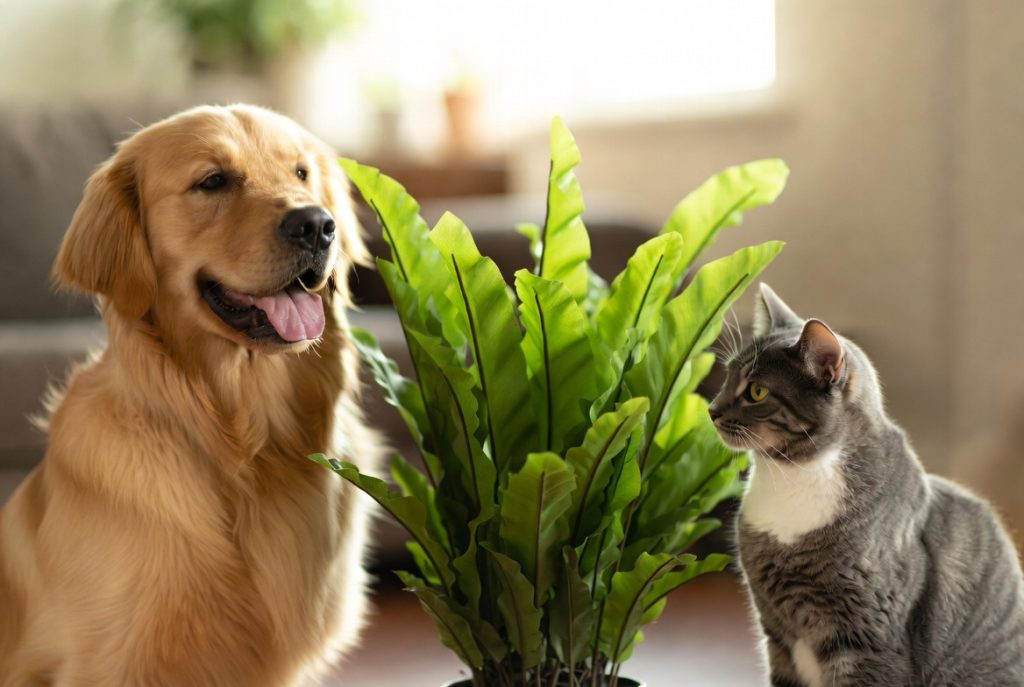
When you’re setting up your indoor jungle, safety is usually the first thing on your mind if you have furry roommates. You’ve probably found yourself wondering: Is a button fern pet-friendly? or Is a button fern poisonous to dogs? It is a fair concern, especially since some plants can be sneaky. The good news is that the button fern is a total non-toxic superstar. In this guide, we’ll dive into how to keep this plant happy and why it’s one of the best choices for a pet-safe home.
Technical Specifications: At a Glance
- Common Name: Button Fern, Round-Leafed Fern
- Botanical Name: Pellaea rotundifolia
- Plant Type: Herbaceous Perennial
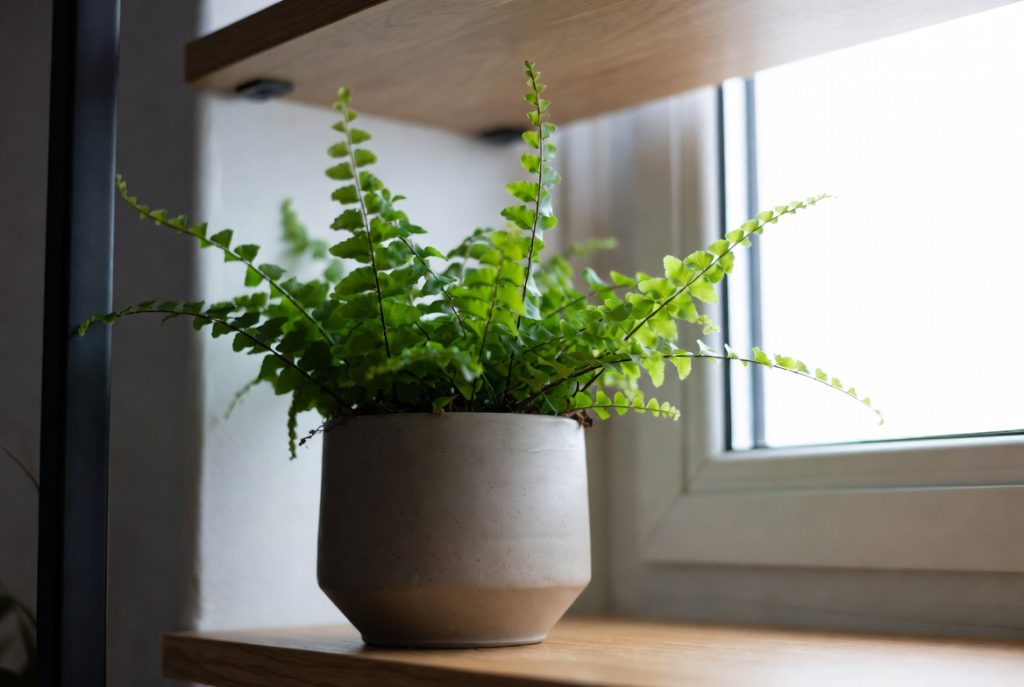
- Mature Size: 6 to 12 inches tall and wide
- Sun Exposure: Medium to bright indirect light
- Soil Type: Well-drained, loamy potting mix
- Soil pH: Acidic to Neutral
- Toxicity: Pet-Safe (Non-toxic to dogs and cats)
- Environment: Primarily Indoor (Outdoor in zones 9-11)
1. Is the Button Fern Pet-Friendly?
Yes, it absolutely is. If you were worried and asking, “Is button fern poisonous to dogs?” you can relax. The ASPCA and other animal safety experts list the Pellaea rotundifolia as non-toxic to dogs, cats, and even horses.
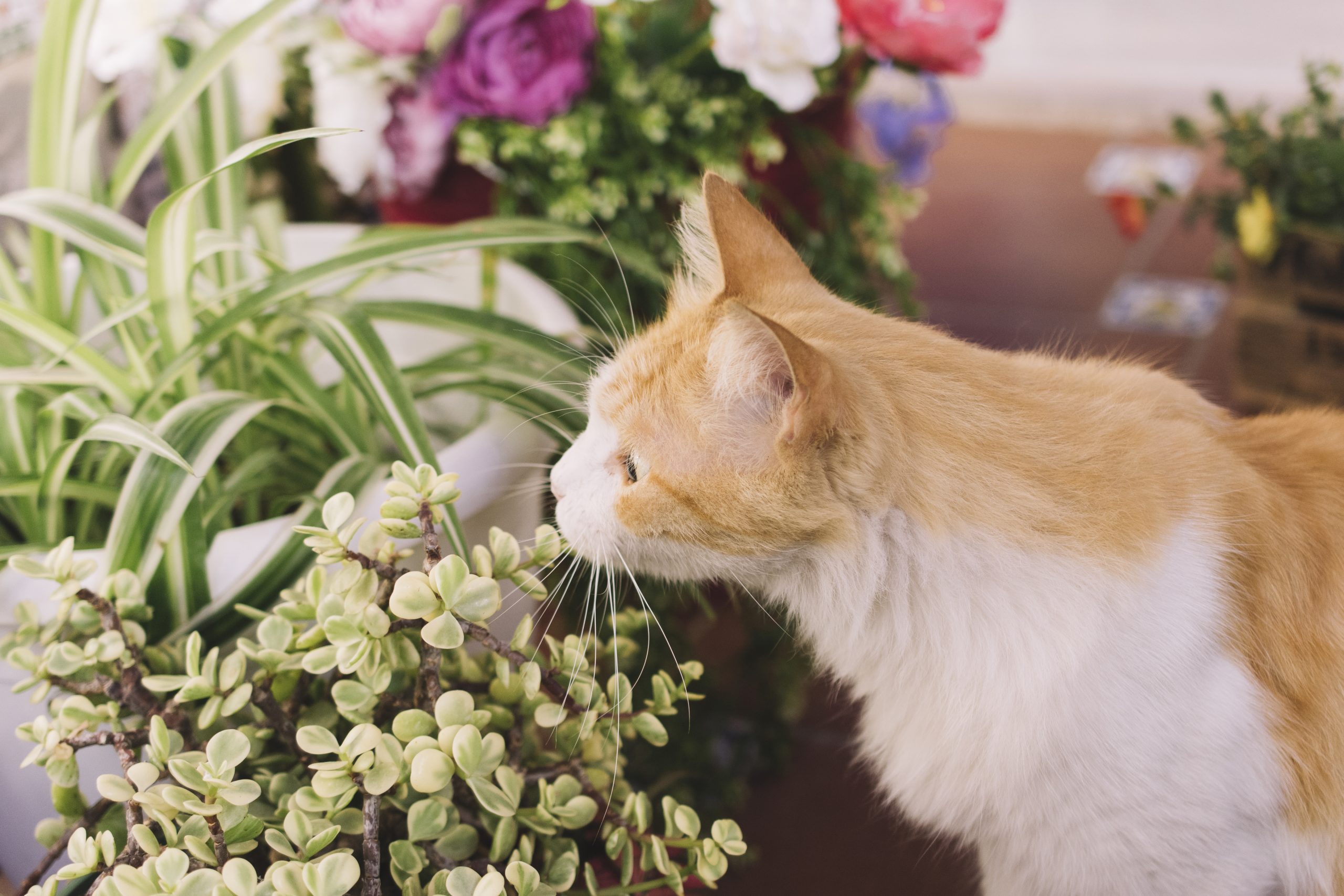
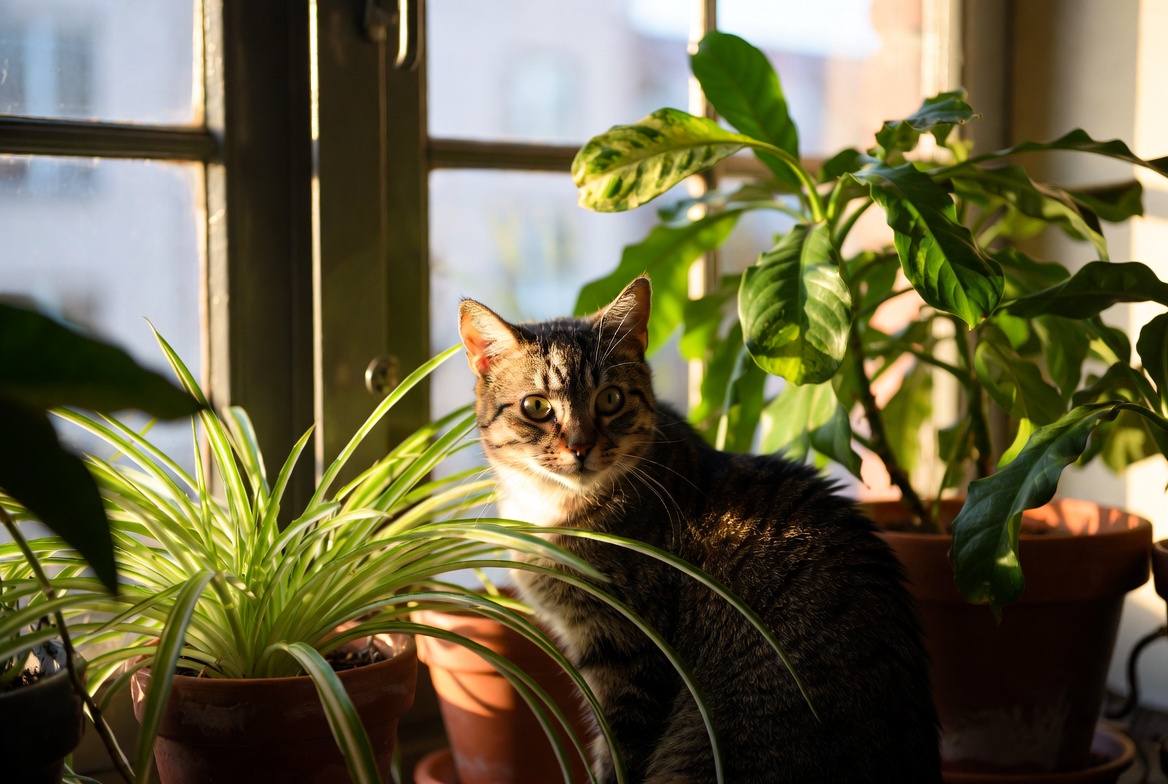
A lot of people ask, “Are ferns poisonous to pets?” The answer depends on which one you’re talking about. You have to be careful with “false” ferns, like the emerald feather fern, which is actually part of the lily family and very toxic. But the button fern is a true fern, so it is totally safe. Even if your cat decided to bat at a frond or your dog took a curious nibble, they wouldn’t end up with systemic poisoning.
What is a silent poison for dogs? While we’re on the subject of safety, it’s worth mentioning “silent poisons.” These are things that don’t show symptoms right away but do damage over time, like Xylitol in sugar-free gum or certain lilies. The Button Fern isn’t one of those—it’s a safe, transparent choice for any pet-loving household.
2. Is Button Fern Indoor or Outdoor?
One of the most common questions is, “Is the button fern indoor or outdoor?” For most of us, this is definitely an indoor plant. It loves the stable, comfortable temperatures of a home. If you happen to live in a very warm spot like USDA Zones 9 through 11, you could grow it outside in a shaded, protected corner. It prefers areas that remain cool and damp because it grows naturally in rocky cracks and coastal woodlands.
3. Are Button Ferns Hard to Take Care Of?
If you’ve struggled with ferns before, you might be asking the following: Are button ferns hard to take care of? Honestly, they are way easier than the temperamental Boston or Maidenhair ferns. The button fern has leathery, waxy leaves that are much better at holding onto moisture. It still needs some attention, but it won’t throw a tantrum if the humidity drops for a day or if you’re a little late with the watering can. It’s basically the “entry-level” fern for beginners.
4. Light Requirements: Finding the Sweet Spot
The Button Fern isn’t a fan of being in the spotlight. Direct afternoon sun is way too harsh and will scorch those round little leaves until they’re brown and crispy.
Your best bet is a spot with medium to bright indirect light. Think of a north-facing or east-facing window. If the stems start looking really long and “leggy,” the plant is basically reaching for more light. If the leaves look pale or bleached out, it’s getting too much sun and needs to be moved back from the window.
5. How to Handle Watering
Most ferns love a swampy environment, but the button fern prefers to be kept “damp but not drenched.”
Stick your finger an inch into the soil. If it feels dry, go ahead and water it. Just make sure the pot has good drainage. You never want your button fern sitting in a saucer of old water because that’s a one-way ticket to root rot. Try to keep things consistent—swinging between bone-dry and soaking wet will just stress the plant out.
6. Soil and Potting Secrets
Since this plant is a relatively slow grower, you won’t have to worry about repotting it every five minutes. Once every two or three years is usually plenty.
When you do repot, look for a soil mix that holds moisture but still lets air in. A mix with peat moss or coco coir and a bit of perlite works wonders. These ferns also like things slightly acidic, so adding a little organic compost can help keep the pH right where they like it.
7. Keeping the Temperature Right
Even though this fern is tougher than most, it still likes that tropical vibe. Try to keep your home between 18°C and 27°C. Keep it away from cold drafts, air conditioners, or those drying heating vents. For humidity, aim for about 40% to 50%. If your house gets really dry in the winter, you can group your plants together or put a small humidifier nearby to keep the air from getting too “crispy.”
8. Solving Common Problems
Plants can’t talk, but they do show signs when they’re unhappy. If the leaves are turning yellow, you’re probably overwatering. Check the soil and let it dry out a bit more. If the tips are turning brown and crispy, the air is likely too dry or the plant needs a drink. If it suddenly starts dropping leaves, it’s usually in shock from a sudden temperature change or a period of total drought.
9. Keeping It Looking Fresh
You don’t need to be a master pruner to keep a button fern looking good. If you see old, browning fronds at the bottom, just snip them off with clean scissors. This helps the plant focus its energy on new, healthy growth. It’s also a good idea to wipe the leaves with a damp cloth once in a while to get the dust off—this actually helps the plant breathe better.
10. How to Make More Plants
If you want more of them, the easiest way is to divide the plant when you’re repotting in the spring. Just gently take the plant out of the pot and look for the natural clusters of roots (rhizomes). Carefully cut the root ball into portions using a clean knife, ensuring that each piece has an abundance of roots and leaves. Pot them up in fresh soil, keep them warm, and you’ll have a new collection in no time.
Frequently Asked Questions (FAQs)
1. Why are my button fern leaves falling off?
This is usually a cry for help because the plant is too dry. When the soil stays dry for too long, the plant drops leaves to try to save whatever moisture it has left.
2. Can button ferns live in low light?
They can survive in low light, but they won’t thrive. You’ll notice they grow much slower and won’t look as thick and lush as they would in indirect light.
3. How big do button ferns get?
They stay pretty small, usually topping out at about 12 inches tall and wide. This makes them perfect for a desk or a bookshelf.
4. Is the button fern toxic to cats?
Nope! It is totally non-toxic to cats. It’s one of the safest plants you can have around a curious kitty.
5. Are ferns poisonous to pets?
True ferns like the button fern are safe, but “false” ferns (like the asparagus fern) can be irritating or toxic. Always double-check the specific name before bringing one home.