Bringing a fresh, aromatic pot of mint inside your kitchen feels like the ultimate indoor edible upgrade. Mint is famously known for being an aggressive weed outdoors, but many gardeners face an unexpected struggle with their indoor mint plant dying within just a few weeks.
If you are currently staring at a pot and wondering why your indoor mint plant is dying, you are definitely not alone. While mint possesses a naturally resilient root system, the artificial environment inside a house, characterized by stagnant air, low humidity, restricted root space, and uneven window lighting, stresses the plant in ways it rarely experiences in nature.
The trick to saving a declining mint plant lies in identifying the precise cultural stressor that is shutting the herb down. Whether your leaves are turning yellow from saturated roots or dropping off entirely due to starvation for light, here are the core reasons your indoor mint plant is dying and the best tactical fixes to nurse it back to full health.
The Indoor Dilemma: Why Mint Struggles Inside
In an outdoor setting, mint enjoys deep soil, intense unhampered sunlight, and natural wind currents that quickly evaporate excess soil moisture. Indoors, the plant loses these environmental safety nets.
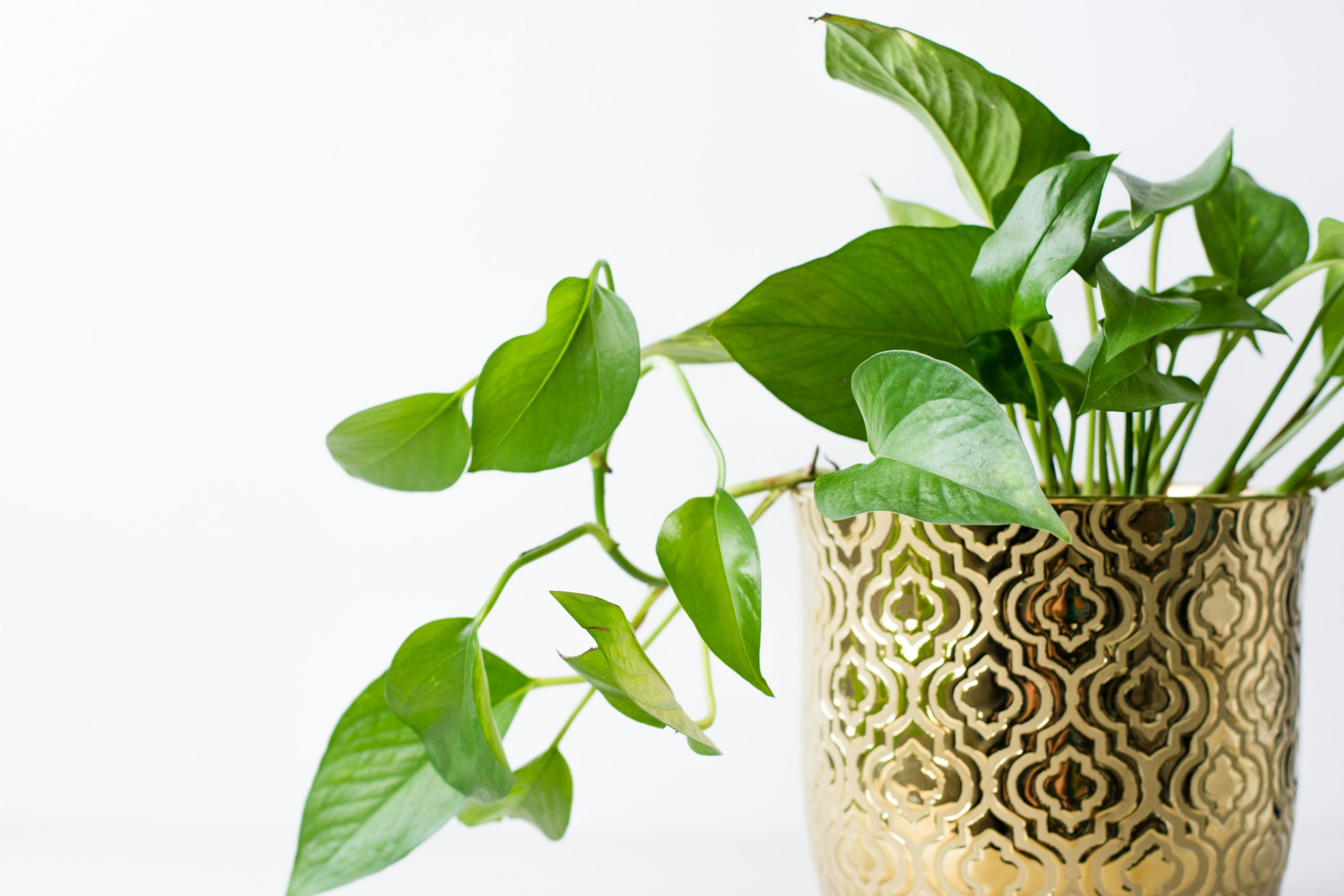
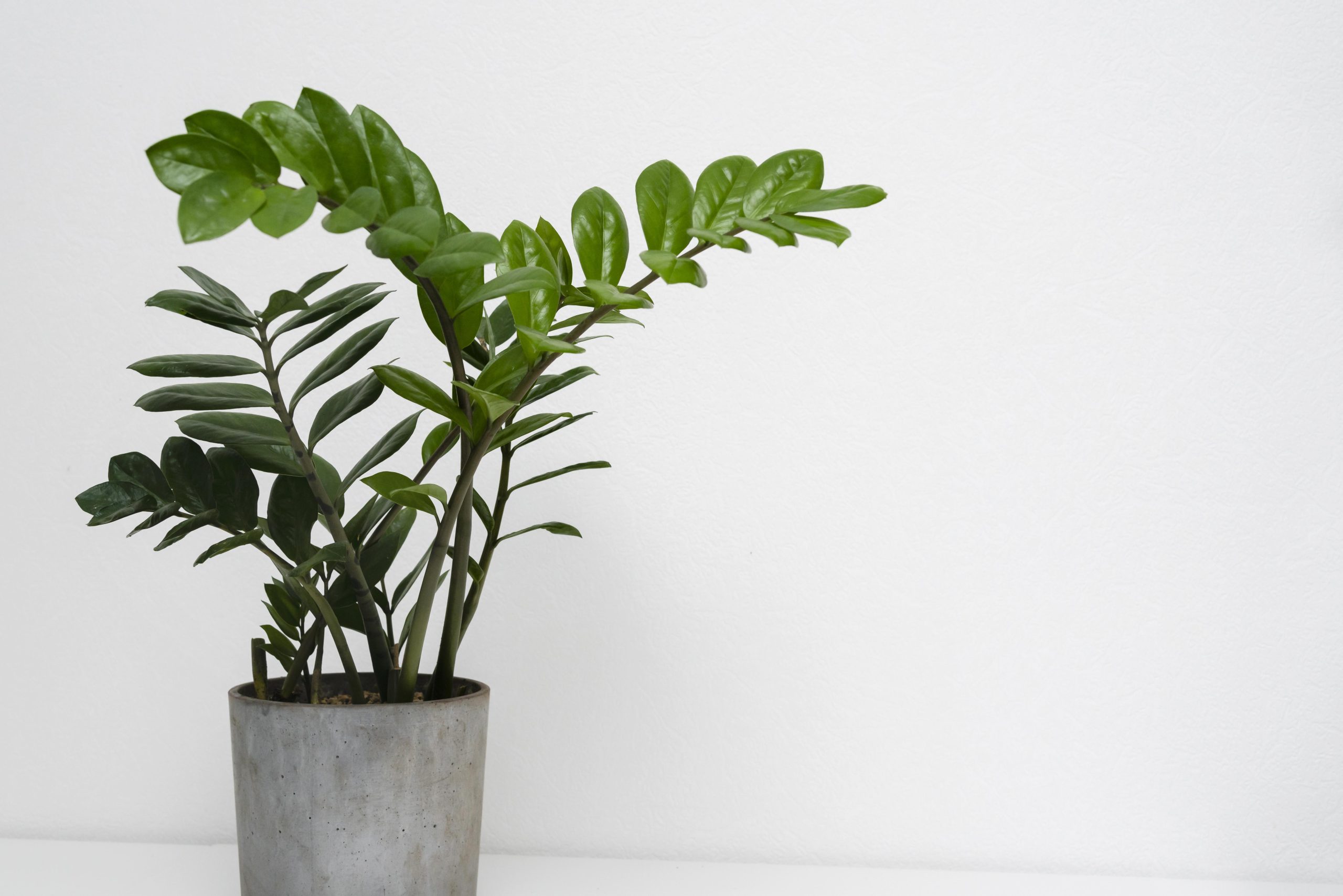
When confined to a small container, its fast-growing, aggressive root system quickly runs out of room, while indoor heating or cooling systems dry out the air. Because mint has high metabolic demands compared to standard tropical houseplants, treating it like a low-maintenance pothos or snake plant is the fastest way to accidentally kill it.
1. You Are Overwatering and Smothering the Roots
By far, the number one reason an indoor mint plant struggles and dies is overwatering, which directly causes a fatal condition known as root rot. Mint absolutely loves consistent moisture, but it completely hates sitting in waterlogged, soggy potting soil.
The Warning Signs
- The lower leaves on the stems begin turning a pale, sickly yellow and drop off with a gentle touch.
- The soil smells noticeably sour or stagnant, and the stems feel soft or mushy near the soil line.
- The plant looks completely wilted even though the potting mix is thoroughly wet to the touch.
The Best Fix
- Check the Drainage: Ensure your pot has structural drainage holes. If it doesn’t, transplant the mint into a plastic nursery pot with holes immediately.
- The Finger Test: Never water on a fixed calendar schedule. Always push your index finger one inch deep into the soil; if it feels damp, hold off on watering for another day or two.
2. Severe Underwatering Is Causing Cellular Wilt
On the opposite end of the spectrum, indoor containers dry out significantly faster than outdoor garden beds. Because mint leaves are relatively thin and delicate, they lack the thick, water-storing capacity of succulents. If the soil dries out completely down to the bottom of the pot, the plant’s cells lose their hydraulic pressure, causing the entire structure to collapse.
The Warning Signs
- The leaves suddenly become brittle, dry, and crispy at the edges.
- The entire plant droops flat across the sides of the pot overnight.
- The potting soil shrinks away from the inside edges of the container, creating a visible gap.
The Best Fix
- Bottom-Soaking Rescue: If the soil is bone-dry and hard, top-watering will just run down the inside edges without absorbing. Instead, place the entire pot into a sink filled with 3 inches of water for 30 minutes, allowing the root ball to drink upward.
- Prune the Dead Weight: Snip off any completely dry, dead stems down to the soil line to help the root system focus its remaining energy on generating new growth.
3. The Herb Is Starving for Adequate Sunlight
Mint is fundamentally a full-sun plant. It requires a massive amount of light energy to power its intense leaf production and volatile oil generation. Placing a mint plant on a dark kitchen counter away from a window is a guaranteed death sentence.
The Warning Signs
- The stems become incredibly long, thin, weak, and “leggy” as they stretch desperately toward the nearest light source.
- The distance between individual sets of leaves on the stem becomes very wide.
- New leaves emerge looking tiny, pale green, or practically translucent.
The Best Fix
- The Southern Window Rule: Move your indoor mint plant to your absolute brightest window sill—ideally a south-facing or west-facing window that receives at least 4 to 6 hours of direct sunlight daily.
- Supplement with LEDs: If your apartment lacks bright natural windows, place a small desktop LED grow light directly 6 inches above the plant and run it for 12 to 14 hours a day.
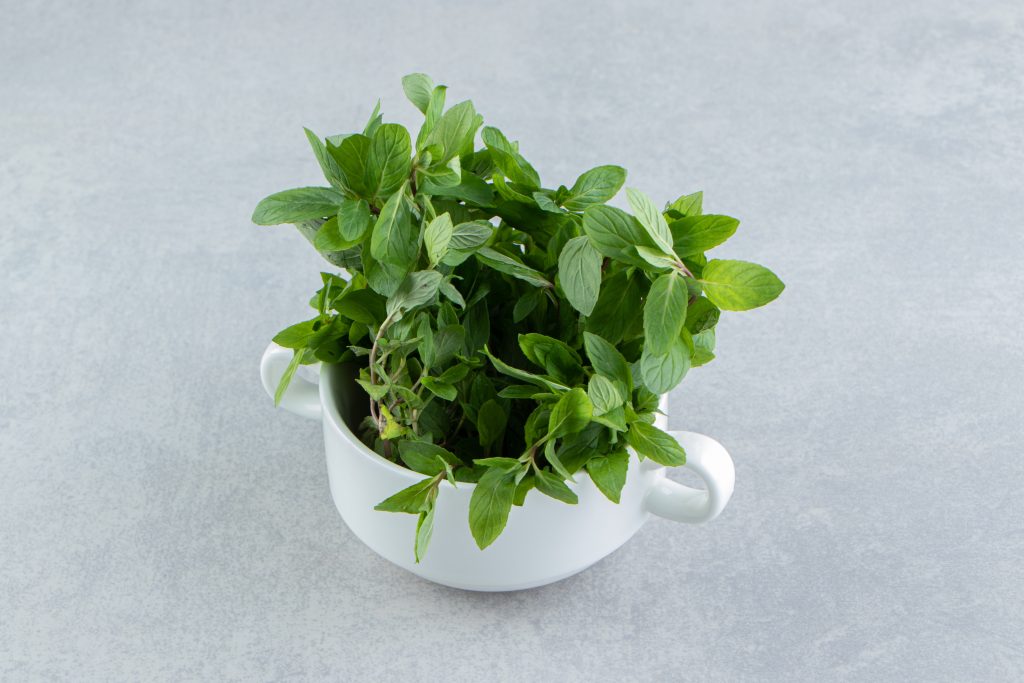
4. The Plant Has Become Destructively Root-Bound
Mint grows at an astonishing speed, expanding via aggressive underground runners called rhizomes. In an indoor pot, those roots will rapidly wrap around the inside of the container until there is practically no soil left to hold onto moisture or nutrients.
The Warning Signs
- Roots are visibly swirling around the top surface of the soil or breaking out through the drainage holes at the bottom.
- You find yourself needing to water the plant almost every single day because the pot can no longer retain moisture.
- The plant’s overall growth grinds to a halt, and leaves remain stunted.
The Best Fix
- Repot or Divide: Gently slide the mint out of its pot. Either upgrade it to a container that is 2 inches wider, or use a clean knife to slice the root ball directly down the middle into two halves, replanting each piece into fresh, nutrient-rich potting soil.
5. Stagnant Air and Low Indoor Humidity Invite Pests
Indoor air is notoriously stagnant compared to the outdoors, creating a perfect microclimate for microscopic pests like spider mites, aphids, and whiteflies to colonize the underside of your mint leaves, sucking the plant dry.
The Warning Signs
- Tiny, fine silken webbing appears around the joints of the stems and leaf tips.
- The leaves develop speckled white, yellow, or brown dots across the surface.
The Best Fix
- The Shower Treatment: Take the plant to the sink and thoroughly wash down the entire foliage with a gentle stream of room-temperature water to physically blast away the pests.
- Apply Neem Oil: Spray the leaves thoroughly with an organic, diluted neem oil solution once a week to keep invasive insects from returning.
6. High Salt Buildup from Heavy Synthetic Fertilizers
Because mint grows fast, it is tempting to feed it heavy doses of chemical fertilizers. However, in an indoor pot, these synthetic salts cannot wash away into the ground. They build up in the soil, effectively scorching the delicate root hairs and cutting off the plant’s ability to take up water.
The Warning Signs
- A crusty, white or yellowish mineral residue develops on the top layer of the potting soil or around the inner rim of the pot.
- The tips of the mint leaves turn black or deep brown overnight despite the soil being damp.
The Best Fix
- Flush the Medium: Place the pot under a running tap of lukewarm water for 5 minutes, allowing the water to drain out completely through the bottom holes to wash away the accumulated salts.
- Switch to Organics: Switch to a gentle, organic liquid seaweed or fish emulsion fertilizer diluted to half-strength, applied only once a month during the active spring and summer growing season.
Conclusion
Rescuing an indoor mint plant dying in a container comes down to balancing its basic outdoor instincts with your indoor environment. By ensuring your pot drains perfectly to avoid root rot, giving it a front-row seat at your brightest window, and stepping up your watering vigilance, you can easily reverse the decline. Mint is incredibly resilient; once you correct these environmental stressors, the root system will rapidly push out fresh, highly aromatic green shoots, keeping your kitchen stocked with edible herbs all year long.
For more ideas on what to grow next, take a look at our guide to the best indoor herbs. If you are starting from scratch, a simple herb garden setup will help your mint thrive. If your basil shows similar marks, read our guide on black basil leaves.
Frequently Asked Questions
1. Should I cut off the ugly yellow and brown leaves while reviving my mint?
Yes. Removing dead, yellowed, or diseased leaves helps the plant significantly. It stops the spread of fungal spores and prevents the mint from wasting valuable cellular energy trying to fix unsalvageable foliage, redirecting that power to new green shoots instead.
2. How fast will my indoor mint plant recover after fixing the problem?
Mint is a remarkably fast healer. If the root system hasn’t completely rotted away, you should see fresh, bright green baby leaves sprouting from the center of the crown or base of the stems within 7 to 10 days after correcting its light and water balance.
3. Can I use regular outdoor garden dirt for my indoor potted mint?
No, never use outdoor garden soil for potted indoor herbs. Garden dirt is far too dense, packs down like concrete in a container, and lacks proper aeration. It also carries dormant pest larvae and fungal pathogens indoors. Always use a lightweight, sterile potting mix blended with perlite.
4. Why is my indoor mint plant flowering, and is that a bad thing?
When mint undergoes extreme environmental stress (like running out of water or getting root-bound), it panics and produces tiny flowers to reproduce before it dies. Bolting flowering makes the edible leaves taste bitter. Snip the flower buds off immediately to force the plant back into leaf production.
5. Is indoor mint a perennial that will live for multiple years?
Yes, mint is a hardy perennial. Indoors, as long as you prevent root rot, give it adequate sunlight, and aggressively prune it back a few times a year to encourage fresh growth, a single mint plant can happily live on your kitchen windowsill for several years.