Spider plants are one of the most forgiving and adaptable houseplants you can grow, and their relationship with light is a big part of why they do so well in so many different indoor environments. But “adaptable” doesn’t mean “any light will do,” and understanding exactly how much light spider plants need will help you get the best growth, the most vibrant color, and those famous cascading baby plantlets that make this plant so popular. Here is everything you need to know about spider plant light requirements.
How Much Light Do Spider Plants Need?
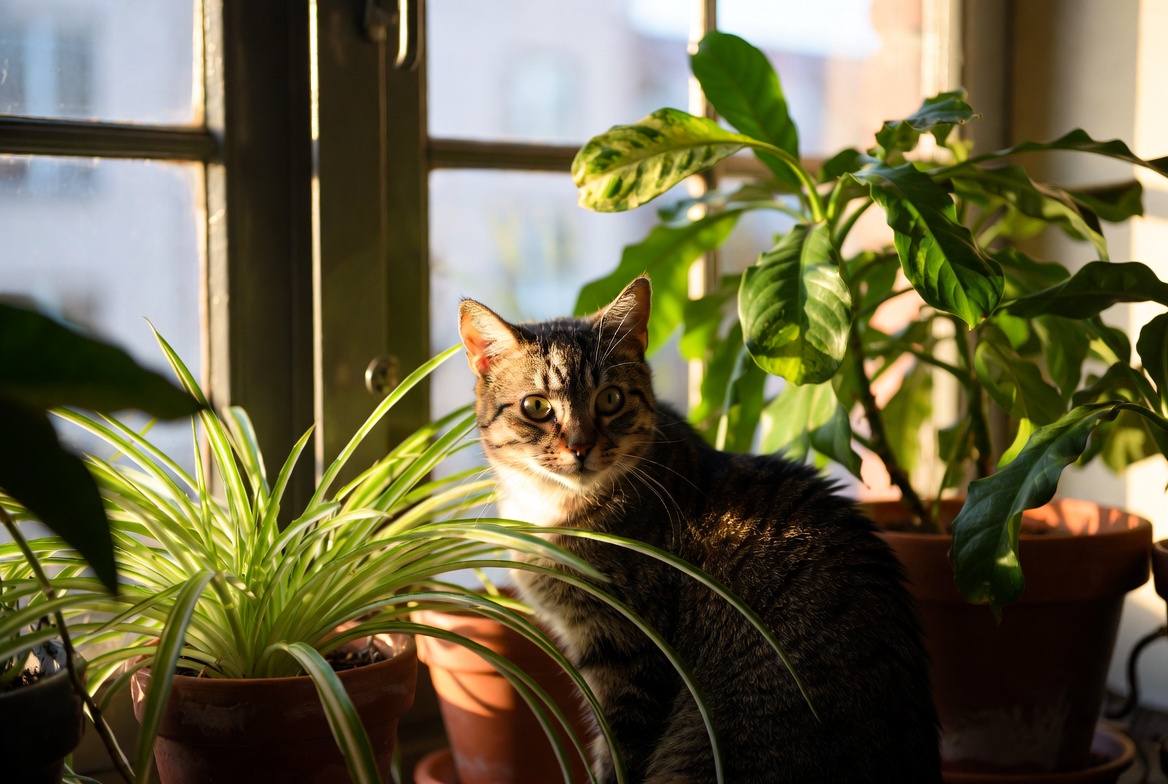
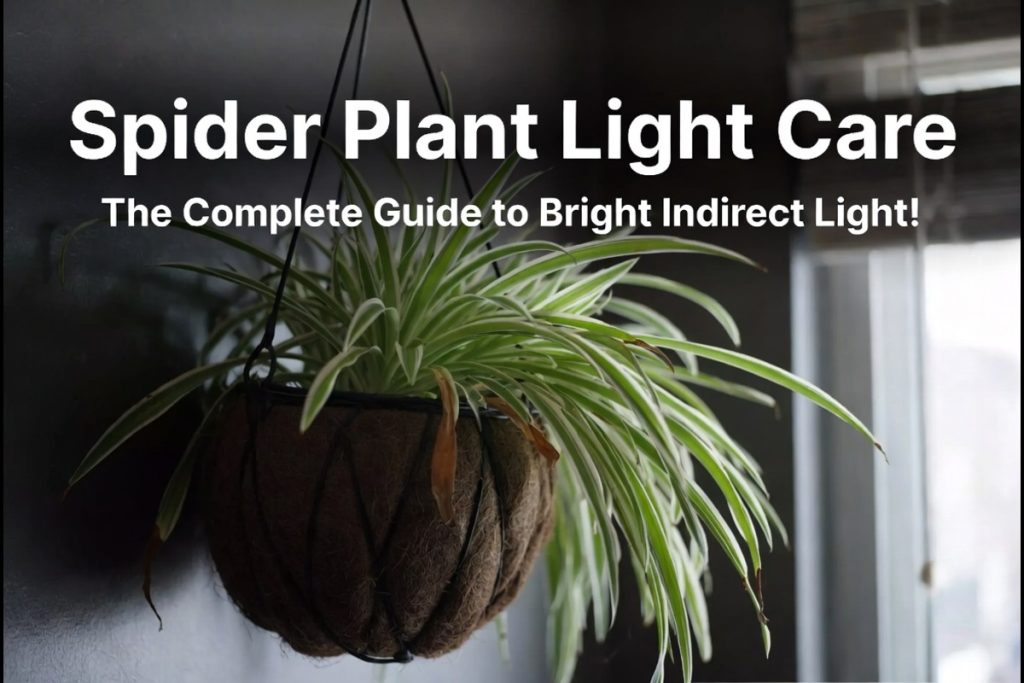
Spider plants do best in bright, indirect light. This means a spot where the plant receives good natural light throughout the day but is not exposed to direct, intense sunlight on its leaves. Near a window that gets morning light, or a few feet back from a brighter south or west-facing window, are both good positions.
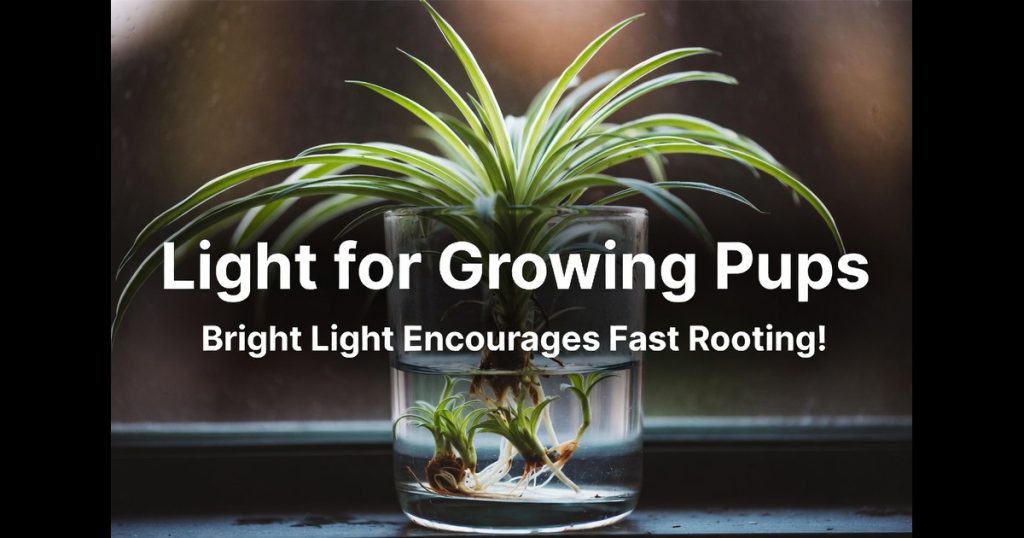
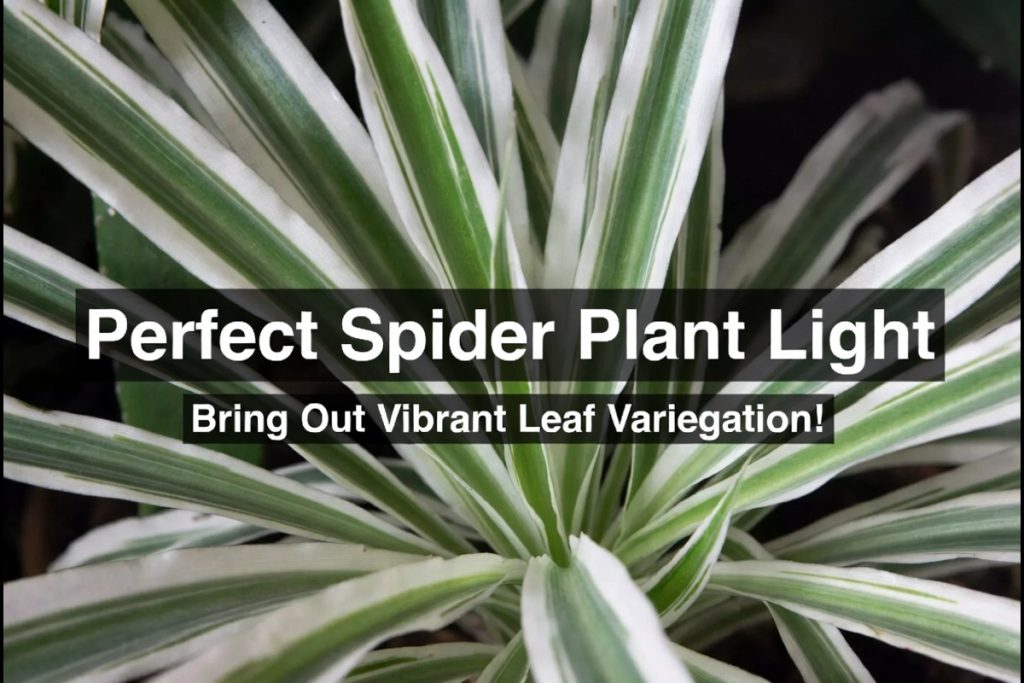
In bright indirect light, spider plants grow vigorously, maintain their characteristic variegation (the white or yellow stripe running down the center or edges of the leaves), and are most likely to produce the long runners with baby plantlets that many growers look forward to.
Can Spider Plants Survive in Low Light?
Yes, spider plants are one of the better houseplants for lower light conditions, and this is one of the reasons they are so commonly recommended for offices, bathrooms, and other spaces without strong natural light.
However, there is an important distinction between surviving in low light and thriving in it. In low light conditions, spider plants will grow more slowly, produce fewer or no baby plantlets, and may lose some of their variegation, with the leaves gradually becoming more uniformly green rather than striped. The plant stays alive and relatively healthy, but it won’t look its best or grow as actively.
If your spider plant has been in a low-light spot for a while and seems slow or has lost its stripe, moving it to a brighter location will usually prompt a noticeable improvement within a few weeks.
Can Spider Plants Handle Direct Sunlight?
Spider plants can tolerate some direct sun, particularly the gentler morning sun from an east-facing window, without significant problems. However, direct intense sunlight, especially through a south or west-facing window during the afternoon, can scorch the leaves, causing brown, bleached patches or crispy brown tips that won’t recover.
If your spider plant is near a window that gets direct afternoon sun, moving it a few feet back from the glass or using a sheer curtain to filter the intensity will protect the leaves while still providing plenty of light.
What Happens to Spider Plants in Different Light Conditions?
Understanding what to expect in each light scenario helps you make the best placement decision for your space.
Bright indirect light: Best overall growth, strong variegation, active production of runners and baby plantlets, healthy green color with clear white or yellow stripes.
Medium indirect light: Decent growth, reasonable variegation, some plantlet production, generally healthy appearance with slightly slower growth than in brighter conditions.
Low light: Slow growth, reduced or no plantlet production, possible fading of variegation toward a more uniform green, leaves may become slightly narrower and less vibrant.
Direct intense sunlight: Risk of leaf scorch, brown patches, and crispy brown tips. The plant survives but the leaves can be permanently damaged by intense sun exposure.
How to Tell If Your Spider Plant Is Getting the Right Amount of Light
Your spider plant will give you clear signals about whether its light situation is right.
Signs of too little light: Slow or no growth, leaves becoming uniformly green with little or no stripe, no runner or plantlet production, overall pale or washed-out appearance.
Signs of too much direct sun: Brown, bleached, or scorched patches on leaves, crispy brown tips that appear suddenly after a change in position or season, leaves looking dry and stressed despite adequate watering.
Signs of the right light: Active growth, clear and vibrant variegation, regular production of runners and baby plantlets in a mature plant, healthy green color with good stripe contrast.
Best Window Positions for Spider Plants
East-facing window: Excellent. Provides gentle morning light without intense afternoon sun. This is often the ideal position for spider plants.
North-facing window: Acceptable. Provides lower, indirect light that spider plants can survive in, though growth will be slower and variegation may fade over time.
West-facing window: Good if placed a few feet back from the glass. The afternoon sun through a west-facing window can be intense, but positioned slightly away from direct exposure, spider plants do well here.
South-facing window: Best avoided for direct placement. The intensity of south-facing sun, particularly in summer, is likely to scorch the leaves. If a south-facing window is your only option, place the plant several feet back and use a sheer curtain.
Does Variegation Affect Light Needs?
Spider plants come in both variegated varieties (with white or yellow stripes) and solid green varieties. Variegated spider plants generally benefit from slightly more light than solid green ones, since the white or yellow sections of the leaf contain less chlorophyll and the plant needs more light overall to compensate. In low light, variegated spider plants tend to lose their stripe faster than solid green ones.
Artificial Light for Spider Plants
If your space doesn’t have adequate natural light, spider plants respond well to artificial grow lights. A full-spectrum LED grow light placed 12 to 18 inches above the plant for 12 to 14 hours per day can effectively substitute for natural light and will support healthy growth and even plantlet production. This makes spider plants a practical choice for offices or rooms with no windows.
Conclusion
How much light do spider plants need? The honest answer is that they are flexible enough to adapt to a wide range of conditions, but they genuinely thrive in bright indirect light. Getting the light right is the single easiest thing you can do to unlock the best growth, the strongest variegation, and those cascading runners full of baby plantlets that make spider plants such a rewarding plant to grow. Start with a bright, indirect spot, watch how the plant responds, and adjust from there.
Frequently Asked Questions
Can spider plants live in a room with no windows?
They can survive for a time under artificial lighting, but without any natural or grow light, they will gradually decline. A full-spectrum LED grow light used for 12 to 14 hours per day is the best solution for windowless spaces.
Why is my spider plant losing its stripes?
Fading variegation in spider plants is almost always caused by insufficient light. Moving the plant to a brighter spot with more indirect light will usually restore the stripe over time as new leaves grow in with stronger variegation.
How far from a window should a spider plant be?
For most windows, placing the plant within two to four feet of the glass provides good indirect light. For south or west-facing windows with intense direct sun, keeping the plant three to five feet back or using a sheer curtain will protect it while still providing adequate brightness.
Do spider plants need sunlight every day?
They benefit from consistent light every day, but they are tolerant of occasional cloudy days or lower light periods without significant problems. Consistent bright indirect light over time produces the best results.
Will my spider plant produce babies in low light?
Plantlet production is significantly reduced or stops entirely in low light conditions. Spider plants typically only produce runners and babies when they are mature and receiving adequate bright indirect light. Moving the plant to a brighter spot is the most reliable way to encourage plantlet production.