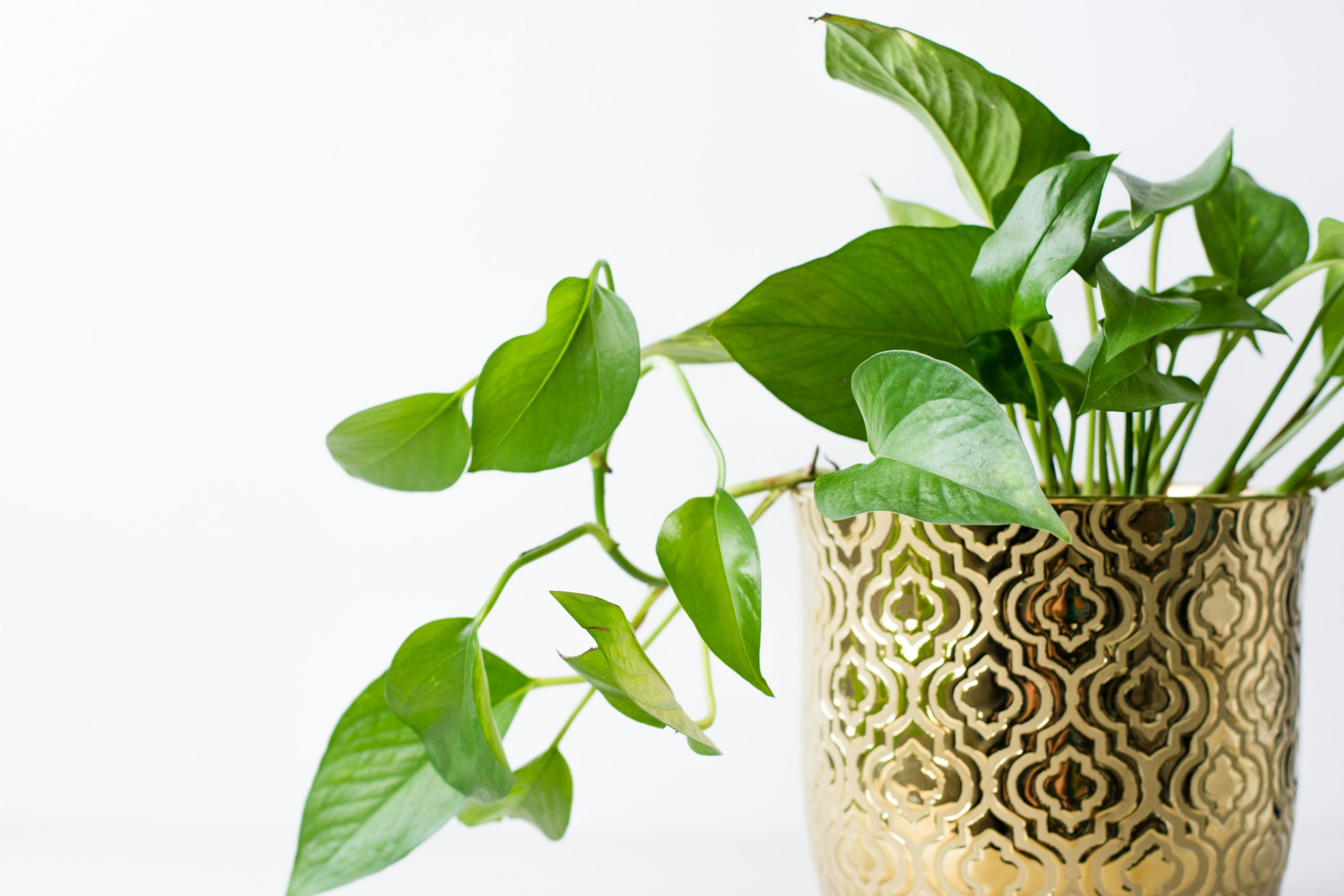
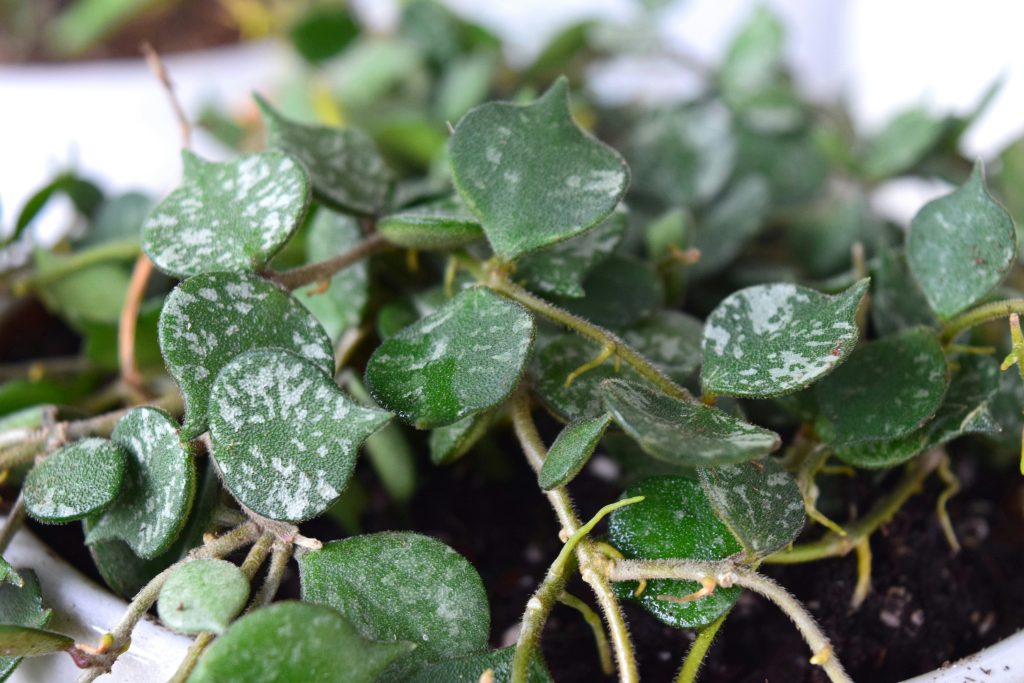
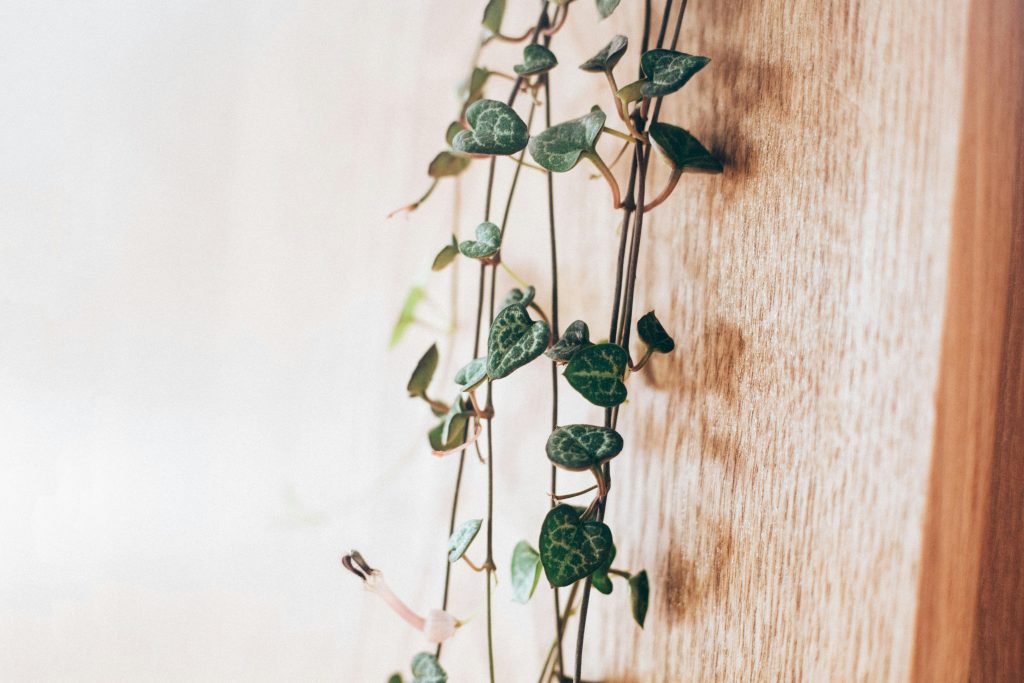
The Swedish Ivy (Plectranthus verticillatus) is a classic of the indoor gardening world, beloved for its glossy, scalloped leaves and rapid growth rate. Despite its name, it is neither from Sweden nor is it a true ivy; it is a member of the mint family native to South Africa. This “creeping charlie” of the indoors is famous for being incredibly forgiving, but there is a massive gap between a surviving plant and a professional-grade specimen that overflows its basket with thick, waxy foliage and delicate white flowers.
In this exhaustive 2,000-word authority guide, we explore the 12 technical triggers that govern Swedish ivy care. From the physics of its square stems to the chemistry of its aromatic foliage, these strategies will help you master one of the most rewarding trailing plants in existence.
The Botanical Identity: Understanding the Plectranthus Genus
To truly master Swedish ivy care, you must understand that you are working with a semi-succulent member of the Lamiaceae family. Its square stems and aromatic oils are a giveaway to its mint heritage. In the wild, it acts as a ground cover in moist forest margins. This means it thrives on consistent moisture and filtered light, rather than the harsh sun or deep shade that true ivies can sometimes tolerate.
1. Lighting: The Secret to Waxy Leaf Luster
The hallmark of a healthy Swedish Ivy is its high-gloss finish. This “shine” is a biological protection layer that is heavily influenced by light quality.
The Indirect Light Sweet Spot
To maintain the deep emerald color and waxy texture, provide bright, indirect light. An east-facing window is perfect, as it offers gentle morning sun without the midday heat. If the light is too low, the plant will lose its gloss, and the nodes will stretch, creating a thin, leggy appearance.
Avoiding Anthocyanin Stress
If the undersides of your Swedish Ivy leaves are turning deep purple, the plant is likely receiving too much light and is producing anthocyanins to protect itself from UV damage. While some find this attractive, it can lead to stunted leaf size if not managed.
2. Hydration Strategy: Balancing Moisture and Aeration
Unlike many tropicals, the Swedish Ivy has a relatively shallow and fine root system that requires a very specific moisture rhythm.
The “Springy” Leaf Test
Professional Swedish ivy care involves feeling the leaves. When the plant is fully hydrated, the leaves feel stiff and “springy.” When the top 25% of the soil is dry, the leaves will feel slightly soft and flexible. This is your signal to water before the plant reaches a full, stressful wilt.
Preventing Root Hypoxia
Because the roots are fine, they are highly susceptible to hypoxia (lack of oxygen) in waterlogged soil. Always use a pot with multiple drainage holes and never allow the base of the pot to sit in stagnant water for more than 30 minutes after watering.
3. Soil Engineering: The High-Humus Aromatic Mix
Standard potting soil often lacks the organic matter that a forest-margin plant like Swedish Ivy craves.
The Organic-Rich Formula
Combine 50% high-quality potting soil, 30% peat moss or coco coir (for moisture retention), and 20% perlite (for aeration). This high-humus mix mimics the forest floor, providing a steady supply of micronutrients while allowing the roots to breathe.
pH and Cation Exchange
Swedish Ivy prefers a slightly acidic to neutral pH (6.0 to 7.0). Adding a handful of leaf mold or composted bark can improve the Cation Exchange Capacity, ensuring the plant can effectively absorb the fertilizer you provide.
4. Humidity and Transpiration Management
While not as demanding as a Calathea, Swedish Ivy performs significantly better when atmospheric moisture is elevated above standard household levels.
Managing Leaf Tip Necrosis
If the edges of your scalloped leaves are turning brown, your home air is likely too dry. Aim for 45% to 60% humidity. Since the plant is often kept in hanging baskets near the ceiling—where the air is warmest and driest—this is the most common cause of “crispy” Swedish Ivy.
The Grouping Strategy
Hanging multiple Swedish Ivies together creates a shared humidity micro-climate. As each plant transpires, it releases moisture into the air that its neighbors can use, reducing the overall stress on the group.
5. Temperature Stability: The Mint Family Comfort Zone
Being a South African native, the Swedish Ivy is used to temperate, stable climates.
Avoiding Cold Shock
Maintain a temperature between 65°F and 80°F. If the temperature drops below 55°F, the plant’s metabolism will stall, and the leaves may develop dark, water-soaked spots that eventually turn mushy.
Heat and Air Flow
In high summer heat (above 85°F), ensure there is adequate airflow around the plant. Stagnant, hot air can cause the essential oils in the leaves to become “heavy,” leading to a dull leaf appearance and a higher risk of pest infestation.
6. The Pruning Ritual: Engineering the “Full” Basket
A Swedish Ivy that isn’t pruned will quickly become a few long, lonely strings. Elite Swedish ivy care requires aggressive “pinching.”
Breaking Apical Dominance
Every time a vine reaches 6 inches in length, pinch off the top two leaves and the growing tip. This forces the plant to activate its lateral buds, turning one vine into two or three. Regular pinching is the only way to achieve that “overflowing” look.
Annual Rejuvenation
Because Swedish Ivy grows so fast, it can become “tired” after a few years. Don’t be afraid to cut the entire plant back to 3 inches above the soil line in early spring. This “hard prune” triggers a flush of vigorous, juvenile growth.
7. Nutrient Management: Fueling Rapid Expansion
Because the Swedish Ivy can grow several feet in a single season, it is a heavy feeder during the spring and summer.
The Balanced N-P-K Approach
Use a balanced, water-soluble fertilizer (10-10-10) every two weeks during the growing season. Nitrogen is essential for the leafy expansion, while potassium helps maintain the structural integrity of the long, trailing stems.
Winter Fasting
Stop all fertilization in the winter months. Forcing growth during periods of lower light leads to “etiolation”—weak, pale, and stretched stems that are prone to snapping under their own weight.
8. Encouraging the Bloom: The Secret Flowers
While grown primarily for foliage, a well-cared-for Swedish Ivy will produce delicate spikes of white or pale mauve flowers.
Phosphorus and Light
To trigger blooming, ensure the plant receives very bright indirect light and a slightly higher phosphorus fertilizer (the middle number) in late spring. While the flowers aren’t showy, they add a beautiful “frosted” look to the emerald foliage.
Deadheading for Energy
Once the flower spikes fade, snip them off at the base. This prevents the plant from wasting energy on seed production and directs it back into leaf and stem growth.
9. Propagation Physics: The “Infinite Plant” Hack
Swedish Ivy is perhaps the easiest plant in the world to propagate, making it perfect for sharing with friends.
The Node Submergence Method
Snip a 4-inch cutting, remove the bottom leaves, and place the node in water. Roots will often appear in as little as 3 to 5 days. For even faster results, you can “poke-back” fresh cuttings directly into the damp soil of the mother plant.
Rooting Hormone Utility
While not strictly necessary for Swedish Ivy, using a rooting hormone for soil propagation can help the cutting establish a more “branchy” root system more quickly, leading to a sturdier new plant.
10. Seasonal Light Shifts: The Window Migration
As the sun’s angle changes throughout the year, your Swedish Ivy may need to be moved to maintain its health.
Summer Retreat
In the peak of summer, a south-facing window may become too intense. Move the plant a few feet back from the glass to prevent the waxy leaves from “cooking” in the radiant heat.
Winter Advancement
In winter, move the plant as close to the light source as possible. Many growers even use a small 10-watt LED grow light to keep the plant from going completely dormant and losing its lush density.
11. Pest Defense: Protecting the Aromatic Foliage
The soft, succulent leaves of the Swedish Ivy are unfortunately attractive to a few specific indoor pests.
Mealybug and Scale Detection
Mealybugs love the nooks and crannies of the scalloped leaves. They look like tiny tufts of white cotton. Use a cotton swab dipped in isopropyl alcohol to dab them away. Scale, which looks like small brown bumps on the stems, can be treated with neem oil.
Fungus Gnat Prevention
If you notice small gnats flying around the soil, it is a sign that the top layer of soil is staying too wet. Allow the soil to dry out more between waterings and consider a top-dressing of sand to break the gnat’s life cycle.

12. Potting Logistics: Dealing with a Fast-Growing Root System
Swedish Ivy can quickly become “root-bound,” where the roots take up more space than the soil.
Frequency of Repotting
Plan to repot your Swedish Ivy every 12 to 18 months. When repotting, only go up one pot size (about 1-2 inches wider). An overly large pot will retain too much water in the “empty” soil zones, which will cause root rot.
Refreshing the Media
Even if the plant isn’t root-bound, the soil can become “exhausted” and lose its structure. Every spring, try to remove the top 2 inches of old soil and replace it with fresh, organic-rich potting mix to give the plant a nutrient boost.
Troubleshooting: Common Care Challenges
- Pale, Yellowing Leaves: This is usually a sign of nitrogen deficiency or too much direct sunlight bleaching the chlorophyll.
- Sudden Leaf Drop: Check for cold drafts or extreme underwatering.
- Long, Thin Vines: The plant is “reaching” for light. Move it to a brighter location and pinch the tips.
- Dull, Dusty Foliage: Wipe the leaves with a damp cloth; dust prevents the plant from “breathing” and blocks sunlight.
Conclusion
Mastering Swedish ivy care is a lesson in the power of consistency. While the plant is resilient enough to survive neglect, it only reveals its true beauty—that cascading, glossy, emerald waterfall—when provided with the right balance of light, organic-rich soil, and regular pruning. By implementing these 12 pro hacks, you can ensure your Swedish Ivy remains a vibrant and healthy centerpiece of your indoor garden for years to come.
FAQs
1. Is Swedish Ivy toxic to cats? N
o, Swedish Ivy is generally considered non-toxic to cats and dogs, making it a safe choice for pet owners.
2. Why is my Swedish Ivy turning purple?
The purple color on the undersides of leaves is usually a stress response to high light levels.
3. Does Swedish Ivy smell like mint?
Yes, when the leaves are crushed or brushed against, they release a mild, pleasant minty aroma.
4. Why are the stems on my plant turning brown and woody?
This is a natural aging process. You can prune these back to encourage fresh, green growth from the base.
5. How fast does Swedish Ivy grow?
Under ideal conditions, a single vine can grow 1 to 2 feet in a single growing season.
6. Can I grow Swedish Ivy outdoors?
Yes, but only in frost-free climates (Zones 10-11). In other areas, it is a popular choice for summer containers that are brought in for winter.
7. Why are the leaves on my plant getting smaller?
Small leaves usually indicate the plant is root-bound or needs a boost of balanced fertilizer.
8. Can I grow Swedish Ivy in a dark room?
It will survive for a short time, but it will become extremely leggy and lose its glossy finish.
9. Why is my plant “crying” water from the leaves?
This is called guttation. It happens when the soil is very wet, and the humidity is high; the plant is simply transpiring excess moisture.
10. What is the best way to make a Swedish Ivy bushy?
Pinch, pinch, and pinch! Removing the growing tips is the only way to force lateral branching.