The Metallic Marvel: Why the Aluminum Plant is a Botanical Masterpiece
The aluminum plant (Pilea cadierei), also widely known as the watermelon Pilea, is a striking perennial houseplant that looks like it belongs in a contemporary art gallery. Native to the shaded tropical forest understories of China and Vietnam, this fast-growing plant is celebrated for its unique, deeply textured foliage.
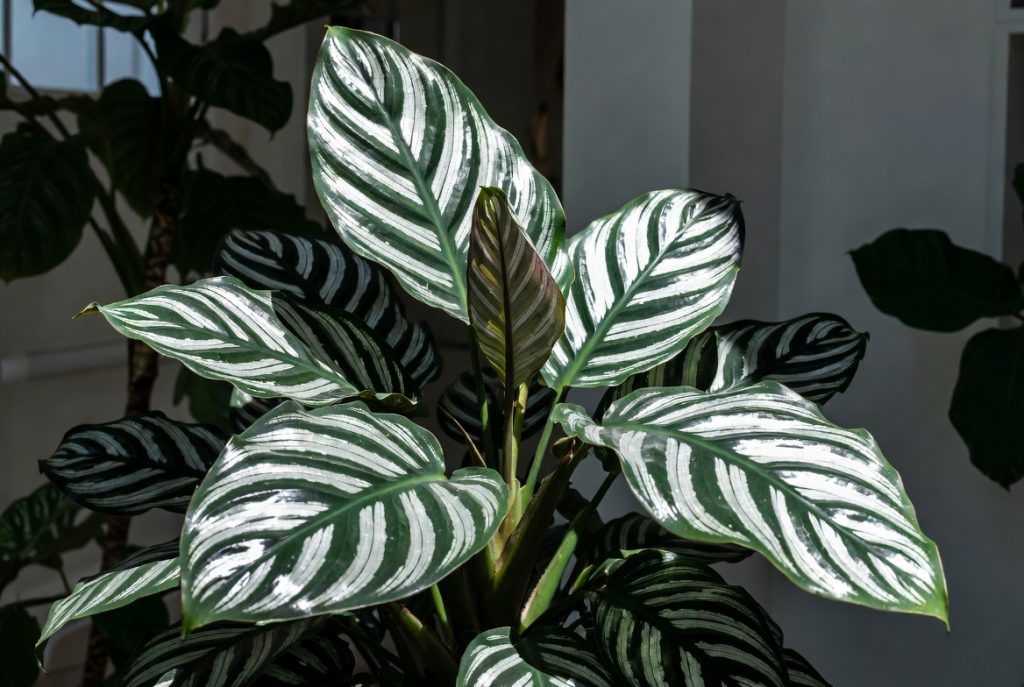
Its leaves feature crisp green margins inlaid with brilliant, iridescent silver markings that genuinely look as though they have been hand-painted with liquid metal. This dramatic visual contrast makes it an exceptional choice for modern interior spaces, tabletop displays, or miniature indoor jungles.
What is so special about aluminum plants?
What makes the aluminum plant truly special is its compact, clumping form and its highly reflective leaf structure. It typically tops out at a manageable 6 to 12 inches tall, making it highly versatile for small shelves or windowsills.
While it can produce tiny, inconspicuous green, white, or pink flowers during the summer months, its blossoms are rarely seen indoors. The plant saves all its energy to showcase its gorgeous, metallic-splashed leaves, which even earned it the prestigious Award of Garden Merit from the Royal Horticultural Society.
Is the aluminum plant an indoor plant?
Indeed, the aluminum plant is an excellent indoor houseplant. Because it naturally evolved underneath dense tropical forest canopies, it is highly adapted to low- and medium-light environments. Unless you live in a completely frost-free tropical climate (USDA Hardiness Zones 11–12), this plant must be kept indoors to protect it from cold drafts, as exposure to temperatures below 50°F will quickly cause severe damage.
Do aluminum plants like sun or shade?
Managing light correctly is essential to keeping those signature metallic leaves from losing their luster:
- The Sweet Spot: They thrive beautifully in bright, indirect light or medium filtered shade, placed slightly back from a window.
- What to Avoid: Keep them entirely out of direct, full sun. Harsh afternoon sunlight will quickly bleach the vivid silver markings, causing the gorgeous foliage colors to fade and wash out.
- Signs of Trouble: If the stems start stretching out and looking sparse or “leggy,” your plant is telling you it needs to be moved to a slightly brighter room.
Safe for Your Furry Friends
If you have playful cats or dogs that like to investigate your greenery, you can style this metallic beauty with absolute confidence. The aluminum plant is 100% non-toxic and pet-safe, fully verified by the ASPCA. While you should always discourage pets from destroying your foliage to prevent mild stomach upset, a random nibble won’t cause them any harm.
Are aluminum plants high maintenance?
Not at all. The aluminum plant is incredibly forgiving, fast-growing, and perfect for beginners. It requires standard room temperatures (60°F to 75°F) and a nutrient-rich, well-draining soil mix enriched with peat moss and perlite.
The main trick to keeping it happy is managing its water and humidity. It prefers its soil to stay consistently moist like a wrung-out sponge; if you notice your aluminum plant’s leaves turning yellow, it is a clear sign of overwatering or poor pot drainage. Simply let the top layer of soil dry out slightly between waterings to keep root rot at bay.
How to Propagate Aluminum Plant Cuttings
Because young aluminum plants showcase the brightest, most vibrant silver coloration, it is highly popular among indoor gardeners to propagate fresh new plants every single spring. The process is incredibly simple:
- Take the Cutting: Snip a healthy 3- to 4-inch stem cutting from the plant using sharp, clean shears right after new growth starts in the spring.
- Prep the Stem: Gently strip away the lower sets of leaves, leaving the bare nodes exposed.
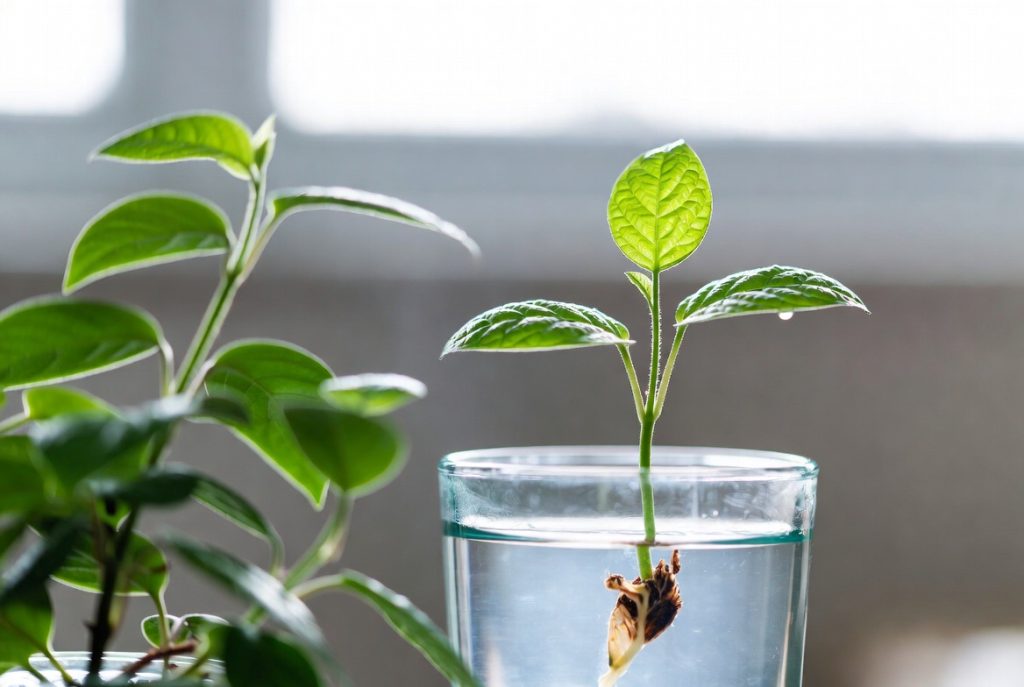
- Root in Water: Submerge the stem in a clean glass of water, making sure the bare nodes are fully underwater but the top leaves stay completely dry. Anytime the water is hazy, change it.
- Pot Your Fresh Plant: Within a few weeks, a fresh network of roots will emerge. Once they are established, transplant your rooted cuttings into a small pot filled with fresh, well-draining potting mix and watch your new living art grow.
Conclusion: A Lush Touch of Silver Art
The aluminum plant proves that you don’t need a massive space or a complicated routine to cultivate an eye-catching indoor garden. By respecting its love for warm temperatures, moderate indirect light, and a humid environment such as a closed glass terrarium, you can easily maintain its stunning metallic charm. Its pet-safe profile and effortless propagation make it a rewarding, low-stress addition to any modern plant collection.
Frequently Asked Questions
1. Is the aluminum plant safe for cats and dogs?
Yes, it is entirely non-toxic and safe for households with curious pets.
2. Should I mist my aluminum plant to increase humidity?
While some sources claim misting is a myth because the leaves don’t absorb water directly, providing a high-humidity environment (50% to 70%) is vital for this tropical native. Instead of heavy misting, it is highly recommended to place your plant on a simple pebble tray filled with water or group it near a small humidifier to prevent crisping edges.
3. Why are my aluminum plant’s leaves turning yellow and dropping?
Yellowing foliage is almost always triggered by overwatering or poor soil drainage. Ensure your potting container has a large drainage hole and reduce your watering frequency, allowing the top layer of soil to dry out between sessions.
4. How often should I prune an indoor aluminum plant?
You should pinch back the growing stem tips occasionally throughout the spring and summer. Because it is a rapid grower, regular pruning encourages a bushier, more compact shape and prevents the plant from looking leggy.
5. How long do indoor aluminum plants typically last?
With proper care, an aluminum plant can easily thrive for five years or longer. However, because their foliage looks the most striking and vibrant when the plant is young, many owners choose to use their mature plants to propagate fresh, new cuttings every spring.