The Pancake Phenomenon: Why the Chinese Money Plant Belongs in Your Home
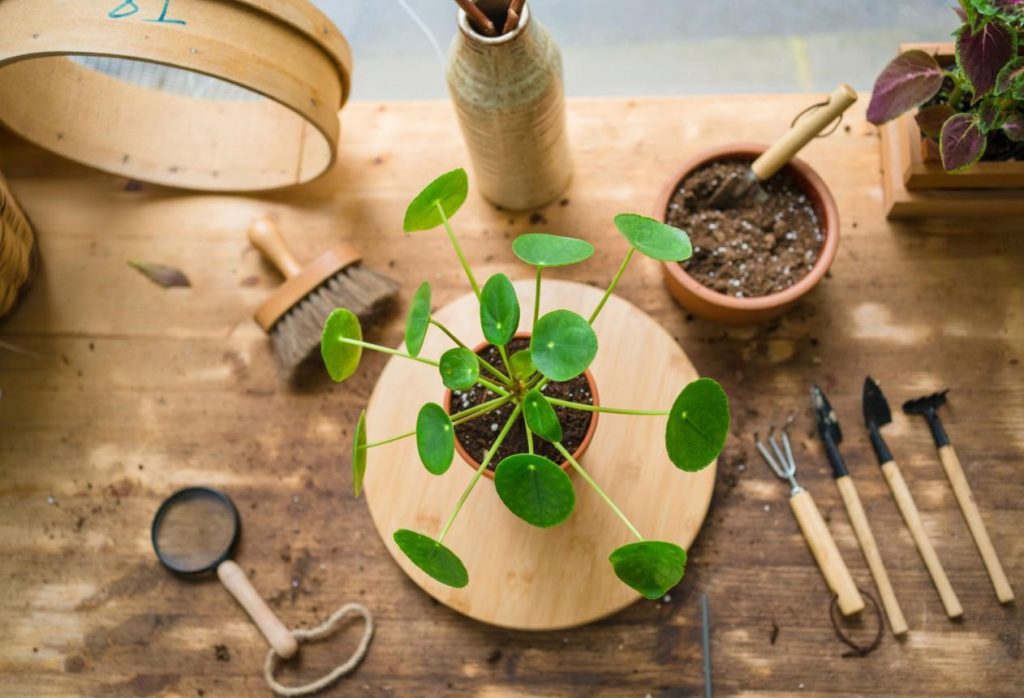
The Chinese money plant (Pilea peperomioides), affectionately known as the pancake plant, UFO plant, or the friendship plant, is a spectacular indoor houseplant that brings instant architectural charm to any space. Native to the mountainous regions of southern China, this perennial beauty has captured the hearts of indoor gardeners since the 20th century due to its low-effort upkeep and striking appearance.
Featuring smooth, rich green, coin-shaped leaves that gracefully radiate from dark central stems, it resembles stacked coins. According to ancient Chinese legend and Feng Shui principles, keeping this vibrant plant in your home or office is believed to attract immense luck, positive energy, and financial prosperity to its owner.
What is so special about Chinese money plants?
What makes the Chinese Money Plant truly special is its incredible self-propagating nature and rapid growth rate. A healthy, well-cared-for Pilea can easily double in size in just a single year, reaching a mature size of about 12 inches tall and 12 inches wide.
Even more fascinating is its nickname, the “pass-it-on plant.” As it grows, it continuously sprouts tiny, independent baby replicas from its root system. Furthermore, if given exceptional care and exposed to a brief period of cool winter temperatures, a mature indoor specimen can surprise you by producing delicate, tiny white flowers on contrasting pink stalks.
Is the Chinese money plant an indoor plant?
Yes, the Chinese money plant is an exceptional indoor housemate. It is highly valued by beginners and seasoned plant collectors alike because it thrives within standard household temperatures (13°C to 30°C). It adapts beautifully to shelves, desks, and side tables and can even be grown as a unique hanging plant as its stems mature and cascade.
Do Chinese Money Plants Like Sun or Shade?
Perfecting your plant’s placement requires a careful balance of bright but protected lighting:
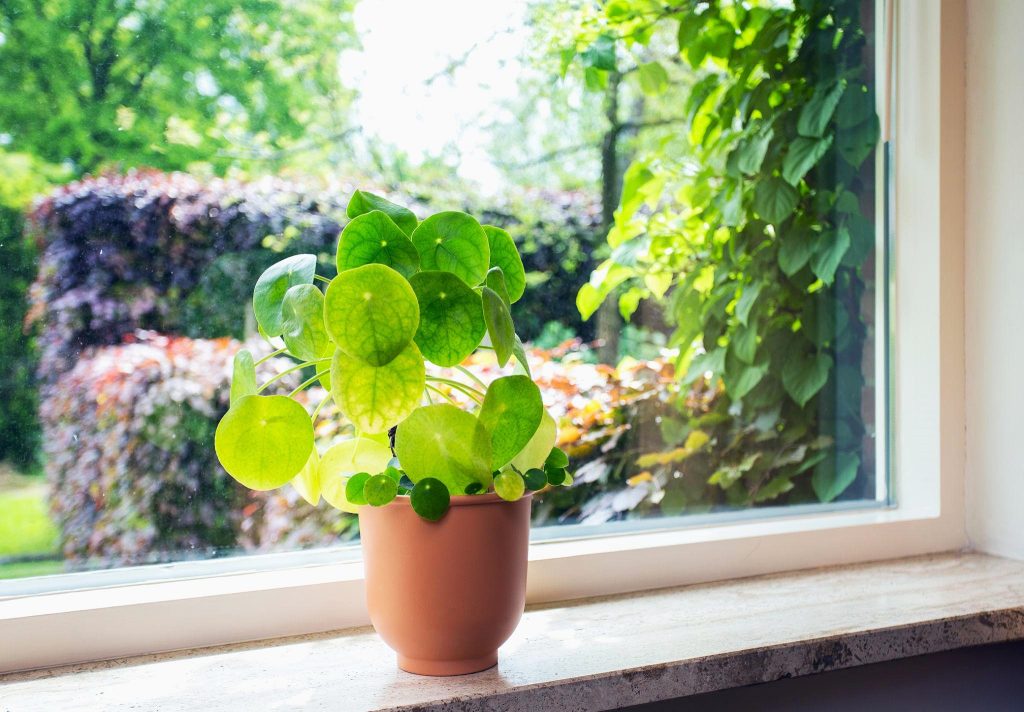
- The Sweet Spot: They demand bright, indirect light to remain vibrant and compact. An East- or West-facing room is absolute perfection.
- What to Avoid: Keep them completely away from harsh, direct sunlight. Direct sunlight on windowsills will easily scorch and leave permanent brown burn marks on the delicate leaf tissue.
- Low Light Warning: While they can survive in partial shade, a lack of light will cause the plant to become leggy, grow smaller, coin-shaped leaves, and stop producing babies.
- Pro Tip: Rotate your plant 180 degrees every few days. The leaves naturally chase the sun, so regular rotation prevents it from becoming lopsided and keeps it perfectly symmetrical.
Safe for Your Furry Friends
If you have inquisitive cats or dogs roaming around your indoor jungle, you can display this plant with complete peace of mind. The Chinese Money Plant is 100% non-toxic and pet-safe. It offers natural air-purifying benefits without posing any health risks to your beloved animals.
Are Chinese Money Plants High Maintenance?
Not at all. In fact, they are some of the most relaxed, non-fussy houseplants you can collect. They largely take care of themselves, requiring water only when the soil dries out completely and light feeding with a balanced, organic fertilizer during the spring and summer growing months.
However, they do communicate their needs clearly; if you notice your Chinese money plant’s leaves dropping rapidly, it is an immediate warning that you are overwatering. Always let the soil dry out completely between waterings to protect against root rot.
How to Propagate Chinese Money Plant (Step-by-Step)
Because this plant is an absolute propagation powerhouse, multiplying your collection or sharing it with friends is incredibly simple.
- Locate the Offshoots: Look around the base of a healthy, mature plant for baby offshoots (pups) that are at least a few inches tall.
- Separate Safely: Gently push the topsoil away from the base of the pup. Make a clean cut to remove the baby stem from the primary mother root using clean, sharp pruning scissors.
- Pot It Up: Plant the fresh offshoot immediately into a small pot filled with moist, well-draining potting soil mixed with perlite or succulent mix.
- Acclimate: Keep the soil lightly damp (never waterlogged) and place the new pot in a warm spot with bright, indirect light. Within a few weeks, it will anchor its roots and grow as a brand-new plant!
Conclusion: A Breathtaking Emblem of Prosperity
The Chinese money plant is a true joy to cultivate. By providing it with a warm, draft-free spot, ample indirect sunlight, and a well-draining peat-based soil, you can enjoy a lush, coin-shaped canopy that purifies your air. Its pet-safe profile, beginner-friendly nature, and effortless propagation make it an essential addition that brings literal and symbolic value to your home.
Frequently Asked Questions
1. Is the Chinese money plant safe for cats and dogs?
Yes, it is entirely non-toxic and safe for all household pets.
2. Why are the leaves on my Chinese money plant curling?
Curling leaves usually occur when room temperatures are too high, humidity is excessively dry, or the plant is receiving a bit too much direct light. Move it away from heat vents and mist it a few times a week to help it recover.
3. How often should I water my Chinese money plant?
Water deeply on average once a week during the summer and once every two weeks (fortnightly) during the winter. Always perform a simple finger dip test to ensure the topsoil is dry and crumbly before adding more moisture.
4. What pests commonly affect this plant?
While generally hardy, watch out for spider mites, which spin fine webs underneath the leaves and suck out nutrients. Treat infestations immediately with neem oil or insecticidal soap.
5. How often should I repot my Chinese money plant?
Repot your plant every two years in early spring, using a container that is 1 to 2 inches wider and has excellent drainage holes. Avoid repotting more frequently, as it can cause unnecessary stress to the root system.