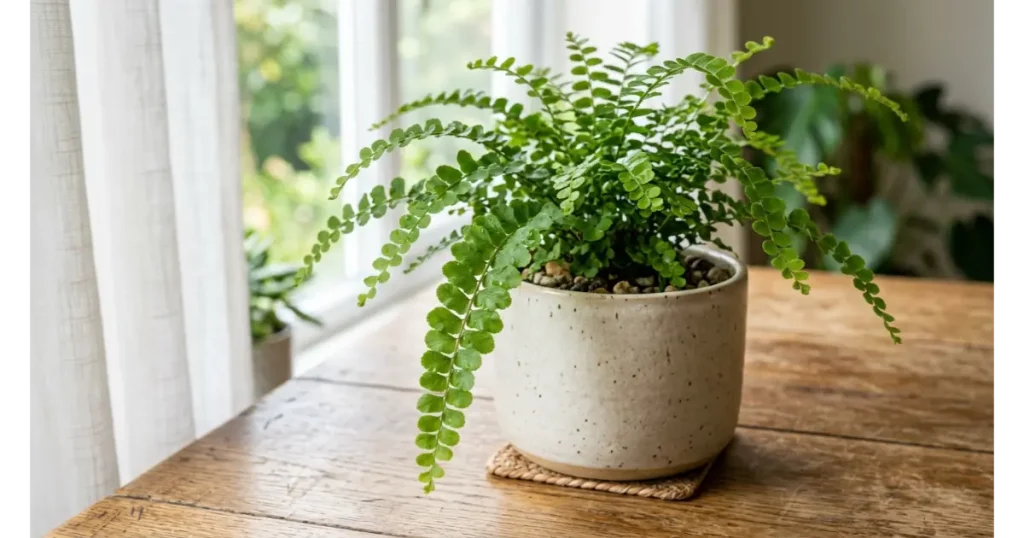
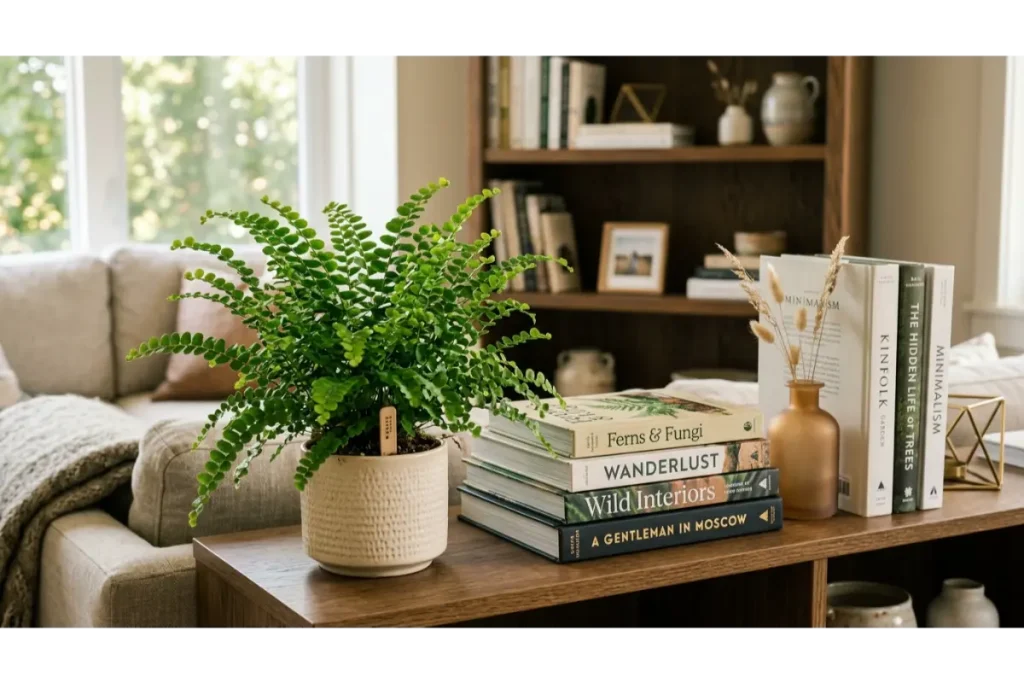
Mastering lemon button fern care is the ultimate solution if you have ever struggled with delicate, finicky ferns that quickly turn into a pile of crispy brown leaves. Unlike notoriously difficult varieties, the Lemon Button Fern (Nephrolepis cordifolia ‘Duffii’) is a resilient, compact dwarf variation of the classic Boston fern. Famous for its round, button-like foliage and a subtle citrus scent when brushed, this plant is an absolute dream for indoor plant lovers.
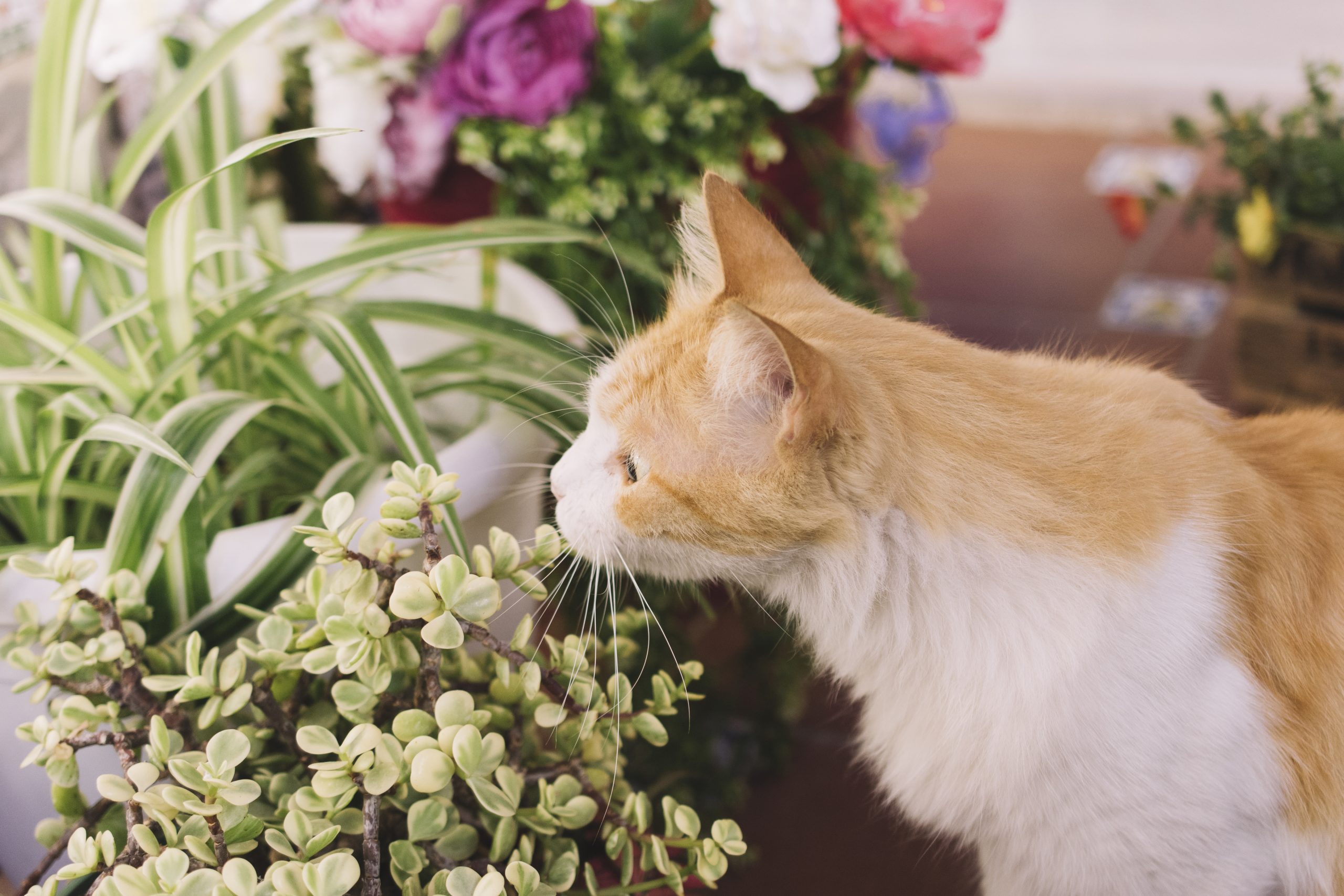
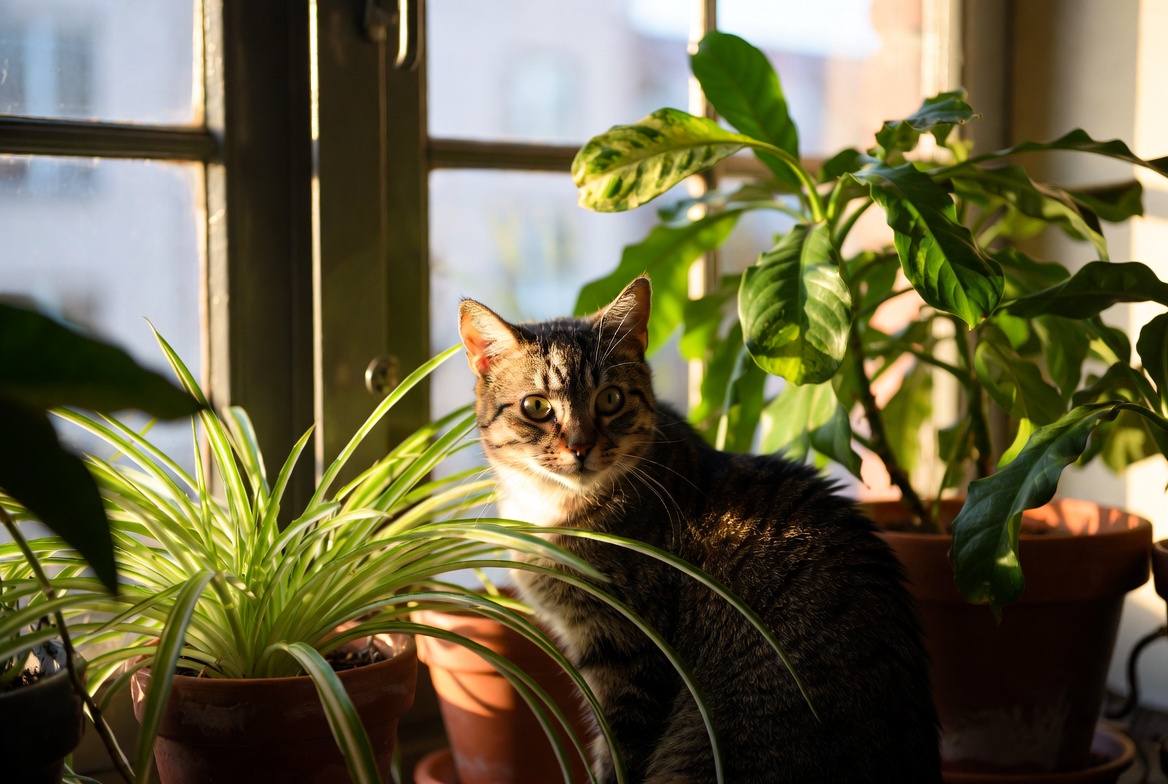
When building a vibrant indoor jungle, pet safety is essential. Many plant parents wonder whether this fragrant greenery is safe around dogs and cats. The great news is that proper lemon button fern care allows you to cultivate a stunning, non-toxic plant that is 100% safe for your furry companions.
Technical Specifications: At a Glance
| Feature | Specification Details |
| Common Name | Lemon Button Fern, Fishbone Fern, Button Sword Fern |
| Botanical Name | Nephrolepis cordifolia ‘Duffii’ |
| Mature Size | 12 inches tall and wide |
| Sun Exposure | Medium indirect light to partial shade |
| Watering Needs | Consistent moisture; avoid soggy soil |
| Soil pH & Type | Acidic, loamy, well-draining potting mix |
| Toxicity Status | 100% Pet-Safe (Non-toxic to cats and dogs) |
10 Essential Rules for Essential Lemon Button Fern Care
1. Pet Safety: Is It Safe for Dogs and Cats?
Understanding lemon button fern care begins with knowing your pets are safe. According to the ASPCA, this plant is completely non-toxic to cats and dogs. Unlike toxic “false ferns” like the Sago Palm, true ferns are harmless. If you want to compare other pet-friendly fern varieties, explore our guide on button fern pet safety
to expand your pet-safe collection.
2. Indoor vs. Outdoor Growing Conditions
While native to tropical Asian regions, this fern thrives best as an indoor houseplant. Indoors, it maintains a neat mounding shape, making it ideal for compact living spaces. If you are arranging houseplants in cozy rooms, it ranks high among the best plants for small apartments
due to its low footprint.
3. Light Requirements for Golden Foliage
The key to ideal lemon button fern care is providing medium, indirect sunlight. Dappled light similar to what filters through a forest canopyis i eal. Direct afternoon sun will scorch delicate fronds, while extremely low light slows down growth.
4. Soil Mix and pH Preferences
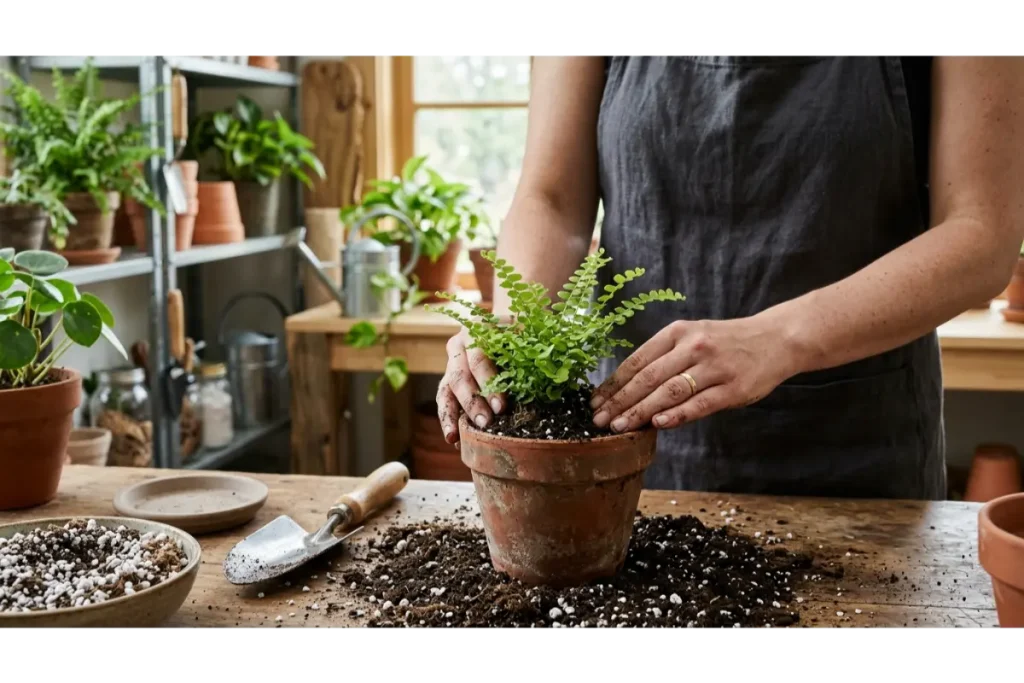
This plant prefers acidic, loamy soil that retains moisture without compacting. Incorporating peat moss into a standard indoor potting mix helps preserve acidity and maintain consistent dampness around the root zone.
5. Proper Watering Techniques
Keep the potting mix consistently damp, but never waterlogged. Overwatering starves roots of oxygen, causing soggy soil that attracts unwanted pests. If overwatering occurs, you may need to learn how to get rid of fungus gnats to protect your plant’s root system.
6. Humidity and Temperature Control
Thriving in average home temperatures between 18°C and 24°C (65°F to 75°F), this tropical fern enjoys moderate air moisture. While far tougher than traditional varieties, placing it near a cool-mist humidifier prevents crispy leaf margins. For comparison, review our ultimate guide on Boston fern care to see how humidity affects different fern species.
7. Fertilizer Schedule
Feed your fern once a month during spring and summer using a balanced liquid houseplant fertilizer diluted to half strength. Avoid fertilizing in late autumn and winter when growth naturally slows.
8. Troubleshooting Yellow or Brown Fronds
Crispy brown foliage usually indicates dry air or underwatering. Conversely, yellowing fronds accompanied by soft stems point to overwatering or direct sunburn. Adjust your care routine promptly to restore plant health.
9. Simple Pruning Routine
Pruning is effortless. Trim away old, yellowing, or dried-out fronds at the soil line using sanitized shears. Regular pruning encourages fresh, vibrant green button foliage to emerge from the center.
10. Easy Division and Propagation
Propagate your fern during spring repotting by root division. Gently split the root ball into two or three clusters, ensuring each division has healthy roots and green fronds, then repot into fresh acidic soil mix.
Final Thoughts
Mastering lemon button fern care doesn’t have to be complicated. By maintaining consistent soil moisture, providing gentle indirect light, and protecting it from direct sun, this compact, lemon-scented fern will thrive for years. Plus, its 100% pet-safe nature gives you total peace of mind around cats and dogs. If you are looking to expand your indoor greenery alongside this fern, check out our care guides on the Satin Pothosor the Neon Pothos for more beautiful, easy-care additions to your collection.
Frequently Asked Questions
1. Why does my lemon button fern smell like fresh lemons?
The foliage contains natural aromatic oils that release a subtle citrus scent whenever the leaves are touched, brushed against, or crushed.
2. Can lemon button fern tolerate low light areas?
Yes, it tolerates low-light conditions better than most ferns. However, keeping it in medium, indirect light promotes faster growth and vibrant leaf color.
3. Is misting effective for lemon button fern care?
Misting offers brief moisture spikes but does not provide lasting humidity. Using a room humidifier or a pebble tray filled with water is significantly more effective.
4. Why are the leaves on my lemon button fern turning crispy?
Crispy leaves are caused by low air humidity, underwatering, or direct sunlight. Move the plant away from bright windows and maintain consistent soil dampness.
5. How fast does a lemon button fern grow indoors?
It is a slow to moderate grower. It typically tops out at around 12 inches tall and wide, making it exceptionally low-maintenance.