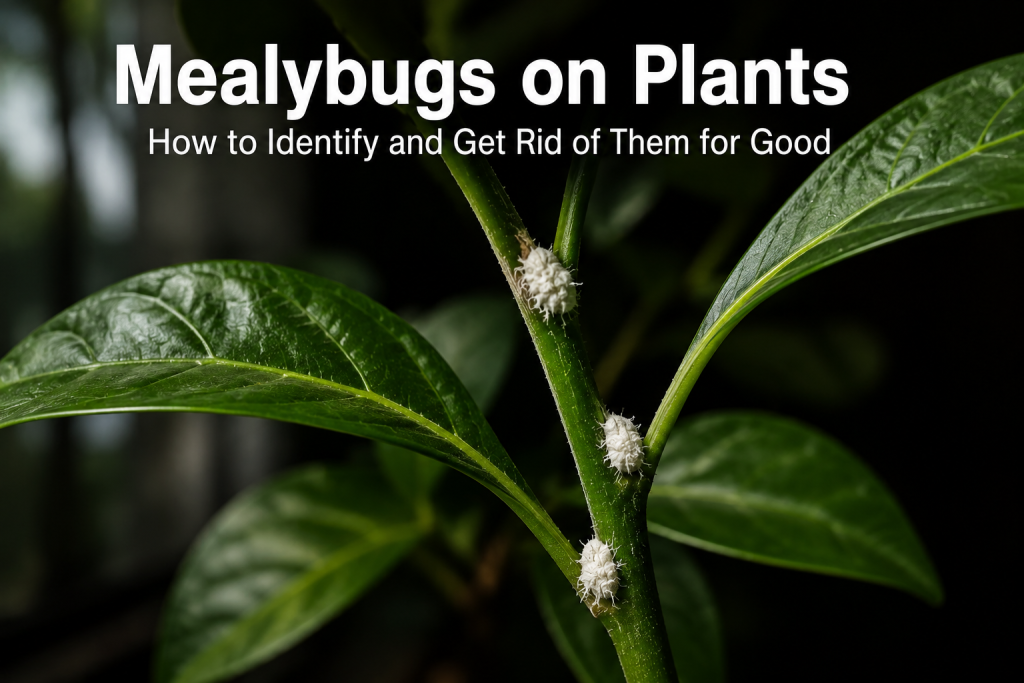
If you’ve spotted small clusters of white, cottony fuzz tucked into the stems or leaf joints of your houseplant, you’re likely dealing with mealybugs, one of the most recognizable and stubborn indoor plant pests. Unlike some pests that are hard to spot, mealybugs are fairly visible once you know what to look for, but they’re notoriously persistent and can quickly spread if left untreated. Here’s how to identify mealybugs on plants, get rid of them effectively, and stop them from coming back.
What Are Mealybugs?
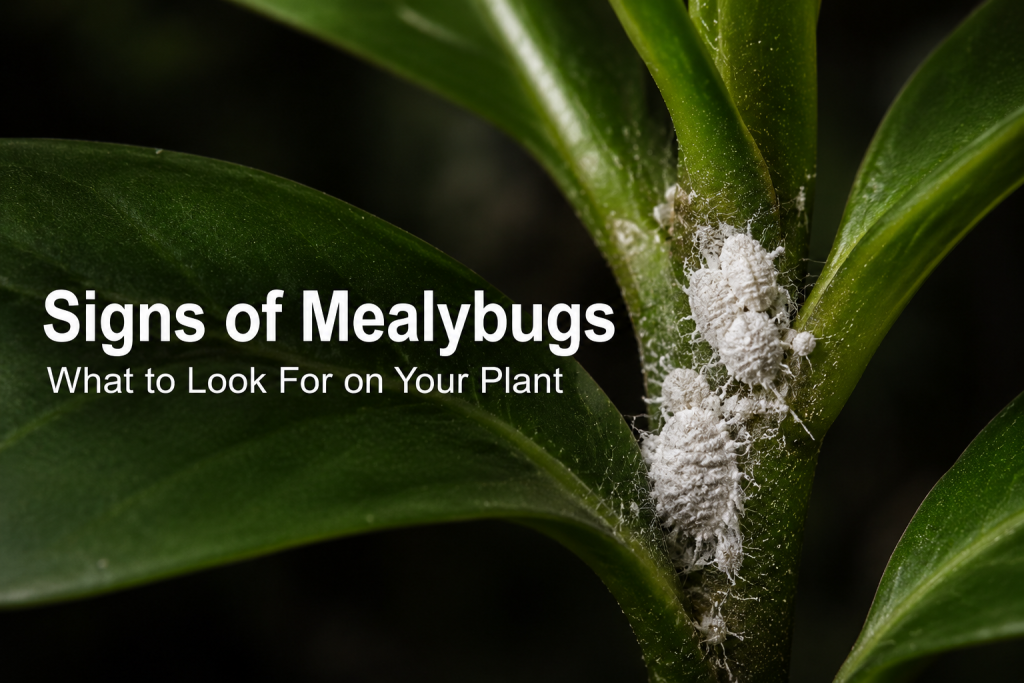
Mealybugs are small, soft-bodied insects covered in a white, waxy, cotton-like coating that protects them while they feed. They typically measure around 2-4mm long and tend to cluster together in groups rather than scattering individually across a plant.
They feed by piercing plant tissue and sucking out sap, usually concentrating in hard-to-see spots like leaf joints, the undersides of leaves, and along stems. As they feed, they excrete a sticky substance called honeydew, which can attract ants and lead to sooty mold growth if left unaddressed.
Signs Your Plant Has Mealybugs
A few clear indicators to check for:
White, cottony clusters on the plant. This is the most obvious sign. Mealybugs gather in small fuzzy white masses, often tucked into stem joints, leaf axils, or along the undersides of leaves.
Sticky residue on leaves or nearby surfaces. The honeydew mealybugs excrete a tacky film on leaves, stems, or even the floor and furniture beneath the plant.
Stunted or distorted growth. Heavy feeding can cause new leaves to emerge smaller, curled, or yellowed compared to healthy growth.
Sooty mold. A black, soot-like coating can develop on leaves over time, growing on the honeydew residue left behind by mealybugs.
Ants around the plant. Ants are often attracted to the sugary honeydew, so an unexplained ant presence near a houseplant can be an early warning sign of mealybugs.
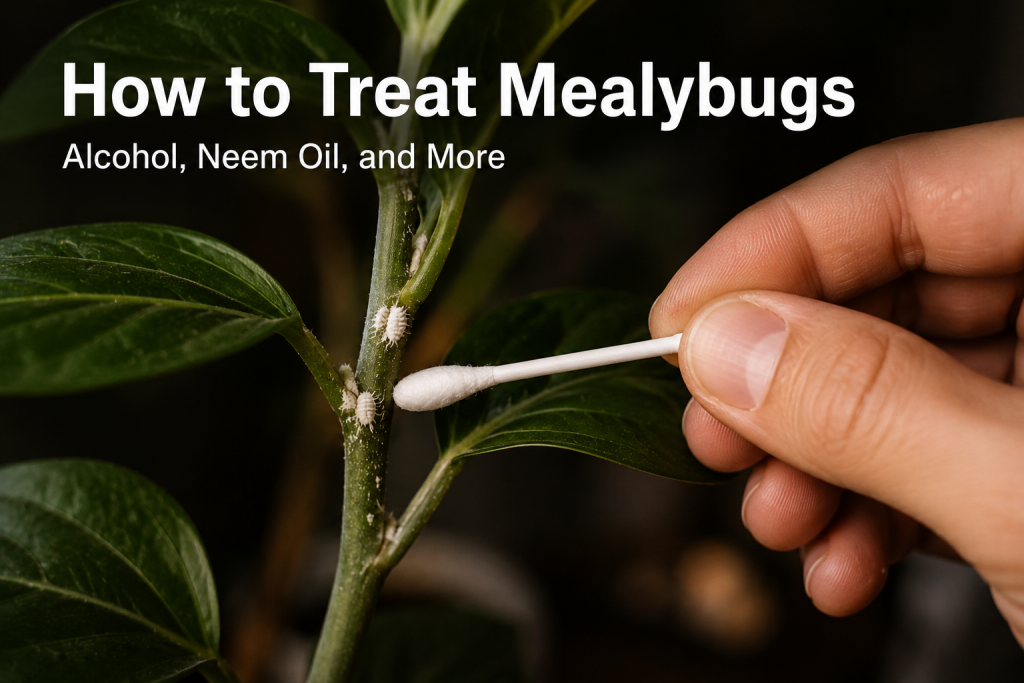
If you spot white fuzzy clusters but aren’t sure, gently touch one with a cotton swab dipped in rubbing alcohol. Real mealybugs will dissolve or smear, distinguishing them from naturally occurring white residue or salt buildup.
Why Your Plant Got Mealybugs
A few common reasons mealybugs show up:
New plants brought home without inspection are one of the most common sources, since mealybugs and their eggs can hide deep in stem joints and go unnoticed at the time of purchase.
Overcrowded plants sitting close together make it easy for mealybugs to migrate from an infested plant to a healthy one nearby.
Warm, relatively stable indoor temperatures actually favor mealybug reproduction year-round, unlike pests that are more seasonal.
Stressed or overwatered plants can be more vulnerable, since mealybugs are often drawn to weakened plant tissue.
How to Get Rid of Mealybugs
1. Isolate the infested plant
Move it away from other plants immediately to prevent mealybugs from spreading while you treat it.
2. Manually remove visible clusters
Using a cotton swab or small brush dipped in rubbing alcohol, dab directly onto visible mealybug clusters. The alcohol dissolves their waxy coating and kills them on contact. This step alone can significantly reduce the population, especially for smaller infestations.
3. Rinse the plant thoroughly
Take the plant to a sink or shower and rinse leaves and stems with a steady stream of water, paying close attention to leaf joints and the undersides of leaves where mealybugs hide.
4. Apply insecticidal soap or neem oil
After manual removal and rinsing, treat the entire plant with insecticidal soap or neem oil, making sure to coat stem joints and leaf undersides thoroughly. Reapply every 5-7 days for at least three to four weeks, since mealybug eggs can hatch well after the adults are gone.
5. Check and treat the soil if needed
Some mealybug species live in soil and feed on roots, so if you notice stunted growth without obvious leaf symptoms, consider drenching the soil with a diluted insecticidal soap solution or repotting with fresh soil.
6. Use a systemic insecticide for severe or recurring infestations
If manual treatment and soap aren’t fully controlling a stubborn infestation, a systemic insecticide absorbed through the roots or leaves can be more effective for long-term control.
How to Prevent Mealybugs From Coming Back
Inspect new plants thoroughly before bringing them near your collection, paying particular attention to leaf joints and the base of stems where mealybugs hide.
Avoid overcrowding plants, since close contact between leaves and stems makes it easy for mealybugs to spread.
Check your plants regularly, especially in hidden spots like leaf joints and undersides, since early detection makes treatment much faster and easier.
Avoid overwatering and keep plants generally healthy, since stressed plants tend to be more vulnerable to infestation.
Quarantine any plant that’s recently been treated for pests for a few weeks before placing it back with your main collection, just to be sure the infestation is fully cleared.
Conclusion
Mealybugs on plants are persistent but very manageable with consistent treatment. The combination of manual removal with rubbing alcohol, regular insecticidal soap or neem oil applications, and careful inspection of new plants will clear up most infestations within three to four weeks. As with most pest issues, the key is sticking with treatment even after the visible clusters are gone, since eggs and early-stage nymphs are often harder to spot.
Good scale insect identification helps too, since scale can be confused with mealybugs at first glance. If you see silvery patches or speckled leaves instead, our guide to thrips damage can help you tell the difference. Fine webbing under the leaves can point to spider mite infestations, which need a slightly different approach.
Frequently Asked Questions
Can mealybugs spread to other plants in my home?
Yes, easily. Mealybugs crawl between plants that are touching or sitting close together, and they can also be transferred on hands, tools, or clothing after handling an infested plant. Isolating an affected plant right away is one of the most important first steps.
Are mealybugs harmful to humans or pets?
No, mealybugs don’t bite or pose any health risk to people or pets. They’re strictly a plant pest, and the main concern is the damage they cause to your plants rather than any danger to your household.
How long does it take to get rid of mealybugs completely?
Most infestations take three to four weeks of consistent treatment to fully clear, since mealybug eggs can continue hatching for some time after adults are removed. Stopping treatment too early is the most common reason infestations return.
Is rubbing alcohol safe to use directly on my plant?
Yes, when applied carefully and directly onto the mealybugs themselves using a cotton swab, rubbing alcohol is generally safe for most houseplants. Avoid soaking the entire plant in alcohol, and if you’re treating a particularly sensitive species, test on a small area first.
Will mealybugs come back after treatment?
They can, especially if a new infested plant is introduced or if some eggs survive the initial treatment. Regular inspection, especially of leaf joints and stem bases, along with quarantining new plants, is the best way to prevent a repeat infestation.