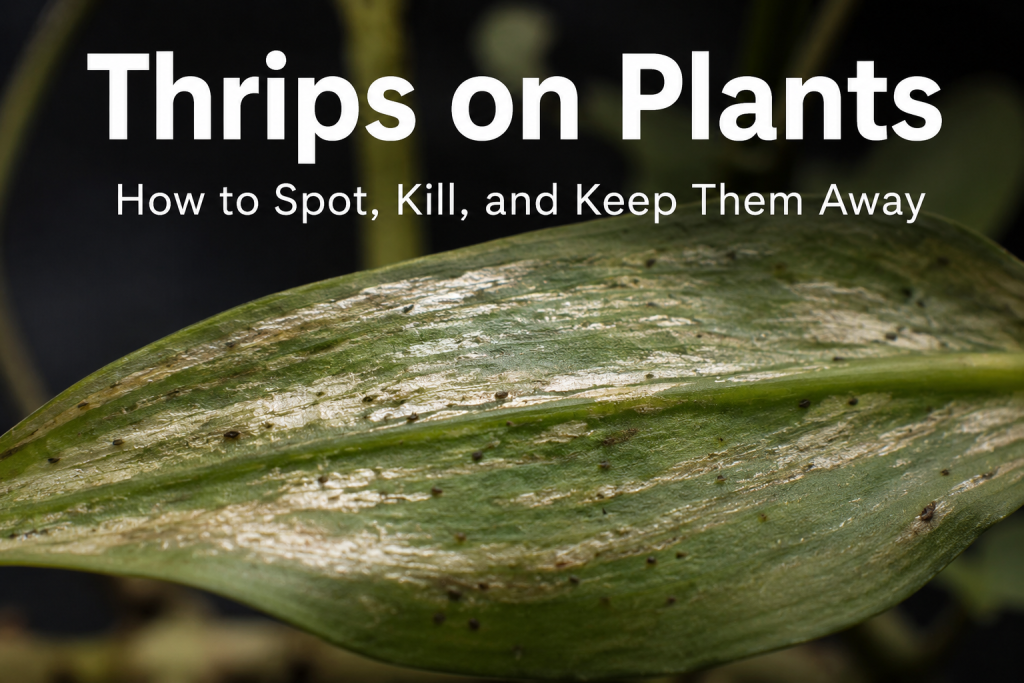
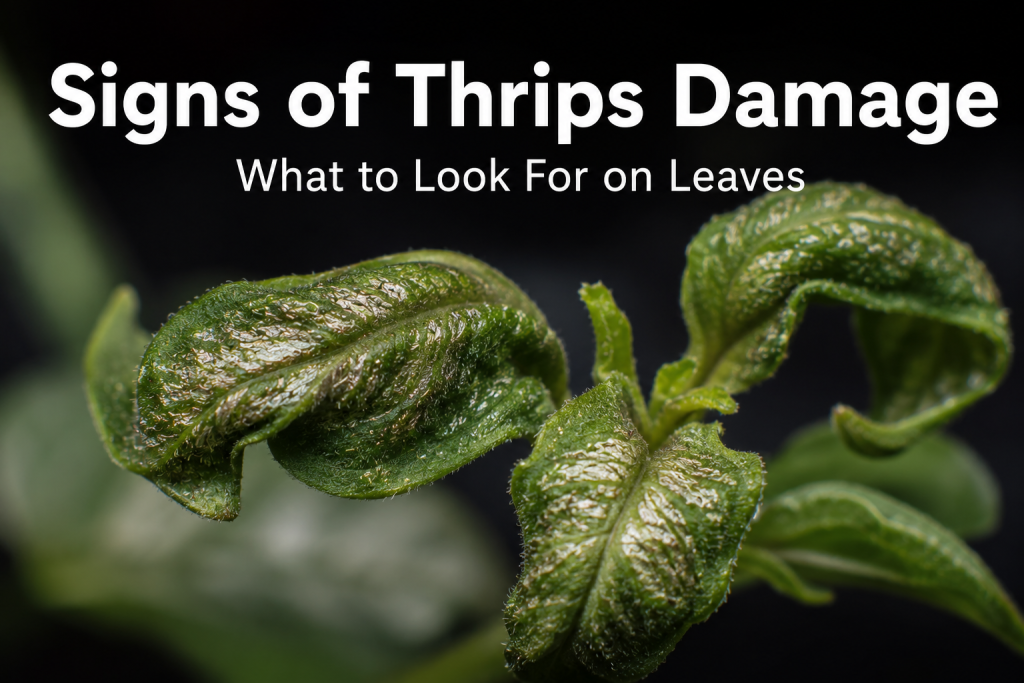
If your plant’s leaves have developed silvery or bronze patches, you might be dealing with thrips on plants, one of the sneakiest indoor plant pests. They’re one of the sneakiest indoor plant pests, since they’re tiny, fast-moving, and often go unnoticed until the damage is already widespread. Here’s how to identify thrips, treat them effectively, and stop them from coming back.
What Are Thrips?
Thrips are tiny, slender insects, usually less than 2mm long, that feed on plant tissue by rasping the surface of leaves and sucking out the cell contents. They’re typically pale yellow, brown, or black depending on the species and life stage, and their narrow, elongated bodies make them easy to mistake for debris or specks of dirt at first glance.
Unlike some pests that stay put on one plant, thrips can fly short distances, which makes them more likely to spread between plants quickly, especially in warm, dry indoor conditions where they thrive.
Signs Your Plant Has Thrips
A few key things to look for:
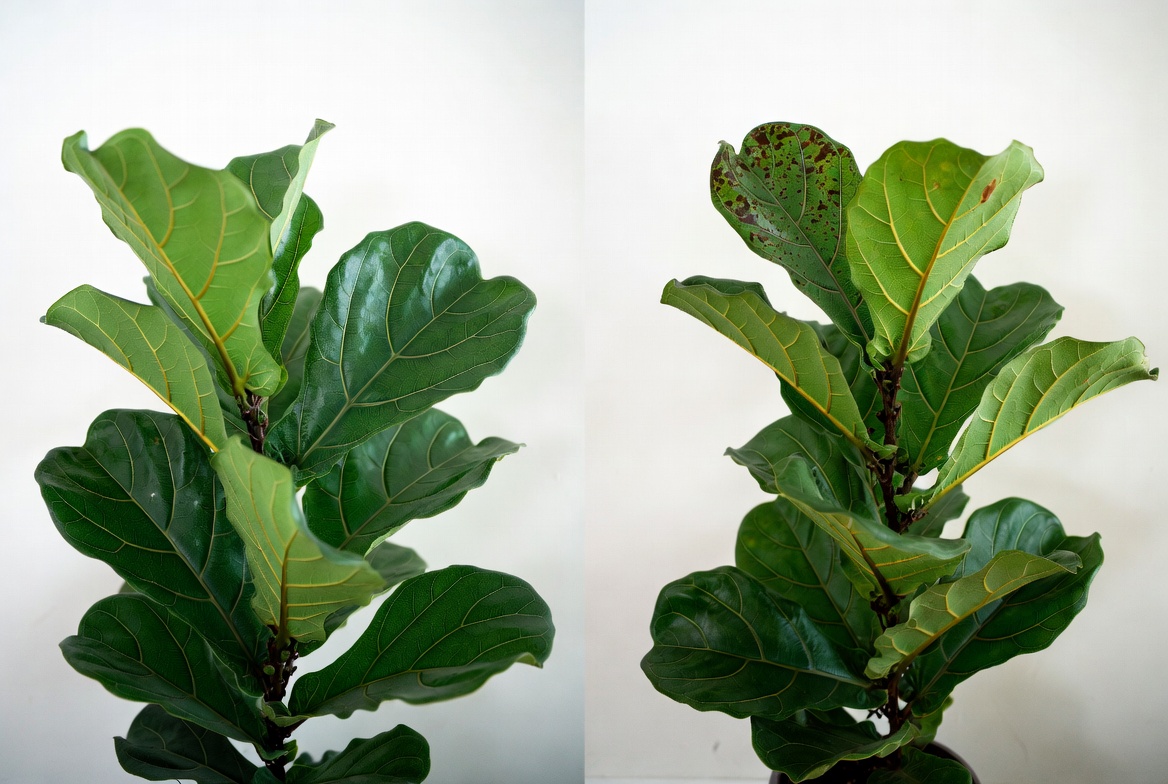
Silvery or bronze streaking on leaves. This is the most distinctive sign of thrips damage. As they feed, they leave behind a stippled, papery-looking discoloration that often has a metallic or silvery sheen.
Tiny black specks on leaves. These are thrips frass, essentially their droppings, and they often appear as small dark dots scattered across the damaged areas.
Distorted or curled new growth. Thrips often target young, tender leaves and buds, which can cause new growth to emerge twisted, stunted, or oddly shaped.
Visible movement on leaves. If you look closely, especially under bright light, you may spot the thrips themselves moving quickly across the leaf surface. They’re small but visible if you know what to look for.
Flowers that fail to open properly or fall early. On flowering plants, thrips damage can cause buds to drop or blooms to look streaked and discolored.
To check for thrips, gently tap or shake a leaf over a white sheet of paper. If you see tiny, fast-moving specks land and scurry around, that’s a strong sign of thrips.
Why Your Plant Got Thrips
A few common factors that contribute to thrips infestations:
Warm, dry conditions are ideal for thrips reproduction, similar to several other common indoor pests, which is why infestations often pick up during the heating season.
New plants brought into the home without inspection are a frequent source, since thrips and their eggs can easily hitch a ride on a recent purchase.
Plants kept outdoors part of the year, such as on a balcony or patio during summer, can pick up thrips outside before being brought back indoors.
Overcrowded or tightly grouped plants make it easier for thrips to move between hosts once established.
How to Get Rid of Thrips
1. Isolate the affected plant
Move the plant away from others immediately, since thrips can fly short distances and spread quickly to nearby plants.
2. Remove heavily damaged growth
Prune away leaves, buds, or flowers that show significant streaking or distortion. This reduces the population and removes areas where eggs may be developing.
3. Use sticky traps to monitor and reduce numbers
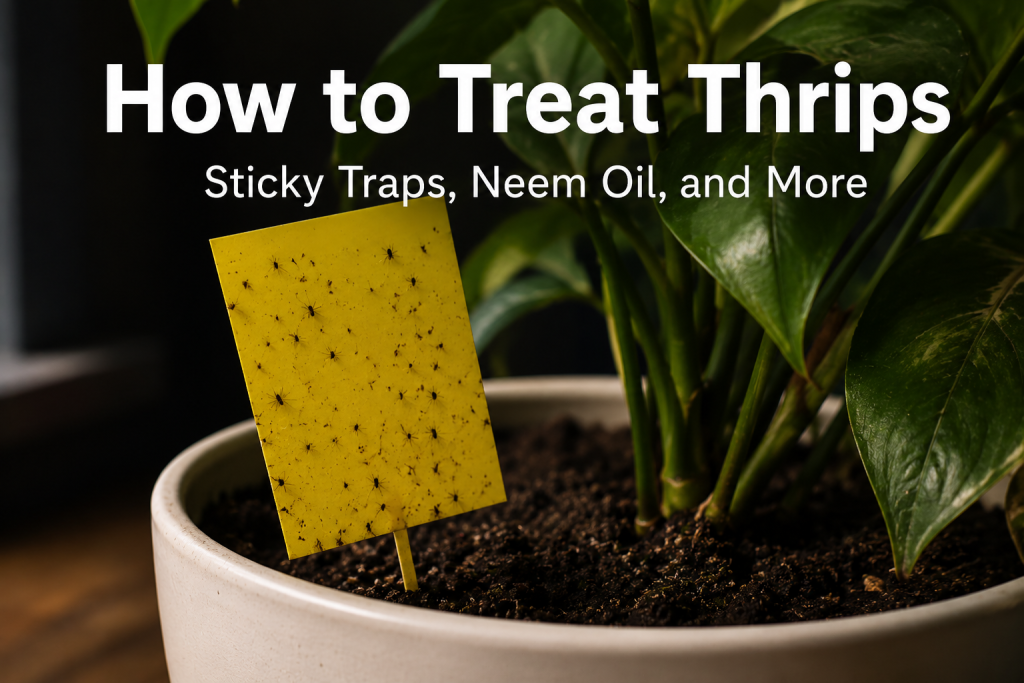
Yellow or blue sticky traps placed near the soil surface are particularly effective against thrips, since they’re attracted to these colors. This also helps you track whether your treatment is working over time.
4. Apply insecticidal soap or neem oil
Treat the entire plant, including the undersides of leaves and stem joints, with insecticidal soap or neem oil. Reapply every 5-7 days for at least three to four weeks, since thrips have multiple life stages and a single treatment won’t catch them all.
5. Consider a systemic insecticide for persistent infestations
If soap and neem oil aren’t fully controlling the population after several weeks, a systemic insecticide can be more effective, since it’s absorbed into the plant and kills thrips as they feed, rather than only those directly sprayed.
6. Refresh the topsoil if thrips are persistent
Some thrips pupate in soil, so replacing the top inch or two of soil can help interrupt their life cycle in stubborn cases.
How to Prevent Thrips From Coming Back
Inspect new plants carefully before bringing them near your existing collection, checking both leaves and soil.
If you move plants outdoors seasonally, check them closely for pests before bringing them back inside.
Use yellow or blue sticky traps proactively, even without a known infestation, since they catch early arrivals before populations build up.
Avoid overcrowding plants, giving each one enough space to reduce the chance of pests spreading easily between them.
Keep an eye on new growth specifically, since thrips often target tender leaves and buds first, making early detection easier if you check regularly.
Conclusion
Thrips on plants are frustrating because of how easily they go unnoticed at first, but they’re manageable once you know the signs and commit to a consistent treatment routine. A combination of isolation, pruning, sticky traps, and regular insecticidal soap or neem oil treatment will clear up most infestations within three to four weeks. As with most pest problems, consistency matters more than any single treatment, so stick with the routine even after visible improvement.
Frequently Asked Questions
Can thrips spread to other plants in my home?
Yes, and more easily than many other pests, since thrips can fly short distances in addition to crawling. Isolating an affected plant right away is one of the most effective ways to limit spread.
Are thrips harmful to humans or pets?
No, thrips don’t pose a health risk to people or pets. They occasionally bite but don’t transmit disease, and any irritation is mild and temporary. The real concern is the damage they do to plants, not any danger to your household.
How long does it take to get rid of thrips completely?
Most infestations take three to four weeks of consistent treatment, since thrips go through multiple life stages, including a soil-dwelling pupal stage that’s harder to target with surface treatments alone.
Do sticky traps actually work for thrips?
Yes, yellow and blue sticky traps are genuinely effective for thrips specifically, since they’re strongly attracted to these colors. They work well both for catching adults and for monitoring whether your treatment is reducing the population over time.
Will thrips come back after treatment?
They can, particularly if a new infested plant is introduced or if plants spend time outdoors without being checked afterward. Using sticky traps proactively and inspecting new plants before introducing them are the best ways to prevent a repeat infestation.